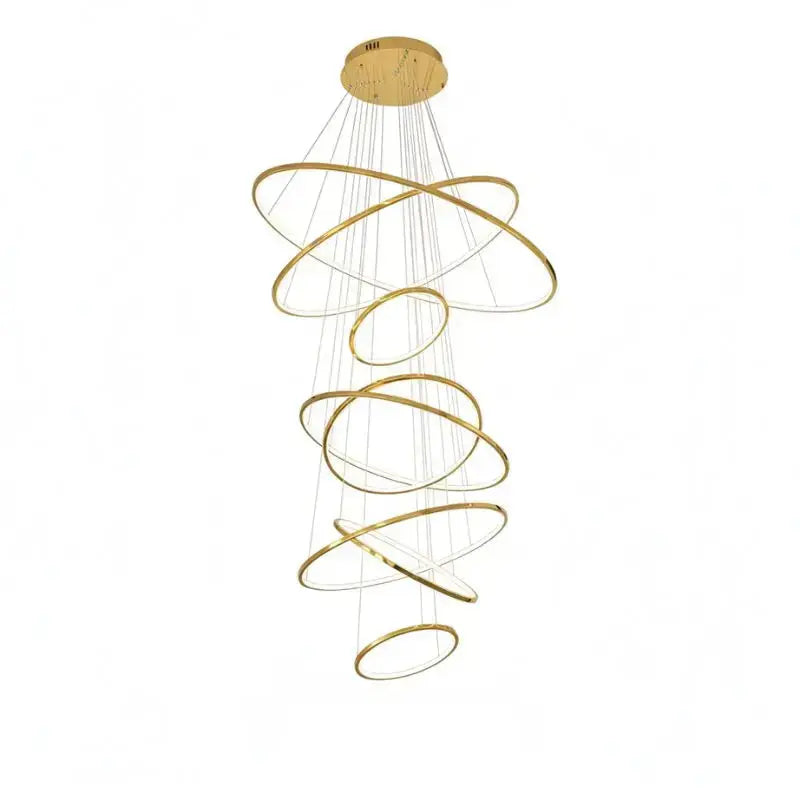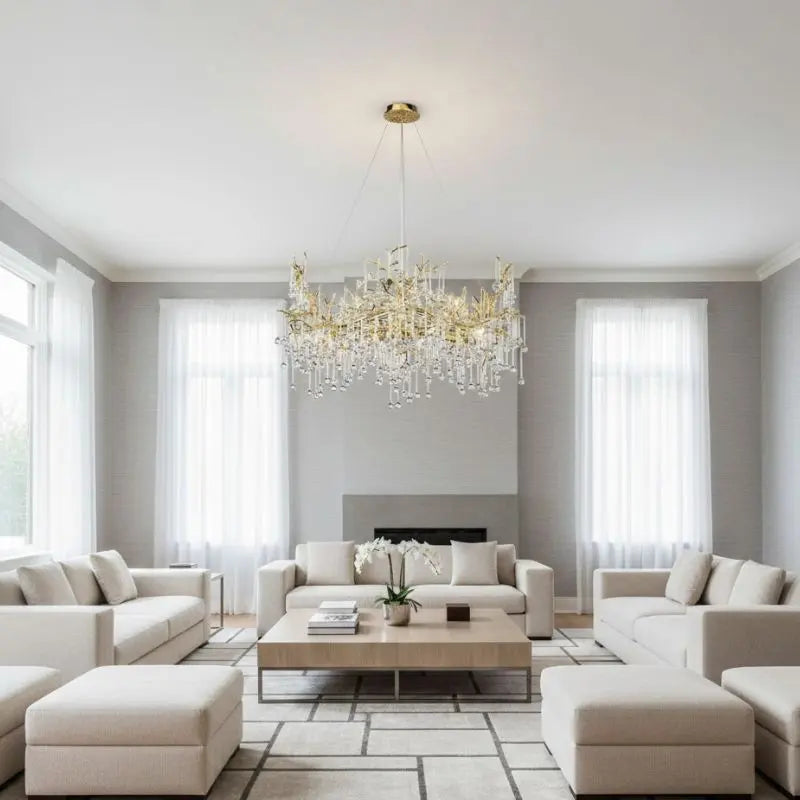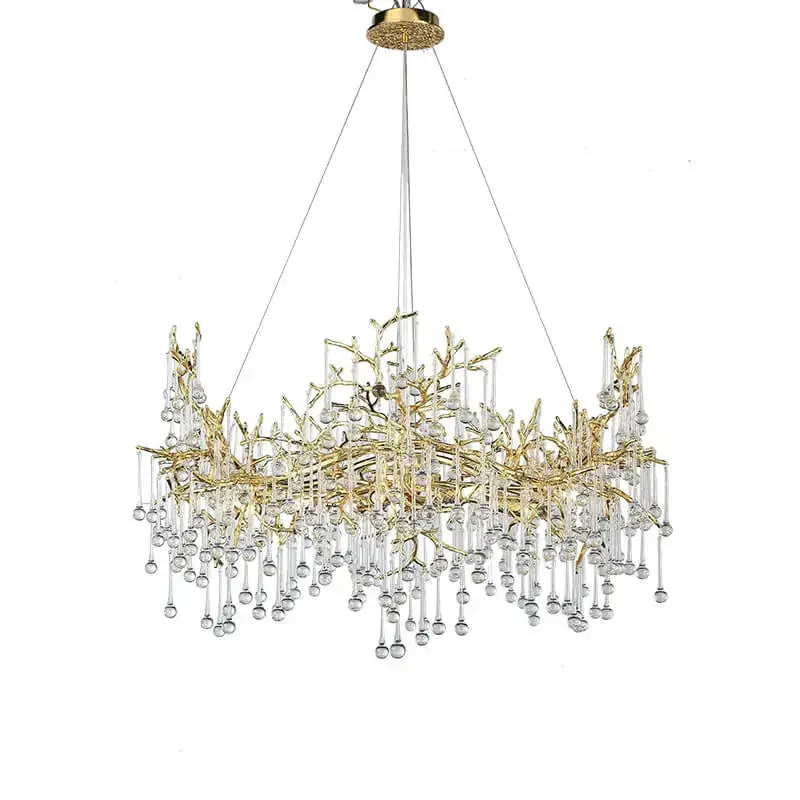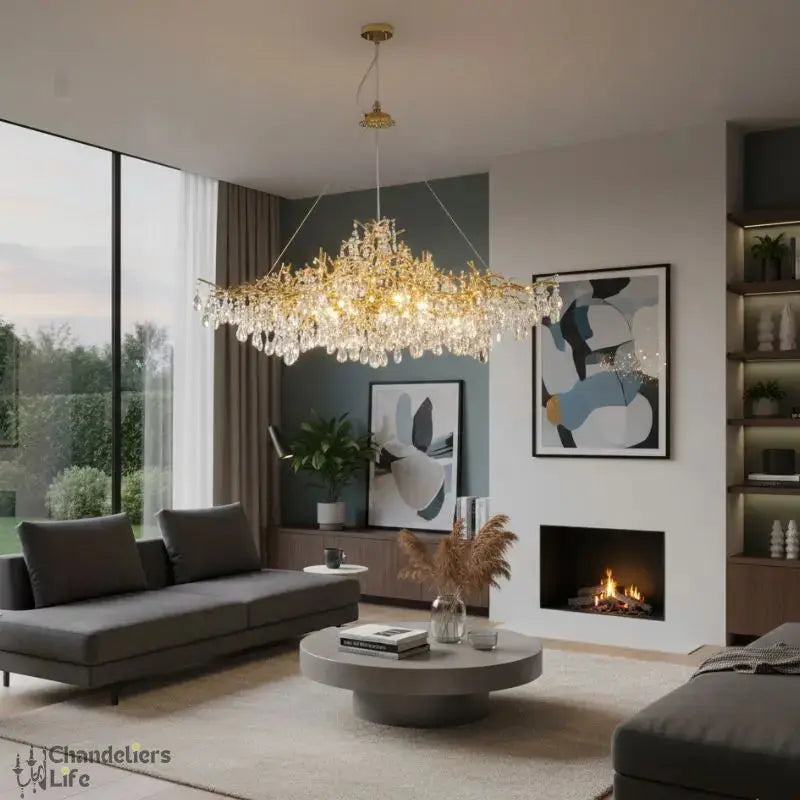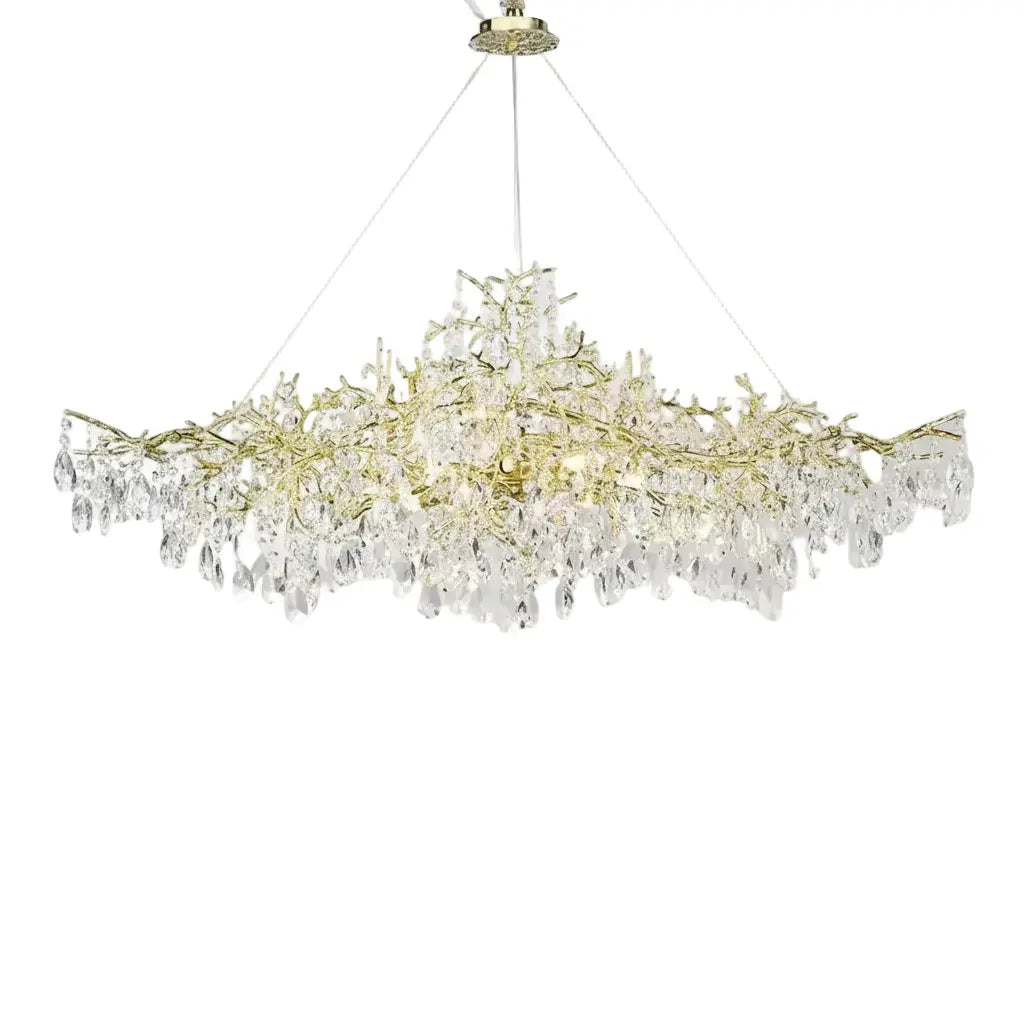
A beautiful chandelier can transform a room, but even the most exquisite fixture cannot carry the entire lighting scheme alone. The secret behind interiors that feel warm, polished and effortlessly luxurious is knowing how to layer room lighting. It is less about adding more fittings and more about giving every light a purpose.
A well-layered scheme lets a dining room feel celebratory at night, makes a kitchen easier to work in, and gives a living room a softer, more intimate character once daylight fades. When each layer is considered, decorative lighting becomes more than a focal point. It becomes part of how your home lives.
How to layer room lighting with three essential layers
Every considered lighting plan begins with ambient, task and accent lighting. These three layers work together to create a room that is functional without feeling clinical, and stylish without sacrificing comfort.
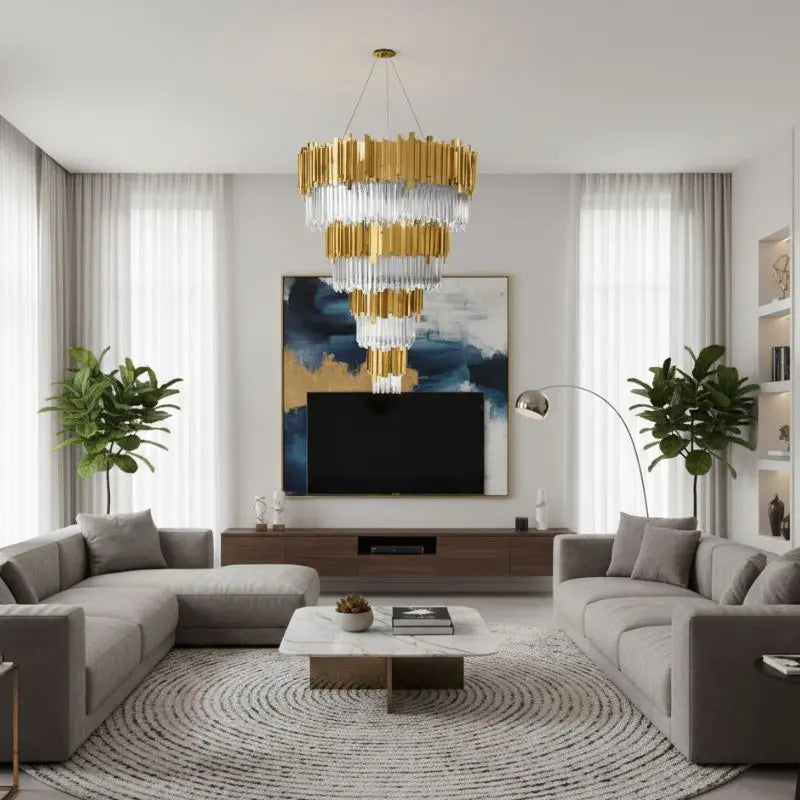
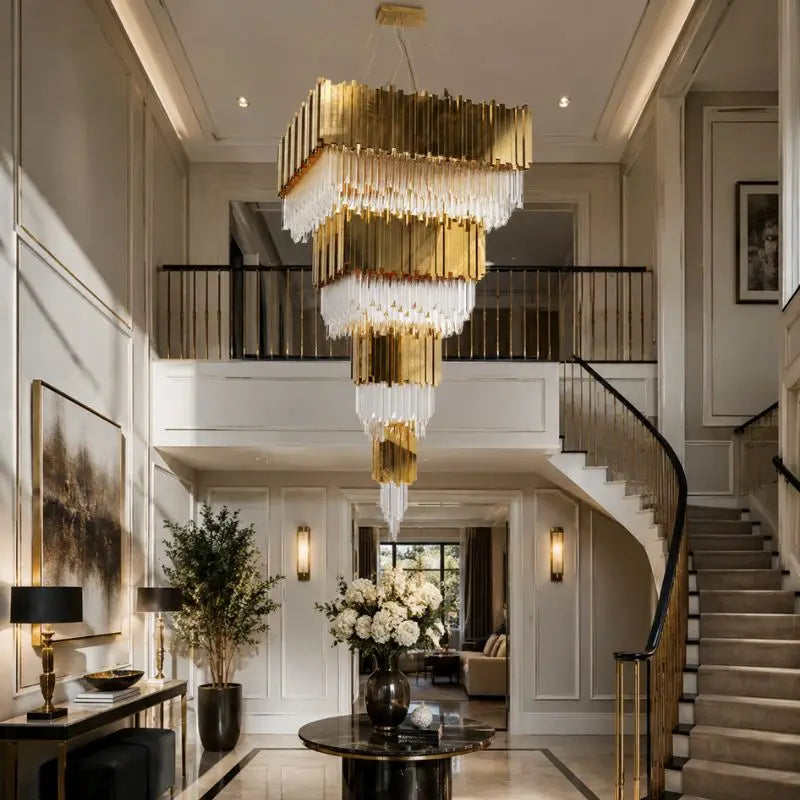
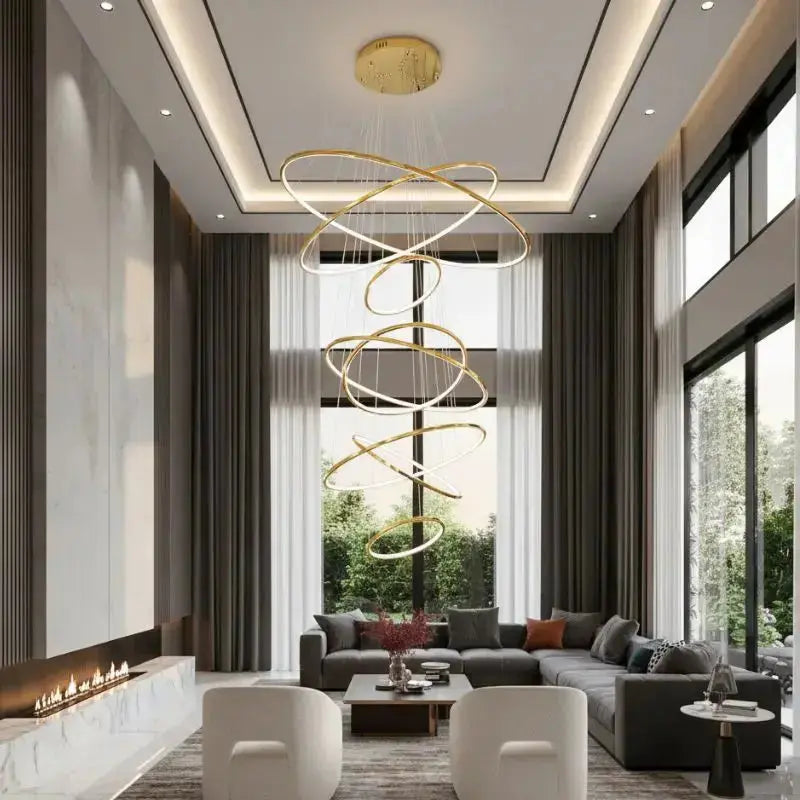
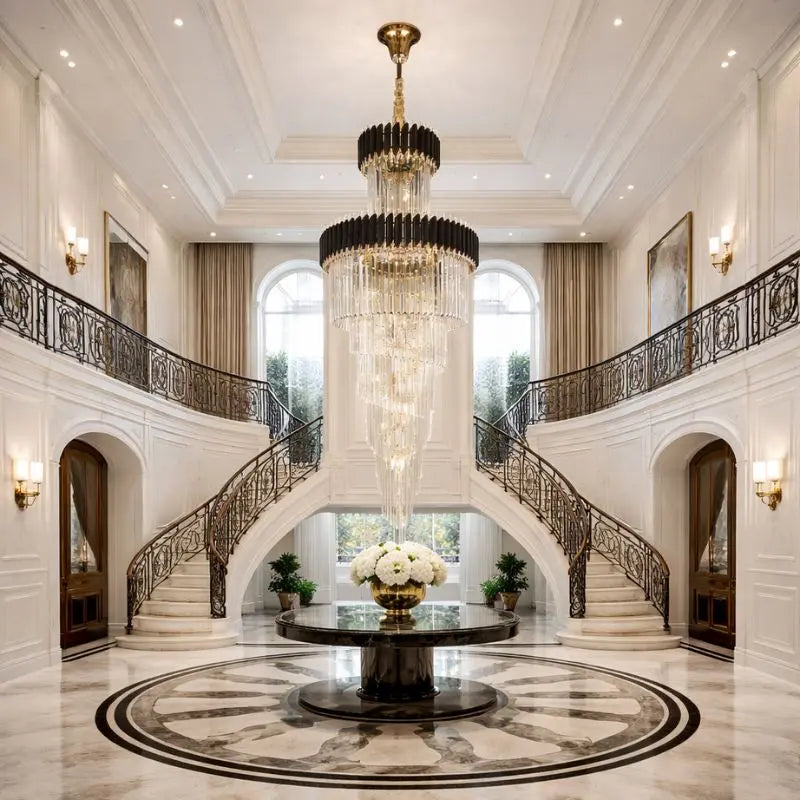
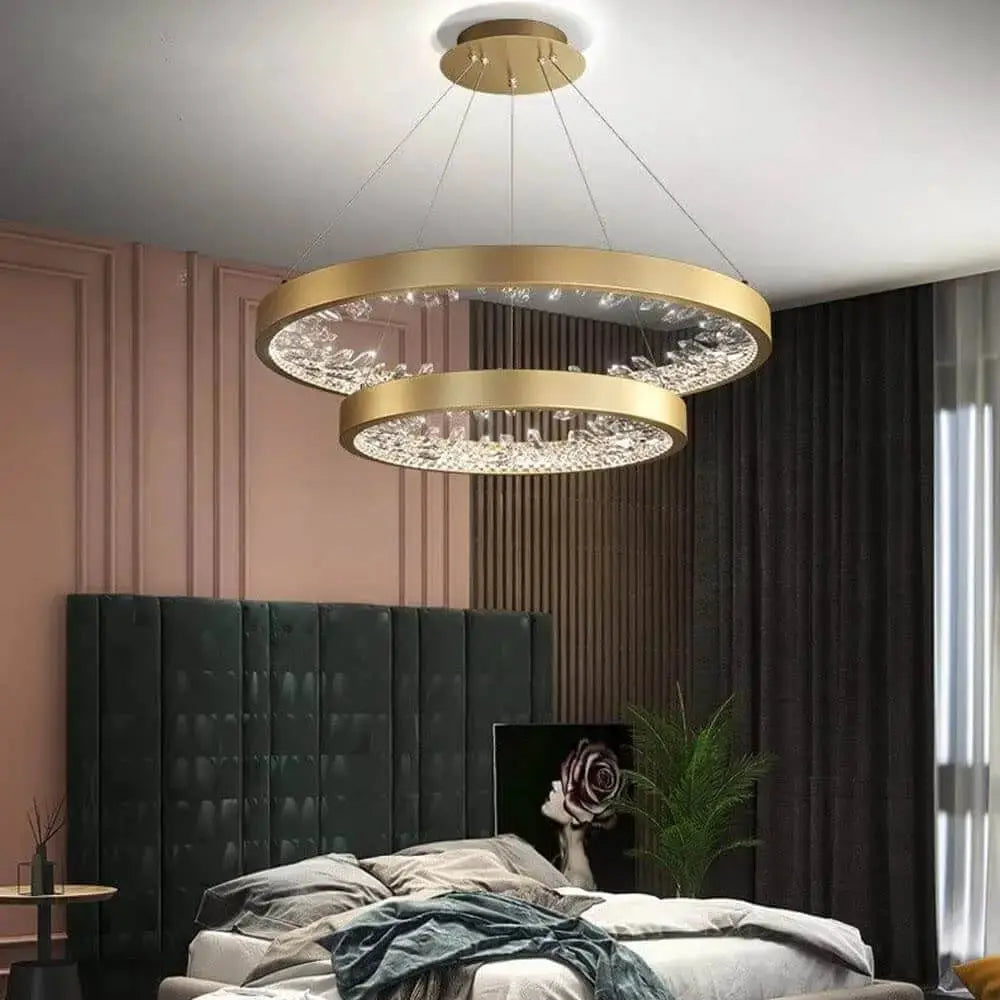
Ambient lighting is the overall illumination that allows you to move comfortably through a space. It is often delivered by a ceiling fixture, chandelier, pendant, recessed fittings or a combination of these. In a grand entrance hall, a cascading staircase chandelier may provide the visual centrepiece and much of the ambient glow. In a bedroom, a semi-flush ceiling light might offer a quieter, more relaxed foundation.
Task lighting is directed light for a particular activity. Think table lamps beside a reading chair, pendants over a kitchen island, or wall lights framing a bathroom mirror. This layer prevents you from relying on one bright overhead fitting for everything, which is one of the quickest ways to make a beautifully furnished room feel flat.
Accent lighting adds depth, drama and focus. It draws the eye towards an artwork, an architectural recess, a favourite piece of sculpture or the texture of a stone wall. Picture lights, adjustable wall lights and discreet spotlights are all useful here. Accent lighting is usually brighter at its focal point than the surrounding ambient light, but it should still feel intentional rather than theatrical.
The proportion between these layers depends on the room. A practical kitchen needs stronger task lighting than a formal sitting room, while a hallway may lean more heavily on ambient and accent light to create a memorable first impression.
Begin with the room's focal point
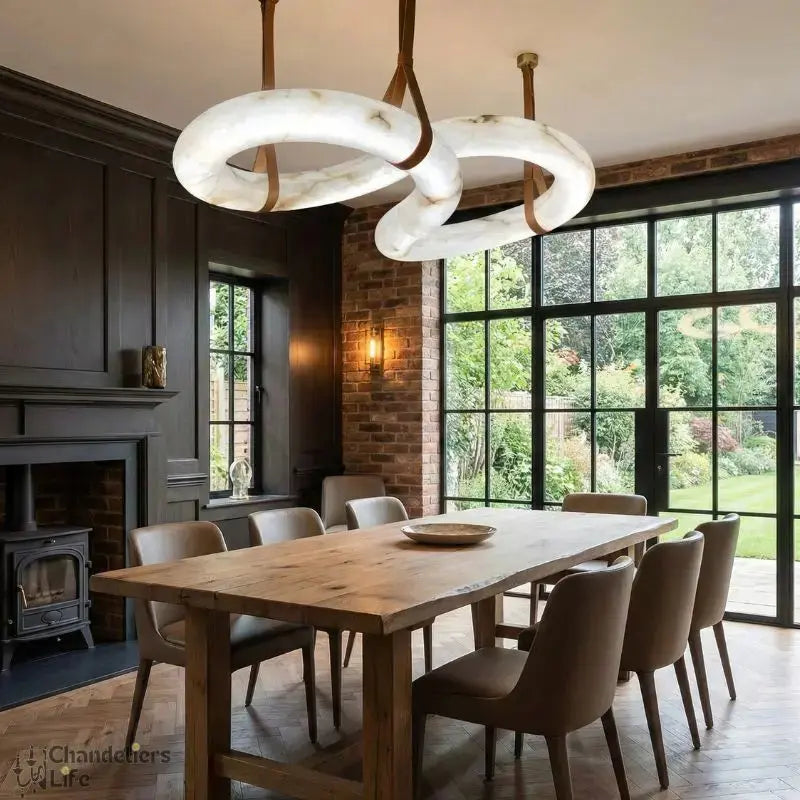
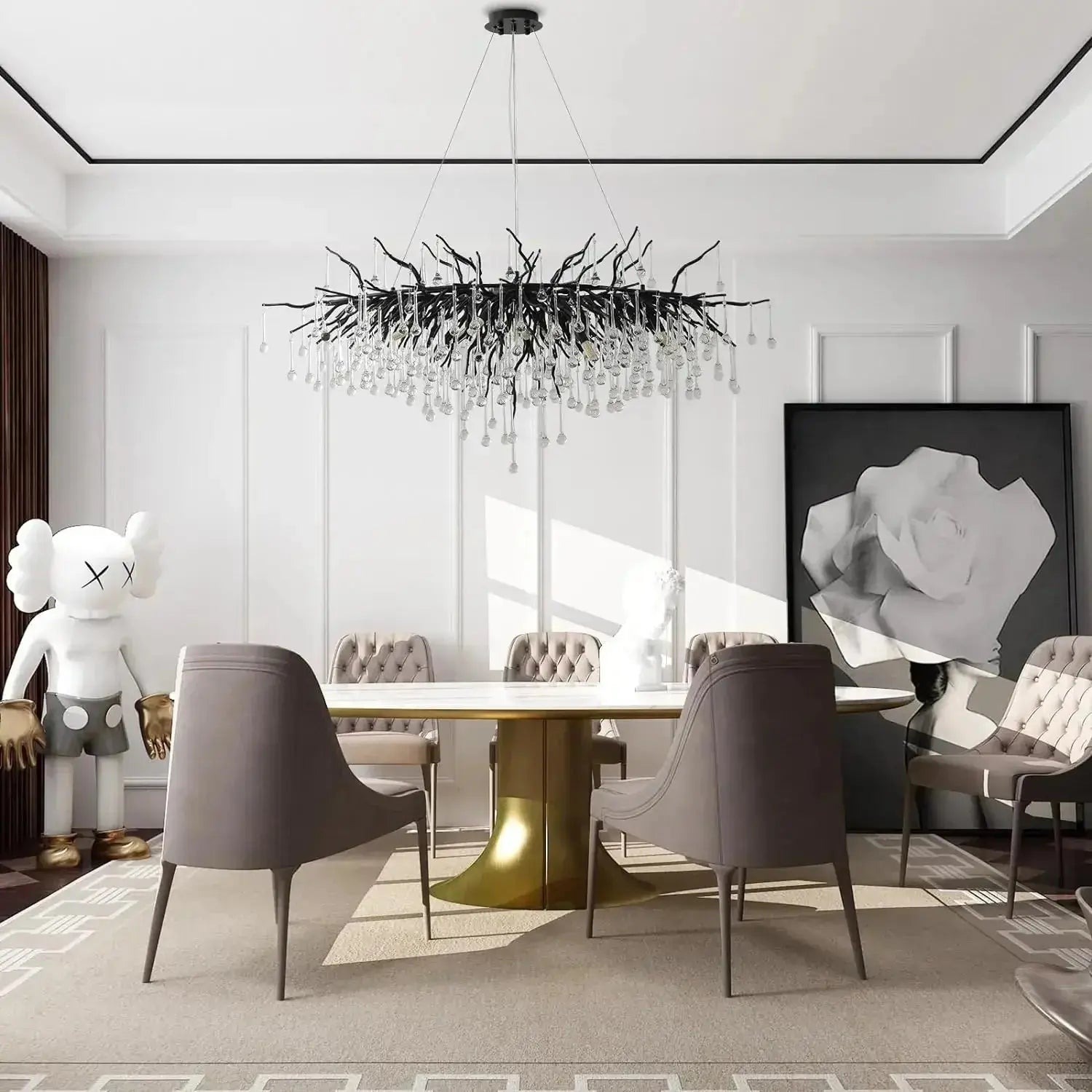
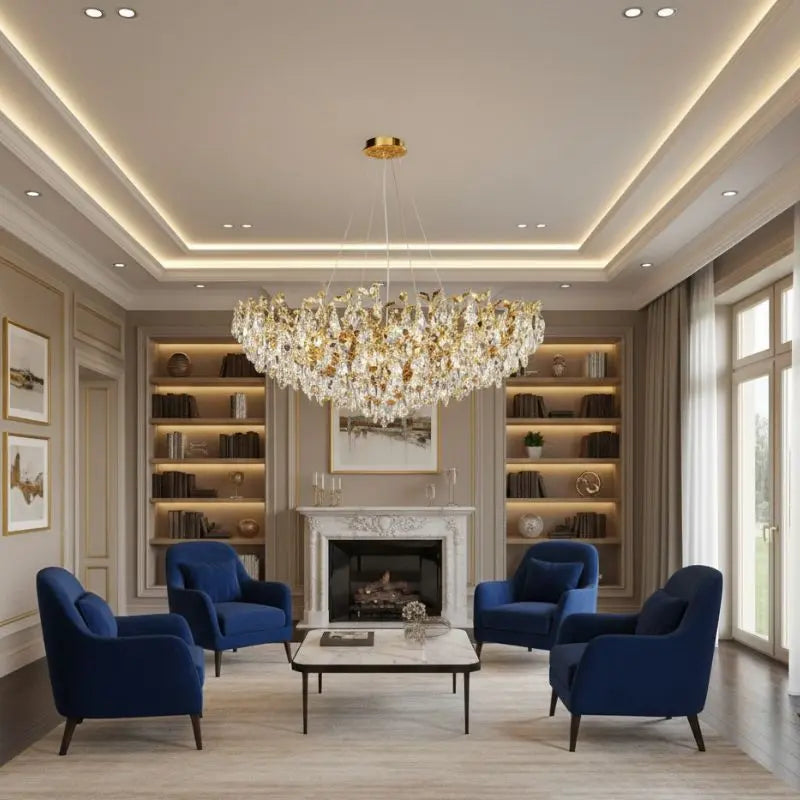
Before choosing bulbs or placing lamps, decide where the eye should settle first. In many rooms, that answer is obvious: a crystal chandelier above a dining table, an alabaster pendant in a hallway, or a sculptural ceiling fixture in the living room. In others, the focal point may be a fireplace, a piece of art or a view into the garden.
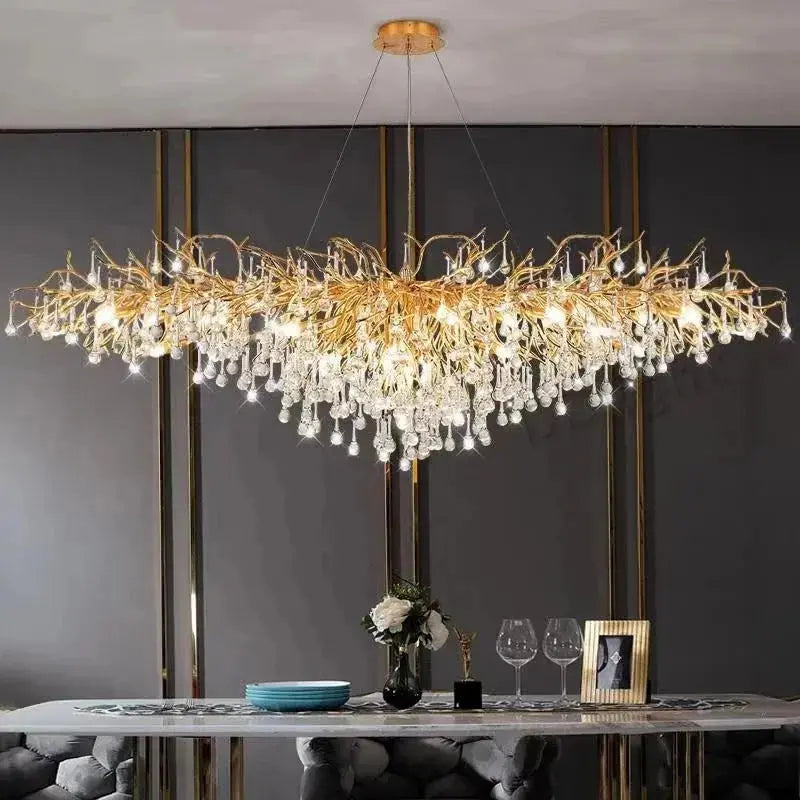
Your statement fixture should establish the mood and scale of the room, not merely fill empty ceiling space. A chandelier over a dining table should feel visually generous enough to anchor the table beneath it. One that is too small can look isolated, while an oversized design may overwhelm a compact dining area. Allow the proportions of the furniture, ceiling height and sightlines from adjoining rooms to guide the decision.
Once the decorative centrepiece is in place, build the remaining layers around it. This approach keeps the scheme cohesive. Rather than scattering unrelated fittings throughout the room, you create a visual hierarchy: a principal feature, supporting illumination and subtle details.
Let decorative fixtures do more than decorate
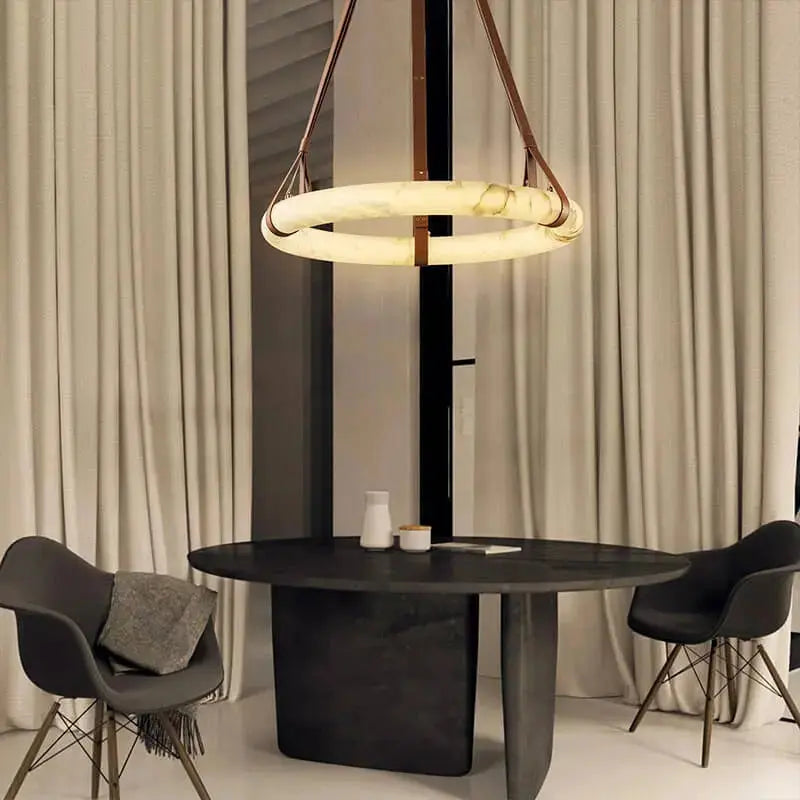
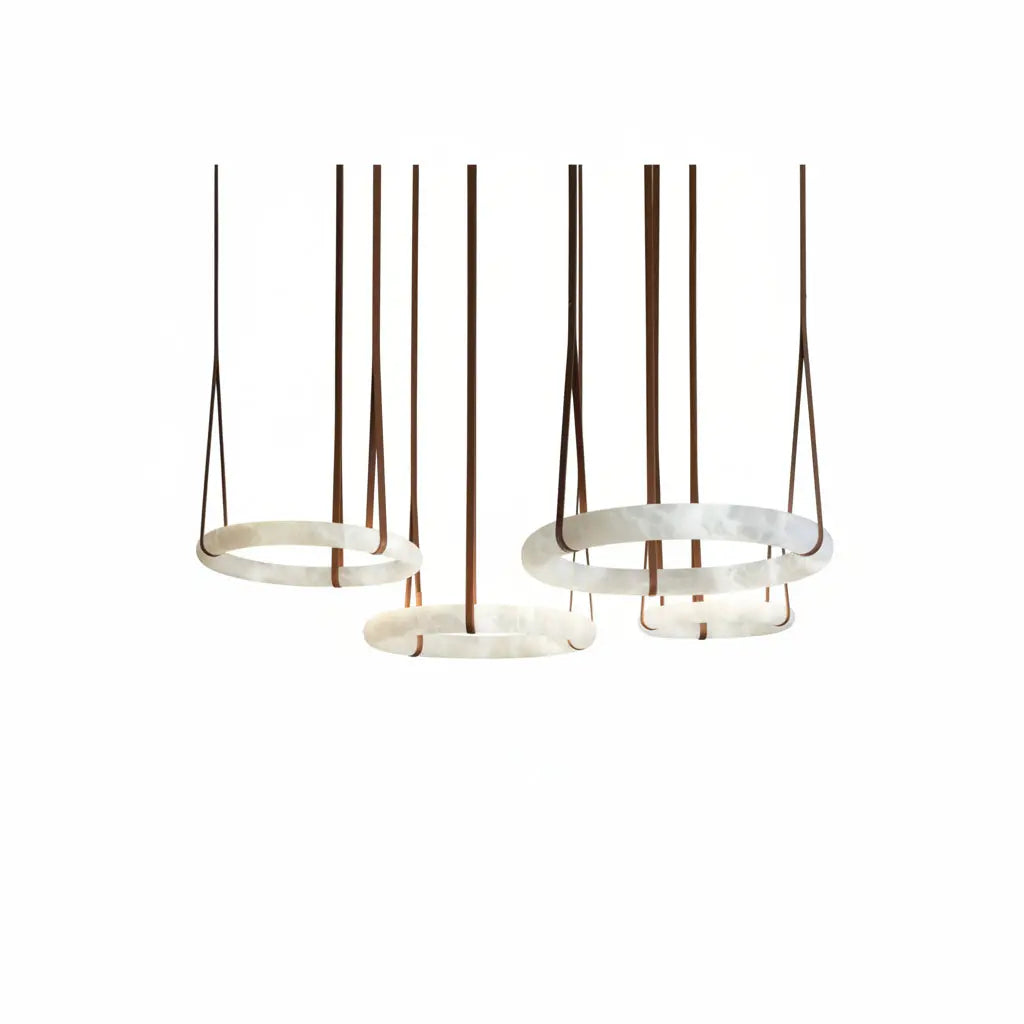
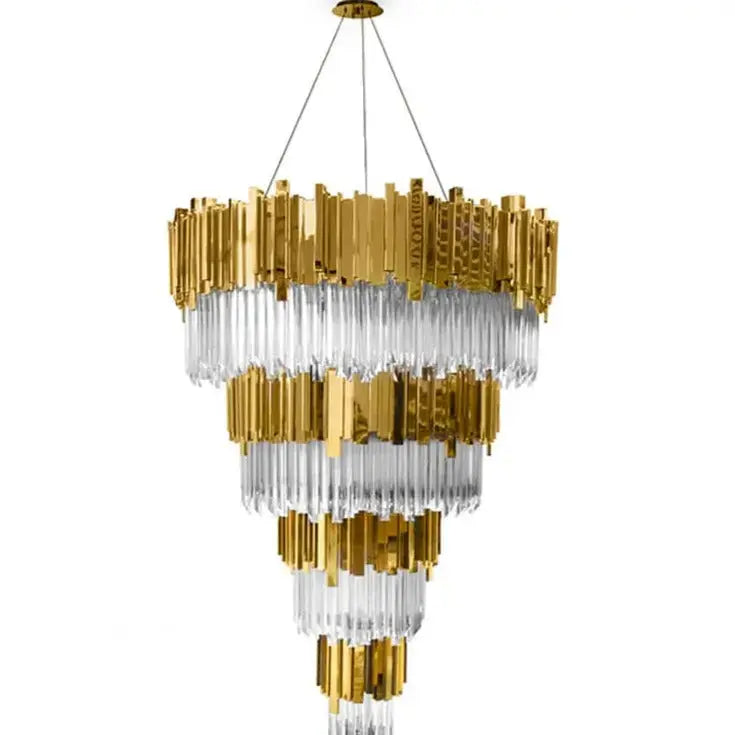
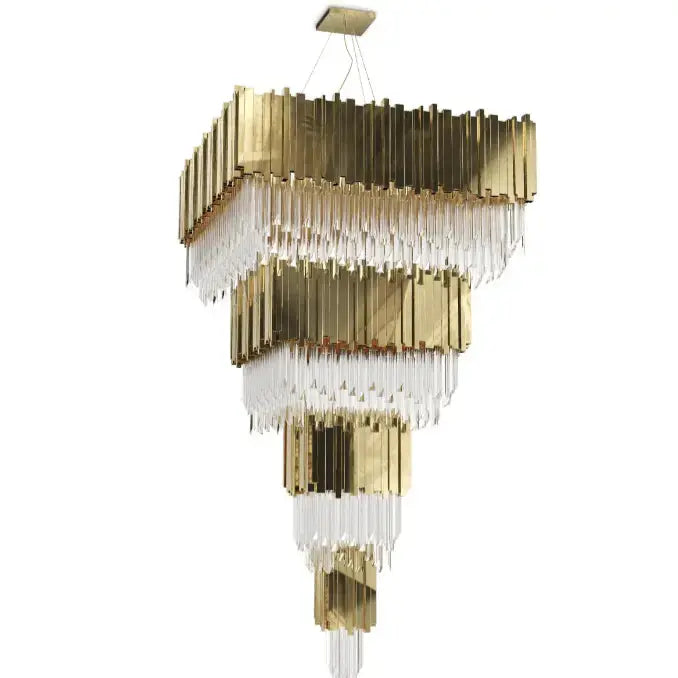
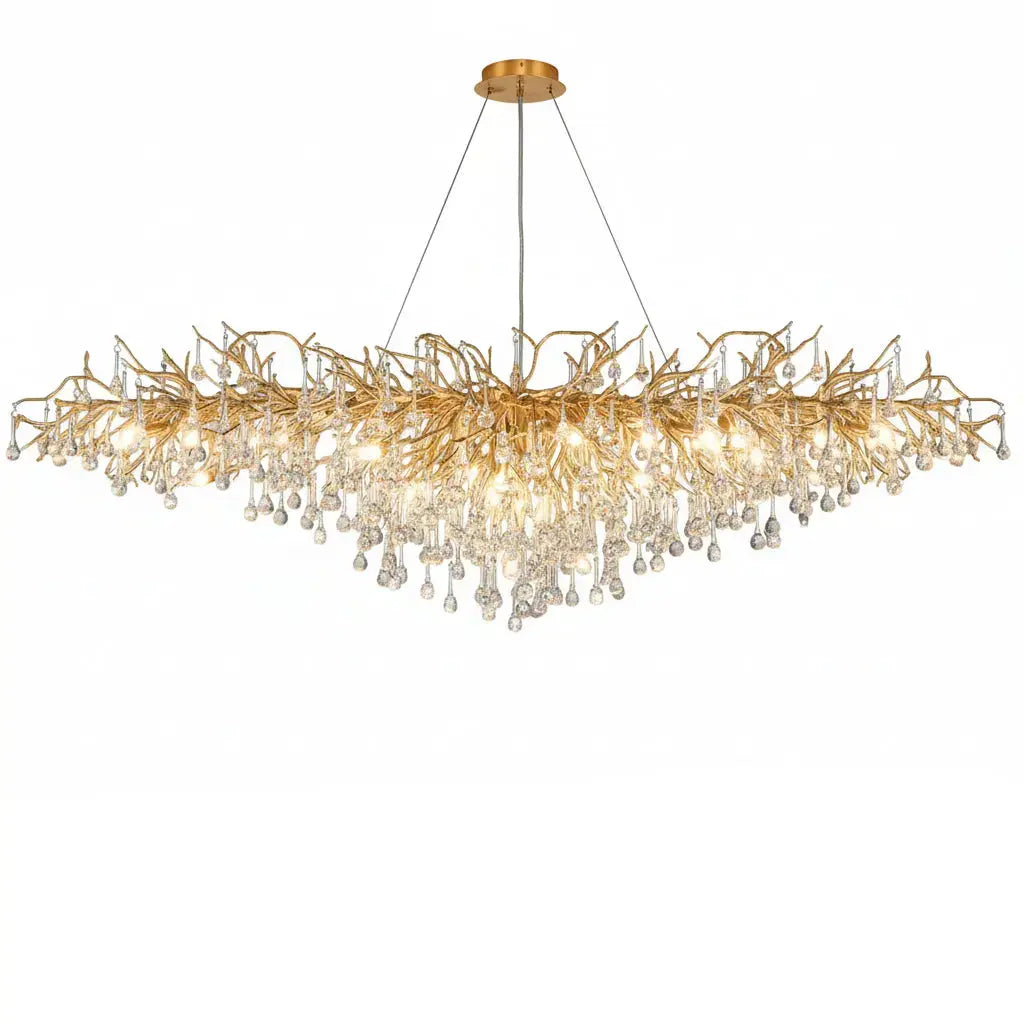
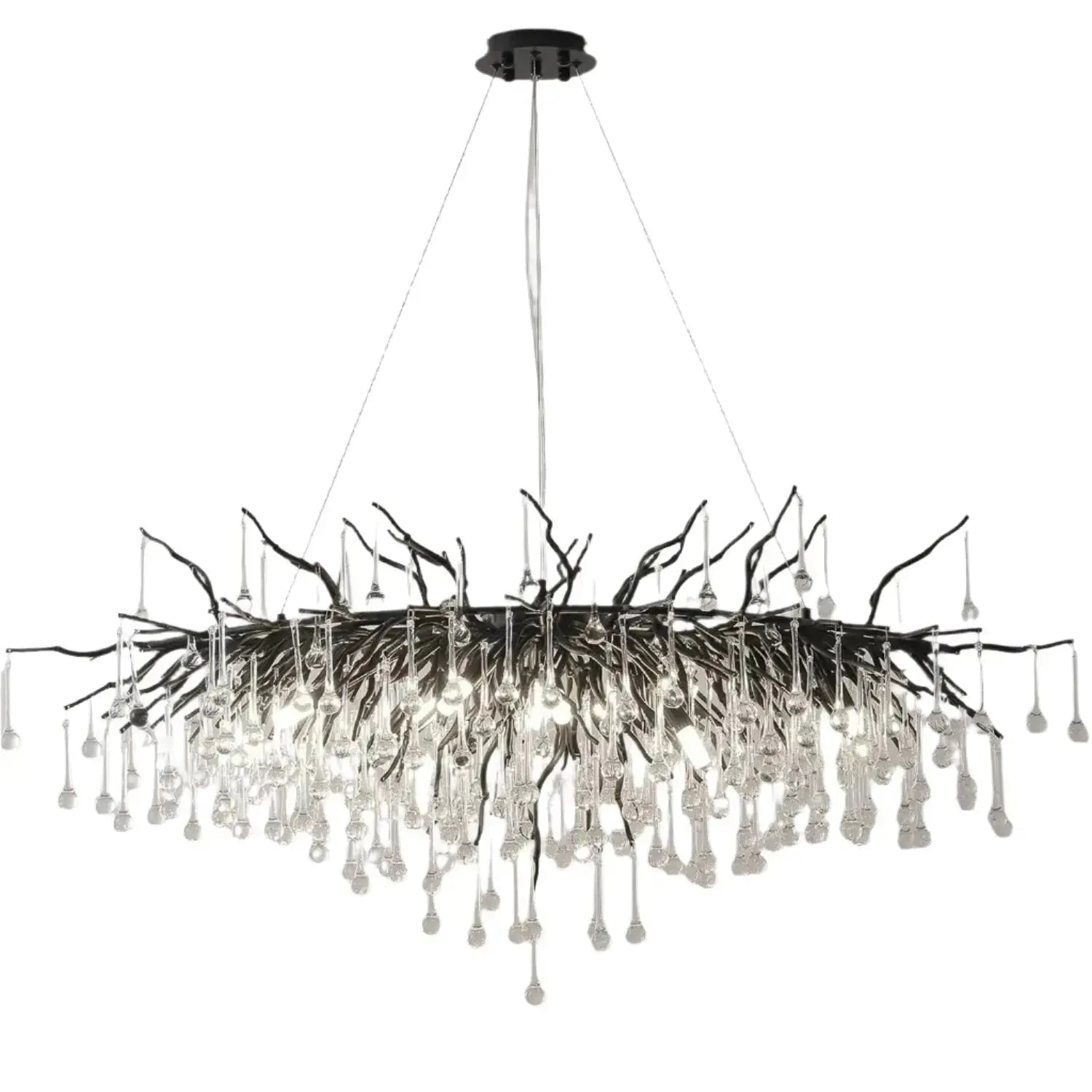
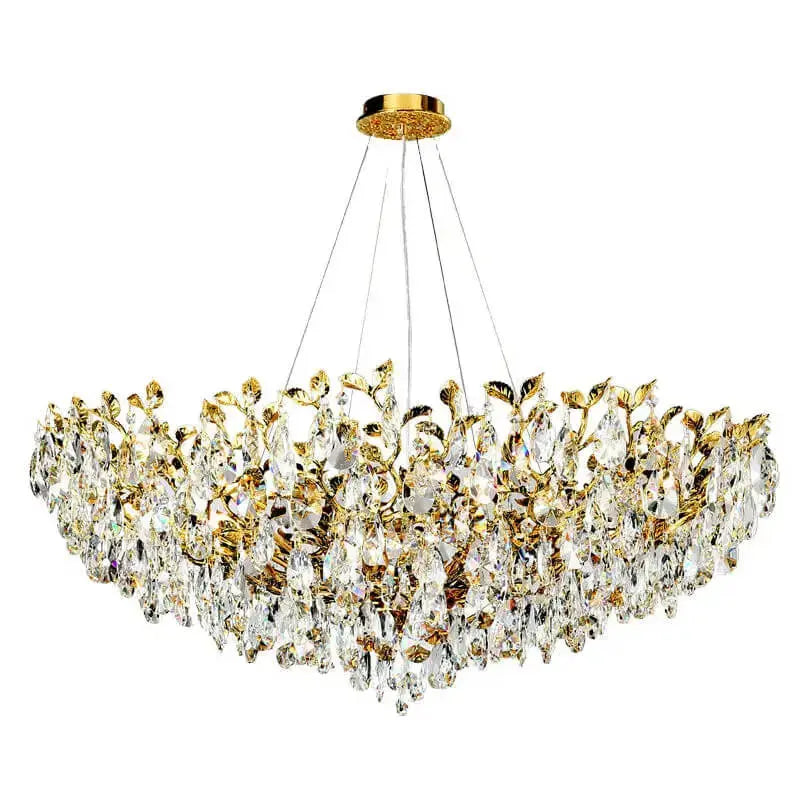
A statement light can provide ambient illumination, but its effect changes with the shade, material and bulb selection. Crystal reflects light with sparkle and movement, making it especially suited to foyers, dining rooms and formal living spaces. Alabaster softens illumination into a gentle glow, lending a serene, tailored quality to bedrooms and lounges. Metal finishes can introduce contrast and definition, particularly in contemporary interiors.
Do not expect a decorative fitting with opaque shades to illuminate every corner of a large room. Pair it with floor lamps or wall lights so the room remains inviting beyond the pool of light directly below the fixture.
Build a comfortable ambient foundation
The first layer should make a room usable, but not overlit. A single central fitting is often enough in a small bedroom or entrance, whereas an open-plan living and dining space may need several ambient sources operating together.
Use wall lights to broaden the glow at eye level, especially in rooms with high ceilings. They reduce the contrast between a bright chandelier and shadowed walls, making the architecture feel more considered. In a living room, a pair of wall lights can also frame a fireplace or sofa arrangement with understated symmetry.
For flexibility, place ambient lights on dimmers wherever possible. Dimming is not simply a finishing touch. It lets the same room shift from practical morning brightness to a softer evening setting without changing the entire scheme. Ensure that the bulbs and fittings are compatible with your chosen dimmer, as poor compatibility can cause flickering or an uneven fade.
Add task lighting where life actually happens
Task lighting should follow daily routines rather than a rigid floor plan. Consider where you read, prepare food, work, apply make-up, play cards or simply sit with a drink in the evening. These are the places that deserve dedicated illumination.
In a kitchen, pendants above an island provide both task light and decorative presence. Their height matters: too high and the worktop is poorly lit; too low and they interrupt views across the room. As a general visual rule, leave clear sightlines between people standing or seated around the island, while keeping the light close enough to serve the surface below.
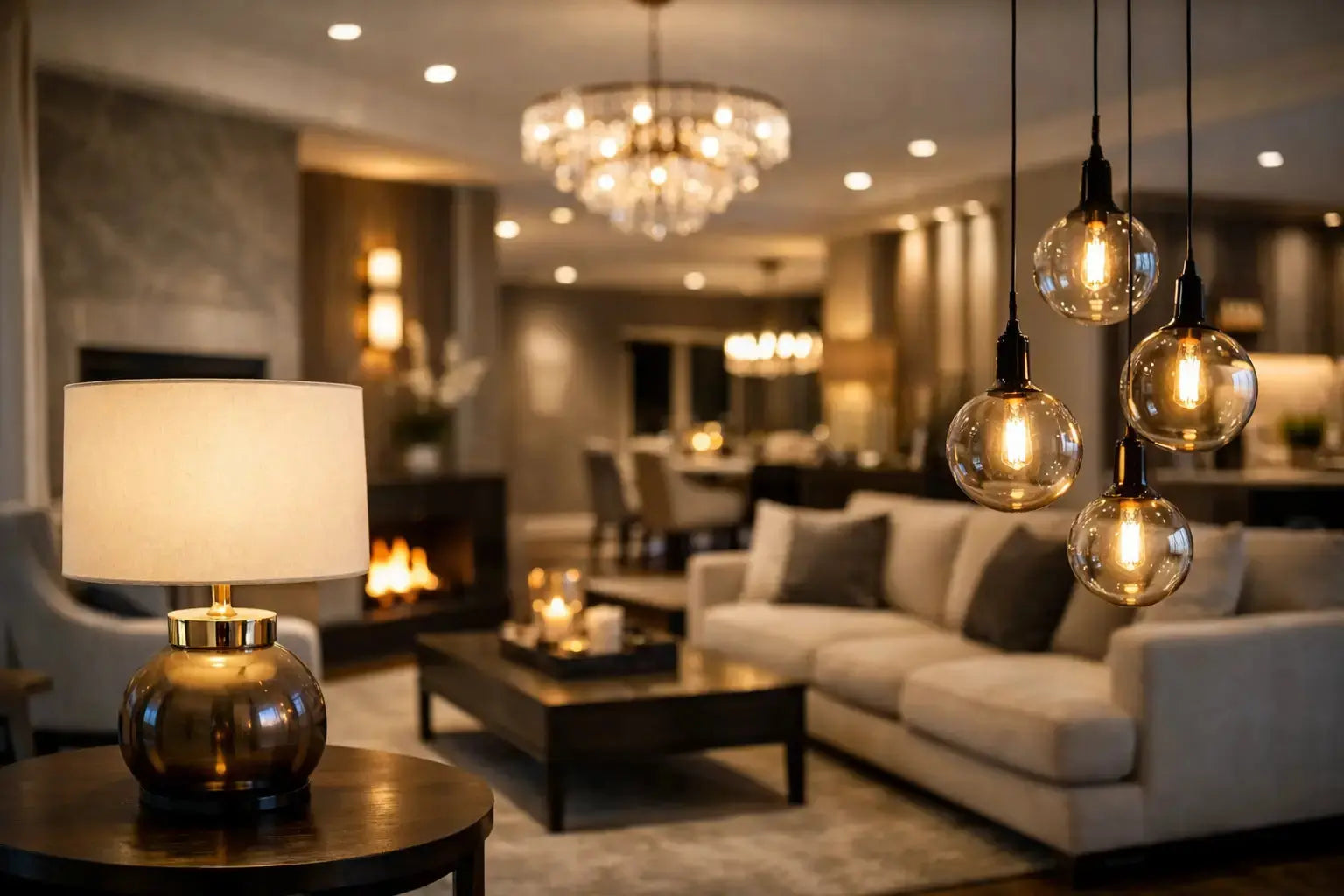
In a sitting room, table lamps create intimate pools of light on side tables, while a floor lamp can make a reading corner feel purposeful. Avoid placing every lamp at the same height. A mix of low table lamps, medium-height wall lights and a taller floor lamp gives the room a more layered silhouette.
Bedrooms benefit from bedside wall lights or table lamps that are easy to reach from the bed. Wall-mounted options free up bedside-table space and can look particularly refined in compact rooms. Choose shades or diffusers that prevent glare when you are reclining.
Use accent lighting to give surfaces and details presence
Accent lighting is where a scheme gains its sense of depth. It brings otherwise overlooked features into view and helps the room feel composed after dark. A directional wall light can highlight a painting; a discreet uplight can reveal the grain of a timber beam; an exterior wall fitting can make a terrace feel like an extension of the interior.
Be selective. Too many competing accents create visual noise, particularly in rooms already led by an ornate chandelier or richly veined stone. Choose one or two features that are genuinely worth highlighting, then let the rest of the room recede gracefully.
In halls and staircases, accent lighting also improves wayfinding. Wall lights along a staircase can create a safer route while adding rhythm to a tall vertical space. A chandelier above the stairwell then becomes even more dramatic because the surrounding walls are gently illuminated rather than disappearing into darkness.
Choose bulb warmth and controls with care
The finish of a fitting matters, but the quality of light matters just as much. For living rooms, bedrooms and dining spaces, warm white light generally creates the most flattering and relaxed atmosphere. Kitchens, dressing areas and utility spaces can tolerate a slightly cooler white when clarity is the priority.
Colour temperature is only part of the decision. Consider brightness, beam direction and shade material. A clear bulb can add sparkle to crystal and open-frame chandeliers, while frosted bulbs soften the view of the light source. In exposed-bulb designs, decorative filament bulbs can enhance the fixture's character, although they may not supply enough light on their own in a large room.
Controls deserve the same attention as fixtures. Separate switches for the chandelier, wall lights and lamps allow you to tailor the mood. Smart bulbs and dimmers can be useful, but simplicity has value too. A beautifully layered scheme should be easy for guests and family to use, not dependent on a complicated routine.
Layer lighting room by room, not fixture by fixture
The most successful homes do not repeat the exact same formula in every room. A dining room may centre on a chandelier, supporting wall lights and a sideboard lamp. A kitchen may combine practical ceiling lighting, island pendants and under-cabinet illumination. A bedroom can be quieter, with a soft ceiling glow, bedside task lights and one accent source for texture or art.
For exterior living spaces, apply the same principle. Begin with a welcoming ambient layer at doors and covered seating areas, add task lighting near an outdoor dining table or cooking zone, then use subtle accent lighting for planting, pathways or a feature wall. The goal is enough visibility for comfort and safety without washing the garden in harsh brightness.
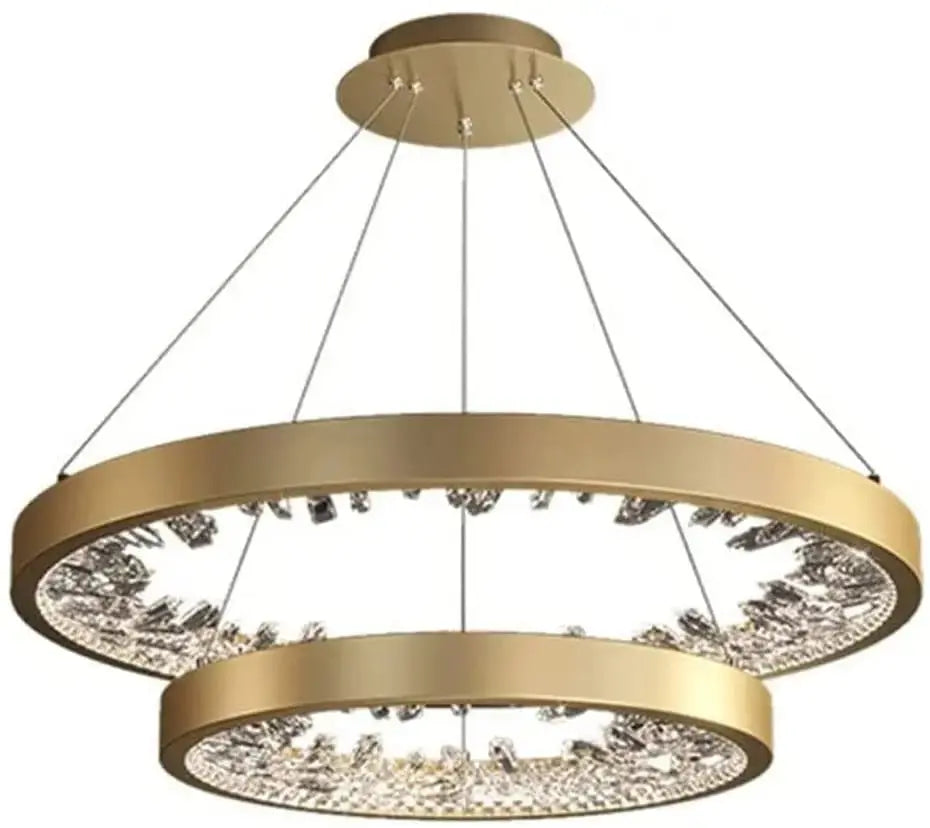
When selecting pieces, look for a connection in finish, form or material rather than matching every fitting exactly. A modern brass chandelier can sit beautifully with simpler brass wall lights, while an alabaster pendant may be echoed through warm, softly diffused lamps elsewhere in the home. This creates continuity while allowing each room its own personality.
The final test comes after sunset. Turn on each layer separately, then together, and notice where shadows feel too heavy, glare feels distracting or a favourite corner disappears. The most luxurious lighting schemes are rarely the brightest. They are the ones that make every moment at home feel beautifully placed.