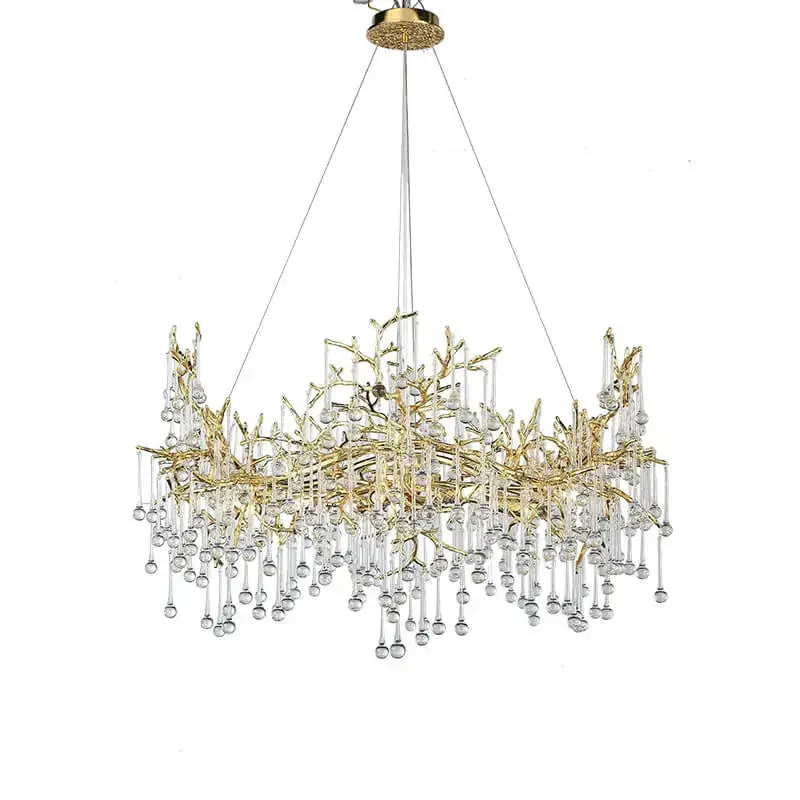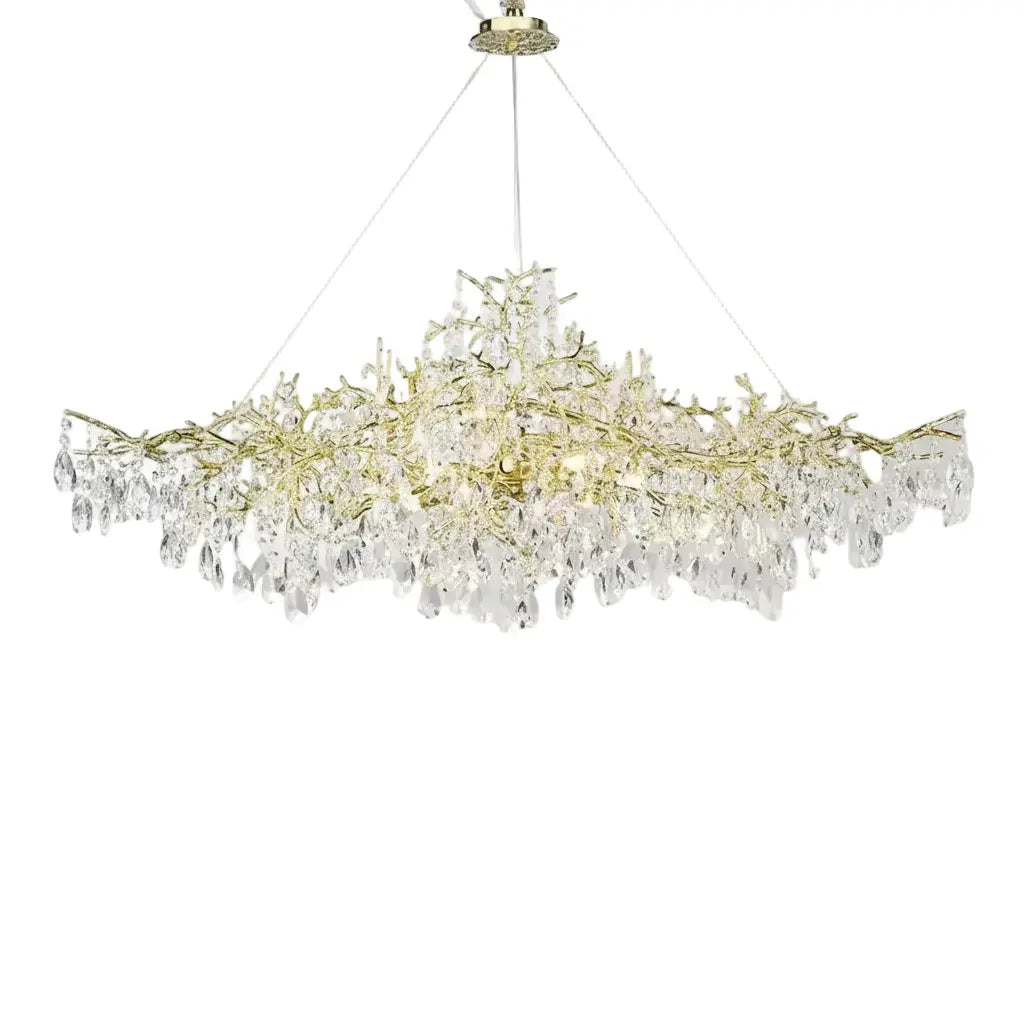
A crystal chandelier earns its place as the focal point of a room by catching and scattering light in a way no ordinary ceiling fixture can. But dust, cooking residue and everyday airborne particles gradually soften that brilliance. Knowing how to clean crystal chandeliers properly protects both their exquisite finish and the dramatic illumination that makes a foyer, dining room or living space feel complete.
Before You Clean a Crystal Chandelier
The most beautiful result begins with preparation, not polish. Switch the chandelier off at the wall and isolate the circuit at the consumer unit if possible. Leave the bulbs and metal frame to cool completely before touching the fixture. Water and electricity are not a combination to take lightly, particularly with a large statement chandelier suspended above a staircase or dining table.
Clear the area beneath the fitting, then protect the floor or table with a thick blanket, dust sheet or padded towels. Crystal pieces can chip if dropped, and even a small pendant can cause damage on a hard surface. If your chandelier is positioned high above a stairwell, has a very wide frame or feels unstable, professional cleaning is the more sensible choice. Luxury lighting deserves careful handling, not a risky stretch from the top rung of a ladder.
Use a sturdy step ladder on level ground and ask another adult to stay nearby. They can steady the ladder, pass materials up and help if detachable crystals need to be removed. Avoid leaning on chandelier arms or pulling the frame towards you. A fixture may look substantial, but its decorative arms and wire connections are not designed to bear your weight.
Before beginning, take several photographs from different angles. They are invaluable if you remove pendants, chains or decorative elements and need to recreate the original arrangement.
Choose the Right Cleaning Method
There is no single answer to how to clean crystal chandeliers because the right approach depends on the fixture’s construction, age and level of soiling. A modern chandelier with secure, removable crystal drops can tolerate more detailed cleaning than an antique fitting with delicate wiring, aged metalwork or hand-tied prisms.
For routine care, clean the crystals while they remain in place. This is the lowest-risk method and usually all that is needed when the chandelier looks lightly dusty rather than greasy. Wear clean white cotton gloves or lint-free microfibre gloves. Gently hold each crystal in one hand while wiping it with a dry microfibre cloth in the other. Supporting the piece prevents unnecessary strain on hooks, pins and chains.
If the room is near a kitchen, fireplace or entrance hall, dust may cling to a light film of grease or pollution. In that case, use a lightly damp cloth rather than soaking the fixture. Mix a small amount of mild washing-up liquid with warm water, dampen one cloth, then wring it out until it is almost dry. Wipe each crystal carefully, followed immediately by a second, dry lint-free cloth.
Never spray cleaner directly onto a chandelier. Liquid can travel along the frame into bulb holders, electrical connections and ceiling fittings. It can also leave drips on metal finishes and make the floor hazardous beneath the fixture.
When to Remove Crystal Drops
Removing crystals is worthwhile only when the chandelier has accumulated stubborn residue or when individual pendants have lost their clarity. It also makes sense for designs with straightforward, secure hooks and a manageable number of drops.
Work in small sections and lay each piece on a padded towel in the order it was removed. Keep similar shapes together. If a chandelier has dozens of graduated pendants, label sections with small paper notes rather than relying on memory. Avoid removing every crystal at once unless you have a clear diagram and ample protected space.
Wash removable crystal pieces in a bowl of lukewarm water with a few drops of mild washing-up liquid. Do not use hot water, which can be hard on older fittings or glued components. Rinse gently in clean water, then place the pieces on a soft towel and pat dry. Allow them to dry fully before rehanging them, as residual moisture can mark the metal hooks or attract dust.
Clean the Frame Without Damaging the Finish
Crystal may take centre stage, but the frame is part of the chandelier’s visual character. Whether it is polished chrome, brushed brass, antique bronze or a contemporary black finish, it needs a gentler approach than household metal polish.
Start with a dry, soft brush or microfibre cloth to lift dust from arms, sockets, chains and decorative details. A clean artist’s brush is useful for narrow grooves and ornate castings. For marks that remain, use a barely damp cloth with plain water, then dry the surface straight away.
Avoid abrasive pads, harsh degreasers, vinegar solutions and metal polishes unless the manufacturer specifically approves them. Acidic or abrasive products can dull lacquered brass, cloud plated finishes and remove the refined patina that gives a traditional chandelier its timeless elegance. The same caution applies to painted frames, marble details, alabaster elements and fabric shades.
Bulbs, Candle Covers and Electrical Details
Once the crystals and frame are clean, wipe cool bulbs with a dry cloth. Dust on bulbs can reduce light output and make a freshly cleaned chandelier appear less radiant than it should. Replace any failed bulbs with the correct type and wattage for the fitting.
Inspect candle covers for yellowing, cracks or warping. These small components make a noticeable difference to the finished look of a classic crystal chandelier. If bulb holders appear loose, wiring is exposed, or the chandelier flickers after cleaning, stop using it and arrange for a qualified electrician to inspect it.
Common Mistakes That Dull the Sparkle
The quickest cleaning shortcuts are often the ones that create the most work later. Glass cleaner may seem appropriate, but it can leave residue, affect metal finishes and seep into electrical areas. Similarly, cleaning sprays designed for chandeliers are not automatically suitable for every material or construction.
Do not twist crystal pendants to clean behind them. This can weaken hooks and loosen wire-wrapped details. Do not use paper towels, either, as they can shed fibres and leave a surprisingly visible haze on faceted crystal. A good-quality microfibre cloth is a small investment that keeps every prism clear and lint-free.
It is also tempting to clean only the front-facing crystals. Yet the rear and upper sections collect the most dust, and uneven cleaning becomes obvious as soon as the chandelier is switched on. Work methodically around the fixture, from the highest section downwards.
How Often Should You Clean a Crystal Chandelier?
A light dusting every two to four weeks keeps maintenance easy and prevents build-up. A more thorough wipe-down is usually needed every six to twelve months. The interval depends on where the chandelier hangs: a dining room near cooking activity may need attention more often than a formal foyer with little daily traffic.
For a home with pets, open fires, frequent entertaining or renovation work nearby, inspect the chandelier more regularly. Fine dust is especially noticeable on clear crystal because it interrupts the crisp reflections that give the fixture its luxurious presence.
Keep the Brilliance Between Cleans
The best care routine is quiet and consistent. Use a feather-soft microfibre duster with a long handle for occasional surface dusting, but only when the chandelier is switched off and fully cool. Keep windows closed during nearby sanding or decorating projects, and cover the fixture loosely if major work is taking place in the room.
A crystal chandelier should never feel like a fragile ornament that cannot be enjoyed. With patient handling and the right materials, it remains a luminous design statement for years. When its facets are clean and its light is clear, the entire room feels more polished - exactly the kind of lasting elegance a beautifully chosen chandelier is meant to bring.