A lamp base can be beautifully made and still feel unfinished when its shade is undersized, too stark or simply the wrong shape. This guide to choosing lamp shades is designed to make that decision feel far more considered: a shade should soften the glow, honour the proportions of the lamp and add another layer of texture to the room.
For a refined interior, the shade is never an afterthought. It controls the character of the light just as much as the base itself. The right pairing can make a sculptural marble lamp feel quietly architectural, give a crystal base a warmer presence, or allow a statement lamp to sit elegantly within a layered living room scheme.
Begin with proportion, not pattern
The most expensive fabric or elaborate trim cannot rescue a shade that is out of scale. Before considering colour and material, look at the lamp as a whole and the surface it will live on. A petite bedside lamp needs a shade with restraint; a generous floor lamp in a lounge can carry a more substantial silhouette.
As a useful starting point, the widest part of a table lamp shade is often close to the height of the base, excluding the bulb fitting. The shade should generally be wider than the base itself, so it does not make the lamp look top-heavy. When seated nearby, the bottom edge should sit around eye level, helping to shield the bulb without blocking useful light.
For floor lamps, the relationship to furniture matters even more. A reading lamp beside an armchair should cast light down towards the pages without exposing the bulb. A decorative floor lamp positioned behind a sofa may wear a larger, more sculptural shade because its role is as much about atmosphere as task lighting.
Take four measurements before you buy
A tape measure and a quick check of the bulb fitting will avoid the most common mistakes. Record:
- the lamp base height, from the bottom to the top of the holder
- the base width at its widest point
- the desired shade diameter and height
- the fitting type, such as a European fitter, clip-on or uno fitting
Choose a shade shape that echoes the room
Shade shapes change the visual language of a lamp. A drum shade has clean, vertical sides and a contemporary, tailored effect. It works particularly well with cylindrical, geometric or modern bases, and its even distribution of light makes it a dependable choice for living rooms and bedrooms.
A tapered empire shade is narrower at the top and wider at the bottom. Its familiar silhouette brings softness to traditional, transitional and classic interiors, especially when paired with ceramic, glass or ornate metal bases. It is also a forgiving choice for bases that widen towards the bottom because it mirrors their shape rather than fighting against it.
For lamps with a strong sculptural profile, consider contrast with care. A crisp drum shade can bring modern balance to a detailed crystal or carved base. Conversely, a gently tapered shade can relax the sharp lines of a contemporary marble-inspired design. The aim is not to make every element match, but to create a pairing that feels intentional.
Square and rectangular shades deserve attention too. They suit angular bases and furniture with defined lines, such as a console with a slim metal frame or a structured bedside cabinet. They can be especially effective in pairs, where their geometry creates a composed, hotel-inspired finish.
Let the material determine the mood
Fabric is where function and atmosphere meet. Linen and linen-look shades offer a relaxed, textured finish and produce a flattering, gently diffused light. They are particularly lovely in bedrooms, sitting rooms and spaces that need warmth without visual heaviness. Natural variation in the weave adds depth, even to a neutral scheme.
Cotton tends to give a clean, classic appearance and works across many design styles. A tightly woven cotton shade creates a more controlled pool of light, while a looser weave lets more glow through the sides. Silk and pleated textiles lend a distinctly decorative note, ideal for a formal lounge, elegant bedroom or entryway where the lamp is intended to be noticed.
Paper, parchment-effect and rattan-inspired shades provide a lighter, more organic look. Their appeal lies in their texture and the soft shadows they cast, though they may be less suited to a room where you need bright, precise illumination. Glass or metal shades can feel more dramatic and architectural, but they often direct rather than diffuse light. That can be ideal above a reading corner or within an industrial-inspired scheme, yet less forgiving beside a bed.
Consider the colour when the lamp is switched on
A white or ivory shade offers the clearest light and a timeless elegance that works in almost any room. It is a natural choice where you read, work or dress, especially when paired with a warm-white bulb. However, white is not the only route to a luminous room. Oatmeal, sand, soft grey and warm taupe shades bring more depth while retaining a gentle glow.
Darker shades create intimacy. Charcoal, deep green, navy or black can make a lamp feel like a piece of furniture rather than a purely functional object. They are striking in a moody lounge, library-inspired study or bedroom with layered textiles. The trade-off is that they allow less ambient light through, often directing more illumination downwards and upwards.
A coloured lining offers another sophisticated option. Gold or champagne interiors warm the light and flatter brass, crystal and alabaster-inspired finishes. A white lining maximises brightness, while a darker lining makes the lamp more atmospheric. If the shade has a bold outer colour, test the effect mentally at night as well as in daylight: its true personality appears when illuminated.
Match the shade to the lamp's purpose
The best guide to choosing lamp shades begins with a simple question: what must this lamp do after dark? A bedside lamp needs enough downward light for reading, but should not glare across the room. A semi-opaque linen or cotton drum shade often gives the right balance, especially with a dimmable bulb.
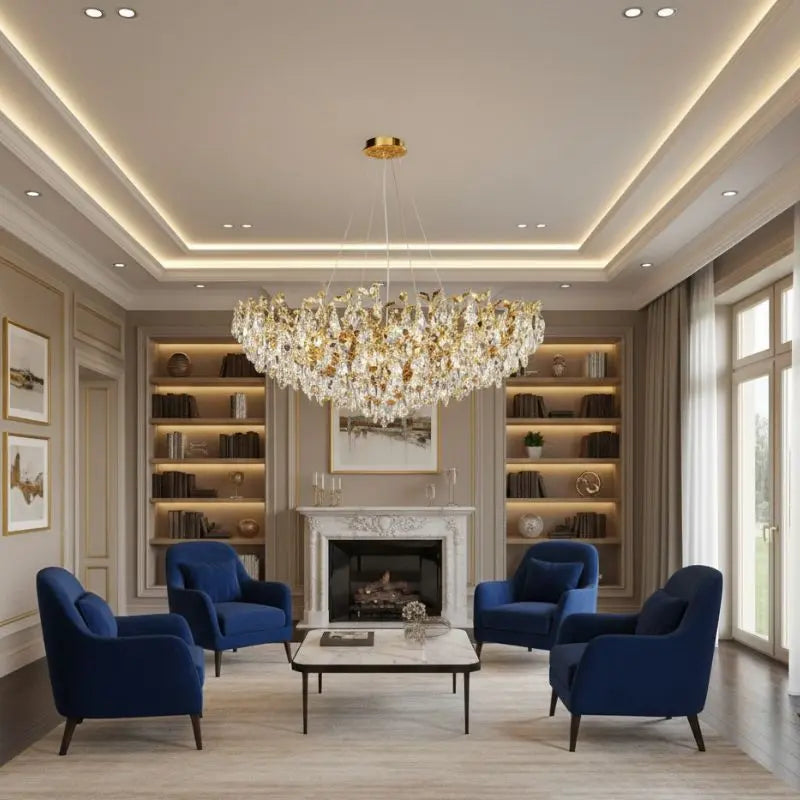
For a console table or sideboard, the lamp can be more decorative. Choose a shade with texture, subtle colour or a pleasing silhouette that complements nearby artwork, mirrors and statement ceiling lighting. Here, ambient glow matters more than concentrated brightness.
In a home office, task performance takes priority. Select a paler shade with a wider lower opening so light reaches the desk surface. In a dining room, lamps on a sideboard should support the mood without competing with a chandelier or pendant. Shades in soft neutrals, rich linen or understated pleats help create a layered luxury effect without stealing the centre of attention.
Do not overlook the bulb and hardware
A lampshade is only as successful as the light source inside it. Choose an LED bulb with a warm-white colour temperature for most residential spaces, generally around 2700K. It gives fabrics, timber, brass and stone a welcoming tone. Cooler bulbs can make ivory shades look clinical and reduce the warmth of an otherwise luxurious interior.
Check the bulb's shape and height too. It should not protrude above the top of the shade or sit so low that the lamp loses its useful spread of light. A visible bulb can work with deliberately open or industrial designs, but for a polished traditional or contemporary-luxury look, concealment is usually more elegant.
Finally, inspect the harp, finial and fitting. A beautiful shade that sits crookedly is immediately distracting. The finial can be a small but meaningful finishing touch: choose a simple metal form for a modern lamp, or a crystal-like detail to complement a more decorative base.
A well-chosen shade does more than complete a lamp. It turns a practical light source into a considered part of the room's architecture, bringing softness to hard finishes, balance to bold furniture and a welcoming glow to the moments spent at home.