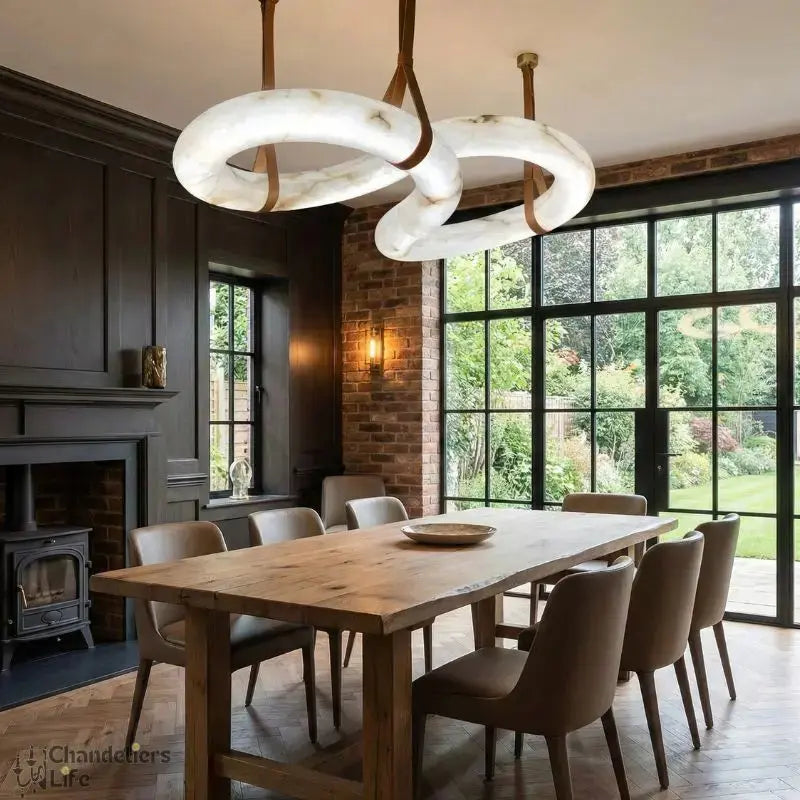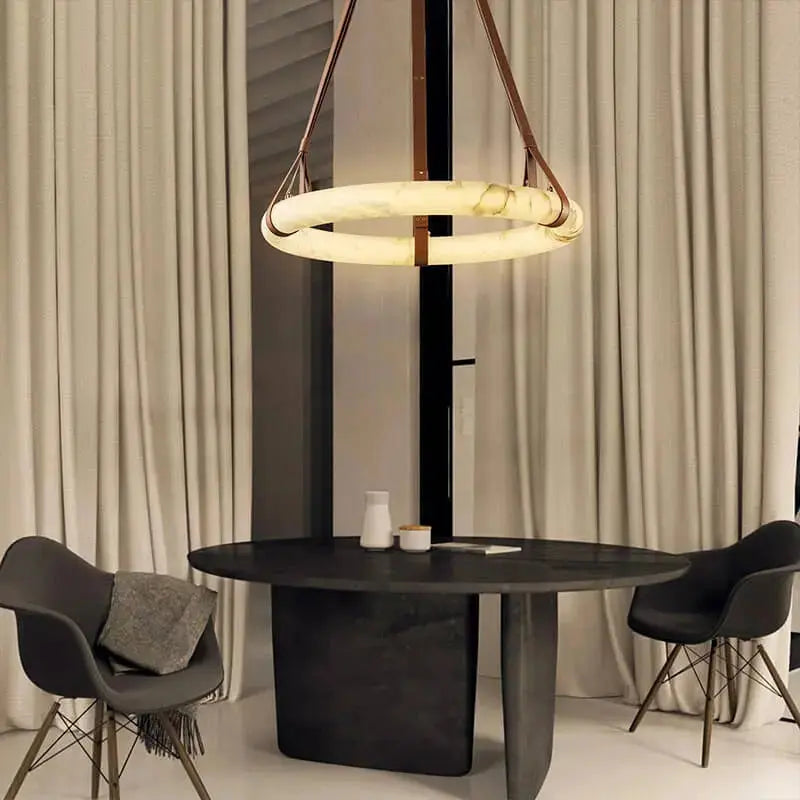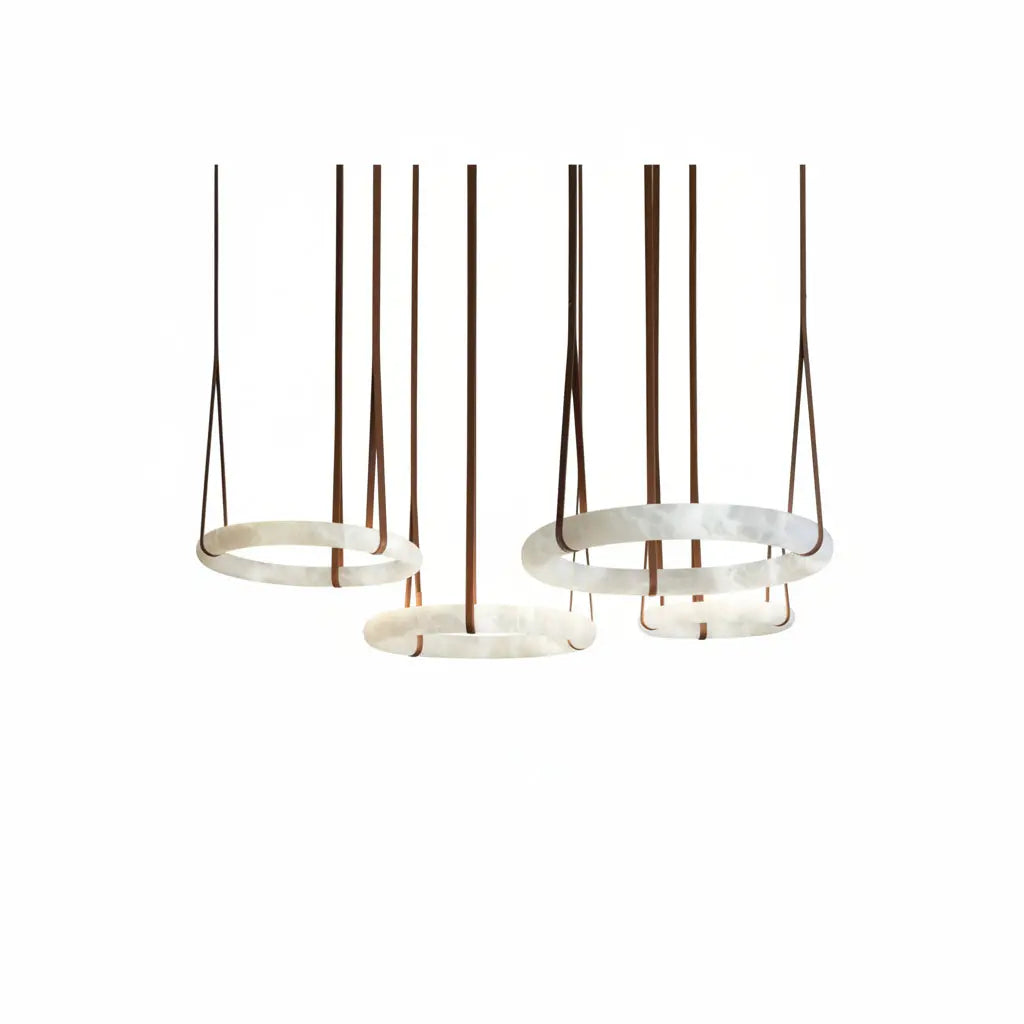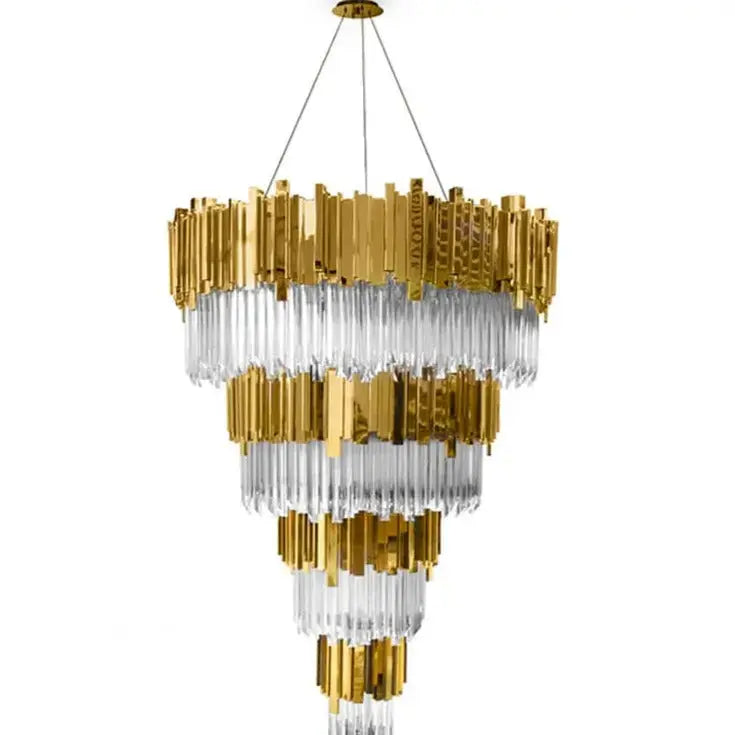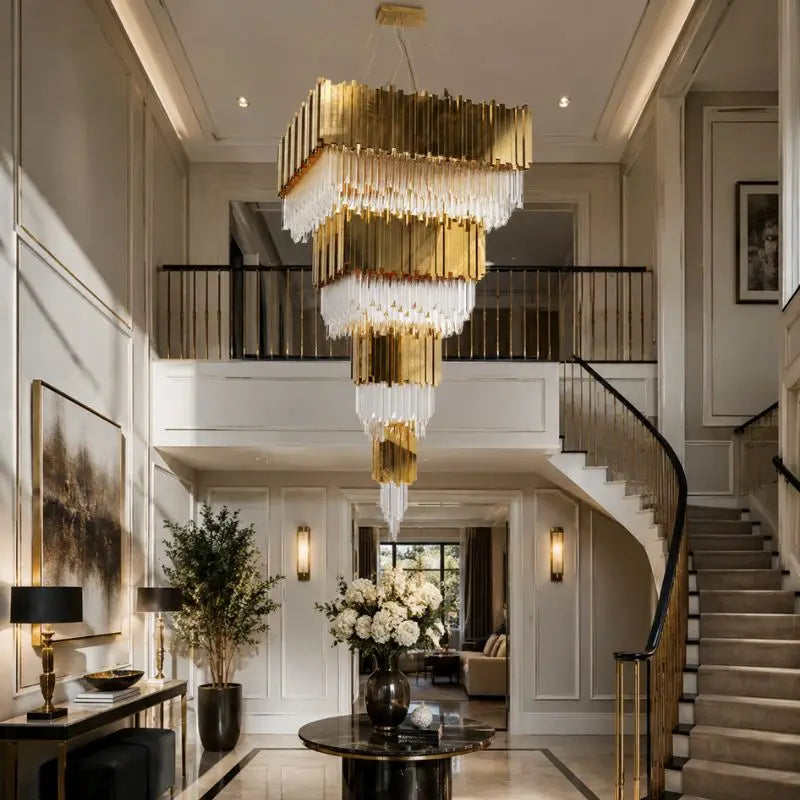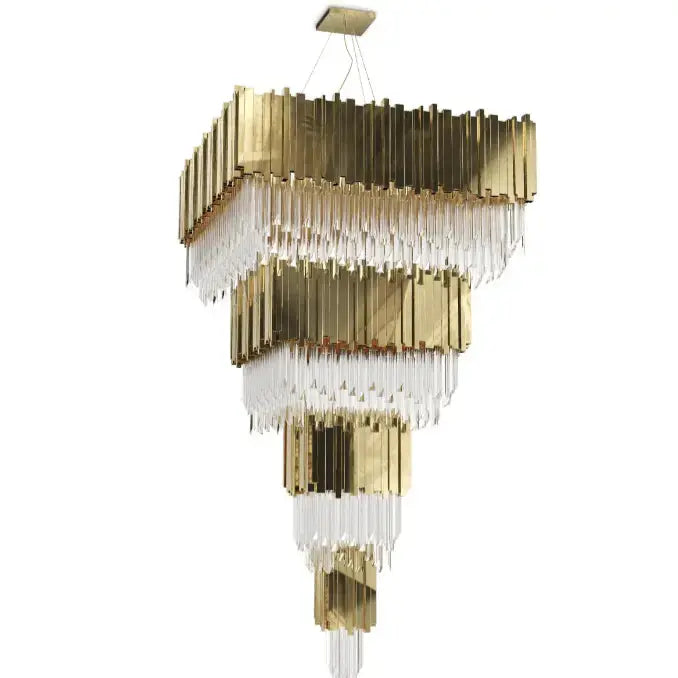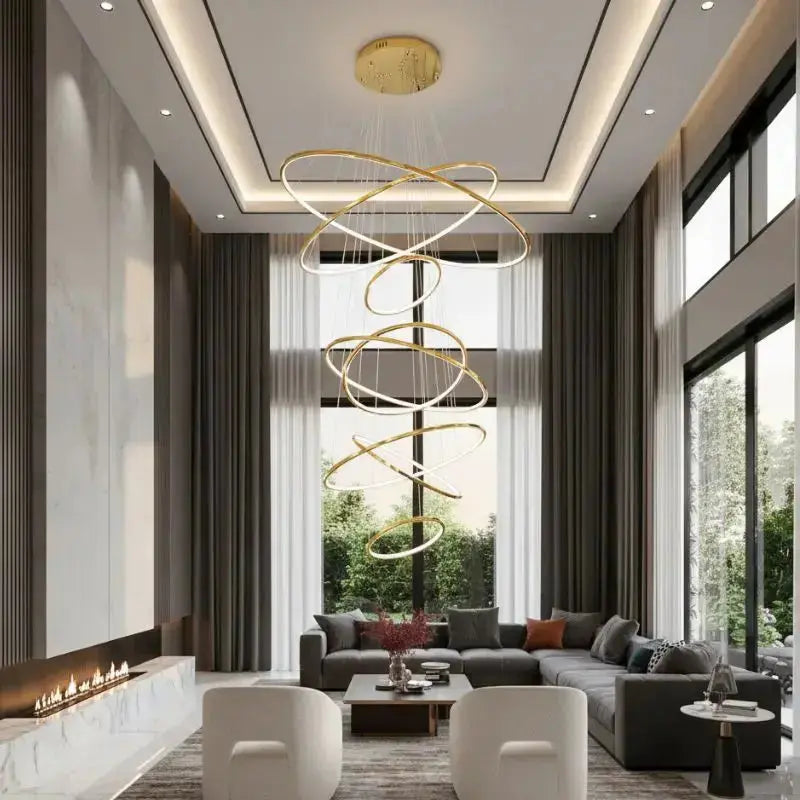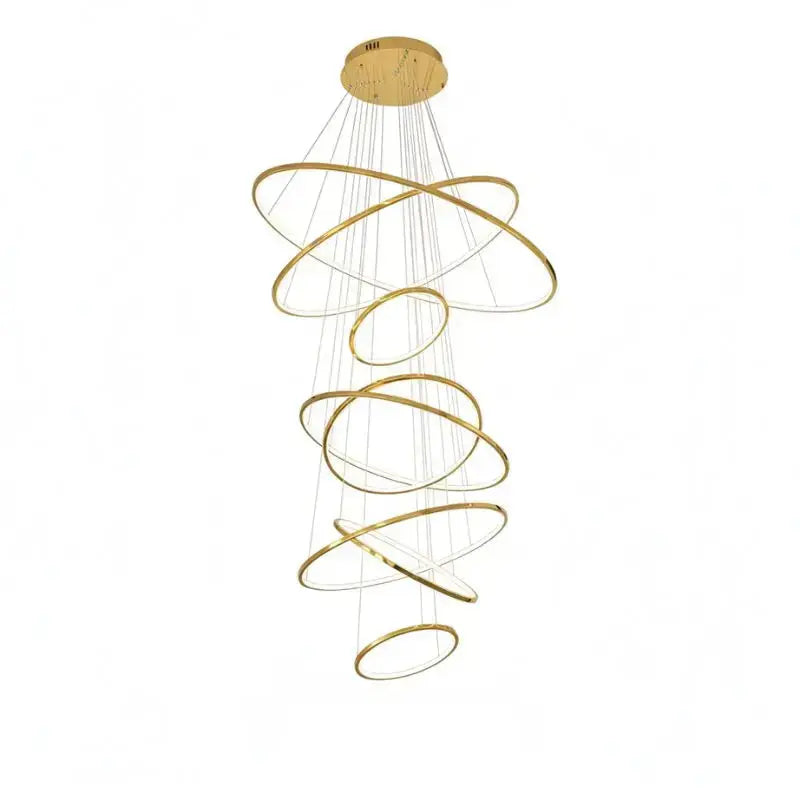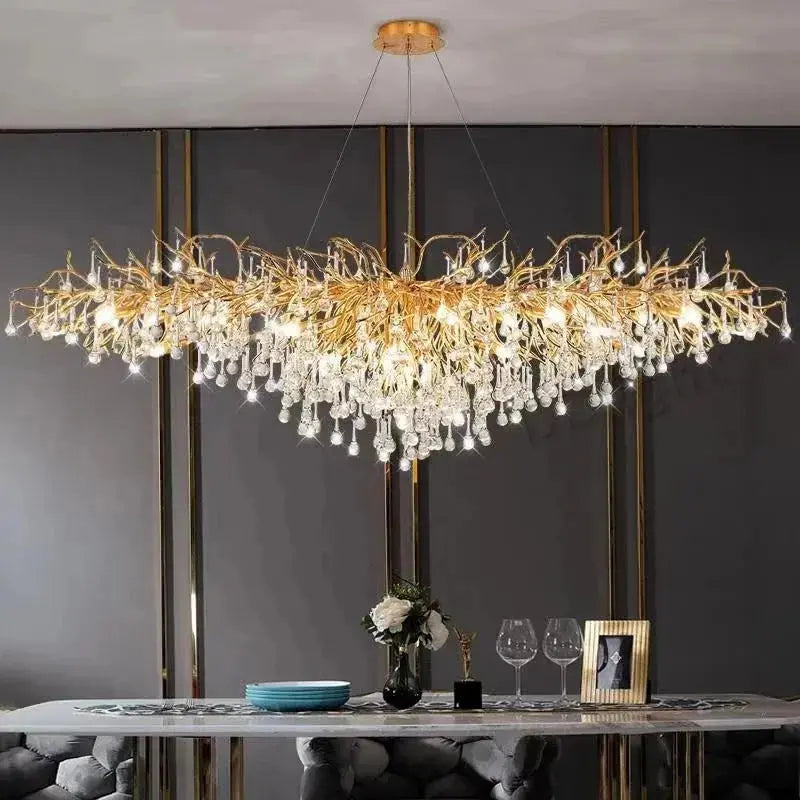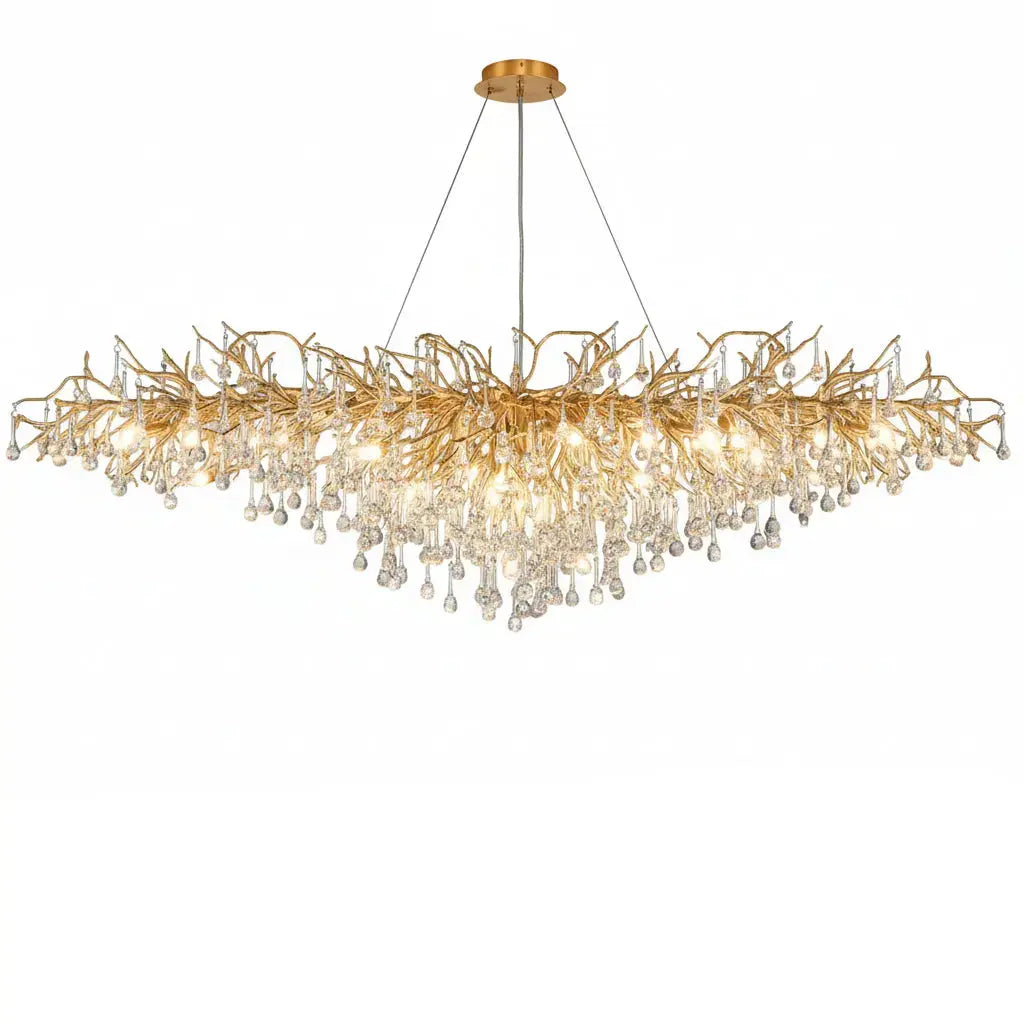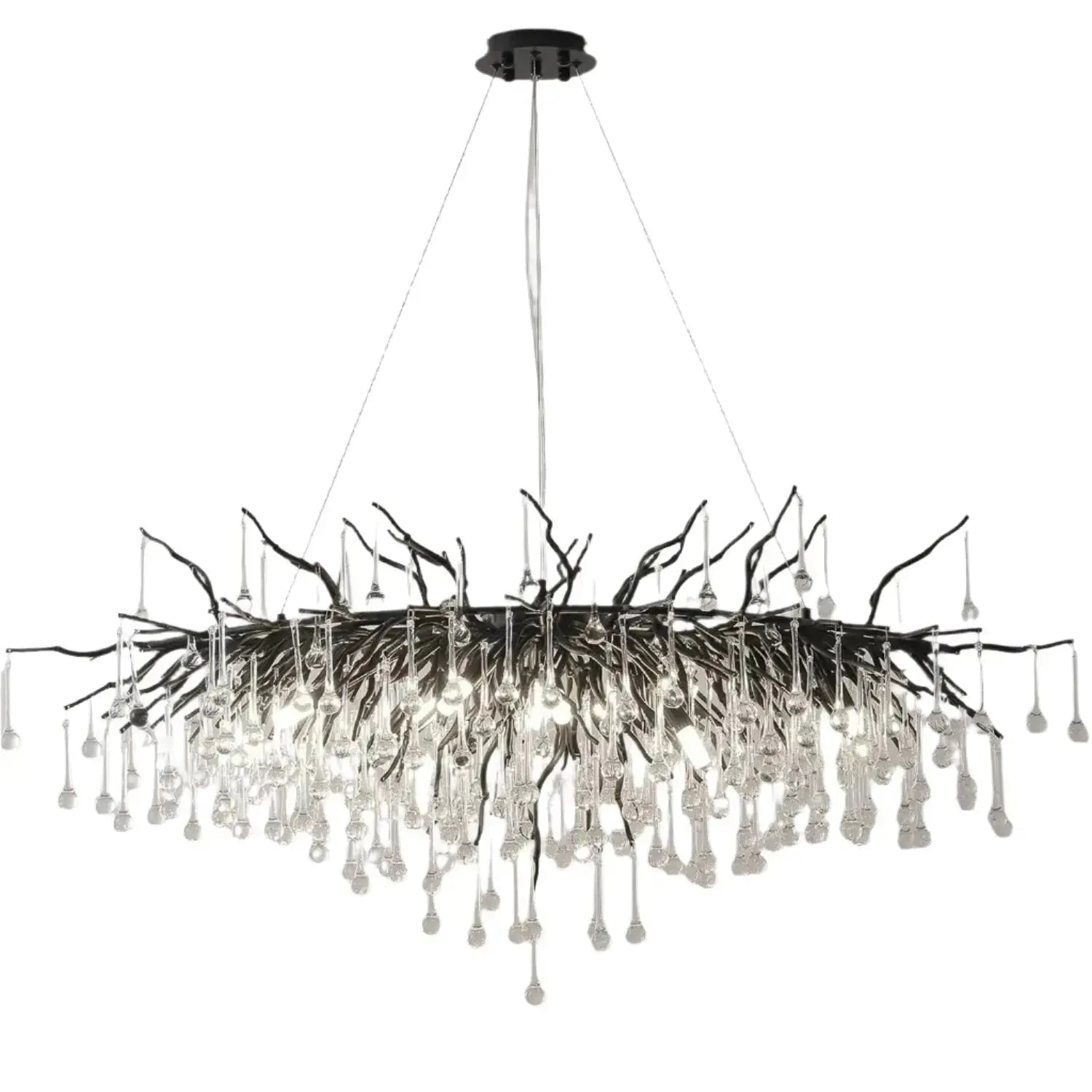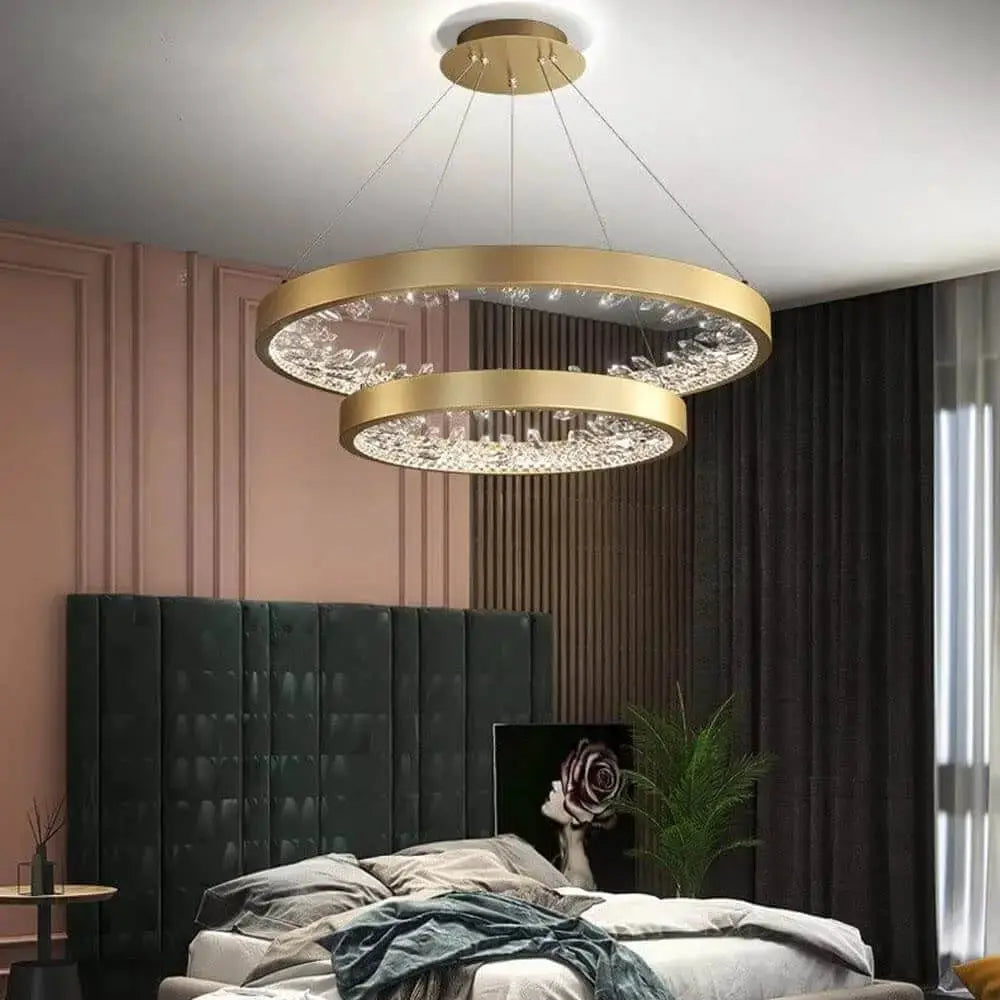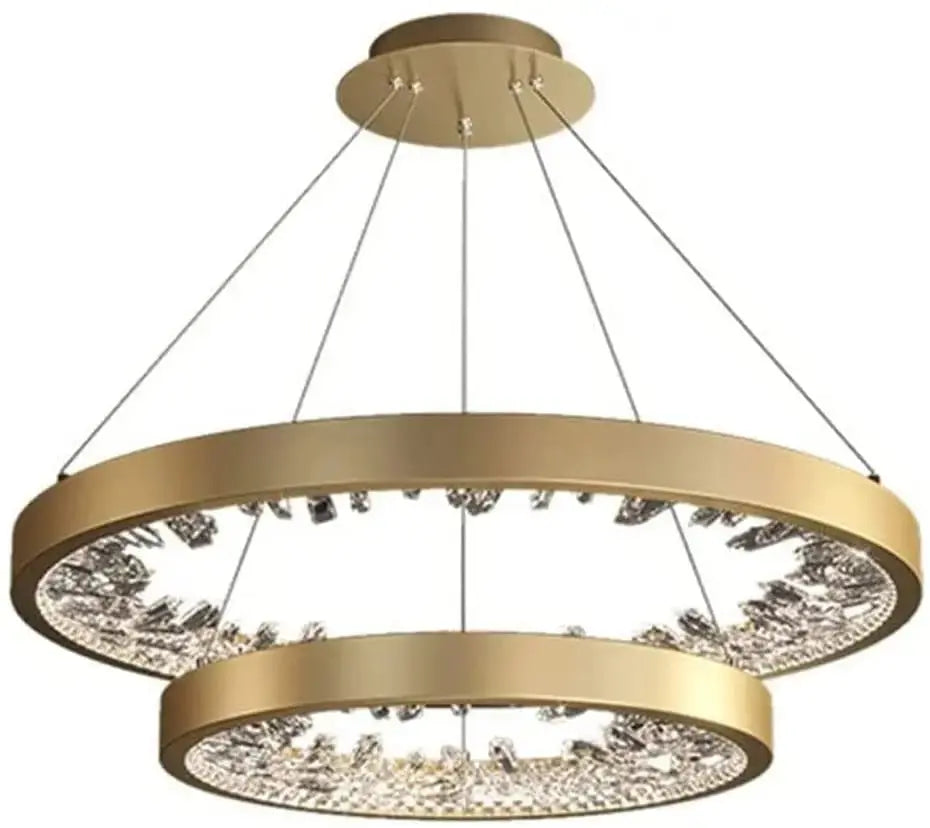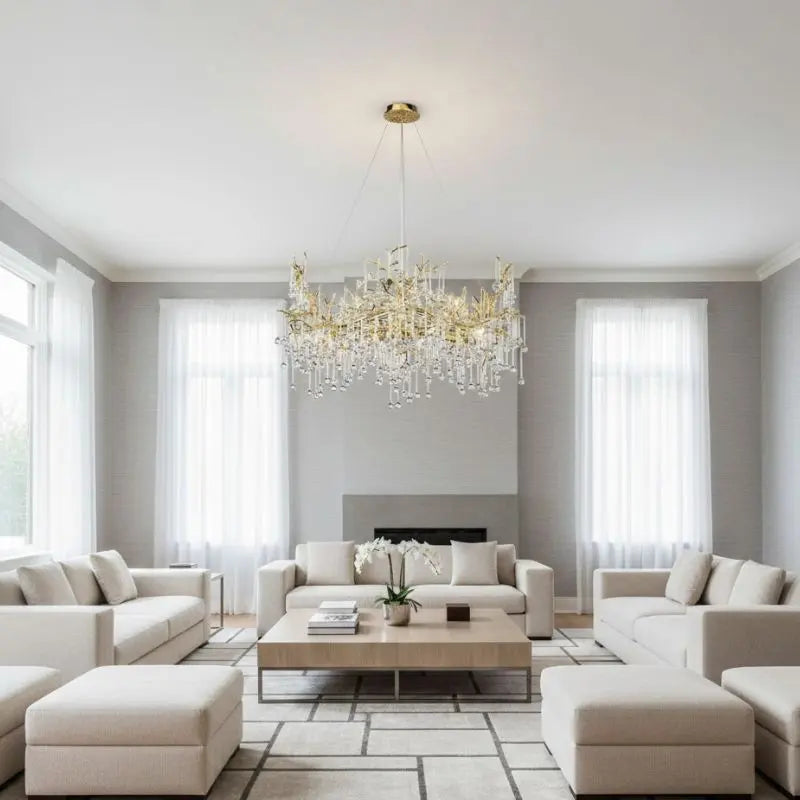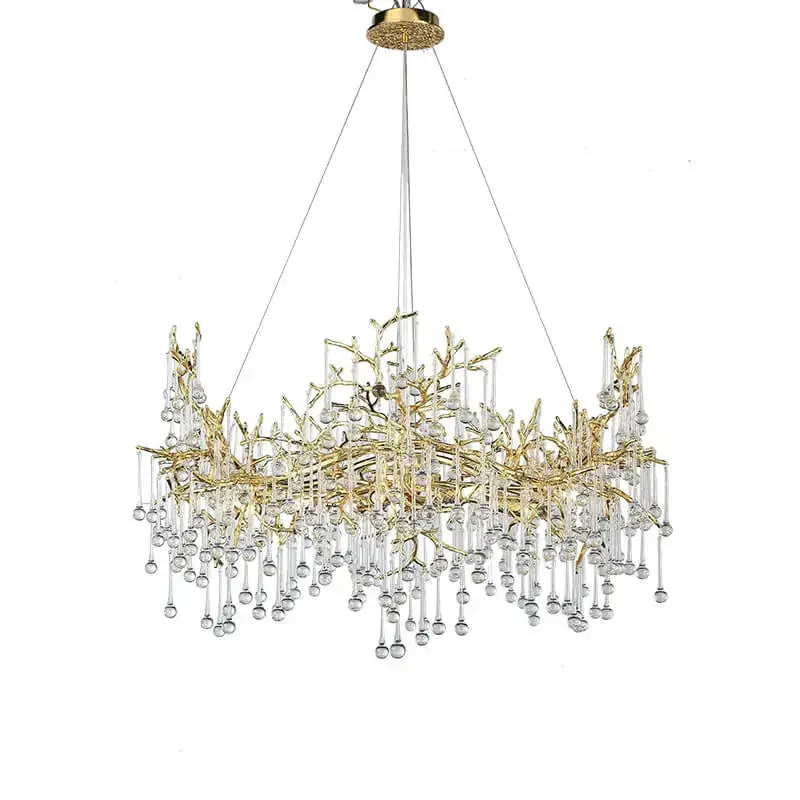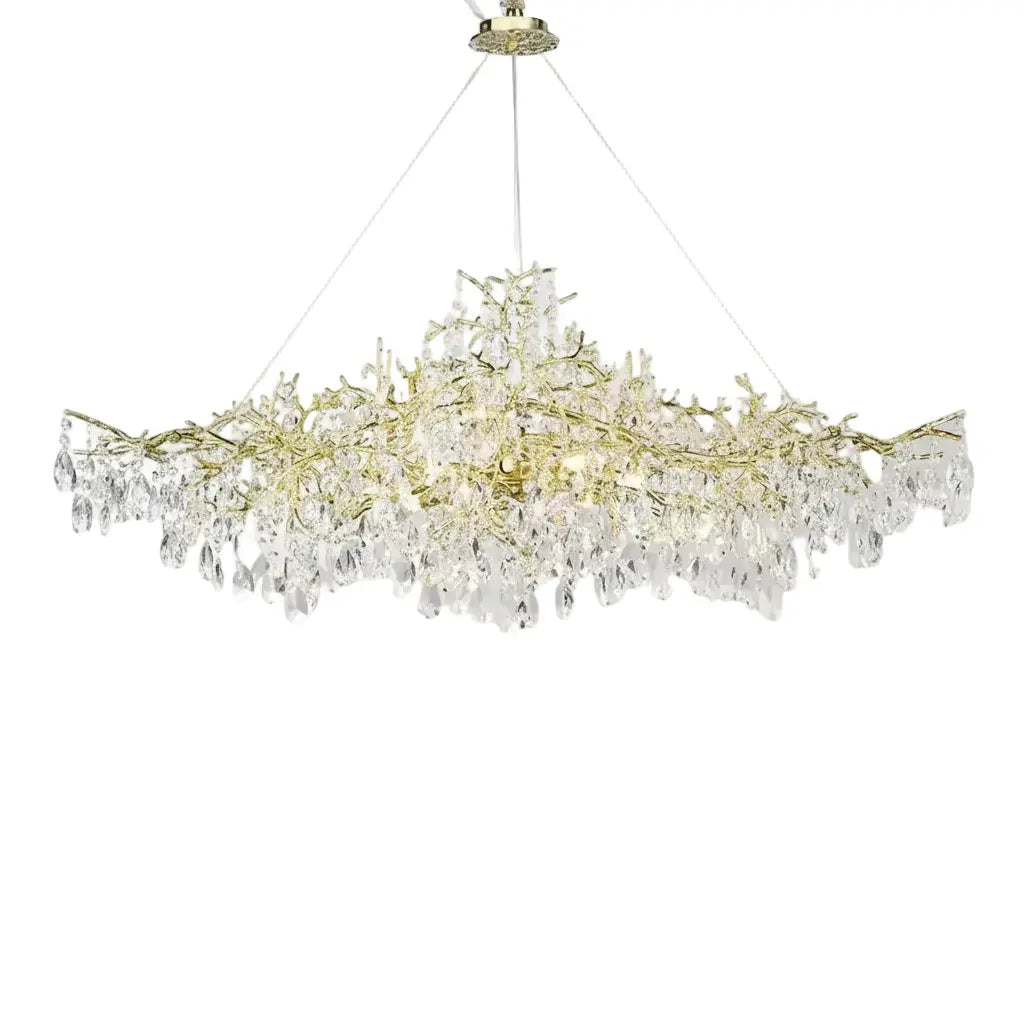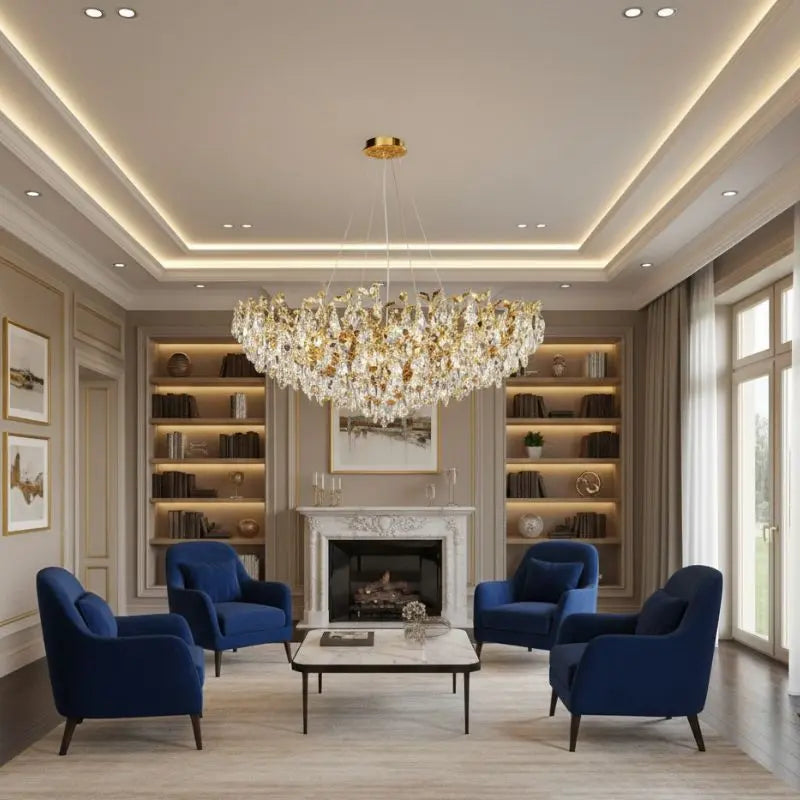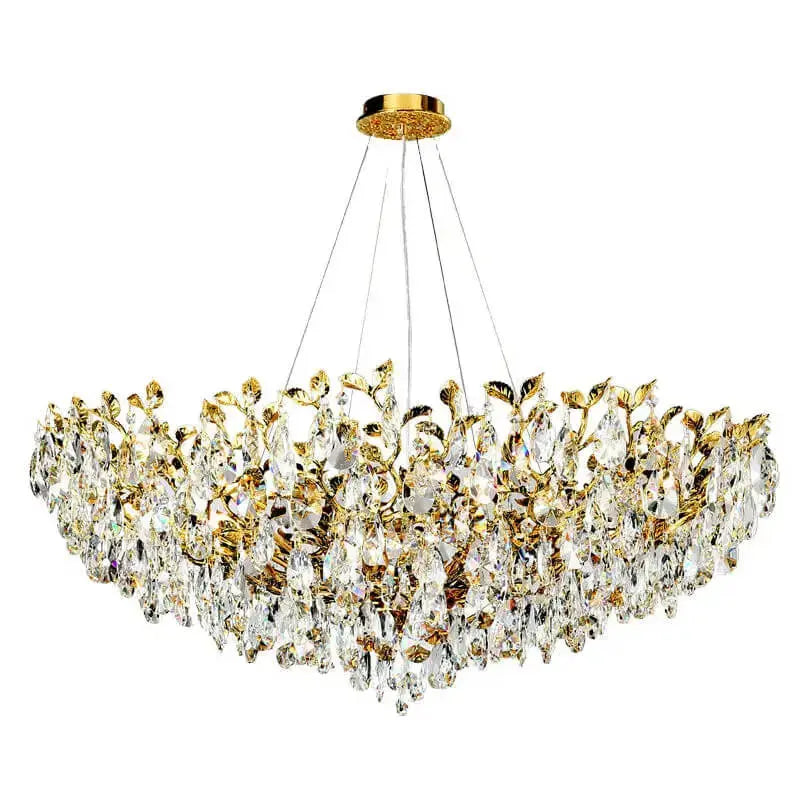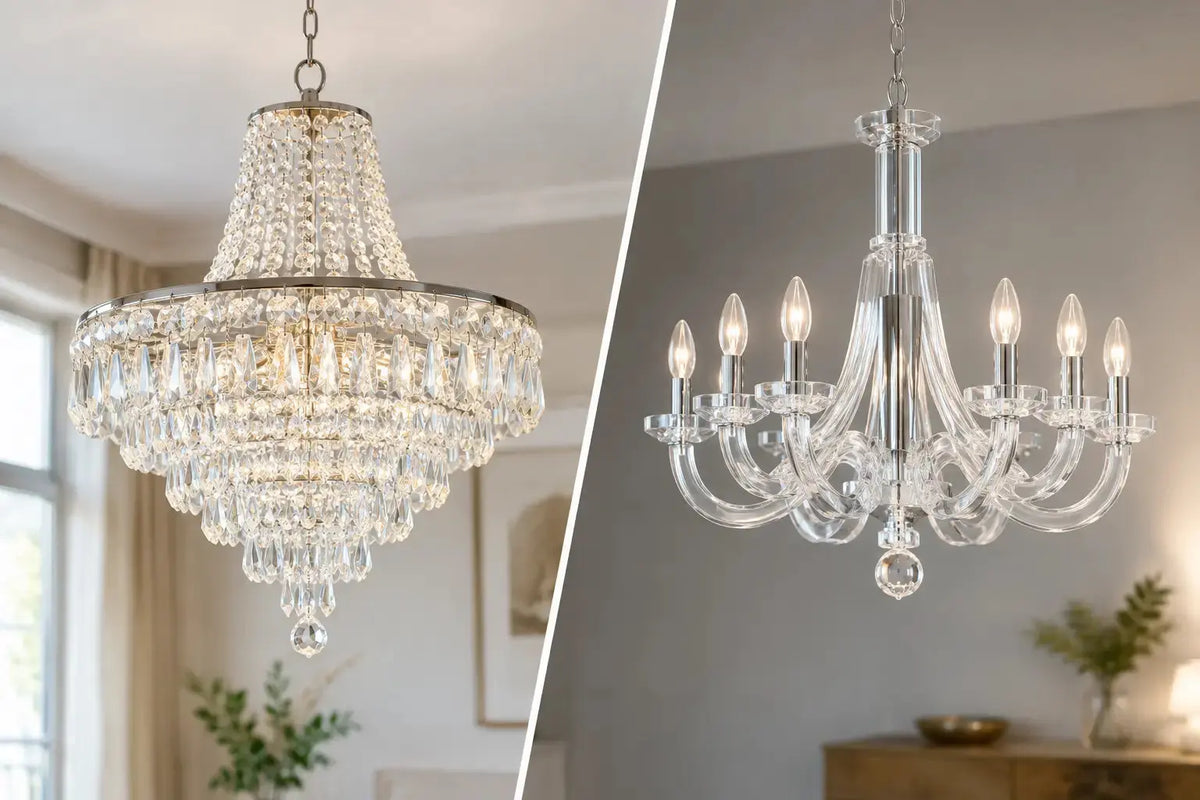
The moment a chandelier catches the light above a dining table or in a double-height hall, its material becomes part of the room’s character. A crystal versus acrylic chandelier is not simply a choice between two looks. It is a decision about sparkle, scale, installation, maintenance and the kind of luxury you want your home to express.
Crystal delivers the unmistakable brilliance associated with grand foyers, formal dining rooms and refined living spaces. Acrylic offers a lighter, often more accessible route to glamour, particularly where an oversized silhouette or a modern profile is the priority. Both can be beautiful. The right one depends on how the fixture will live in your space, not just how it appears in a product image.
Crystal versus acrylic chandelier: the visual difference
A crystal chandelier has depth. Quality crystal components refract light into sharp, prismatic flashes, creating the familiar play of colour and brilliance across nearby walls and ceilings. In daylight, the individual drops and faceted elements feel dimensional; at night, they come alive around the lamping. This makes crystal especially effective in rooms where the chandelier is intended to be a focal point rather than a background fixture.
The word crystal can describe different grades, from machine-cut glass crystal to higher-clarity, precisely faceted pieces. The cut, clarity and arrangement all influence the result. A more finely made crystal chandelier tends to offer cleaner sparkle and a more polished sense of luxury, while designs with generous tiers or draped strands create traditional drama.
Acrylic is a clear, lightweight polymer that can be moulded into pendants, arms and decorative elements. At its best, it produces a bright, glossy look with a cleaner, more contemporary feel. It does not refract light with the same crisp fire as crystal, but that is not always a disadvantage. Acrylic can suit interiors that call for a less formal expression: a playful bedroom, a stylish dressing space or a modern dining area that needs presence without visual heaviness.
For a home built around elegant materials - timber, marble-inspired surfaces, brushed metal and rich upholstery - crystal often brings a more enduring finish. For a fresh, sculptural design statement, acrylic can look intentionally modern and wonderfully light.
Weight, scale and installation considerations
One of the most practical differences is weight. Crystal is substantially heavier than acrylic, particularly in large tiered chandeliers with hundreds of components. Before selecting a dramatic crystal fixture for a stairwell or entrance hall, confirm that the ceiling junction and mounting arrangement can safely support it. A qualified electrician should assess the installation where there is any doubt, especially in older properties or ceilings with unusual construction.
Acrylic makes large-format design easier to consider. Because it weighs less, it can be a compelling option for bedrooms, upper-floor rooms and spaces where you want a generous diameter without the same structural demands. This is also useful for homeowners who love the layered silhouette of a traditional chandelier but prefer a lighter fixture overhead.
That said, lighter does not mean less substantial in appearance. A well-proportioned acrylic chandelier can still command a room. Focus on the diameter, hanging height and visual density of the design. In a dining room, a chandelier should feel related to the table beneath it, rather than floating too small above a generous setting. In a foyer, leave clear headroom and allow the fixture enough breathing space to be appreciated from several angles.
Durability and everyday care
Crystal is hard and long-lasting, but it deserves careful handling. Individual drops can chip if knocked together during fitting or cleaning, and metal frames may need occasional attention depending on their finish and the room’s humidity. Crystal also reveals dust more readily when light passes through it, so a statement fixture benefits from periodic care.
For routine cleaning, switch the power off and allow bulbs to cool completely. Use a soft, dry microfibre cloth for light dusting. If a deeper clean is needed, follow the manufacturer’s guidance and avoid saturating electrical components or using harsh cleaners. Taking time over maintenance protects the clarity that makes crystal so captivating.
Acrylic is less likely to shatter if accidentally knocked, which can make it appealing in busy family homes. However, it can scratch more easily than crystal and may become dull if cleaned with abrasive cloths, alcohol-based products or unsuitable sprays. A clean, soft microfibre cloth and gentle handling are the safest approach.
Neither material is entirely maintenance-free. The better question is whether you prefer the careful, heirloom-like upkeep of crystal or the lighter handling of acrylic. In a low-traffic formal room, crystal’s care requirements are rarely a concern. In a child’s bedroom or a lively entertaining space, acrylic may offer welcome peace of mind.
Cost and long-term value
Acrylic chandeliers are often less expensive, particularly in large and decorative designs. This makes them an attractive choice when refreshing multiple rooms, furnishing a first home or creating impact within a defined renovation budget. Their lighter weight may also simplify some installation requirements, although every ceiling fixture should still be professionally and securely fitted.
Crystal typically carries a higher price because of material quality, cutting, assembly and the weight of the finished piece. Yet it can offer exceptional long-term design value. A timeless crystal chandelier does not rely on a passing trend; it can move confidently between classic, transitional and contemporary-luxury interiors when the silhouette is well chosen.
Price alone should not decide the purchase. A modest crystal chandelier with thoughtful proportions may elevate a small dining room more effectively than an oversized acrylic fixture selected only for scale. Equally, a beautifully designed acrylic chandelier can be the more intelligent choice if you are after a contemporary statement and do not need the optical performance of crystal.
Which rooms suit each material?
Crystal feels especially at home in an entrance hall, stairwell, dining room or formal sitting room. These are spaces where guests pause, look up and experience the chandelier as part of the architecture. A cascading crystal design can draw the eye through a tall void, while a compact crystal fixture above a round dining table creates instant ceremony without overwhelming the room.
Acrylic works beautifully in bedrooms, nurseries, dressing rooms, breakfast areas and relaxed living spaces. It can bring a glamorous touch without making the room feel overly formal. It is also worth considering for a modern home where clear acrylic arms paired with brass, chrome or black metal complement clean-lined furniture and contemporary art.
Bathrooms and covered outdoor spaces require more care. The material alone is not the deciding factor: the fixture must have the right rating for moisture, damp conditions and its exact location. Never select a chandelier for these areas on appearance alone. Check its suitability and installation requirements first.
Style matters more than material labels
There is a temptation to assume crystal always means traditional and acrylic always means casual. In reality, the silhouette matters just as much. A linear crystal chandelier with restrained geometric forms can feel strikingly contemporary over a kitchen island. An acrylic chandelier with curving arms and candle-style lamps can lean romantic and classic.
Look at the finish and surrounding room palette. Warm brass, antique gold and champagne tones make crystal feel inviting and luxurious, especially alongside soft neutrals, walnut, velvet and layered textiles. Polished chrome and clear acrylic create a cooler, more graphic effect that pairs naturally with grey, black, white and glass furnishings.
Lighting temperature also changes the outcome. Warm white bulbs tend to flatter both materials, lending crystal a soft, golden glow and acrylic a more considered finish. Dimmable lighting is particularly valuable in dining rooms and living areas, allowing the chandelier to move from practical illumination to evening atmosphere.
A confident choice for your home
Choose crystal when you want lasting brilliance, material depth and a chandelier that feels like a defining piece of the interior. Choose acrylic when you value lighter weight, generous scale, modern versatility or a more accessible route to decorative glamour. ChandeliersLife curates both directions with an eye for statement-making design, so the decision can begin with the feeling you want to create in the room.
The most rewarding chandelier is the one that suits the ceiling above it, the life around it and the mood you want to come home to. Whether that means the crisp sparkle of crystal or the luminous ease of acrylic, let the fixture earn its place as more than a light source: let it set the tone for the whole space.