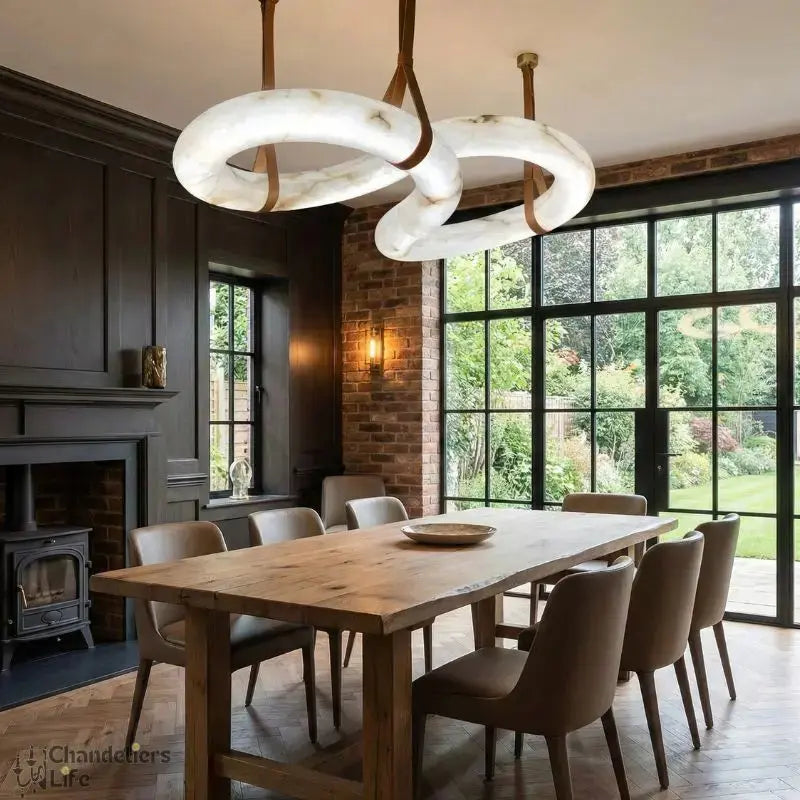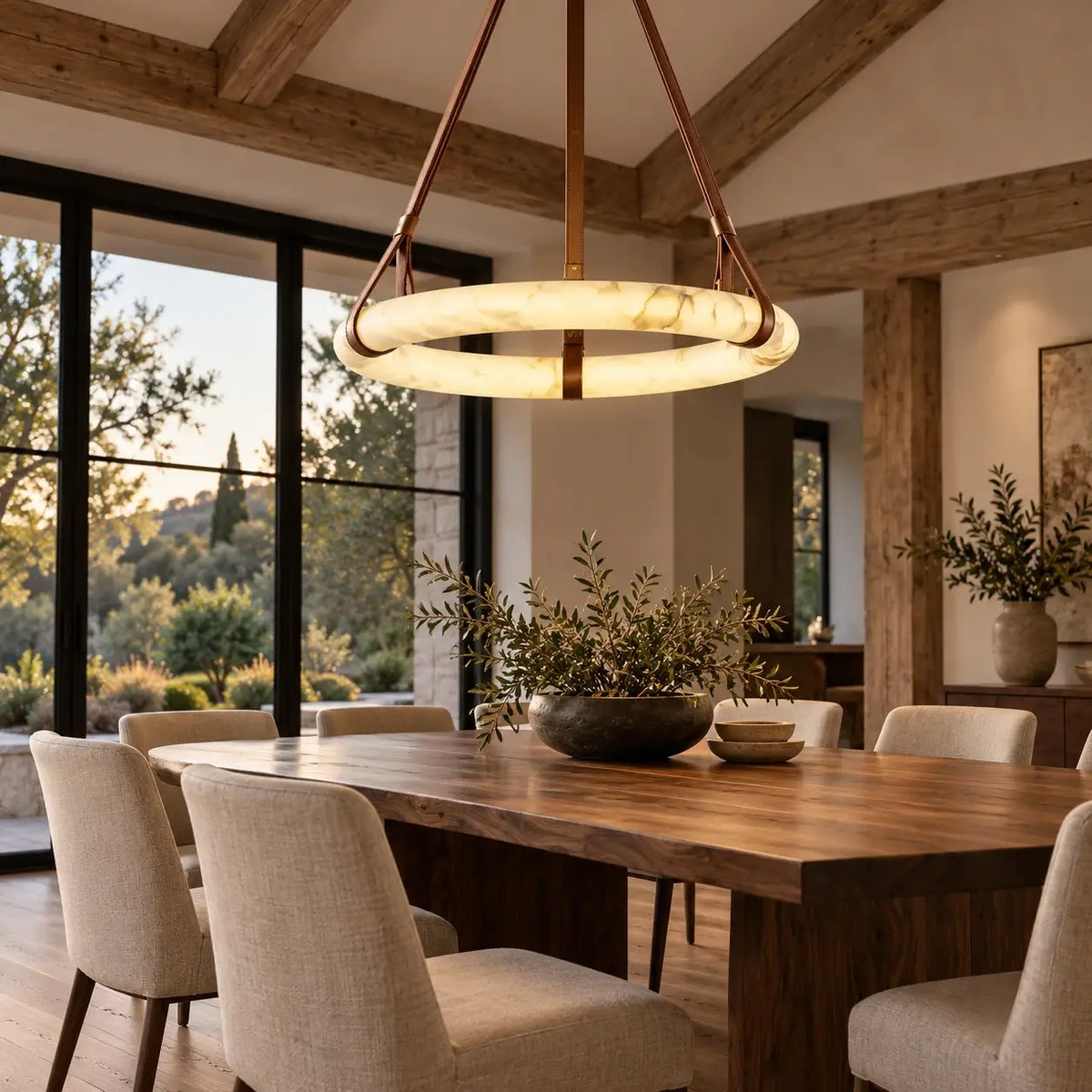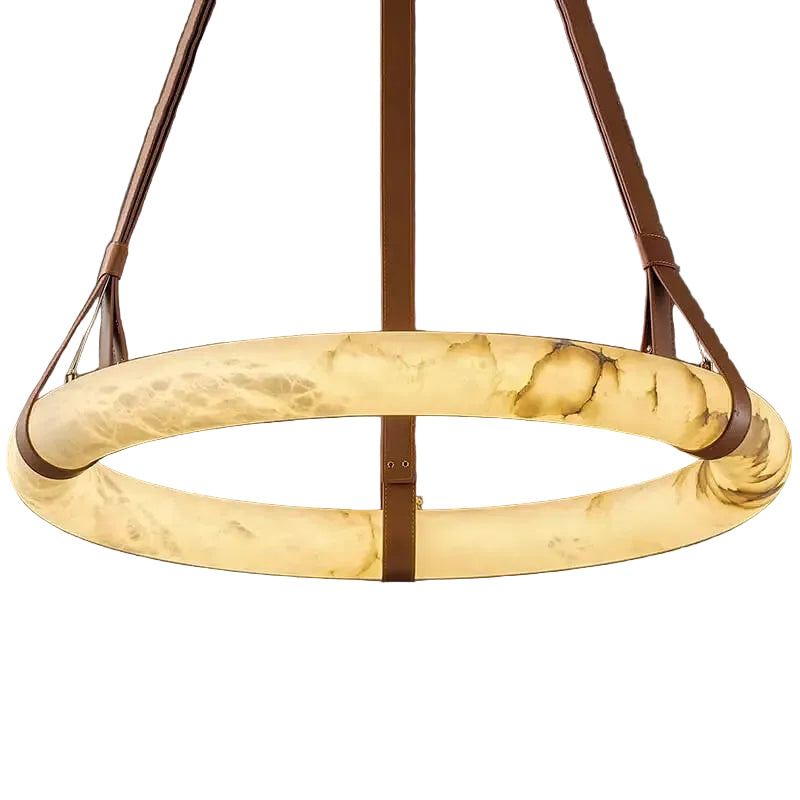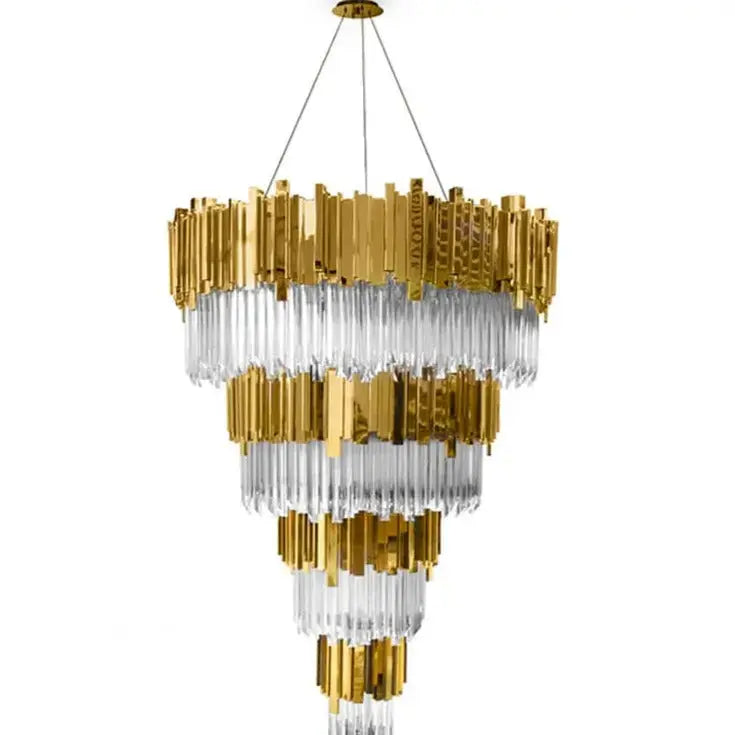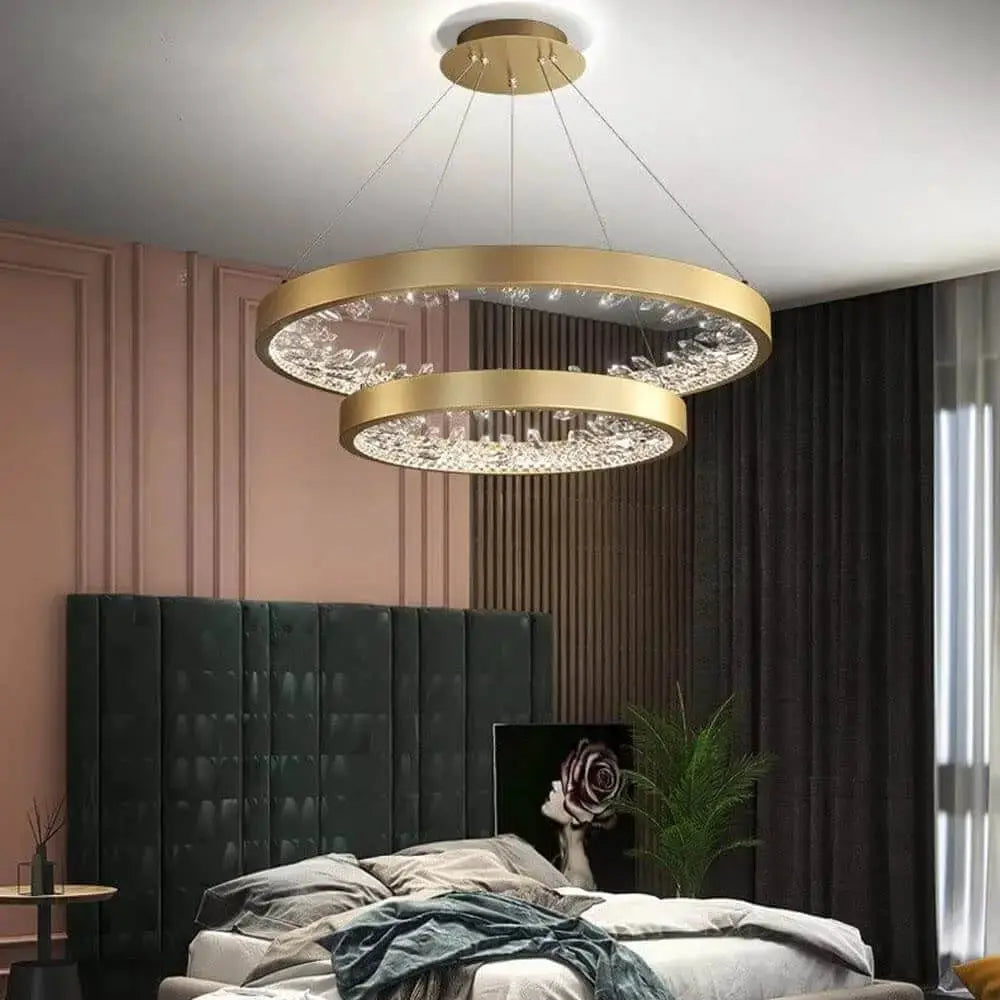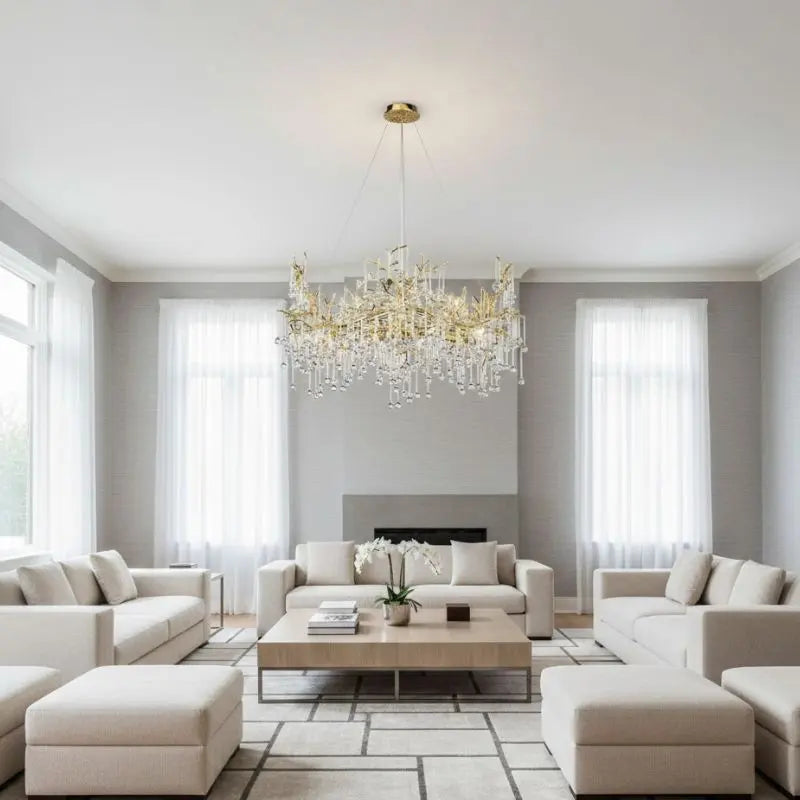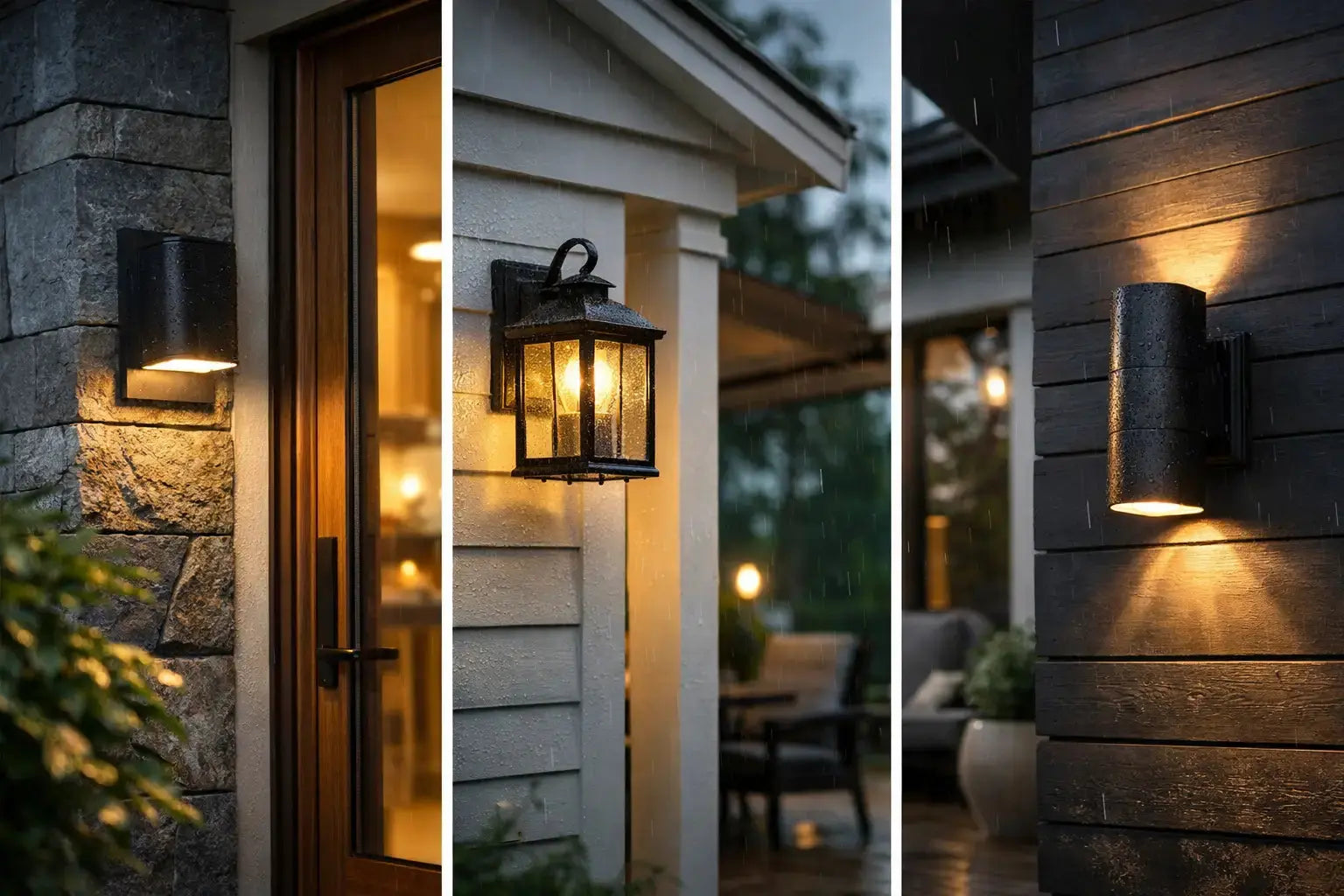
A beautifully lit entrance changes the feeling of arriving home. The right outdoor wall lights waterproof enough for British rain do more than make a path visible: they frame your front door, bring warmth to a terrace and give the architecture a considered, finished presence after dark.
For an exterior fixture to feel truly luxurious, however, its practical credentials must match its visual impact. Rain, frost, coastal air and everyday use all influence what belongs on an outside wall. Choosing well means balancing IP protection, material, light output and proportion with the style of your home.
What waterproof really means for outdoor wall lights
“Waterproof” is often used as a convenient shopping term, but exterior lights are normally defined by an IP rating. IP stands for Ingress Protection, and the two digits indicate how well a fitting is protected against solid particles and water. For wall lighting, the second digit is particularly relevant.
An IP44-rated fitting is protected against splashing water from any direction and is a common choice for a sheltered porch, covered entryway or a wall beneath a deep eave. It can offer the refined look many homes want without specifying more protection than the location requires.
For walls exposed directly to driving rain, an IP65 rating is the more reassuring choice. It is designed to resist water jets as well as dust ingress, making it better suited to an open patio, garden wall, side passage or an unsheltered coastal-facing elevation. The higher rating does not automatically make a light more elegant or longer-lasting, but it gives the fixture a stronger defence where the weather is relentless.
Placement still matters. Even the best-rated fitting should be installed correctly, with cable entries sealed and the mounting surface sound. A qualified electrician can assess the circuit, fit suitable exterior connections and ensure the installation meets current local electrical requirements. This is especially worthwhile where old masonry, rendered walls or exposed cabling are involved.
Choose the right IP rating for each location
Rather than using one light everywhere, think of the exterior in zones. A covered front porch and an open garden dining area face very different conditions, and the lighting can be selected accordingly.
Sheltered entrances and porches
At a recessed doorway, IP44 is often appropriate. This setting is ideal for lantern-style wall lights, fluted glass shades or a sculptural contemporary sconce that complements the interior design visible through the doorway. Pairing matching lights on either side of the door creates graceful symmetry, particularly on period façades and larger properties.
If the porch is narrow, select a compact fitting that does not crowd the entrance. A projecting lantern can look exquisite beside a broad Georgian or traditional door, but on a tight passage it may interrupt movement and cast hard shadows.
Open walls, patios and garden routes
For exposed locations, seek IP65 outdoor wall lights waterproof enough to withstand regular rainfall and wind-driven moisture. Slim up-and-down lights create architectural columns of illumination on brick, stone and render, while downward-facing designs are often more comfortable near seating because they control glare.
On a terrace, place wall lights where they support conversation rather than overpower it. Warm pools of light around a dining table, outdoor kitchen or sofa area feel more inviting than one intense fitting mounted high above. If the space is large, layer wall lighting with discreet garden or deck lighting rather than relying on a single source.
Coastal and high-exposure homes
Salt-laden air is demanding even where rainfall is moderate. In these settings, powder-coated aluminium, marine-grade stainless steel and high-quality treated finishes tend to offer better resilience than untreated metal. Brass can develop a living patina that many homeowners love, but it is a design choice that requires acceptance of natural change rather than an expectation of a permanently polished surface.
Materials that retain their elegance outdoors
The finest exterior lighting feels intentional in daylight as well as at night. Material is central to that impression, but it should be chosen with maintenance in mind.
Powder-coated aluminium is a versatile option for contemporary homes. It is comparatively light, available in sophisticated black, bronze, white and muted neutral finishes, and works beautifully in clean-lined cylindrical or rectangular designs. Look for a quality coating rather than simply choosing by colour, as a durable finish is what keeps the fixture looking polished through changing seasons.
Stainless steel lends a crisp, modern character, although its grade and finish matter. Brushed stainless steel can complement glass balustrades, slate paving and contemporary cladding, while darker finishes often sit more quietly against traditional brickwork. Regular cleaning is sensible in coastal areas to remove salt deposits before they affect the surface.
Glass introduces sparkle and visual depth. Clear glass lanterns allow the lamp inside to become part of the composition, offering timeless elegance at a front door. Opal or frosted glass diffuses the bulb for a softer glow and is often kinder to the eye near doors and terraces. For exposed sites, ensure the glass and seals are specified for exterior use, not merely styled to resemble an outdoor fitting.
Scale, placement and the light your home needs
A beautiful wall light can look underwhelming when it is too small for the façade, or overbearing when mounted beside a modest door. Start by considering the visual scale of the wall, the height of the entrance and the projection of the fitting.
For a pair flanking a front door, the centre of each light will often sit around eye level to slightly above it, depending on the fixture’s form and the architecture. The goal is to illuminate faces, locks and thresholds without sending a bare bulb directly into visitors’ eyes. Tall lanterns can sit a little higher; compact directional lights may need a lower position to define the doorway effectively.
At the back of the house, practical movement should guide the layout. Position light near steps, changes in level, gates and the route from the house to a garage or garden room. Avoid placing a bright fitting opposite a window, where it may create unwanted reflections indoors and diminish the calm of an evening room.
Colour temperature has a profound effect on atmosphere. Warm white light, typically around 2700K to 3000K, flatters natural stone, timber, planting and warm-toned brick. It also connects exterior entertaining areas with the welcoming ambience of interior decorative lighting. Cooler white light can feel sharper and more functional, but is rarely the most flattering choice for a luxury residential setting.
Design directions for a more considered exterior
The best exterior schemes echo the home without becoming overly matched. A black metal lantern can reinforce traditional ironwork and framed windows, while a bronze-toned fitting brings richness to timber doors and pale render. On a contemporary property, geometric wall lights in black, graphite or brushed metal create definition without competing with the architecture.
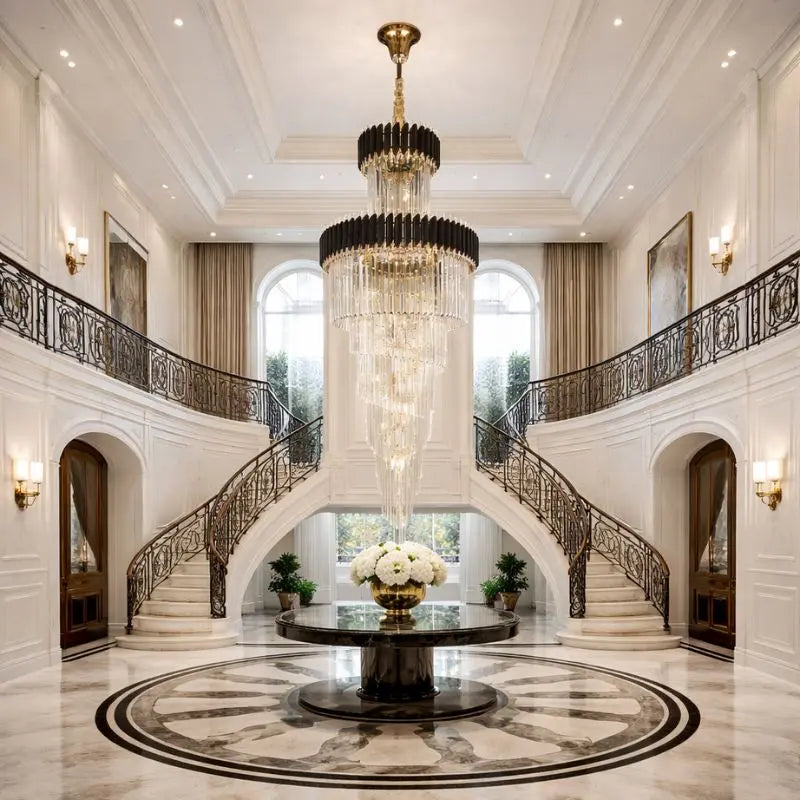
For homes with statement interior lighting, exterior wall lights can provide a quieter opening note. Think of them as the first layer in a lighting story: elegant enough to signal the character within, yet restrained enough to let a foyer chandelier or pendant take centre stage once the door opens.
There is also a case for contrast. A minimalist façade can gain warmth from a softly glowing glass lantern, while a richly detailed period exterior may benefit from a simple, tailored up-and-down fitting. The deciding factor is coherence. Repeat one or two finish cues from door furniture, railings, planters or interior fixtures so the scheme feels composed rather than coordinated by accident.
Useful features without compromising style
Integrated LED fittings offer a sleek profile and excellent energy efficiency. They suit modern architectural lighting particularly well, but check the expected LED lifespan and whether the light source can be replaced. A fitting with a replaceable bulb gives more flexibility over future colour temperature and lamp style, especially in decorative lanterns where a filament bulb contributes to the overall look.
Motion sensors are practical at side doors, driveways and entrances, though they are not essential everywhere. A sensor placed at the front door can be reassuring when arriving with shopping or welcoming guests, but it may feel abrupt beside an outdoor dining area. Timers, dusk-to-dawn sensors and smart controls can provide a gentler routine, allowing the home to look welcoming at twilight without leaving every exterior light at full brightness all night.
For a confident, design-led selection, ChandeliersLife brings together outdoor wall lighting that treats durability and decorative appeal as equal priorities. Choose a fitting for the conditions it will face, then let its finish, silhouette and glow make every return home feel a little more special.