Thinking about a career change or looking for more flexibility? The world of interior design is opening up to remote work, and 2026 looks like a great year to jump in. Gone are the days when you absolutely had to be in the office to get things done. Now, you can design beautiful spaces for clients without ever leaving your home. This article will walk you through what you need to know about online interior design work, from finding the right jobs to making your application shine.
Key Takeaways
- Online interior design work is growing, offering more remote job opportunities in 2026.
- Success in remote design requires strong project management, communication, and tech skills.
- Specialized job boards and recruiters can help you find remote interior design work.
- A strong online portfolio and tailored resume are vital for job applications.
- Continuous learning and virtual networking are important for career advancement in remote design.
Exploring Remote Interior Design Opportunities
The Rise of Online Interior Design Work
The way we design homes has really changed, hasn't it? It feels like just yesterday we were all stuck in physical showrooms, flipping through fabric swatches. Now, a lot of that can happen right from your couch. Online interior design isn't just a trend; it's become a solid part of the industry. Companies are actively looking for designers who can handle projects from start to finish without ever being in the same room as the client. This shift means more flexibility for designers and, honestly, a wider reach for clients who might not have access to local talent.
Finding Your Niche in Remote Design
With remote work becoming so common, it's a good time to think about what kind of interior design you want to do from afar. Are you drawn to helping people create cozy home offices, or maybe designing functional, stylish kitchens? Perhaps you're great at picking out finishes for whole-house renovations. It's worth figuring out what you enjoy most and what you're good at. This helps you stand out when you're applying for jobs.
Here are a few areas that are really popular for remote designers:
- Residential E-Design: Helping homeowners with specific rooms or whole-house makeovers using online tools.
- Commercial Virtual Design: Working on office spaces, retail areas, or hospitality projects remotely.
- Staging Consultations: Advising clients on how to prepare their homes for sale, often through video calls and mood boards.
- Specialty Design: Focusing on areas like sustainable design, small-space solutions, or accessibility modifications.
Benefits of a Remote Design Career
Working remotely as an interior designer comes with some pretty sweet perks. For starters, you get a lot more control over your schedule. This means you can potentially avoid the dreaded 9-to-5 grind if that's not your thing. Plus, you can work from pretty much anywhere, which is a huge plus if you like to travel or just prefer a different environment than a traditional office. It also opens up job opportunities that aren't limited by your geographic location. You could be working with clients across the country, or even internationally!
The ability to manage your own time and workspace can lead to a better work-life balance. It's about designing your career as much as you design spaces for others.
It's not all sunshine and rainbows, of course. You really need to be good at managing yourself and staying organized. But if you can do that, the freedom and opportunities are pretty amazing.
Key Responsibilities in Online Interior Design Roles
Client Project Management From Concept to Completion
This is where the real magic happens, even when you're not in the same room. You'll be guiding clients through the entire design journey, starting with those initial ideas and sketches all the way through to the final installation. It means keeping clients informed, getting their buy-in on decisions, and making sure the project stays on track. Think of yourself as the conductor of an orchestra, but instead of instruments, you're coordinating ideas, materials, and timelines.
Material and Finish Selection for Virtual Clients
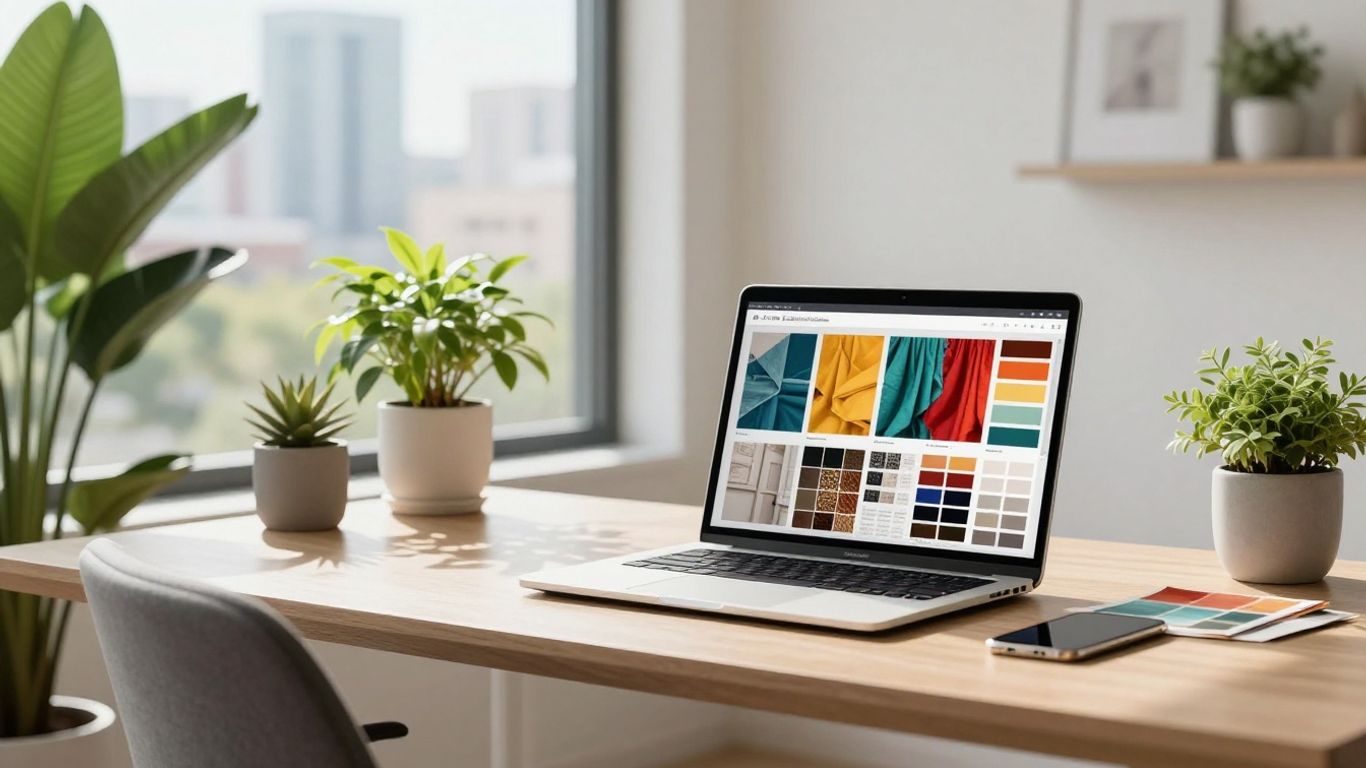
Picking out the right paint colors, fabrics, flooring, and fixtures is a big part of the job. For remote clients, this involves creating detailed mood boards and presentations that clearly show them what everything will look like. You'll need to be good at explaining why certain materials work best and how they'll fit into the overall design. It's about helping clients visualize the end result, even if they can't touch and feel the samples themselves.
Developing Construction Documents Remotely
This part can get a bit technical. You'll be creating the detailed drawings and specifications that contractors need to build or renovate a space. This includes things like floor plans, elevation drawings, and details for custom pieces. Accuracy here is super important because these documents are the blueprint for the actual construction. It requires a good eye for detail and a solid understanding of how things are put together.
Budget and Timeline Management
Keeping a project within budget and on schedule is always a challenge, and it's no different for remote work. You'll need to track expenses carefully, get quotes for materials and labor, and make sure everything is progressing as planned. This often means having clear communication with clients about costs and potential delays. It’s a balancing act, for sure.
Managing client expectations is key in remote design. Being upfront about what's possible, what the costs are, and how long things might take builds trust and prevents misunderstandings down the line. It's all about clear, consistent communication.
Essential Qualifications for Remote Interior Designers
Educational Background and Experience Requirements
Most remote interior design jobs look for candidates with a solid foundation in design principles. This often means a degree in interior design or a related field. However, experience can sometimes substitute for formal education. Many firms value practical, hands-on experience, especially if you've led projects from start to finish. For instance, having at least five years of experience in residential design, with a track record of managing projects independently, is a common requirement. It shows you can handle the whole process without constant supervision.
Proficiency in Design Software and Virtual Tools
Being good with design software is a given, but for remote work, you also need to be comfortable with the tools that make virtual collaboration happen. Think beyond just AutoCAD or SketchUp. You'll likely need to use project management software, cloud-based file sharing, and video conferencing platforms regularly. Being able to present your ideas clearly through digital mood boards and virtual walkthroughs is also key. It’s about making sure your client can see and understand your vision, even if you’re miles apart.
Communication Skills for Remote Collaboration
This is a big one for remote roles. Since you won't be bumping into colleagues or clients in the hallway, you need to be really good at communicating through screens and messages. This means being clear, concise, and responsive. You’ll be explaining design choices, discussing budgets, and managing expectations, all through email, chat, or video calls. Strong written and verbal communication skills are non-negotiable for remote success. Being able to actively listen and interpret client needs without face-to-face cues is also a skill that gets honed over time.
Self-Direction and Independent Work Ethic
Working from home means you're largely in charge of your own schedule and productivity. Employers want to know you can manage your time effectively and stay motivated without someone looking over your shoulder. This involves setting your own work hours, prioritizing tasks, and meeting deadlines consistently. It’s about being proactive and taking ownership of your projects. If you’re someone who thrives on structure but can also adapt when things change, you’ll likely do well in a remote setting.
Remote work requires a high degree of personal responsibility. You need to be organized, disciplined, and able to troubleshoot problems on your own before escalating them. It's a balance between enjoying the flexibility and maintaining a professional output.
| Skill Area | Importance for Remote Work |
|---|---|
| Design Software | High |
| Project Management Tools | High |
| Virtual Communication | Very High |
| Time Management | Very High |
| Independent Problem-Solving | High |
Navigating the Job Market for Online Interior Design Work
Finding the right remote interior design job can feel like searching for a needle in a haystack sometimes. With so many places to look, it’s easy to get lost in listings that just aren’t a good fit. But don't worry, there are smart ways to approach this.
Specialized Job Boards for Design Professionals
Forget sifting through general job sites. Focusing on platforms dedicated to interior design and architecture is a much better use of your time. These sites often have listings from firms specifically looking for remote talent, and the jobs are usually more relevant to your skills. You’ll find opportunities that you might miss on bigger, more generic boards.
- Look for industry-specific job boards: Many sites cater directly to design professionals. They often have partnerships with top firms.
- Check firm websites directly: If you admire a particular company, visit their careers page. They might post remote openings there first.
- Follow design associations: Professional organizations sometimes have their own job boards or share opportunities with members.
Leveraging Recruiters for Exclusive Opportunities
Recruiters who specialize in the architecture and design fields can be a real asset. They often have access to jobs that aren't advertised publicly. These recruiters work with hiring managers directly, so they know what companies are looking for. They can also offer advice on your resume and portfolio, and help you understand what employers expect from remote candidates. It’s like having an inside track to the hidden job market.
Working with a specialized recruiter means you're not just applying to jobs; you're being considered for roles that might not even be posted yet. They act as your advocate, helping you navigate the process confidentially.
Understanding Employer Expectations for Remote Talent
Employers hiring remote interior designers are looking for a few key things. They want to know you can manage your time effectively and work independently. Good communication skills are also a must, as you'll be collaborating with clients and team members virtually. Being proactive and showing you can take ownership of projects from start to finish is a big plus. They also expect you to be comfortable with the technology used for remote work, like video conferencing and project management software.
Here’s what employers often look for:
- Proven ability to work independently: Demonstrating you can meet deadlines without constant supervision.
- Strong virtual communication skills: Clearly articulating ideas and feedback through digital channels.
- Proficiency with remote collaboration tools: Familiarity with software for design, project management, and communication.
- A portfolio showcasing remote projects: Examples of work completed and managed from a distance.
Crafting a Standout Application for Remote Roles
Getting noticed in the online interior design job market means putting together an application that really shines. It's not just about listing your skills; it's about showing employers you're the right fit for a remote setup. Think of it as designing a proposal for your own career.
Showcasing Your Portfolio Online
Your portfolio is your visual resume, especially for design jobs. For remote roles, it needs to be easily accessible and impressive online. Make sure it's well-organized, with clear project descriptions and high-quality images or renderings. Include a variety of projects that demonstrate your range and style. If you have experience with virtual design boards or 3D walkthroughs, highlight those.
- Organize by Project Type: Group similar projects together (e.g., residential, commercial, specific room types).
- High-Quality Visuals: Use professional photos or clear renderings.
- Detailed Descriptions: Briefly explain the project scope, your role, and the design challenges.
- Include Virtual Elements: Showcase any digital presentations or mood boards you've created.
Tailoring Your Resume for Remote Positions
When applying for remote interior design jobs, your resume needs a bit of a tweak. Generic resumes won't cut it. Focus on highlighting skills that are particularly useful for working from home and collaborating digitally.
- Remote Work Experience: If you've worked remotely before, make that clear. Mention any specific tools or platforms you used for communication and project management.
- Software Proficiency: List all design software you know, but also include communication and project management tools like Slack, Asana, Trello, or Zoom.
- Self-Management Skills: Emphasize your ability to manage your time, stay organized, and work independently without direct supervision.
- Communication Skills: Mention experience with virtual client meetings, clear written communication, and presenting design concepts digitally.
Employers hiring for remote positions want to see that you can be productive and communicative without being in a physical office. Show them you've got the discipline and the digital know-how to succeed.
Preparing for Virtual Interviews
Virtual interviews are standard for remote roles. Treat them with the same seriousness as an in-person interview. Make sure your technology is working perfectly beforehand – test your camera, microphone, and internet connection. Find a quiet, well-lit space with a neutral background. Dress professionally, just as you would for an in-person meeting. Be ready to talk about your experience with remote work, how you stay organized, and how you handle client communication digitally. Practice answering common interview questions, especially those related to remote work scenarios.
| Question Category | Example Questions |
|---|---|
| Remote Work Experience | How do you plan your day when working remotely? |
| Communication | How do you use different communication tools for various situations? |
| Problem Solving | Describe a time you faced a challenge working remotely and how you overcame it. |
| Technical Skills | What design software are you most comfortable with for virtual presentations? |
Advancing Your Career in Online Interior Design
Continuous Learning and Skill Development
So, you've landed a remote interior design gig and you're feeling pretty good about it. That's awesome! But here's the thing: the design world, especially online, moves fast. To keep your career moving forward, you can't just sit back. Think about picking up new software skills – maybe something that helps with 3D rendering or project management. There are tons of online courses out there, some even free, that can teach you the latest tricks. Staying current means you're always ready for the next cool project.
Networking in the Virtual Design Community
It might seem weird to network when you're working from your couch, but it's super important. Join online groups for interior designers. Share your work, ask questions, and comment on other people's projects. You never know who you'll connect with. Maybe you'll find a collaborator for a future project or even get a lead on a new job. It's like going to a conference, but you can do it in your pajamas.
Building connections online takes effort, just like in person. Be genuine, offer help when you can, and show up consistently. Small interactions can lead to big opportunities down the road.
Seeking Leadership Roles in Remote Settings
As you get more experience, you might start thinking about leading a team or managing bigger projects. This is totally doable in a remote setup. Look for opportunities where you can mentor junior designers or take the lead on client presentations. Sometimes, companies need someone to oversee a whole remote design department. Showing you can manage people and projects effectively, even from afar, is a big deal. It's about proving you can guide others and make sure projects run smoothly, no matter where everyone is located.
Here are some ways to step into leadership:
- Volunteer to lead a small project team.
- Offer to train new remote hires on design processes.
- Take initiative in client meetings to guide the discussion.
- Propose new workflow improvements for the remote team.
Ready to Design Your Future?
So, it looks like 2026 is shaping up to be a pretty good year for anyone wanting to get into online interior design work. There are definitely opportunities out there, whether you're just starting or looking to switch things up. Platforms like Interior Talent are making it easier to find these jobs, and many firms are looking for fresh talent. Don't be afraid to put yourself out there and see what happens. You might just find that perfect remote design gig you've been dreaming about.
Frequently Asked Questions
What exactly does an online interior designer do?
An online interior designer helps people make their homes look great, but they do it all through the internet. They talk to clients on video calls, look at photos and videos of the space, and then create design plans using special computer programs. They pick out furniture, colors, and decorations, and send all the ideas to the client online.
Do I need a fancy degree to be a remote interior designer?
While a degree in interior design can be helpful, it's not always required. Many successful remote designers learned through experience, online courses, or by building a strong portfolio of their work. What's really important is showing that you have good design skills and can work well with clients online.
What tools or software do I need for remote interior design?
You'll definitely need a good computer and a reliable internet connection. Most designers use software like AutoCAD for drawing plans, and programs like SketchUp or others for creating 3D models of the space. Good communication tools like Zoom or Google Meet are also essential for talking with clients.
How do I find jobs for remote interior design work?
You can find these jobs on special websites that list design and architecture positions. Sometimes, companies that help designers find jobs, called recruiters, can also be a great resource. It's also smart to look at the websites of design firms you admire to see if they have any openings.
How can I show my design skills if I'm applying for a remote job?
A strong online portfolio is super important! This is like a digital book of your best projects. Include pictures of rooms you've designed, before-and-after photos if possible, and maybe even some descriptions of your design ideas. Make sure it's easy to access online.
What's the biggest challenge of working as an interior designer from home?
One of the main challenges can be communicating clearly without being in the same room. You have to be really good at explaining your ideas and listening to your clients through screens. Also, managing your time and staying focused when you're working alone at home takes practice and self-discipline.