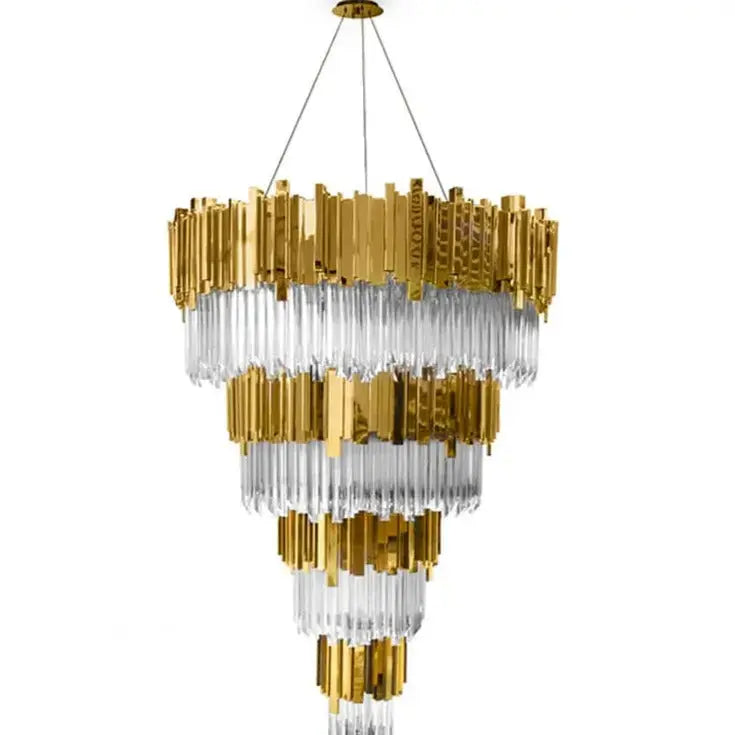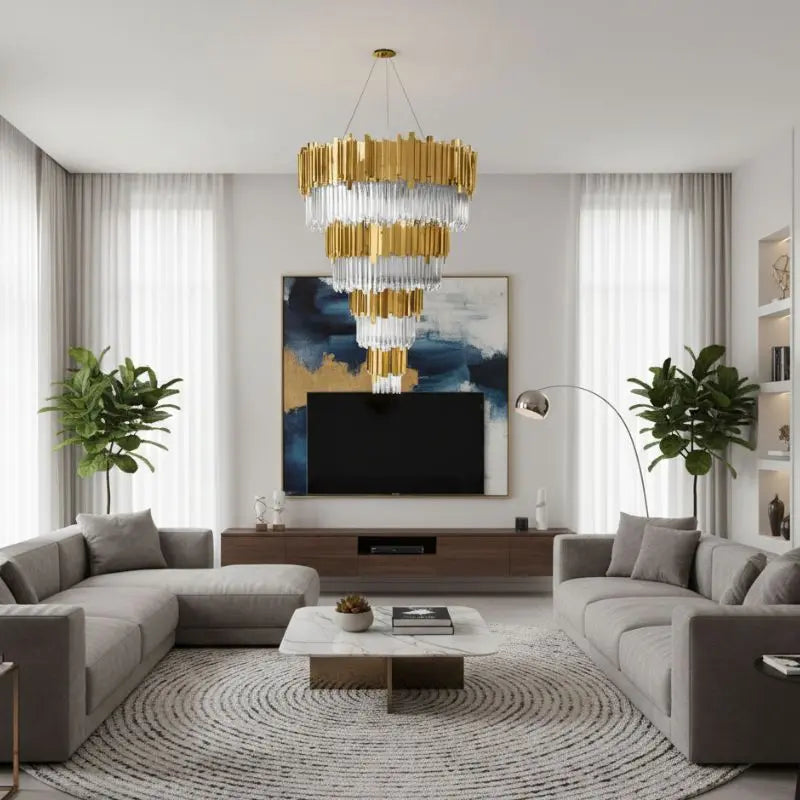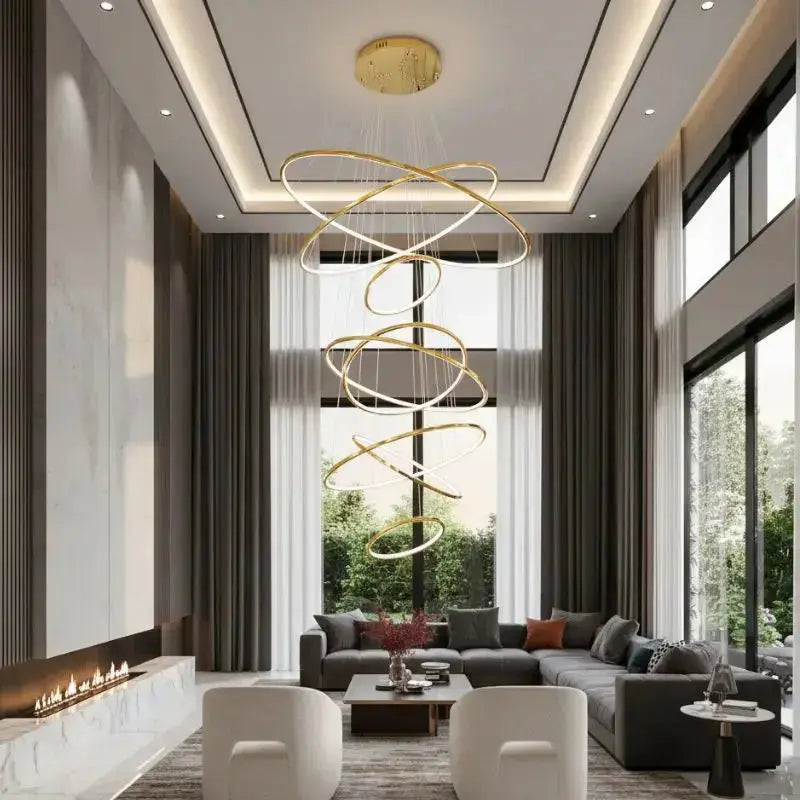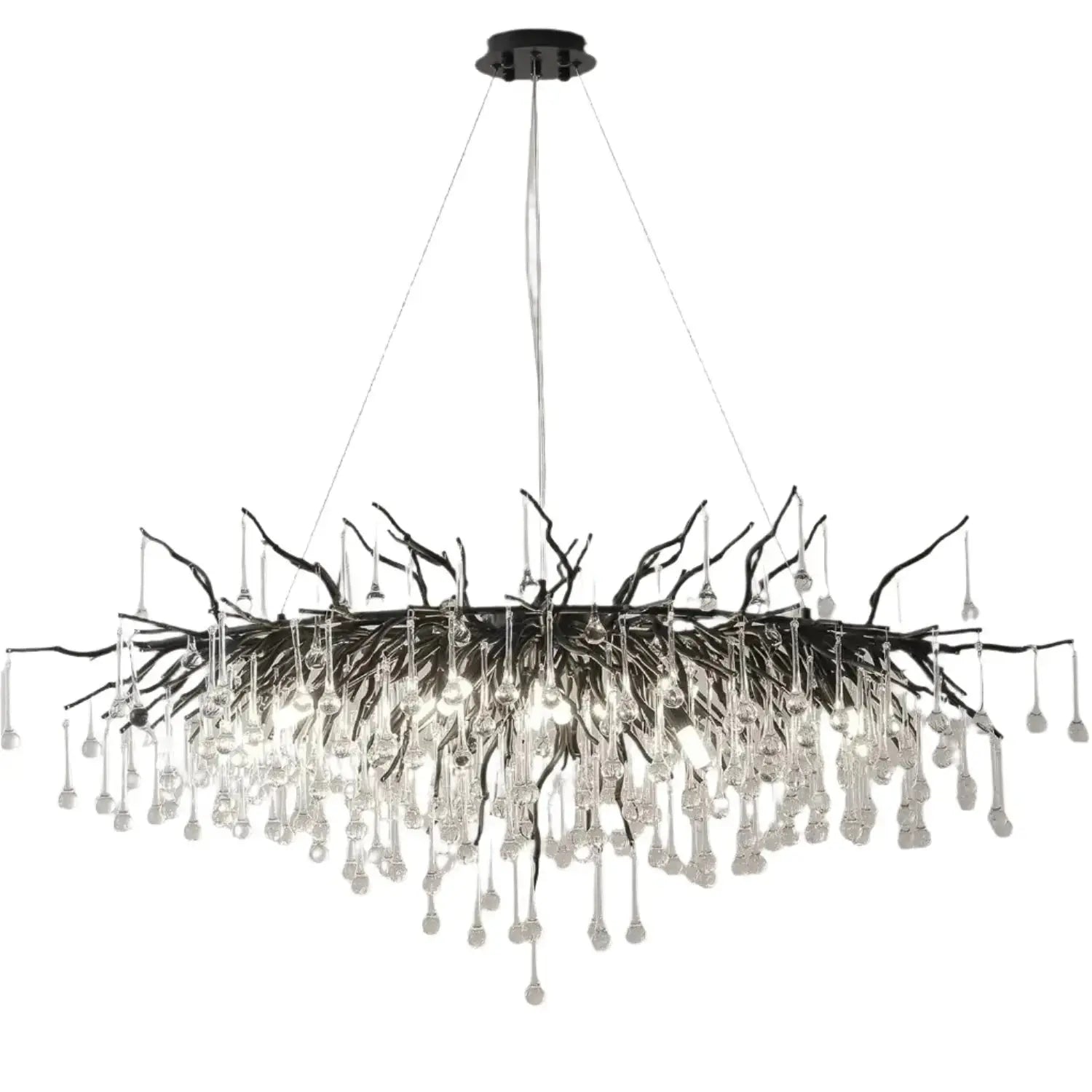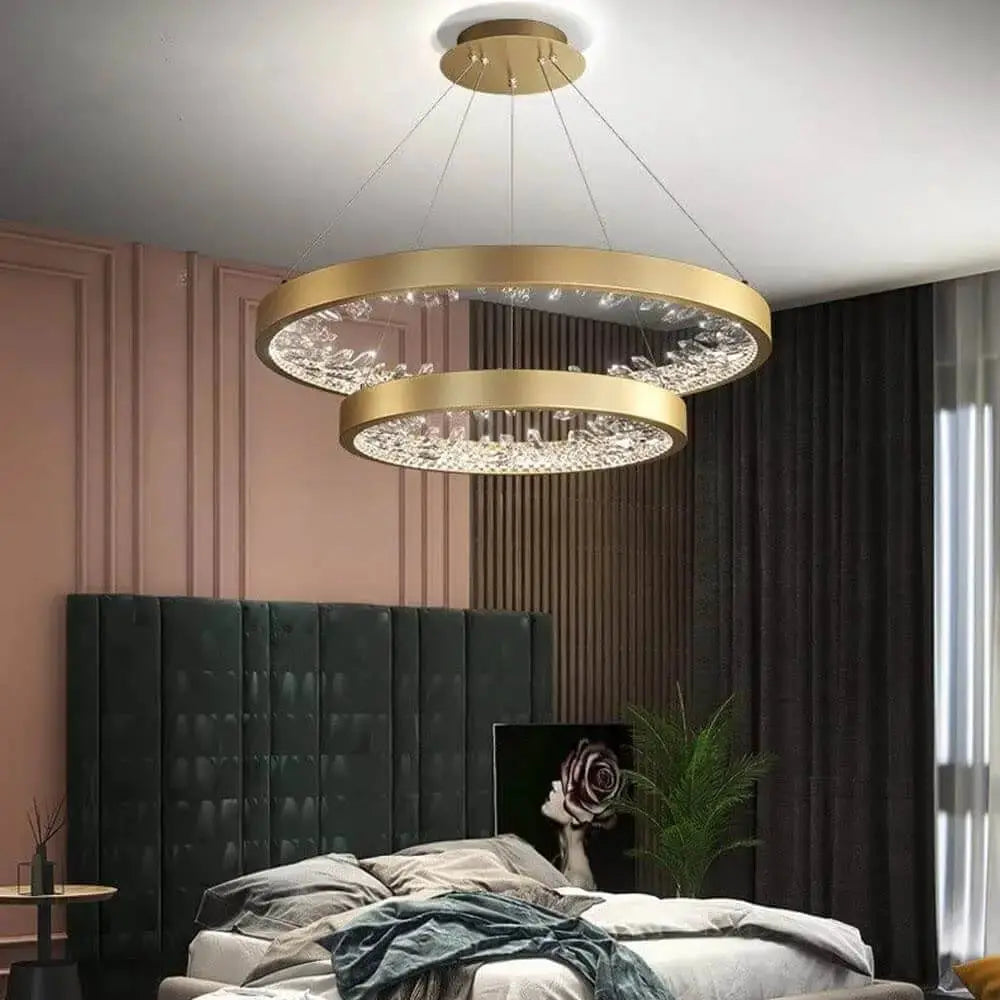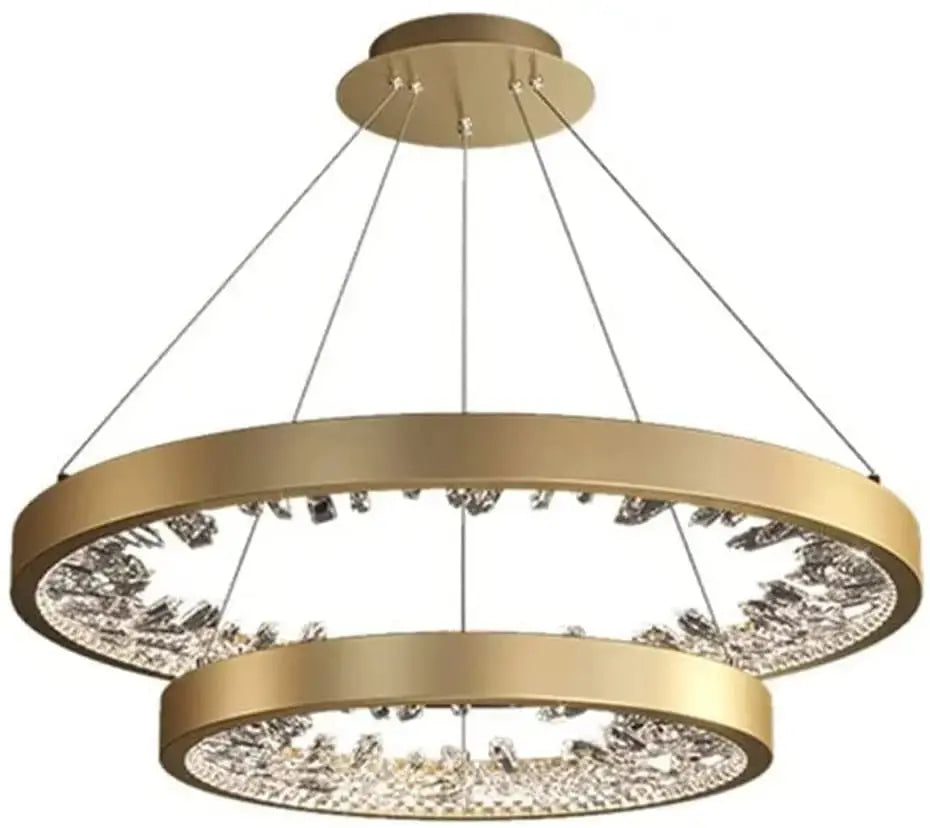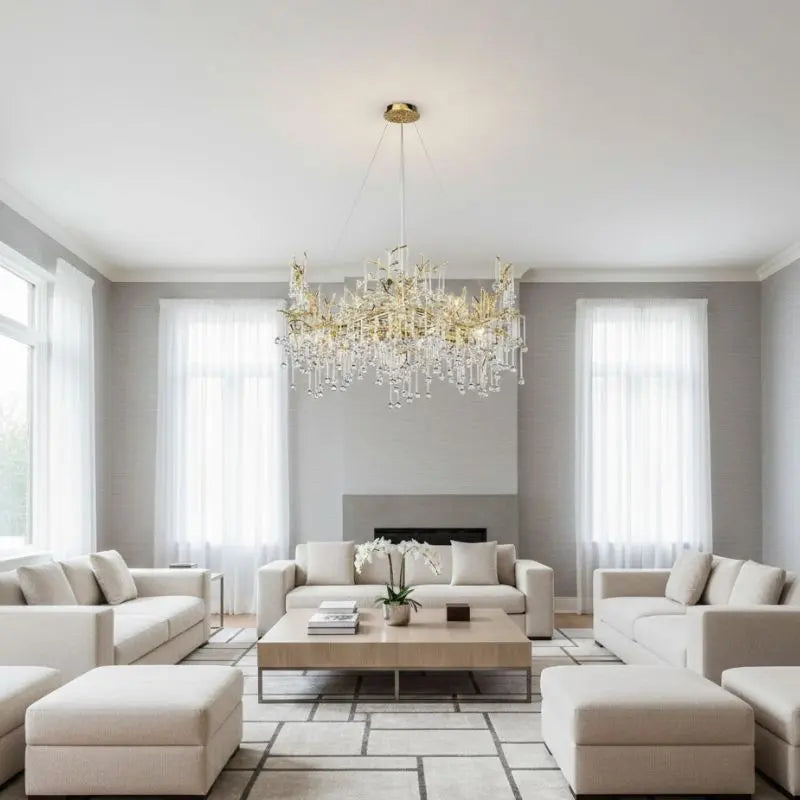
A front door can look beautifully considered by day, then lose its presence entirely after dusk. Choosing an outdoor lantern versus sconce changes more than the amount of light around an entrance: it sets the architectural mood, affects how welcoming the approach feels, and determines whether the fixture reads as a refined detail or a true exterior statement.
For homes where lighting is part of the decorative scheme, the decision deserves more thought than simply selecting a weatherproof fitting. Lanterns bring dimension, silhouette and a sense of occasion. Sconces offer a more tailored line against the wall, often with a cleaner, contemporary finish. The right answer depends on the architecture, the available space and what the light needs to do once evening arrives.
Outdoor lantern versus sconce: the essential difference
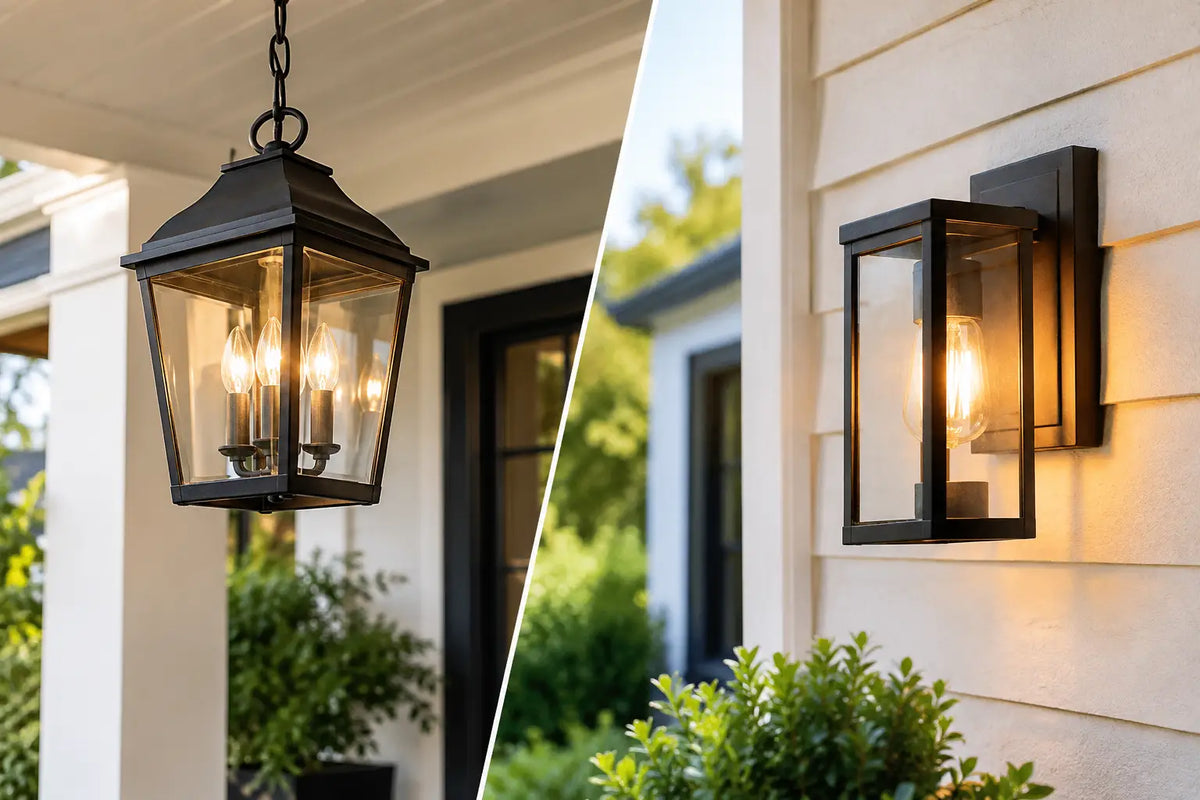
An outdoor lantern is usually a more dimensional fixture, defined by a framed or enclosed form around the light source. It may be wall-mounted beside a door, suspended from a porch ceiling, or installed on a post at the edge of a drive or path. Glass panels, metal cages and candle-inspired lamps give lanterns a classic sense of depth, even when the design is modern.
A sconce, often called an outdoor wall light, sits closer to the exterior wall. Its profile can be slim and architectural, cylindrical and minimal, or decorative with a shade, diffuser or sculptural arm. While some wall lanterns are technically sconces because they mount to the wall, shoppers often use the term “lantern” for a larger, framed traditional-style fitting and “sconce” for a flatter wall light.
That distinction matters visually. A lantern projects outwards and catches the eye from multiple angles. A sconce tends to create a more restrained composition, allowing cladding, brickwork, render or a strong front door colour to remain the focal point.
Choose by the feeling you want to create
A lantern is the natural choice when the entrance should feel ceremonial. Picture a tall black metal lantern flanking a painted timber door, or aged brass lanterns beneath the cover of a portico. The effect is timeless, generous and especially suited to Georgian-inspired façades, country houses, period properties and homes with generous porches.
Lanterns are not limited to traditional exteriors. A large, sharply squared lantern in matt black can lend contemporary homes the same sense of arrival without looking ornate. Clear glass delivers a crisp, luminous appearance, while frosted or seeded glass softens the source and adds texture.
Sconces create a different kind of luxury. They suit a pared-back facade, a narrow entrance or an exterior where clean lines are central to the design. Vertical sconces can visually lengthen a low doorway; slim up-and-down lights can make a rendered wall feel polished after dark. On a modern terrace, matching wall sconces establish a deliberate rhythm without filling the view with bulky fixtures.
There is no rule that says traditional homes must use lanterns or contemporary homes must use sconces. A carefully chosen sconce can bring smart contrast to a heritage property, while a lantern can soften the hard geometry of a new-build. The most convincing choice echoes an existing detail, such as window frames, ironmongery, rooflines or the metal finish of a gate.
Consider scale before style
Scale is where many otherwise lovely exterior schemes go wrong. A fixture that is too small disappears against a broad facade, while one that is too large can crowd the door and make the elevation feel top-heavy.
For a single front door, paired wall fittings often look balanced when each is roughly one-quarter to one-third of the door’s height. A typical 198 cm door, for example, can usually carry lights between around 45 and 66 cm tall, depending on the doorway, ceiling cover and width of the surrounding wall. Larger fittings can be magnificent beside a substantial arched doorway or beneath a double-height porch, but they need breathing room.
Projection matters just as much. Outdoor lanterns extend further from the wall, so check that they will not obstruct a narrow path, catch on an opening gate or feel too close to the person using the door. Sconces are generally the better fit where the approach is tight or where a compact porch leaves little clearance.
When installing a pair, position them at roughly eye level to slightly above it - commonly around 165 to 180 cm from the ground to the fixture centre. The exact placement should respond to the door surround and the proportion of the house rather than a fixed measurement alone.
A note on hanging porch lanterns
If the porch has enough headroom, a hanging lantern can be more striking than two wall-mounted lights. It centres the composition over the doorway and gives a covered entrance the character of an outdoor room. Leave adequate clearance beneath it, particularly where taller guests, parcels or an outward-opening door are involved. A hanging lantern works best as the star of the porch, with any additional wall lighting kept subtle.
Think about light, not only the fitting
A beautiful fitting that creates glare at the doorstep is not a luxurious experience. Transparent lanterns expose the bulb, which can produce a welcoming sparkle but may feel harsh if a bright, bare lamp is used at eye level. Choose warm-white bulbs, usually around 2700K, for a flattering glow that complements stone, timber and planting. Frosted bulbs or fixtures with diffused glass can temper glare while retaining the lantern’s presence.
Sconces offer more directional control. Downlights are useful for safely illuminating thresholds and house numbers, while up-and-down designs bring texture to brick or render. However, very narrow beams can create dramatic stripes rather than practical illumination. Near a front door, look for light that reaches the handle, keyhole and step without shining directly into visitors’ eyes.
For entertaining areas, the mood may be more important than brightness. A pair of softly diffused sconces beside French doors can make a terrace feel intimate, while wall lanterns provide more decorative sparkle for a formal garden-facing elevation. Add separate low-level path or planting lights where safety requires more coverage. One wall fitting should not be expected to illuminate an entire garden.
Match the material to the exposure
Outdoor lighting lives with rain, wind, pollution and seasonal temperature changes. Select a fitting with an appropriate IP rating for its position, especially if it will be exposed rather than protected by a deep porch. Your electrician can advise on the correct rating and installation for the exact location.
Finish also affects how the fitting ages. Powder-coated black is versatile and crisp against most exteriors. Brass and bronze offer depth and enduring warmth, but natural metals may develop a patina over time, particularly in coastal settings. This can be part of their appeal, though it is not ideal if you expect a bright, freshly polished surface indefinitely.
Glass deserves consideration too. Clear glass looks elegant but shows dust, pollen and water marks more readily. Seeded or lightly textured glass is more forgiving and produces a softer, more atmospheric light. On exposed elevations, choose solid construction and quality seals rather than treating weather resistance as an afterthought.
Where each option works best
For a formal front entrance, lanterns are often the most persuasive choice when there is generous wall space or a covered porch. Their depth gives the doorway visual importance and makes the home feel welcoming from the pavement. Choose a sconce instead when the architecture is streamlined, the entrance is narrow, or you want the front door and façade materials to take centre stage.
On a patio or terrace, sconces are exceptionally practical. Their close-to-wall design preserves space around seating and dining areas, and repeated fittings can create an elegant, even wash of light. Lanterns suit larger covered terraces, pergolas and garden rooms where their three-dimensional form can be appreciated from within the space.
Along a side passage, utility door or garage wall, a compact sconce is usually the more sensible option. It gives useful light without protruding into circulation space. Reserve substantial lanterns for the places where guests arrive, gather or pause long enough to notice the craftsmanship.
Let the exterior tell one coherent story
The most polished homes do not necessarily use identical outdoor fixtures everywhere. They use related shapes, finishes and colour temperatures. You might place statement lanterns at the front entrance, then select slimmer wall sconces in the same black finish around the side gate and rear terrace. The result feels layered rather than repetitive.
Before committing, view the fitting at the scale of the actual elevation, not only on a product page. Mark out its height and projection with paper or cardboard, then stand back from the path and look from inside the house as well. The right outdoor light should make arriving home feel considered, and make every evening outside feel a little more inviting.