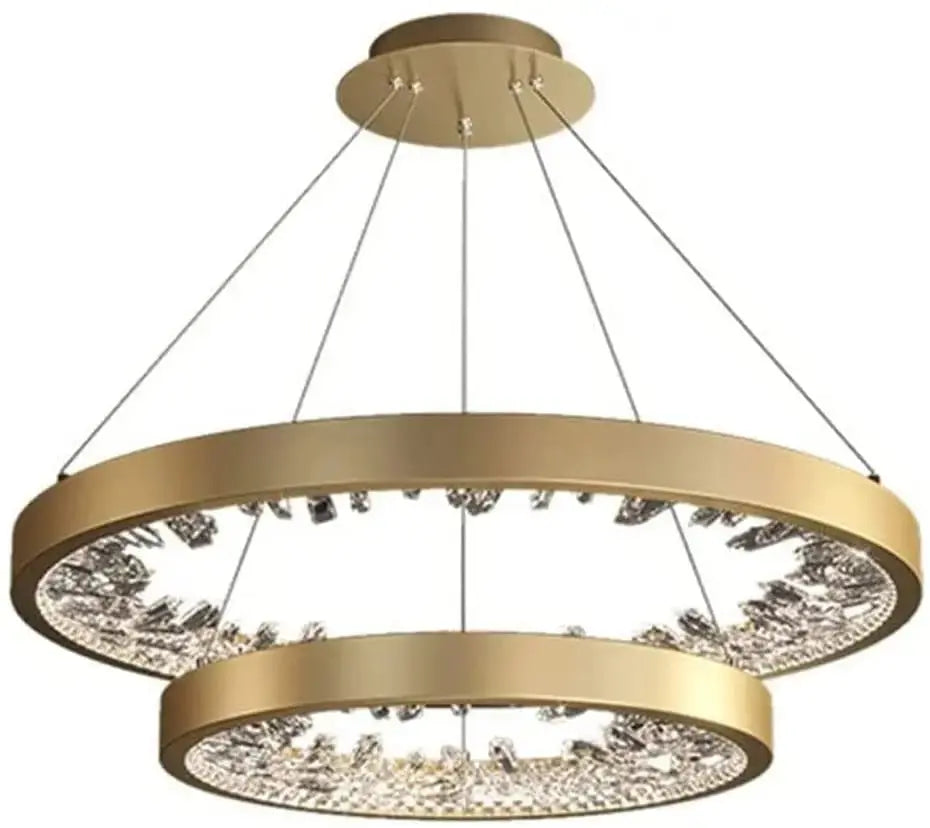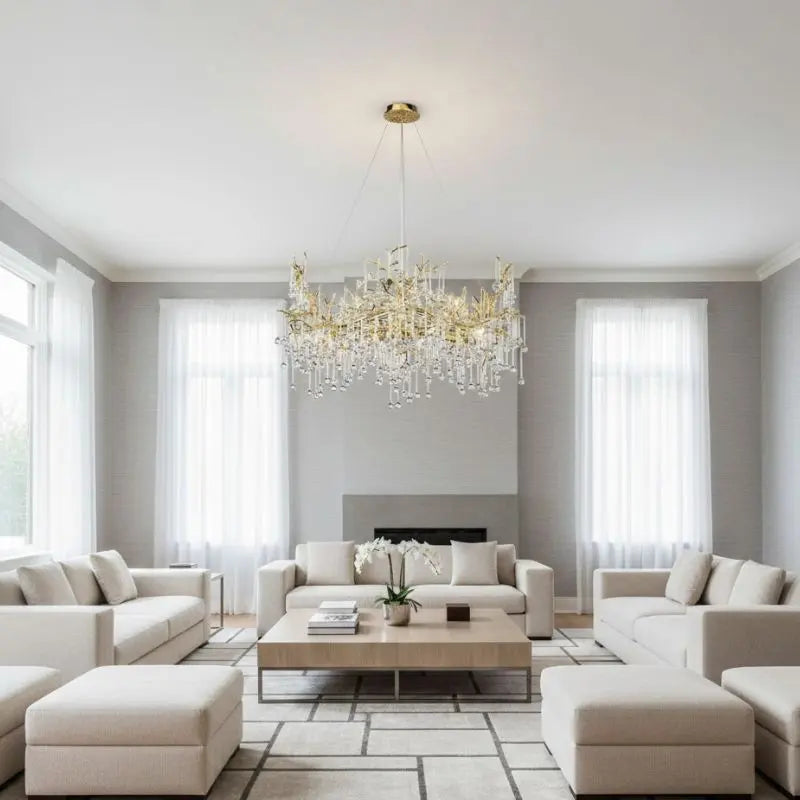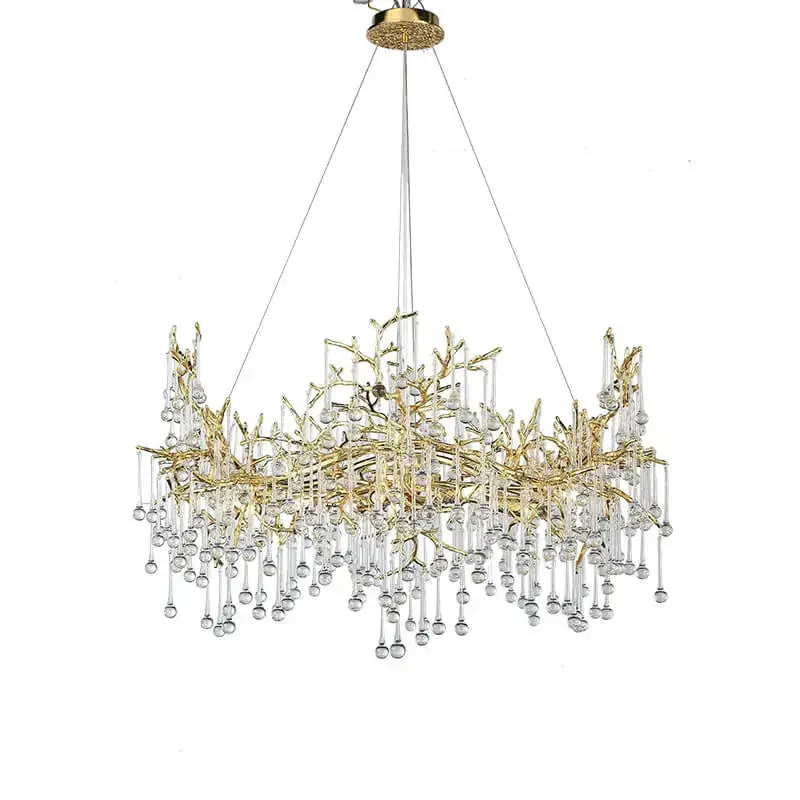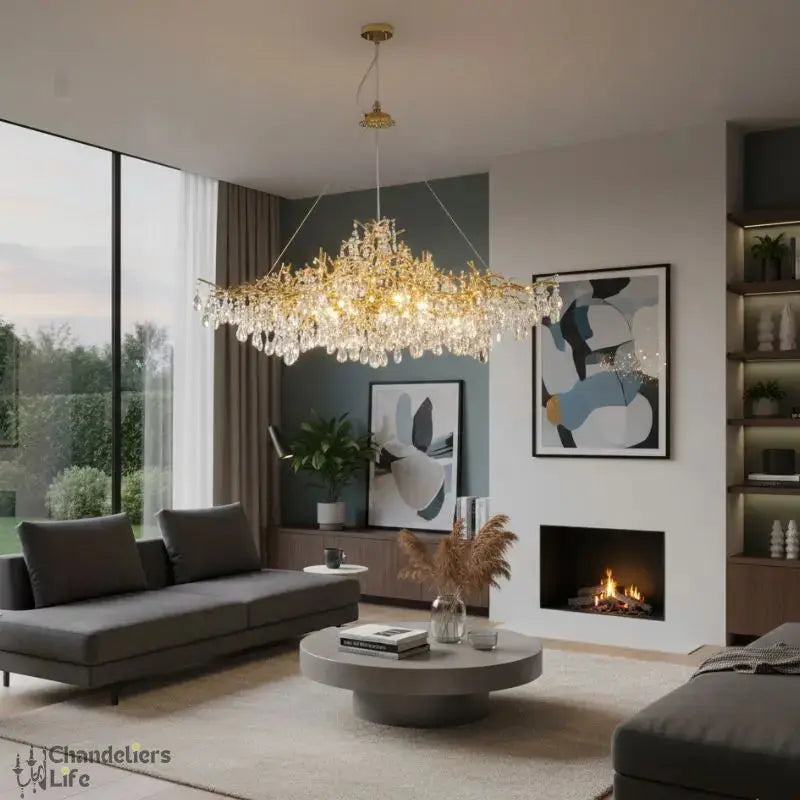
The entrance sets the expectation for every room beyond it. The most compelling luxury foyer lighting trends are moving away from fixtures that simply fill empty space overhead and towards pieces with true architectural presence: chandeliers that frame a staircase, pendants that draw the eye through a double-height ceiling, and softly luminous materials that make an arrival feel considered after dark.
For homeowners investing in a refined interior, the question is no longer whether foyer lighting should make a statement. It should. The more useful question is how to select a statement that suits the scale, materials and character of the home for years to come.
Luxury foyer lighting trends shaping elegant homes
Sculptural silhouettes over predictable forms
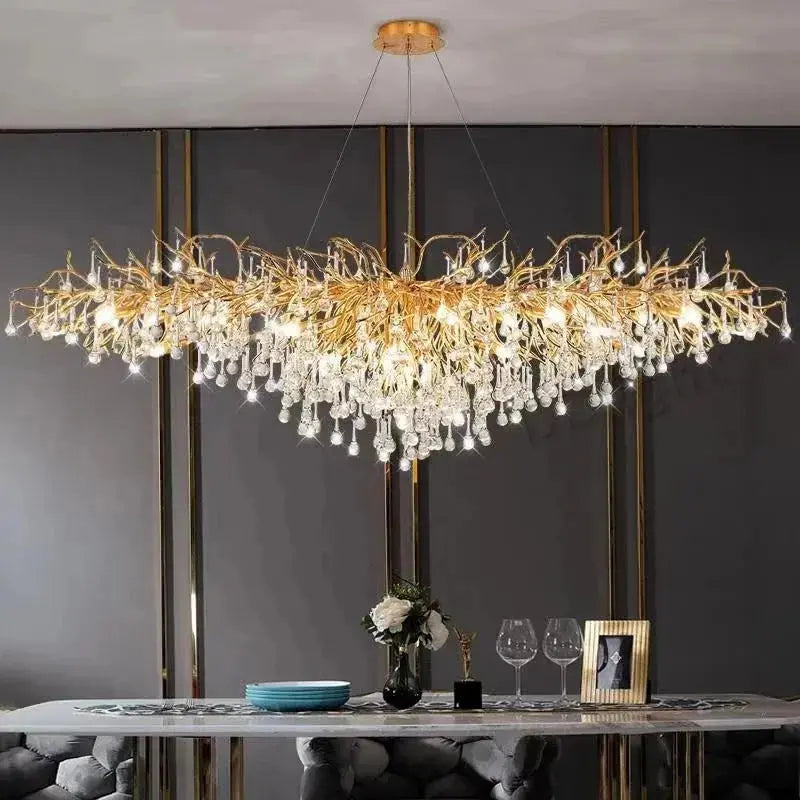
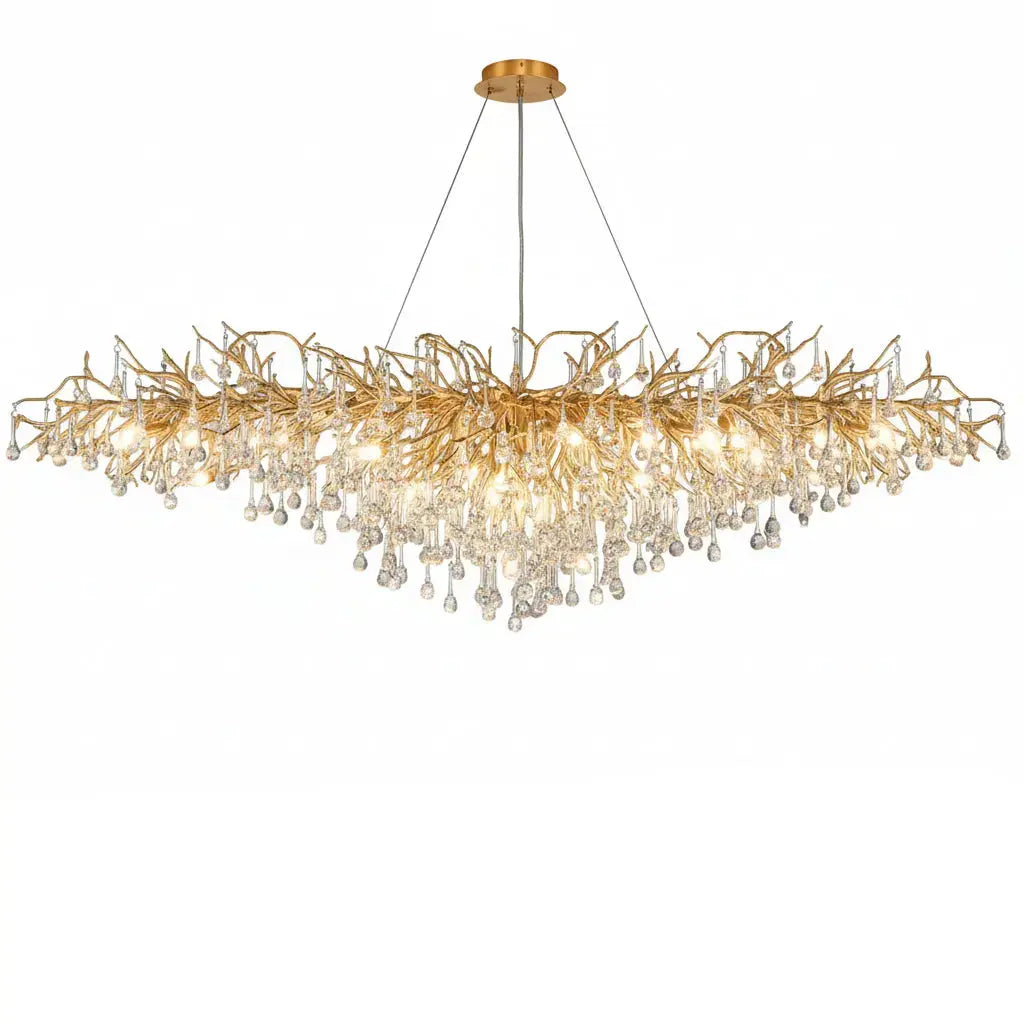
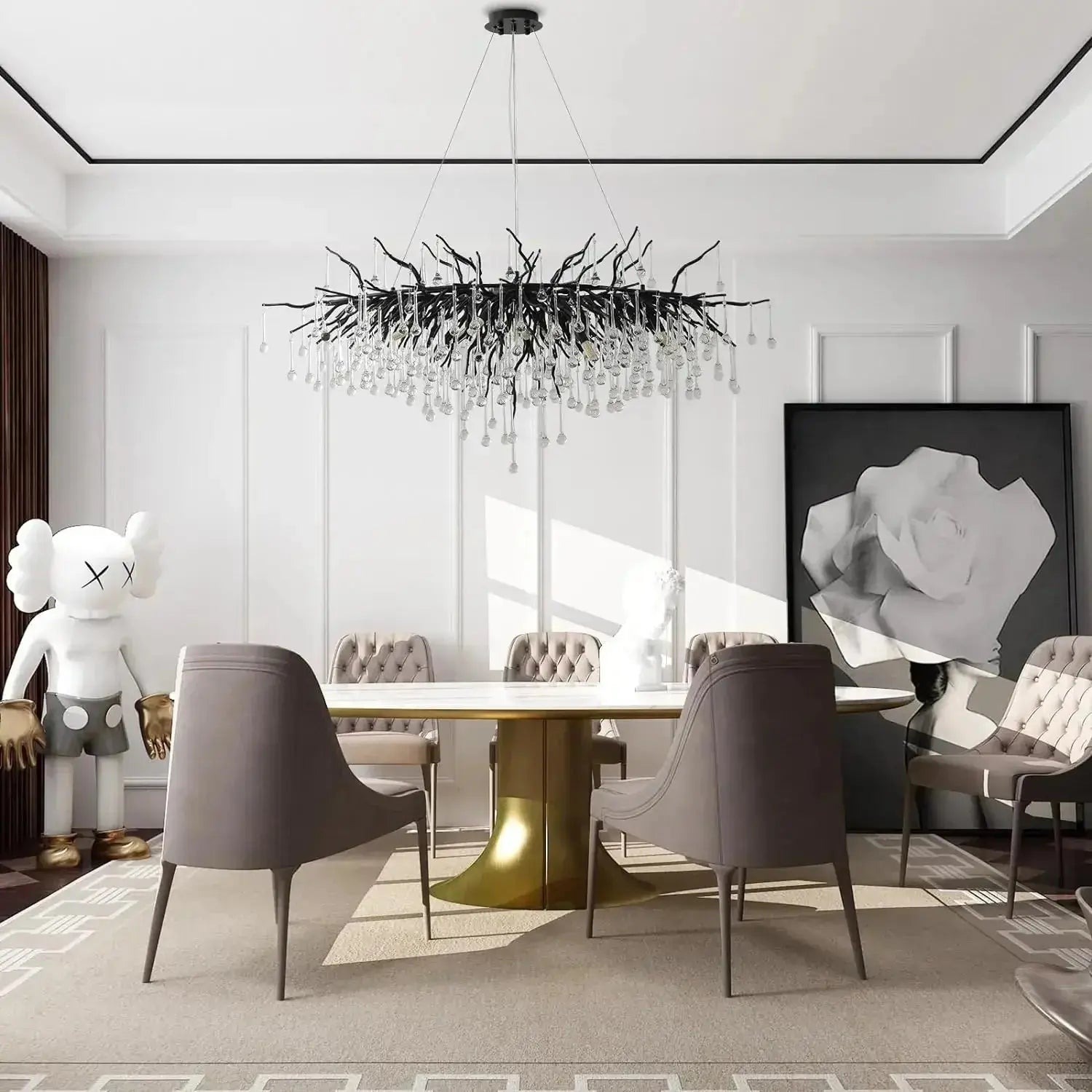
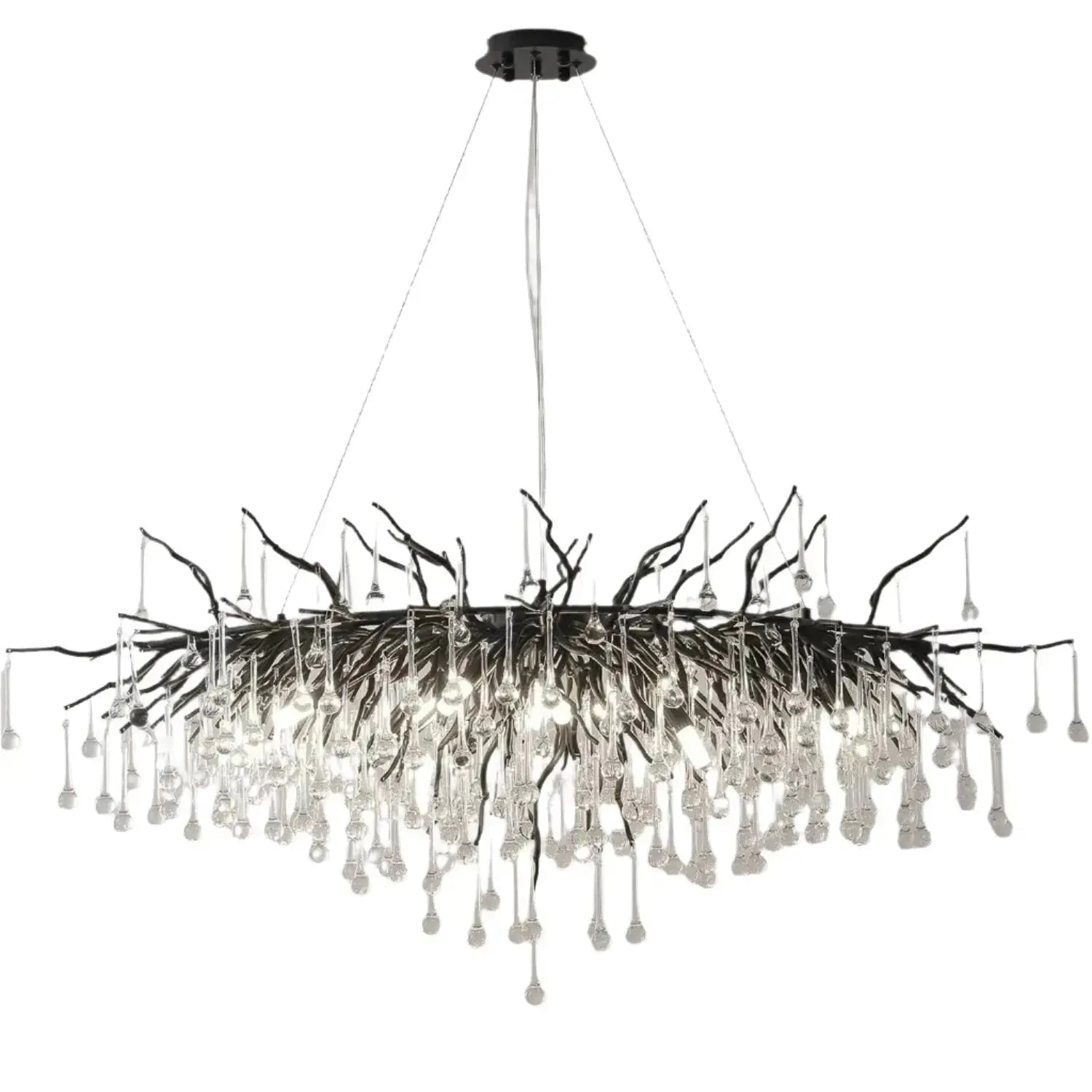
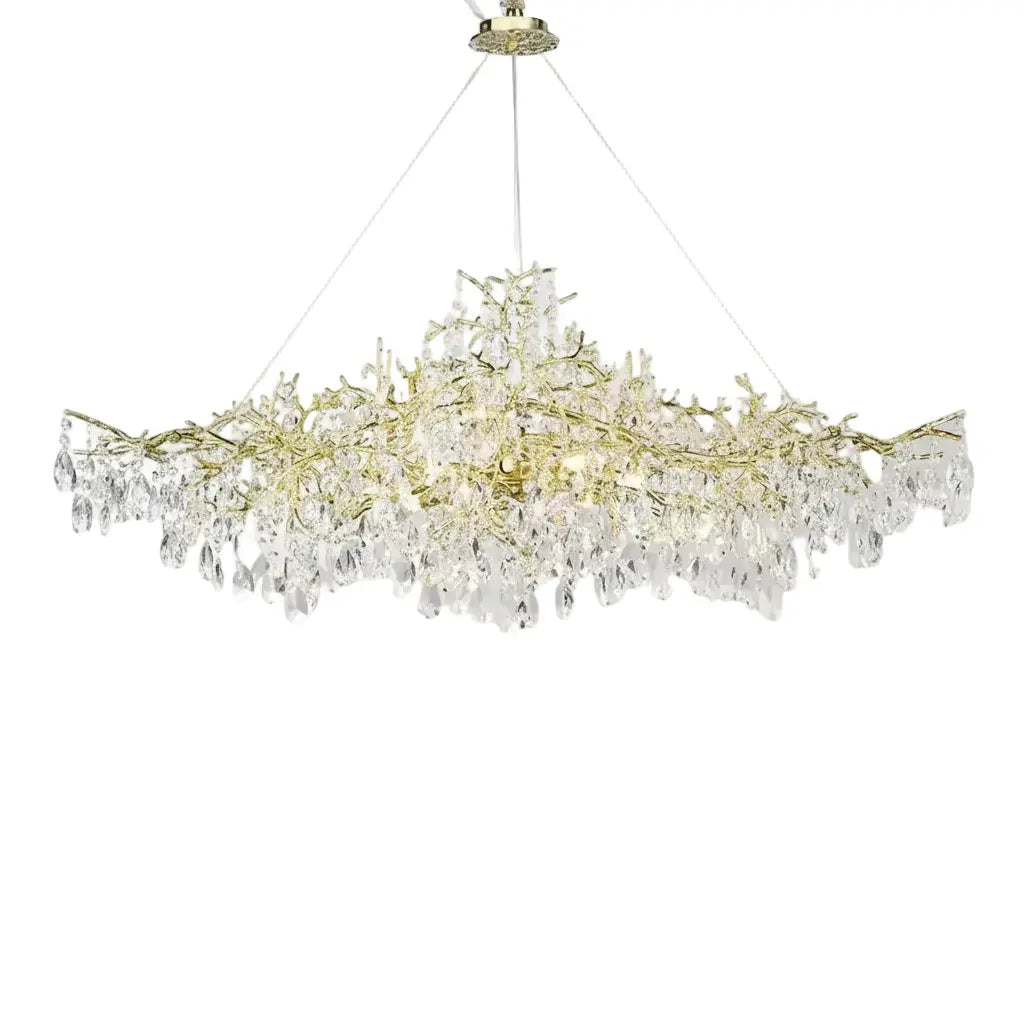
Classic crystal chandeliers will always have a place in grand entrances, but current luxury interiors are favouring more expressive silhouettes. Think cascading compositions, elongated vertical forms, branching metalwork and arrangements of glass that appear suspended in motion. These designs give the foyer a gallery-like quality while still delivering the drama expected of a feature chandelier.
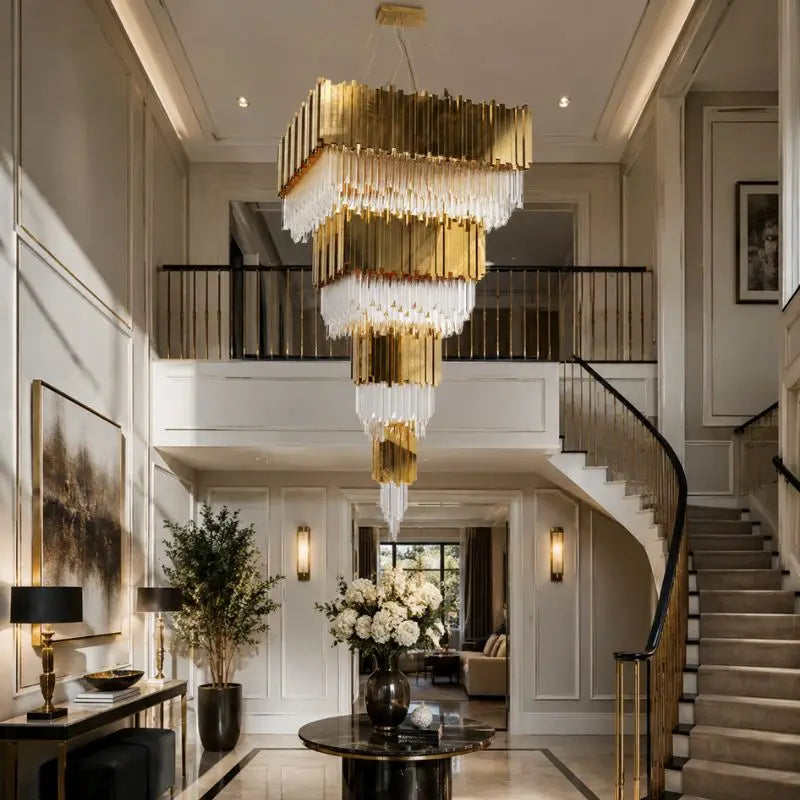
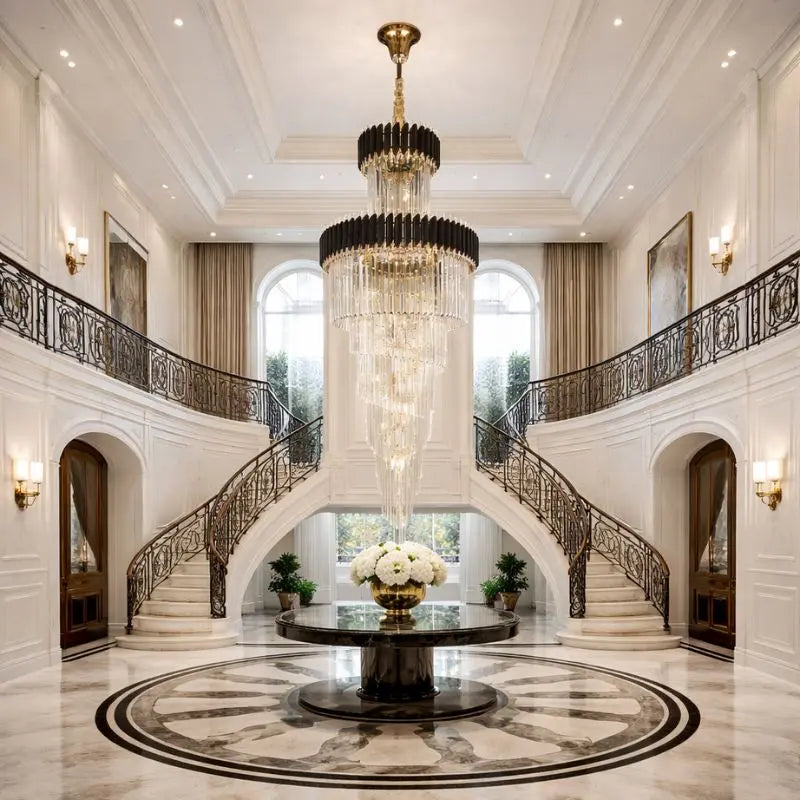
A sculptural fixture is especially effective above an open staircase or in a foyer with sightlines from an upstairs landing. From several viewpoints, it becomes part of the home's visual composition rather than a single decorative object. This is where scale matters most: a compact design can disappear in a tall entrance, while an overly broad fixture may feel crowded in a narrow hall.
Organic materials with a warm glow
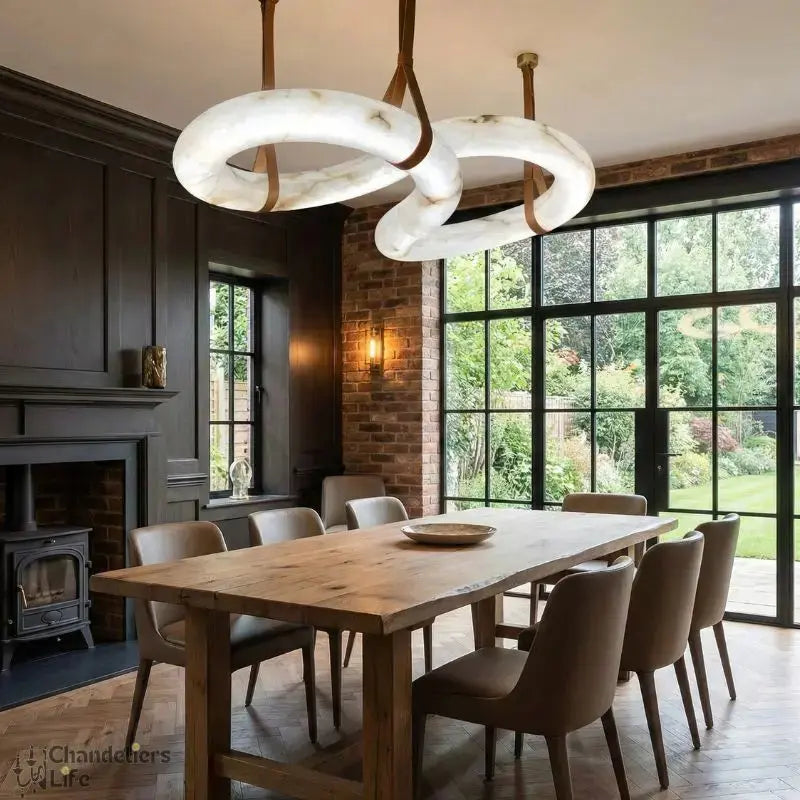
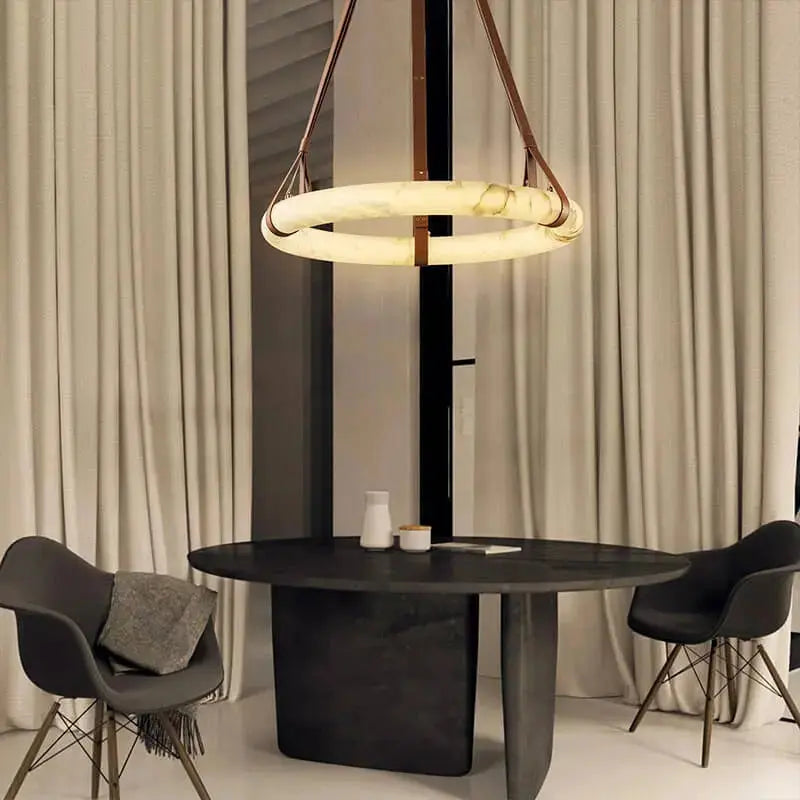
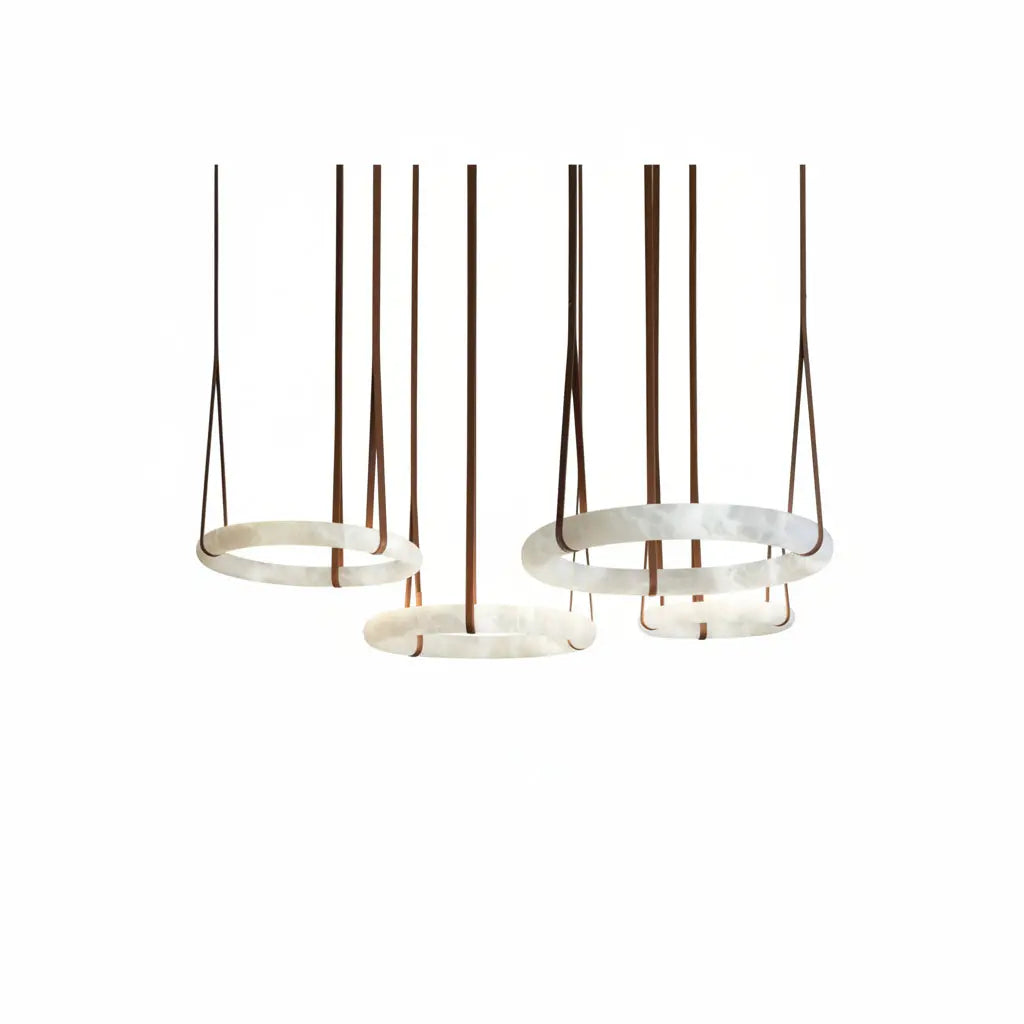
There is a clear shift away from lighting that feels icy or overly polished. Alabaster, softly veined stone-inspired finishes, linen shades and hand-finished glass introduce warmth, depth and a more collected look. Alabaster is particularly suited to foyers because its natural variation makes each illuminated surface feel quietly distinctive. Its glow is diffused rather than harsh, which helps a large fixture retain a sense of softness.
This direction works beautifully in contemporary homes, but it is not limited to minimal interiors. A brass and alabaster chandelier can bring welcome restraint to a traditional entrance with panelling, antique furniture or dark timber. The trade-off is that these materials tend to offer a subtler sparkle than clear crystal. If the brief is maximum brilliance, crystal remains the stronger choice; if the goal is atmosphere and material richness, alabaster has exceptional appeal.
Modern crystal with lighter detailing
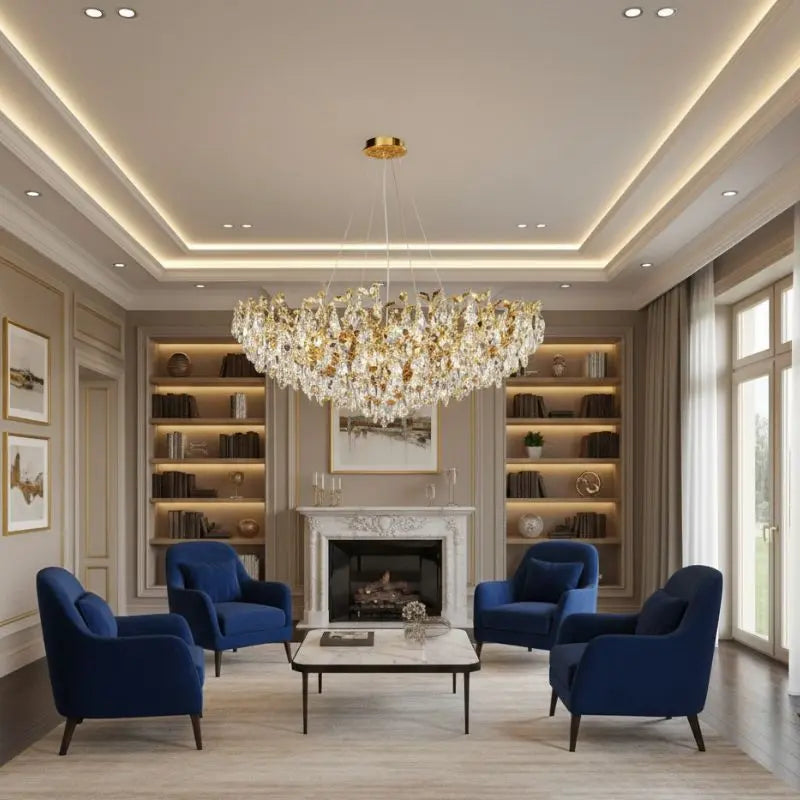
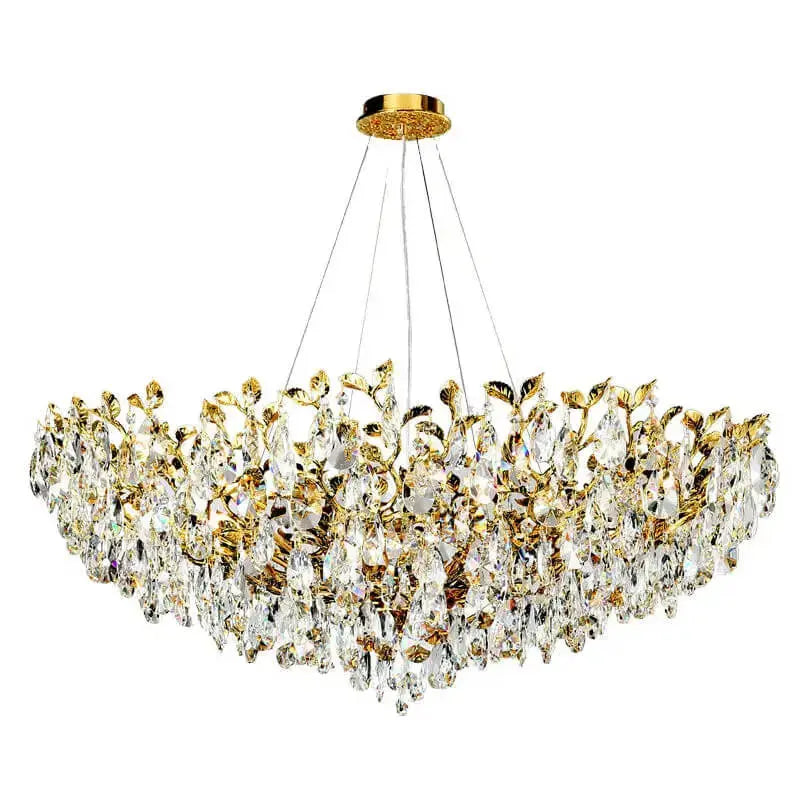
Crystal is being reinterpreted rather than replaced. Instead of densely ornamented frames, many luxury foyer chandeliers now pair crystal prisms, droplets or ribbed glass with slender metal arms and clean geometric structures. The result honours the glamour of classic chandelier lighting while looking at ease in modern renovations.
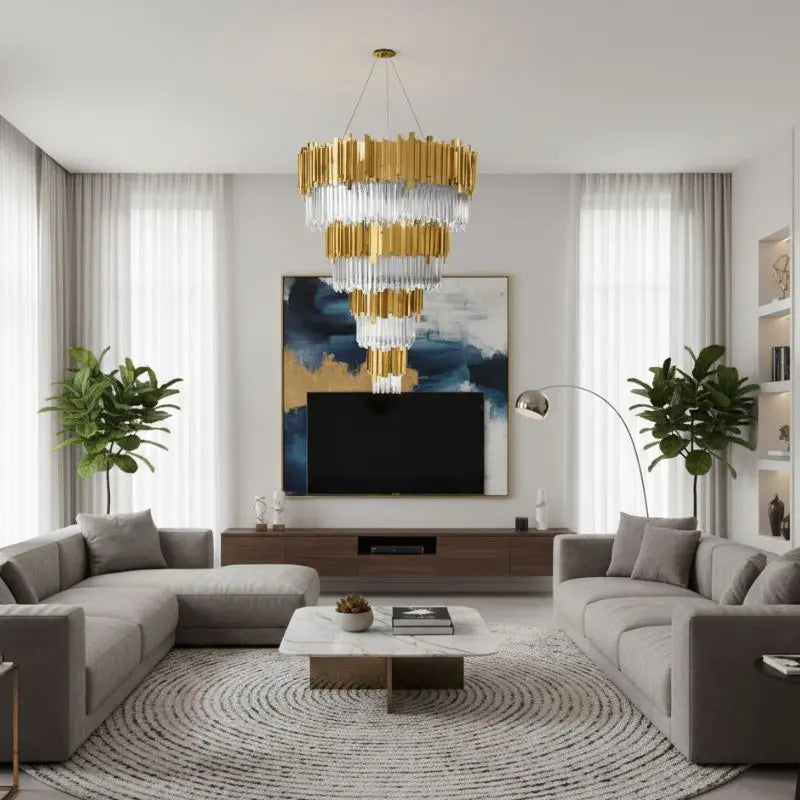
For a foyer that needs visible radiance, crystal remains difficult to surpass. It catches daylight, animates the room when lit and gives an entrance immediate celebratory energy. Choose champagne-toned crystal or warm brass fittings when the surrounding palette includes creams, natural oak or travertine. Clear crystal and polished chrome create a crisper, more formal impression, particularly against white walls and marble flooring.
Vertical installations for double-height spaces
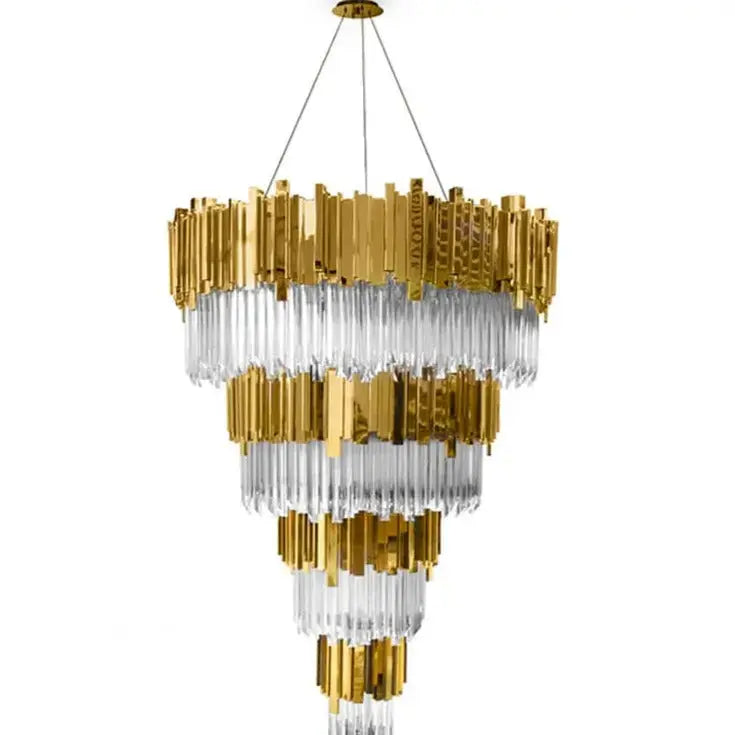
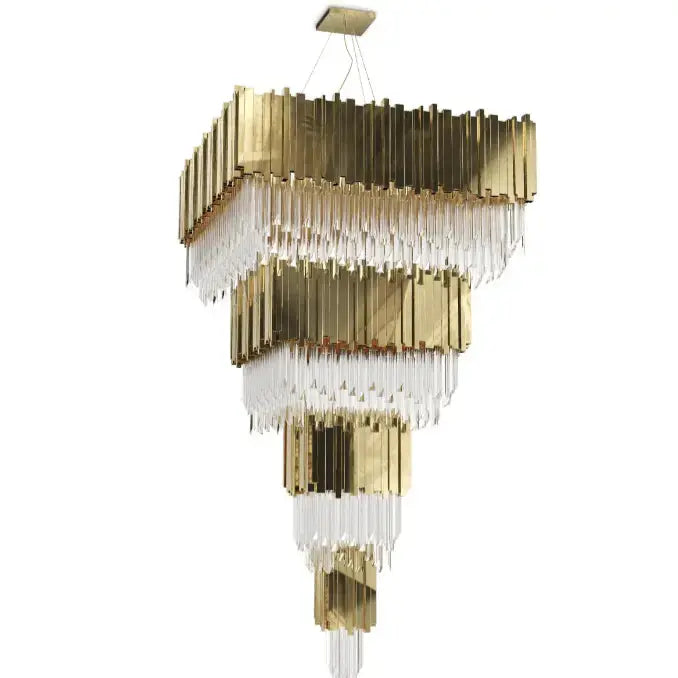
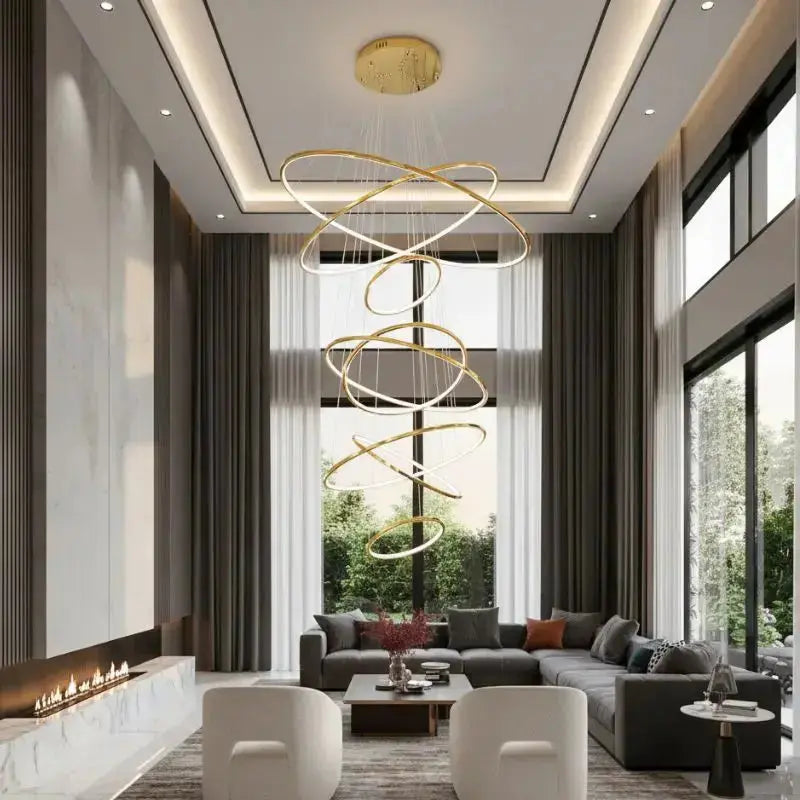
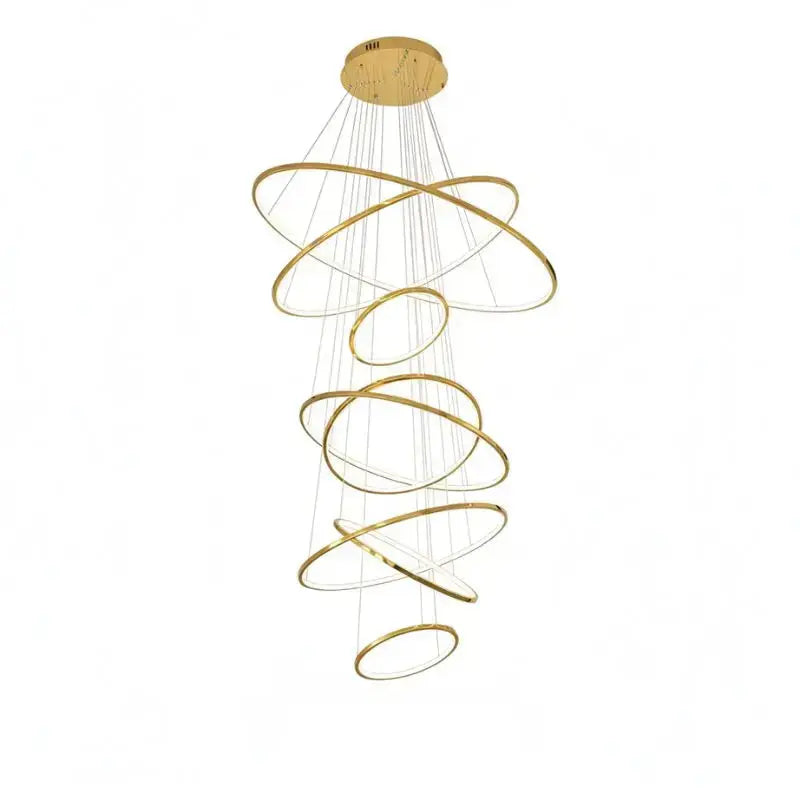
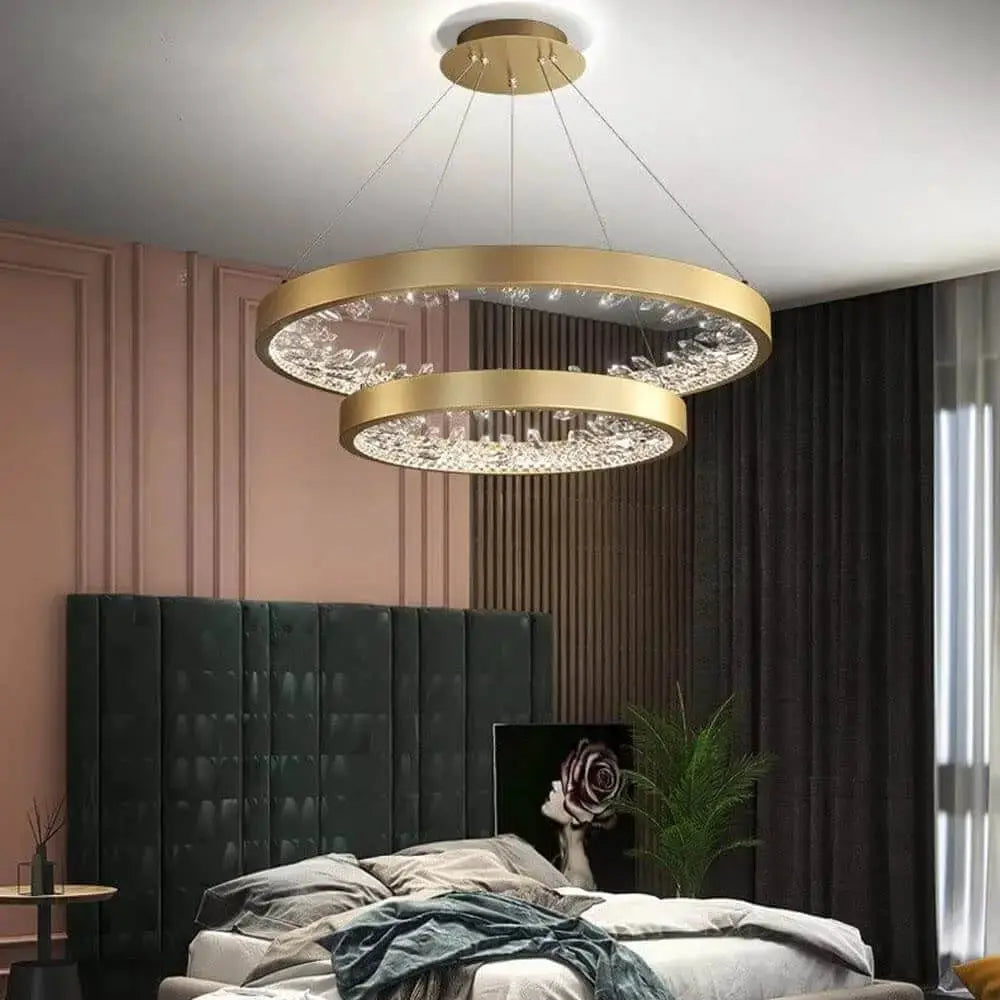
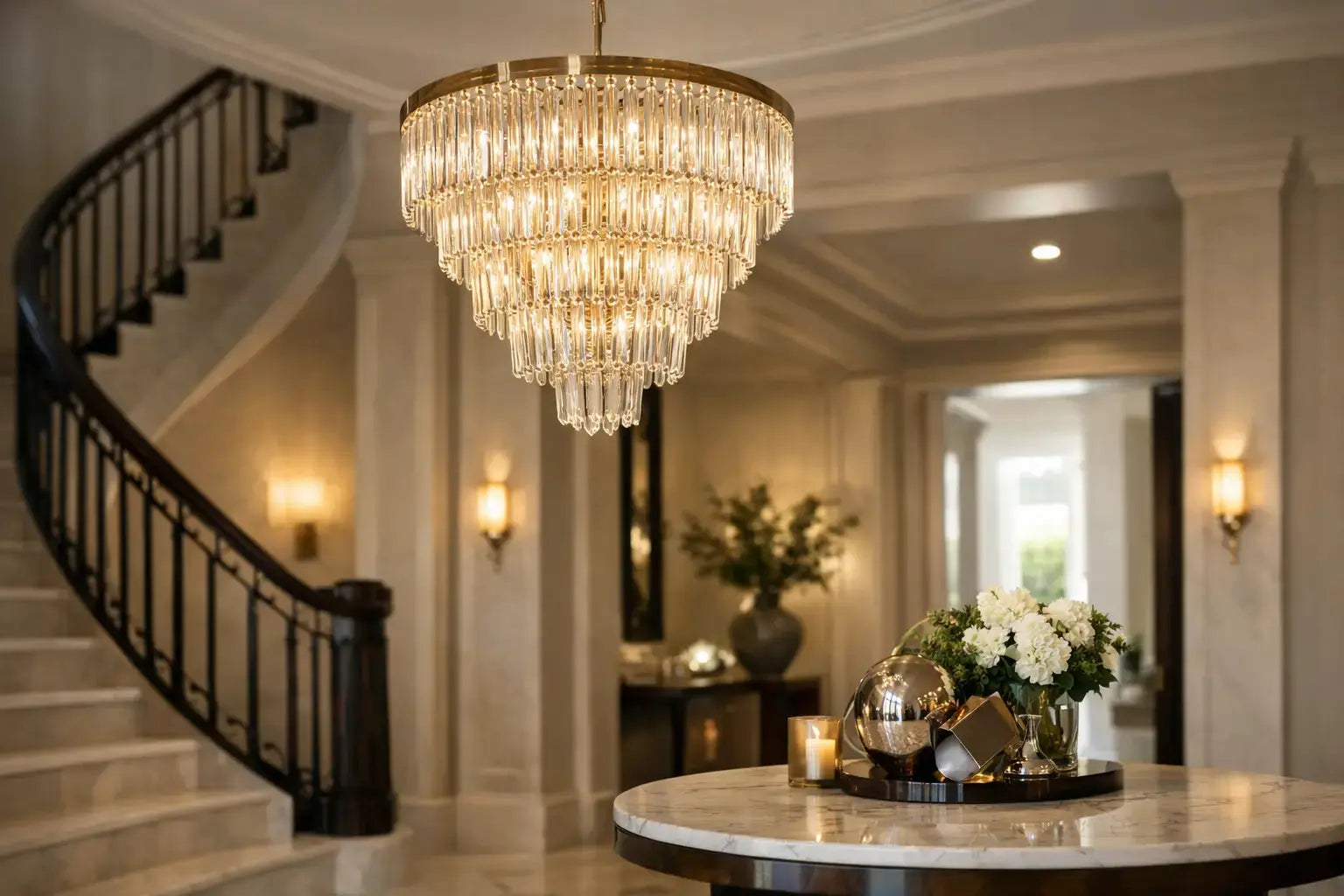
Tall foyers invite a different approach to proportion. A wide, shallow chandelier may leave too much unused space beneath it, whereas a vertical installation follows the architecture and makes the ceiling height feel intentional. Multi-tier chandeliers, cascading pendants and clusters descending at varied lengths are all leading choices for stairwells and double-height halls.
The most successful designs have a clear relationship with the space below. A cascade can echo the line of a staircase, while a tiered chandelier can sit comfortably above a round entry table. Consider where the fixture will be viewed from before deciding on its profile. A design that looks impressive from the front door should also feel balanced from the landing and adjoining rooms.
Layered lighting that feels residential, not theatrical
A statement chandelier is the focal point, but it should not carry the entire lighting scheme. Luxury foyers increasingly rely on layers: decorative overhead lighting for identity, wall sconces for softness and accent lighting to illuminate art, joinery or a console. This creates a flattering wash of light rather than a single pool directly below the fitting.
Dimmers are essential to this approach. They allow the chandelier to feel welcoming on an ordinary evening and suitably luminous when entertaining. In a home with a glazed front door or plentiful daylight, dimming also prevents the foyer from feeling overlit once the sun has gone down. Select compatible dimmable bulbs and fittings from the outset so the effect is planned, not improvised later.
How to choose a foyer chandelier with confidence
Begin with the room's true dimensions, including ceiling height, landing position and the clearance needed around doors. In a standard-height hall, a flush or semi-flush ceiling light, a short chandelier or a refined lantern can supply elegance without interrupting movement. In a taller space, the fixture should occupy enough of the vertical volume to feel purposeful.
For wide foyers, a useful starting point is to add the room's length and width in feet, then use that figure in inches as an approximate chandelier diameter. A 12 by 14 foot entrance, for example, may suit a fitting around 26 inches wide. This is guidance rather than a strict rule. A visually light glass design can be larger than a dense metal lantern, and a dramatic staircase composition may call for a deliberately taller fitting.
The hanging height deserves equal attention. In rooms without a staircase beneath the fixture, leave comfortable clearance beneath the lowest point. Above a table, there is more flexibility because the furniture anchors the composition. For a double-height foyer, avoid positioning the chandelier so high that its detailing disappears. It should be admired from the threshold, not mistaken for a distant ceiling ornament.
Match the finish to the home's permanent elements
Lighting does not need to match every door handle and tap, but it should belong to the same design conversation. Aged brass adds warmth to creamy stone, walnut, oak and traditional millwork. Black and dark bronze provide definition in contemporary or industrial-leaning halls. Polished nickel and chrome bring tailored brightness to formal interiors, while mixed finishes can make a newer home feel less uniform.
Look first at the elements that are costly to change: flooring, staircase railings, architectural ironwork and major hardware. A foyer chandelier should complement these foundations rather than follow a passing accent colour. This is one reason neutral luxury materials - crystal, alabaster, glass, brass and dark bronze - endure so well.
The right amount of drama
The best entrance lighting creates a memorable first impression without competing with every feature in the room. If the foyer has elaborate stone flooring, a highly patterned stair runner and ornate wall treatment, a simpler sculptural chandelier may provide the necessary pause. If the architecture is pared back, a lavish crystal cascade or a large alabaster pendant can supply the focal point the room needs.
Do not overlook maintenance when selecting a complex design. Crystal fixtures reward occasional careful cleaning, while open metal forms are usually easier to maintain. Consider access as well: a chandelier above a staircase may require specialist cleaning or servicing, which makes durable finishes and quality construction worthwhile.
A foyer should feel like an invitation, not a showroom display. Choose the fixture that reflects how you want the home to be experienced - luminous and glamorous, warm and sculptural, or quietly timeless. With a thoughtfully scaled statement light and gentle layers around it, ChandeliersLife can help turn the first few steps indoors into a lasting impression.