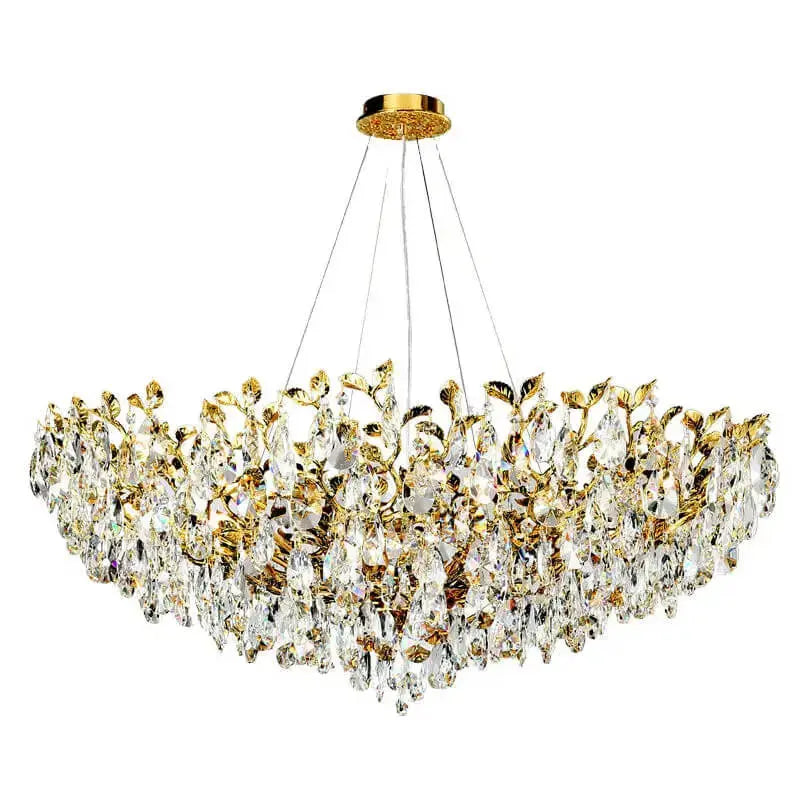
Picking out the right ceiling lights can really change how a room feels and works. It's not just about making things bright, you know? It's about setting a mood, making sure you can actually do things in the space, and making it look good. We're going to walk through how to choose ceiling lights that fit what you need and what you like.
Key Takeaways
- Figure out what the room is for and what you do in it. This helps decide how much light you need and what kind.
- Look at different kinds of ceiling lights like flush mounts, semi-flush, pendants, or recessed ones to see what fits your room's height and style.
- Make sure the size of the light fixture makes sense for the room. Too big or too small can look off.
- Pick a style, material, and finish for your ceiling lights that goes with your furniture and the room's overall look.
- Think about energy-saving bulbs like LEDs and what color light works best for the mood you want.
Understanding Your Lighting Needs
Before you even start looking at pretty fixtures, let's talk about what you actually need your lights to do. It sounds obvious, but really thinking this through saves a lot of headaches later. Lighting is more than just making a room bright; it's about setting a mood and making the space work for you.
Determine the Purpose and Functionality of the Space
Think about how you use each room. Is it a place for relaxing, like a living room or bedroom? Or is it more about getting things done, like a kitchen or home office? The main job of the room really dictates the kind of light you'll need. For example, a cozy den might need softer, warmer light, while a workshop needs bright, clear light to see details.
Assess Activities and Illumination Requirements
Once you know the room's purpose, list out the specific activities that happen there. Do you read a lot in your living room? Cook elaborate meals in the kitchen? Or maybe you have a craft area that needs good light? Each activity has different lighting needs. Reading needs focused light, cooking needs bright light over countertops, and general relaxation needs a softer glow. It's helpful to think about these in layers: general light for the whole room, task light for specific jobs, and maybe accent light to highlight artwork or features.
Here's a quick way to think about it:
- General Illumination: Lights up the whole room. Think ceiling fixtures that spread light around.
- Task Lighting: Focused light for specific activities like reading, cooking, or working. Desk lamps or under-cabinet lights are good examples.
- Accent Lighting: Used to draw attention to certain features, like artwork or architectural details. Spotlights are often used for this.
Consider the Desired Ambiance
What kind of feeling do you want in the room? Do you want it to feel energetic and bright, or calm and cozy? The color temperature of the bulbs and the type of fixture play a big role here. Warm, yellowish light (around 2700K-3000K) is great for creating a relaxing vibe, perfect for bedrooms or living areas. Neutral white light (around 3500K-4100K) is good for kitchens and bathrooms where you need clear visibility. Cool white light (5000K+) can feel more energizing, like daylight, and is often best for workspaces. You can also use dimmers to change the mood throughout the day or for different occasions. Getting the right light fixtures can really make a difference in how a room feels.
Lighting is the foundation for creating a functional, inviting, and stylish atmosphere. The right lighting scheme can enhance the mood, highlight architectural features, and showcase your décor. It's not just about brightness; it's about shaping the experience of a space.
Exploring Different Types of Ceiling Lights
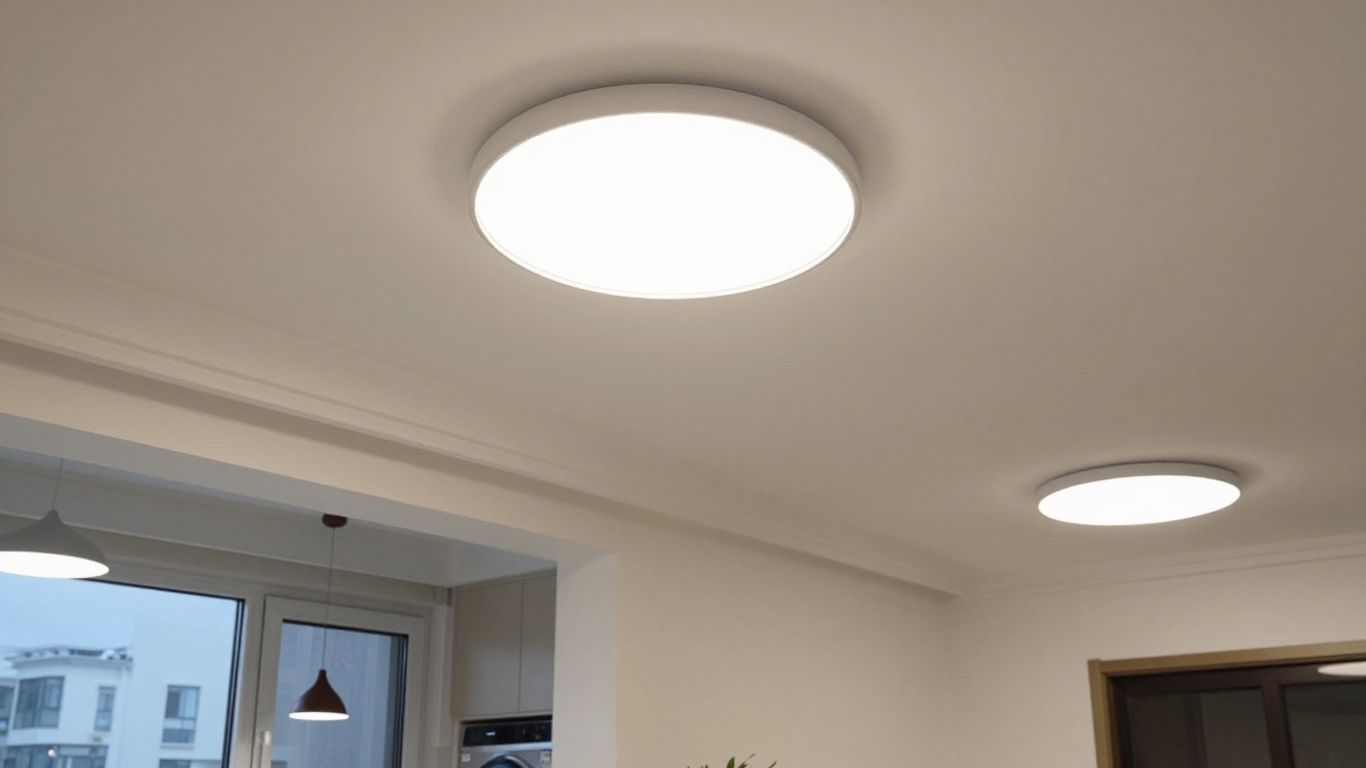
Ceiling lights are the workhorses of home illumination, providing the foundational light that makes a room functional. But they're also a fantastic opportunity to add style and personality. Picking the right kind can really change how a space feels, so let's look at some popular options.
Flush Mount Fixtures for Low Ceilings
These are your go-to when ceiling height is a concern. Flush mount lights sit right up against the ceiling, so they don't hang down and get in the way. They're great for hallways, smaller bedrooms, or anywhere you need light without sacrificing headroom. They cast a nice, even glow across the room. They're a simple, effective way to light up a space without drawing too much attention. You can find them in all sorts of styles, from plain and modern to ones with a bit more decorative flair.
Semi-Flush Mount Options
Think of semi-flush mounts as a step up from the basic flush mount. They still attach close to the ceiling, but there's a small gap between the fixture and the ceiling surface. This little bit of space lets light spill upwards, creating a softer, more diffused ambiance. It also helps with air circulation around the bulb. These are a good choice for rooms where you want a bit more visual interest than a standard flush mount but still need to keep things relatively close to the ceiling. They work well in living rooms or dining areas.
Decorative Pendant Lights and Chandeliers
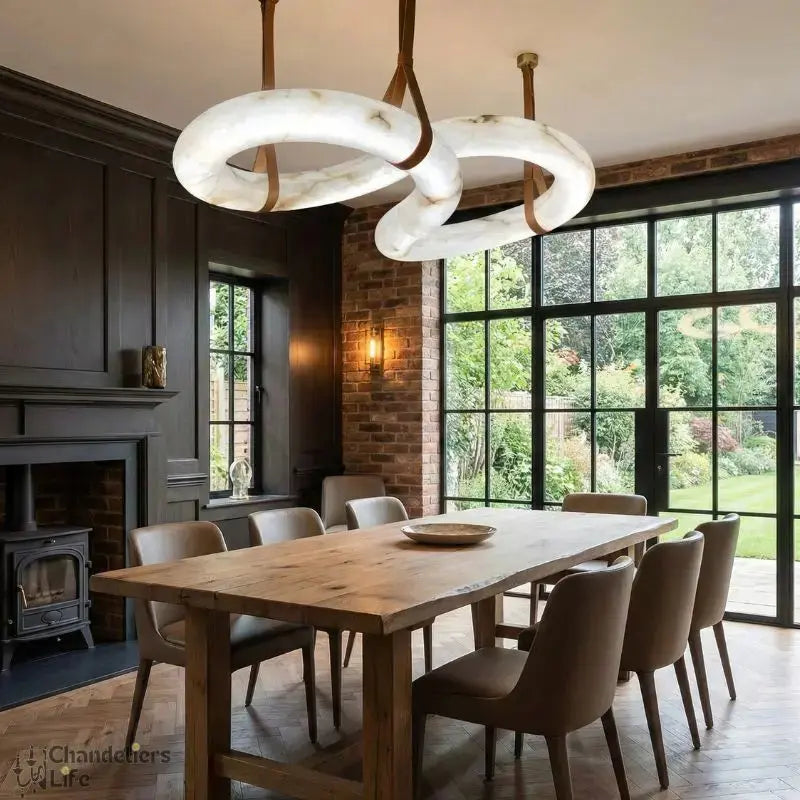
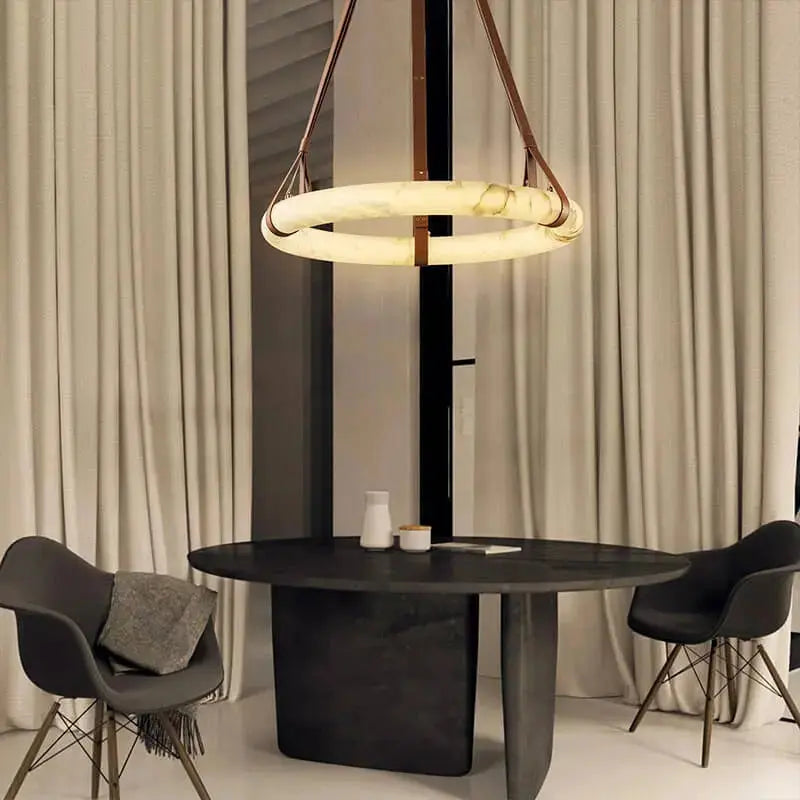
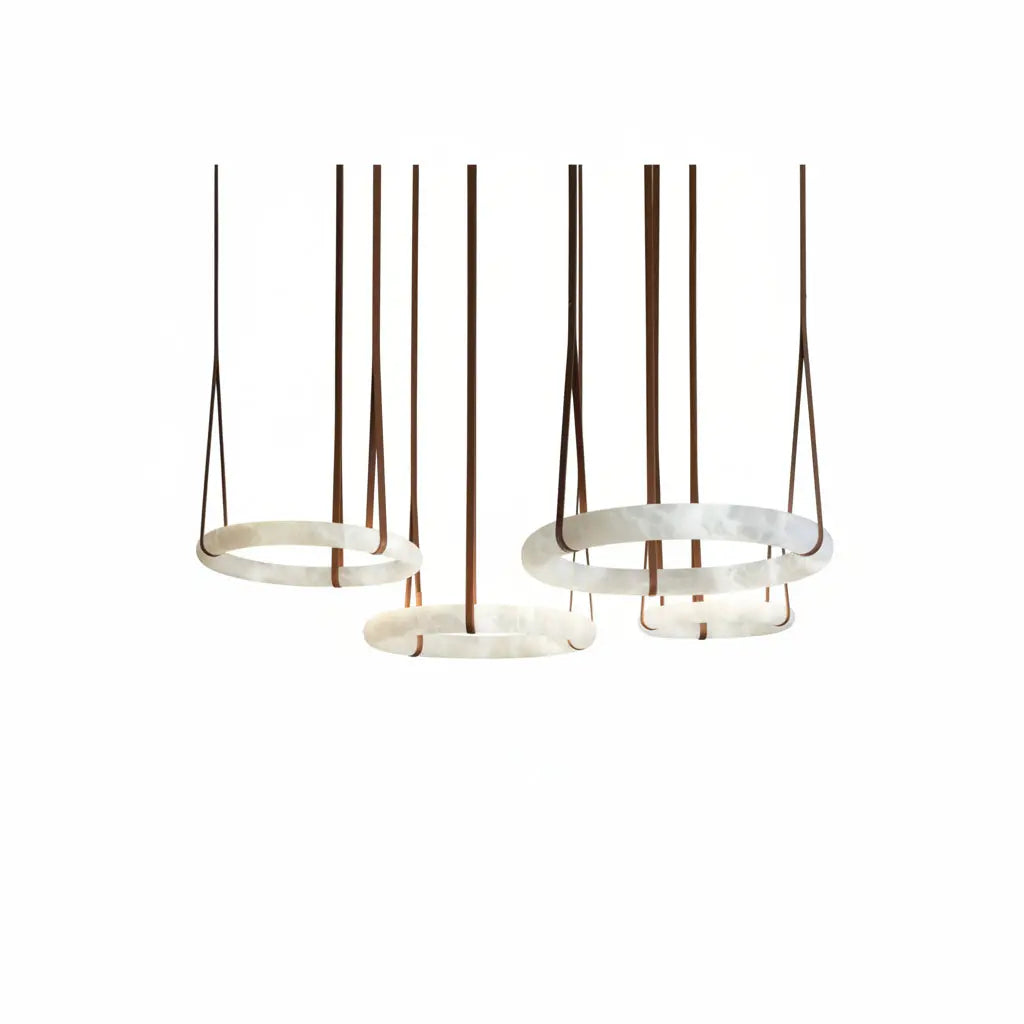
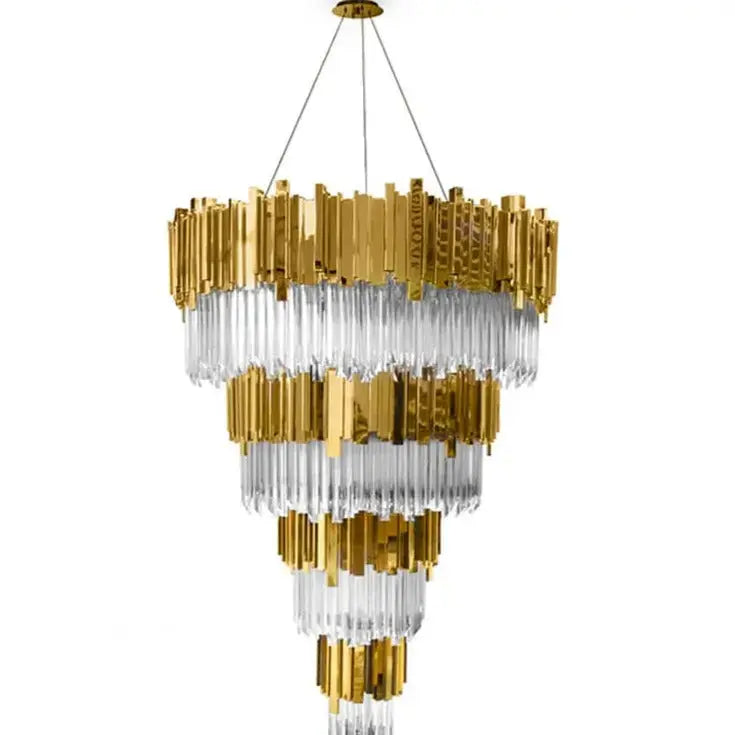
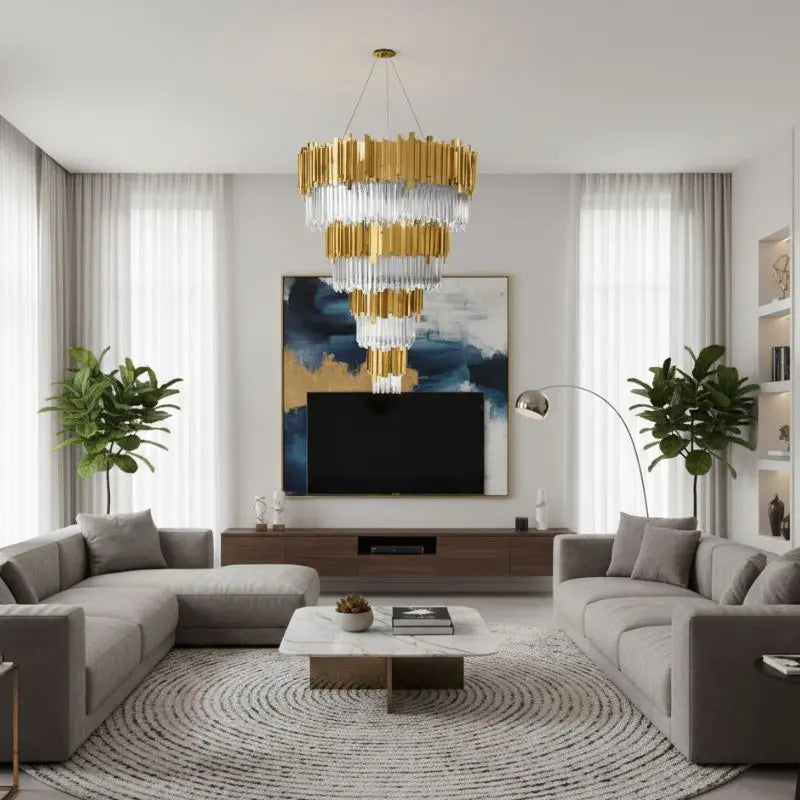
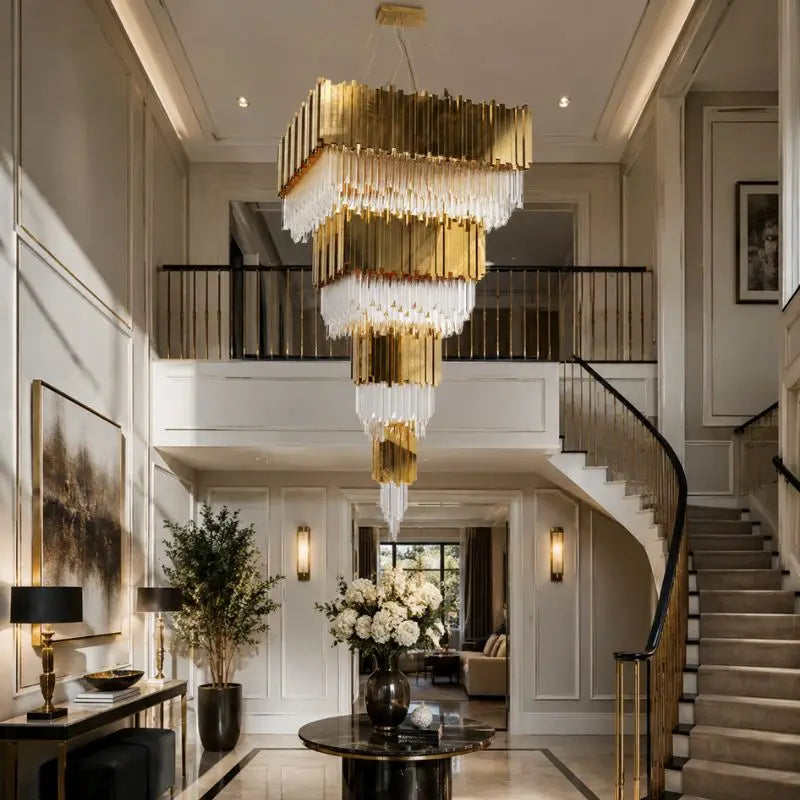
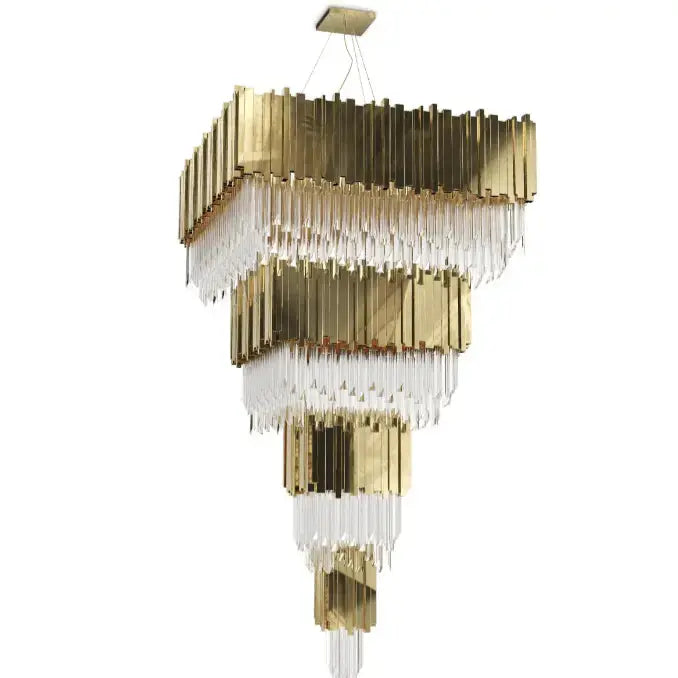
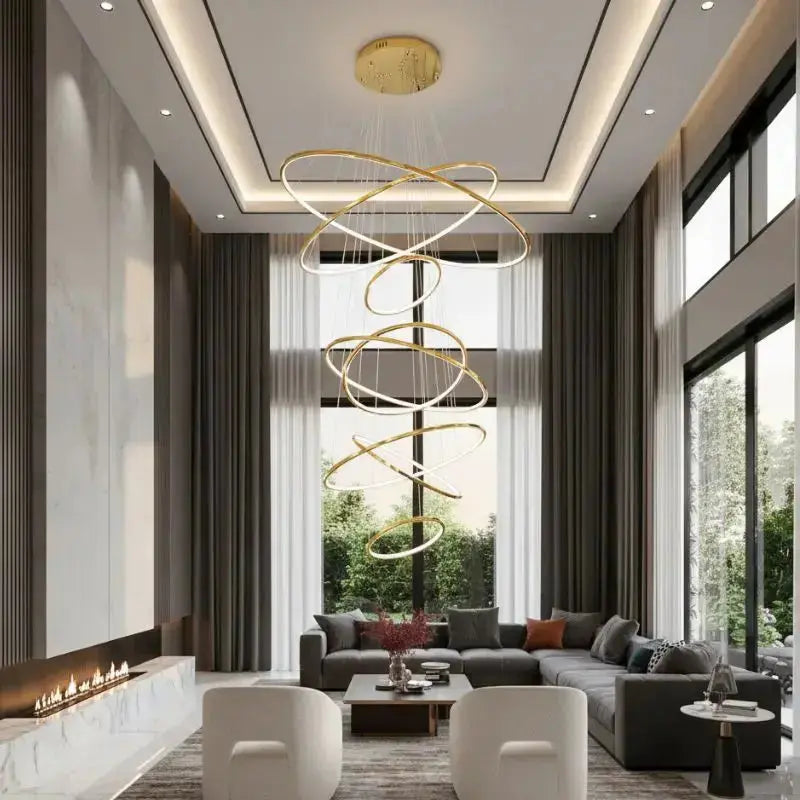
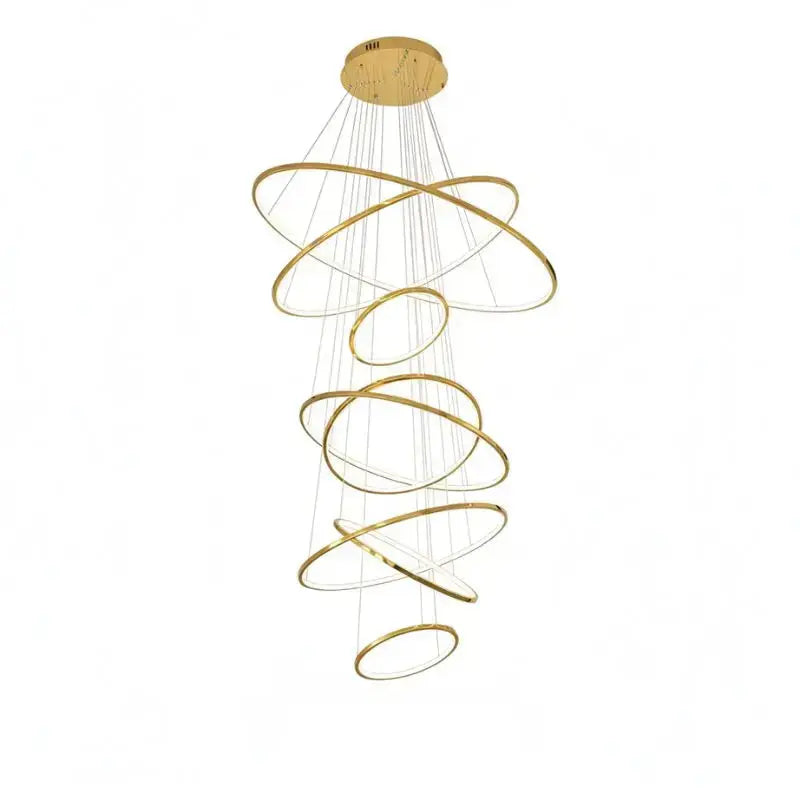
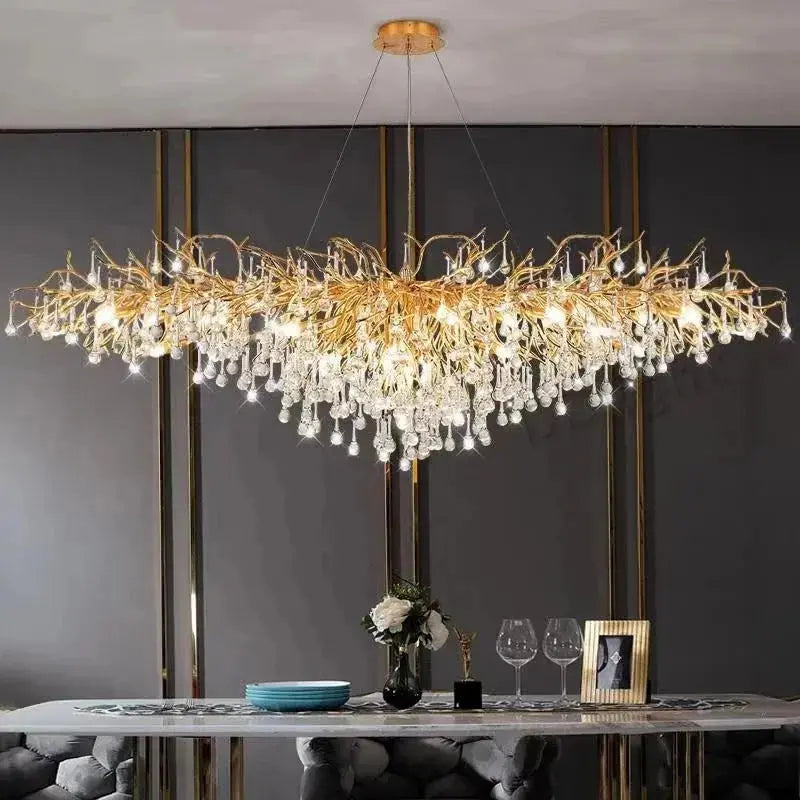
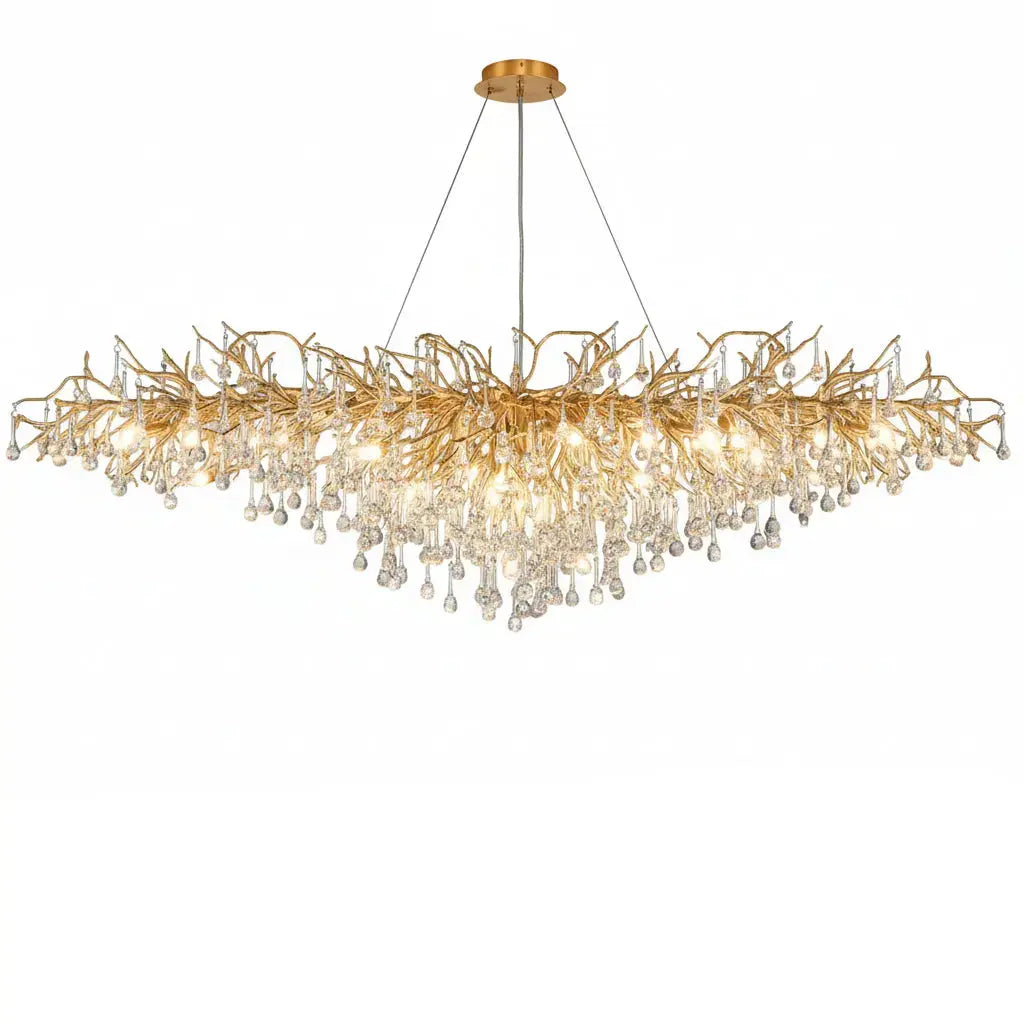
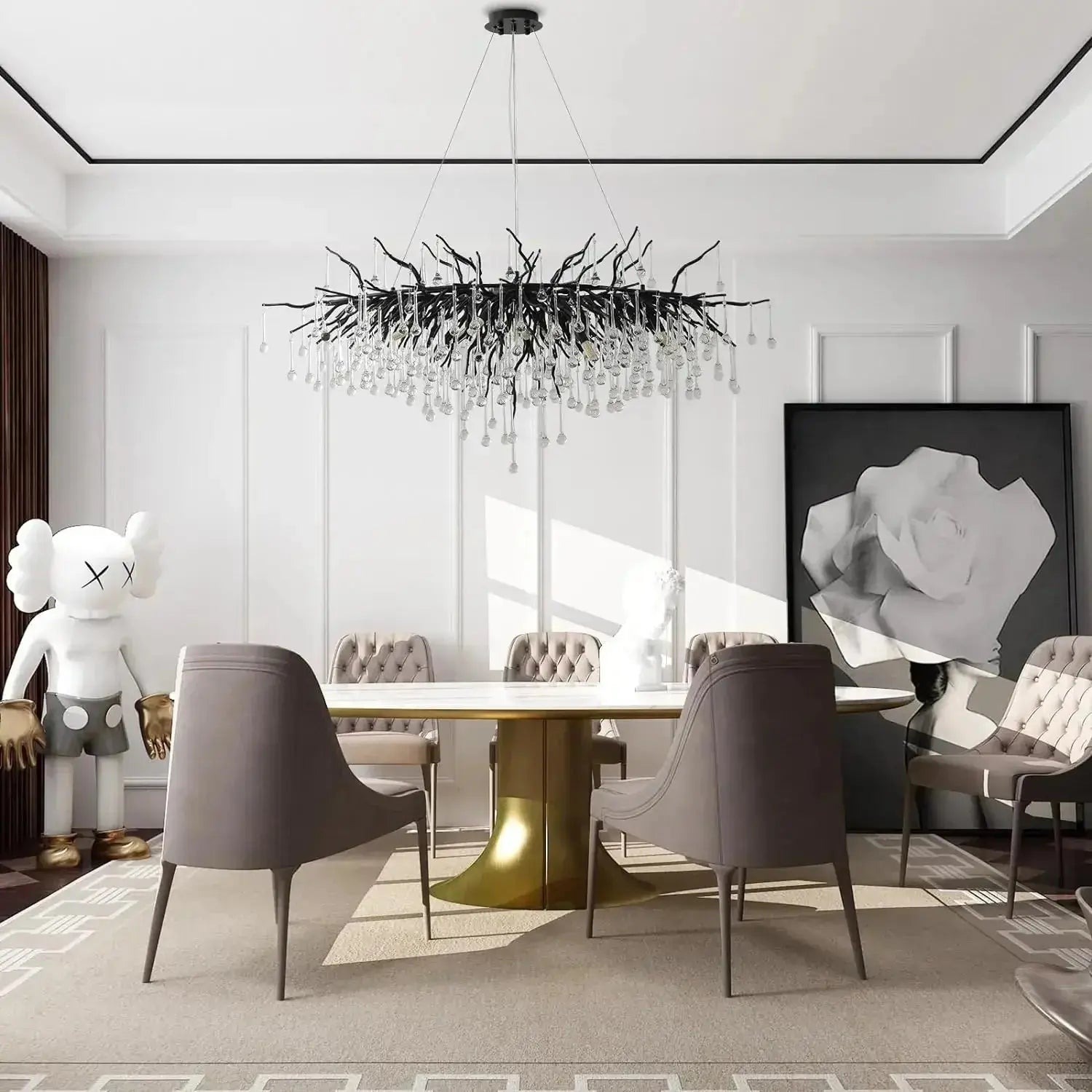
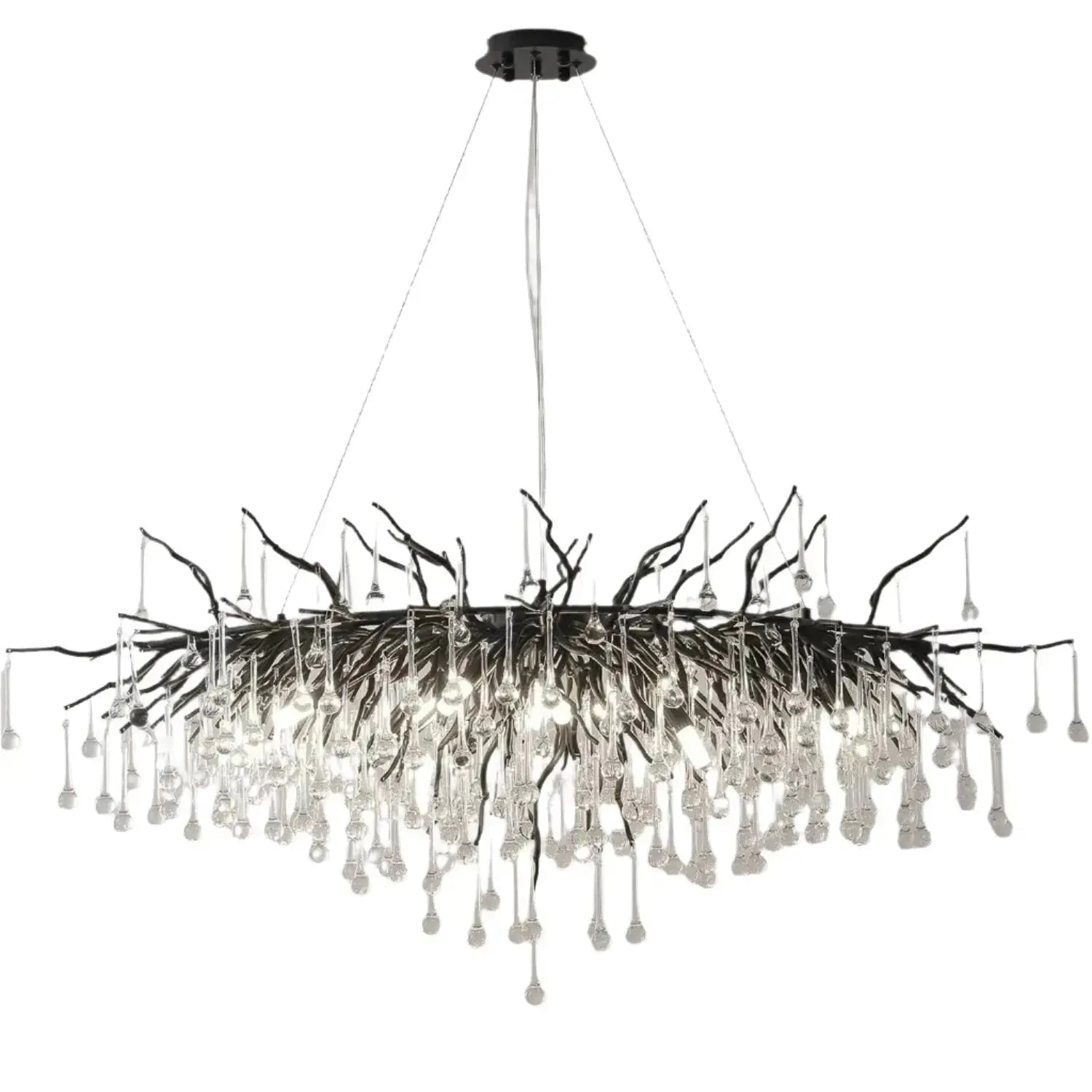
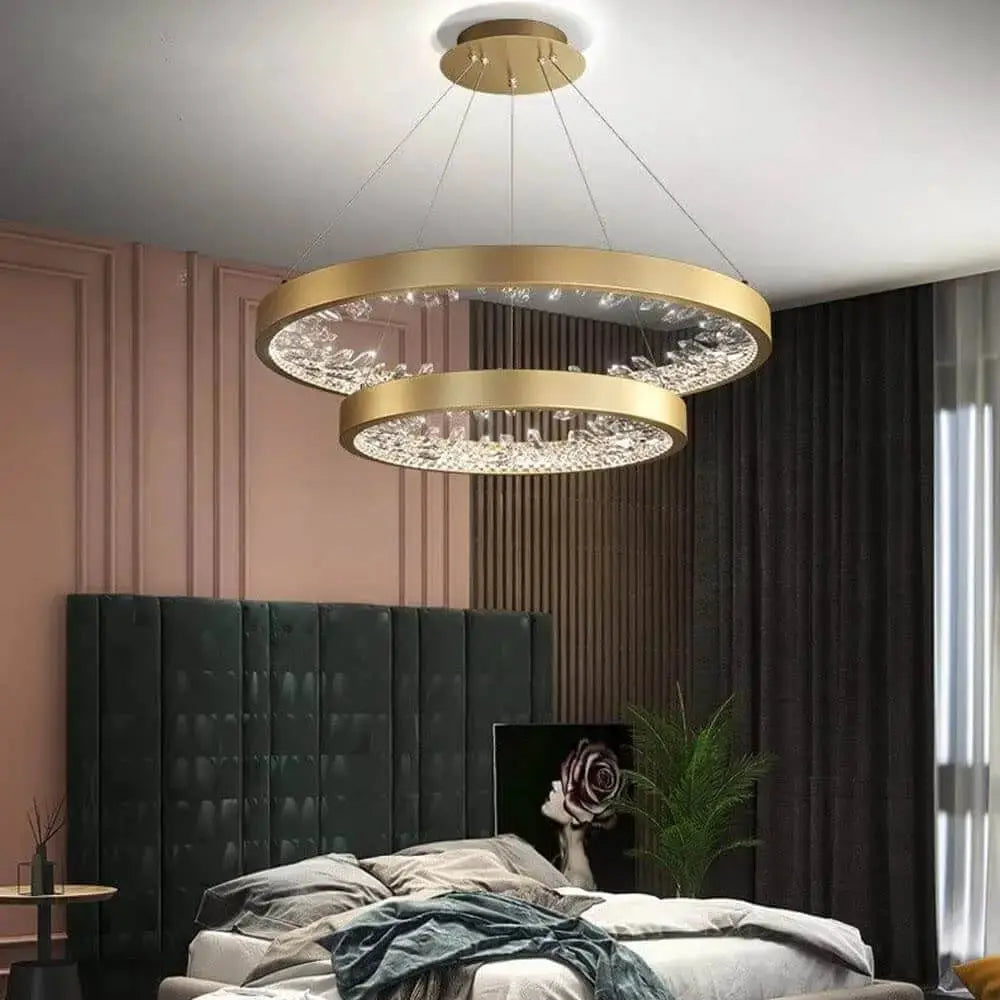
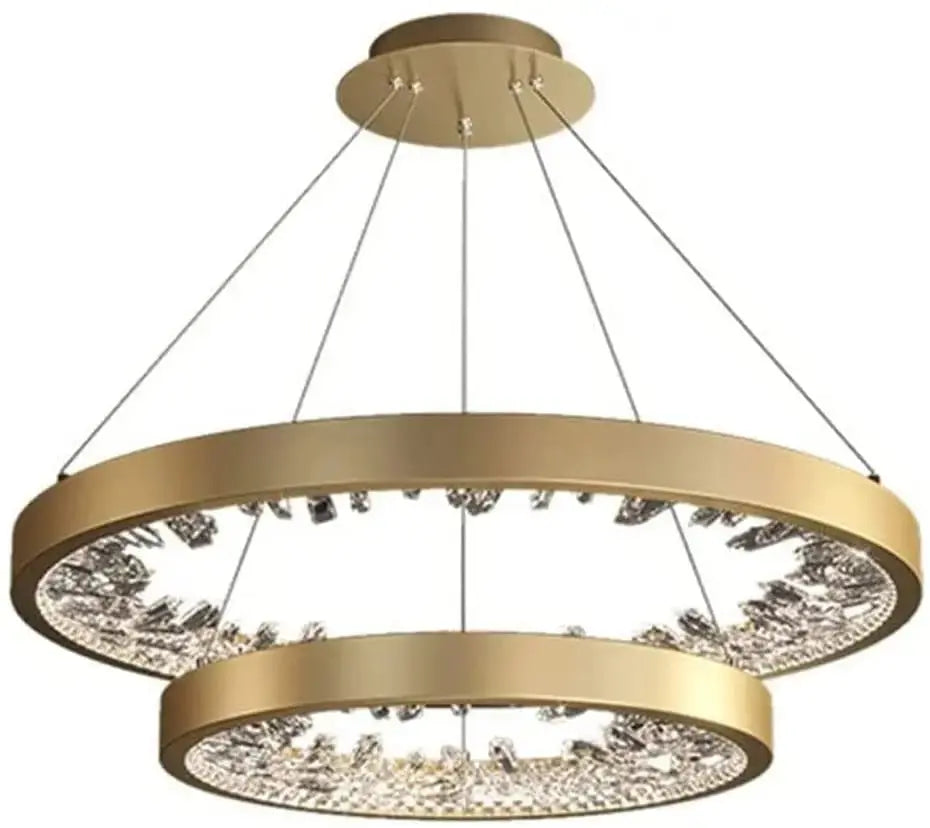
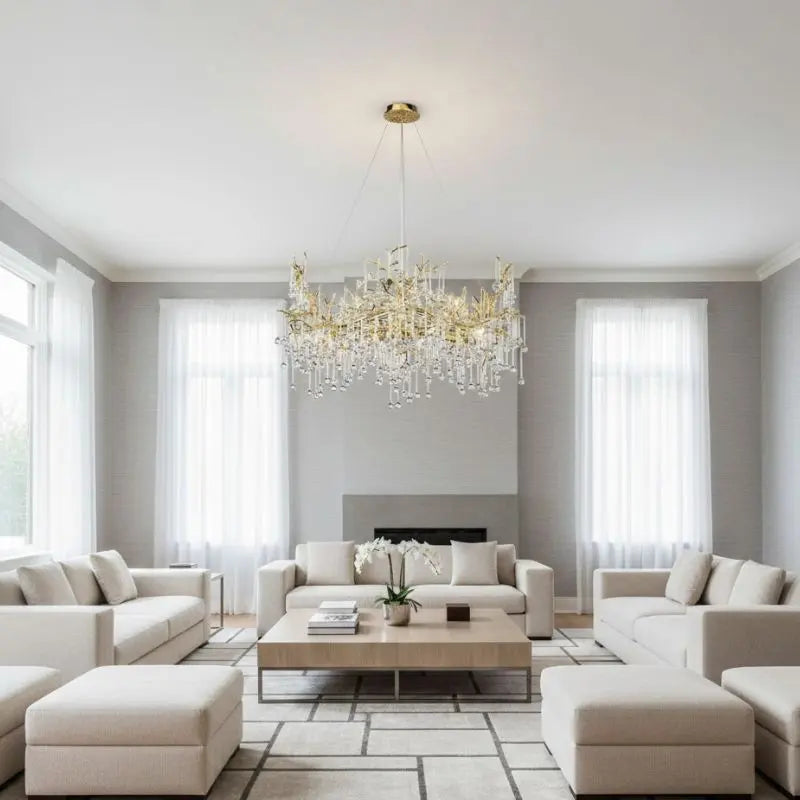
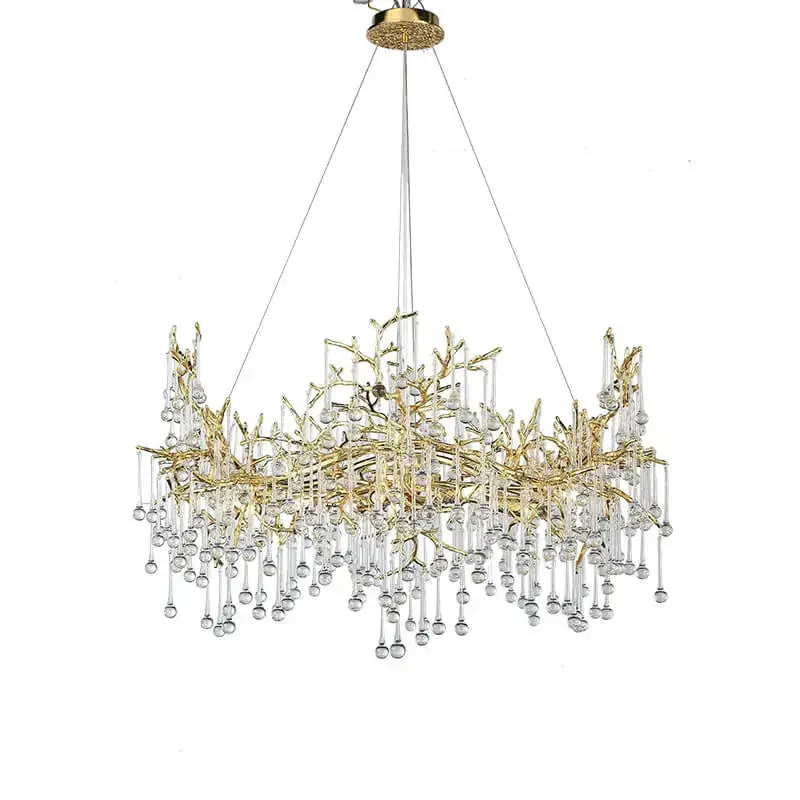
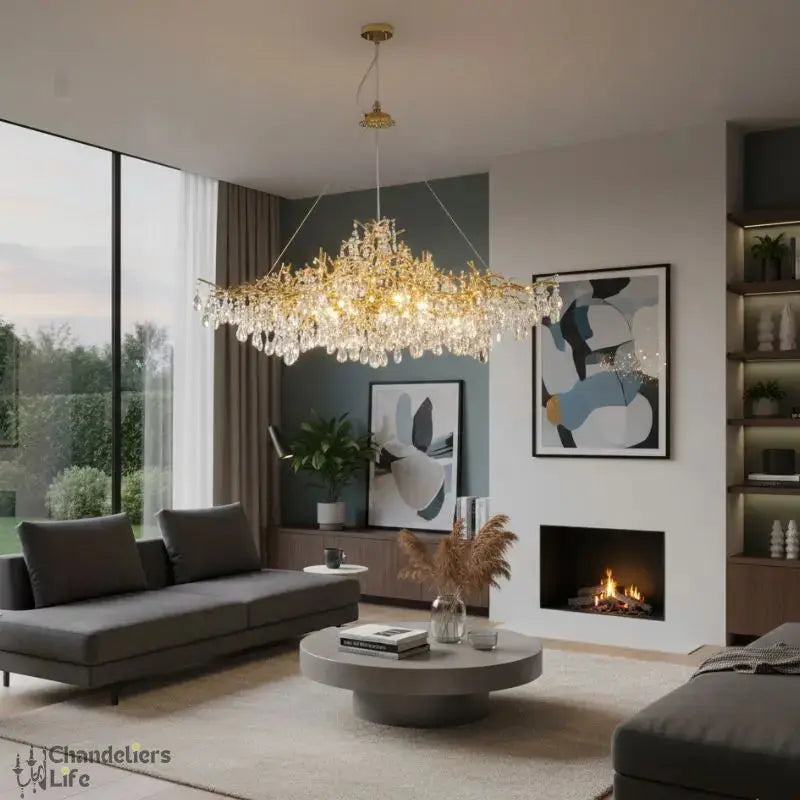
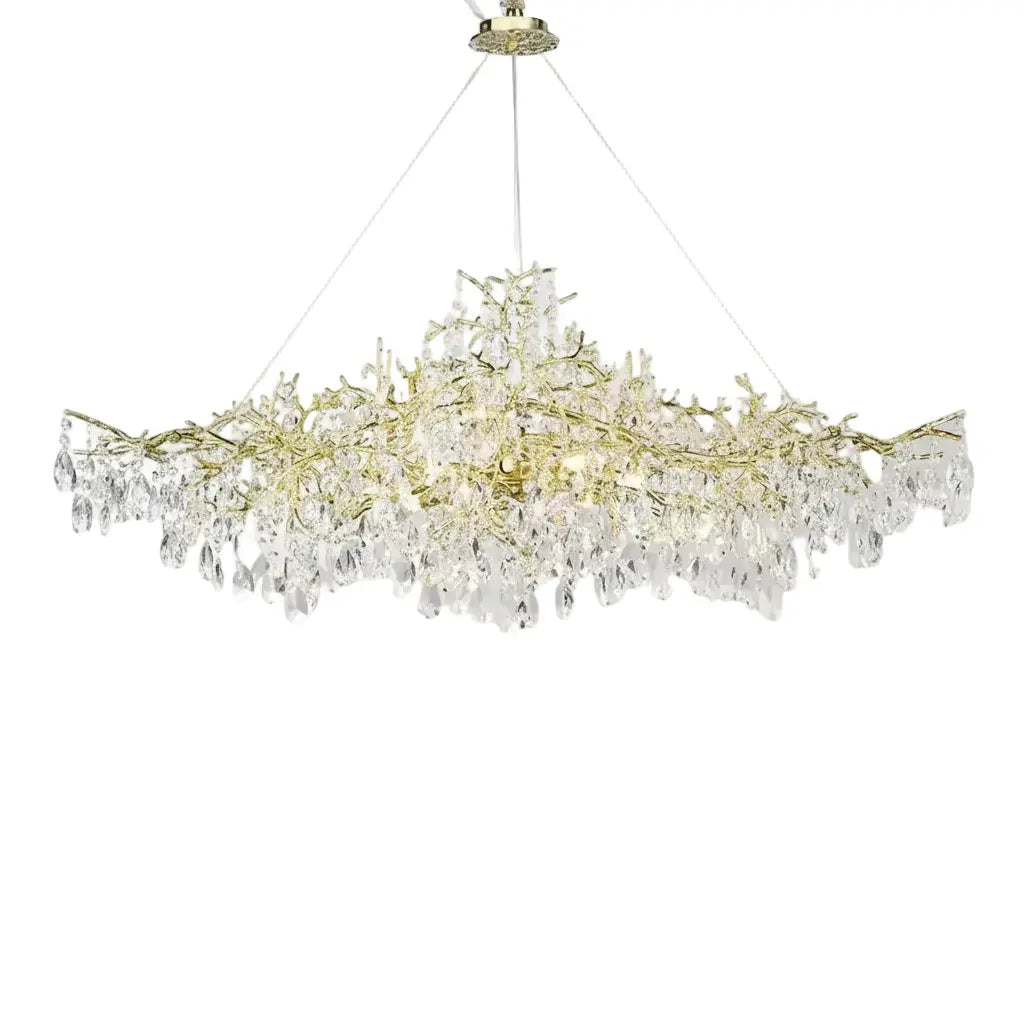
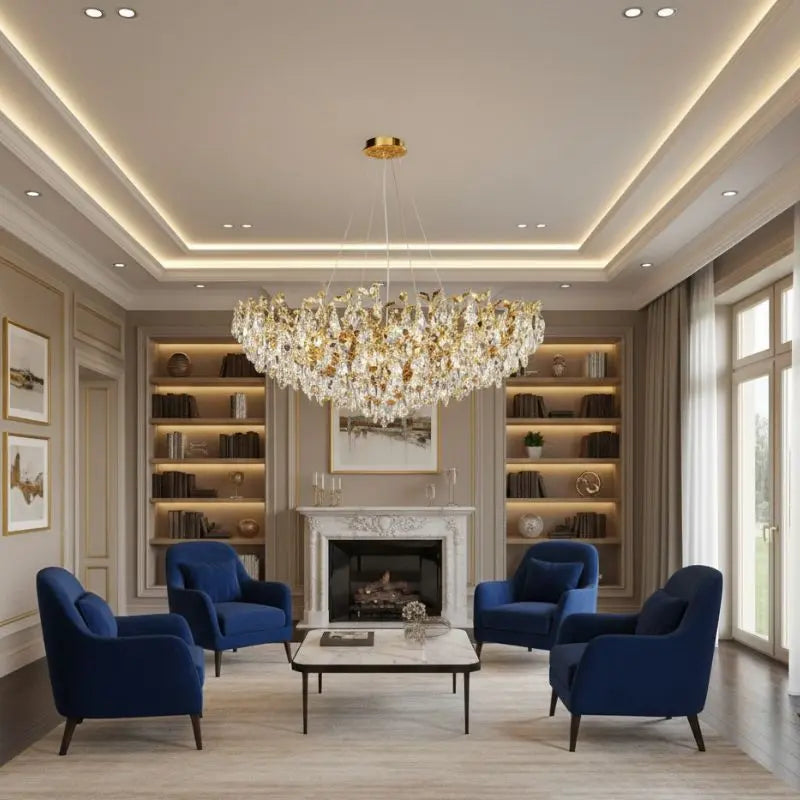
Pendant lights and chandeliers are where you can really make a statement. Pendants hang down from the ceiling on a cord, chain, or rod, and they're perfect for focused lighting over specific areas like a kitchen island or a dining table. Chandeliers, on the other hand, are usually more elaborate, with multiple arms and bulbs, designed to be a grand focal point, often in dining rooms or entryways. When choosing these, you've got to think about the drop length so they don't become a head-bumping hazard. You can find amazing options at places like Menards that really add character.
Recessed Lighting for a Modern Look
Recessed lights, often called can lights, are installed directly into the ceiling, so only the trim and bulb are visible. This gives a very clean, minimalist, and modern appearance. They're fantastic for providing general illumination without any visual clutter. You can use them throughout a room or strategically place them to highlight artwork or architectural features. They're a popular choice for kitchens, bathrooms, and living areas where a sleek look is desired. Planning the layout is key here to make sure you get the right amount of light without creating a "spotlight" effect everywhere.
When selecting any type of ceiling light, always consider the room's primary function and the mood you want to create. A bright, functional light might be best for a kitchen, while a softer, more ambient light works better for a bedroom.
Selecting the Right Size and Scale
Picking out the right ceiling light isn't just about how it looks; it's also about making sure it fits your room properly. A light that's too big can make a small room feel cramped, while one that's too small might just get lost and not give enough light. It’s a balancing act, really.
Proportionate Fixture Size to Room Dimensions
Getting the size right is pretty important. A good rule of thumb for things like chandeliers or larger flush mounts is to measure your room's length and width in feet, then add those numbers together. The total you get is a good starting point for the diameter of your fixture in inches. So, if your living room is 15 feet long and 12 feet wide, 15 + 12 = 27, meaning a chandelier around 27 inches in diameter would likely be a good fit. This helps ensure the light looks balanced with the rest of the space. For simpler flush mount fixtures, you might consider the overall visual weight and how much ceiling space they take up. You don't want it to feel like it's hanging too low or taking over the whole ceiling.
Appropriate Drop Length for Suspended Fixtures
When you're looking at pendant lights or chandeliers that hang down, the drop length matters a lot, especially if you have lower ceilings or a walkway. You want enough clearance so people don't bump their heads. A common guideline is to have at least 7 feet of clearance from the floor to the bottom of the fixture in main living areas. In a dining room, you might hang it a bit lower, about 30-36 inches above the dining table itself. Always check the manufacturer's recommendations for the specific fixture you're considering.
Considering Ceiling Height and Clearance
Ceiling height is a big factor. For standard 8-foot ceilings, flush mount or semi-flush mount fixtures are usually best because they don't hang down too far. If you have higher ceilings, say 10 feet or more, you have more flexibility. You can go for larger fixtures or pendants with longer chains or rods. Just remember to keep that 7-foot floor clearance in mind for walkways and general comfort. It's also about visual balance; a very low-hanging fixture in a room with a high ceiling can look a bit odd.
Don't forget to think about how the light will look when it's on and off. Some fixtures have a lot of visual presence even when the light is off, while others are more subtle. Consider the materials and how they might affect the light quality and the overall feel of the room.
Here’s a quick look at fixture size based on room dimensions:
| Room Length + Width (feet) | Recommended Fixture Diameter (inches) |
|---|---|
| Up to 10 | 10-15 |
| 11-20 | 15-25 |
| 21-30 | 25-35 |
| Over 30 | 35+ |
This table is a general guide, and you might need to adjust based on the specific fixture and your room's layout. It's always better to have a light that feels appropriately sized for your space, whether it's a cozy nook or a grand hall. Finding the right size chandelier can make a big difference.
Matching Style and Design to Your Decor
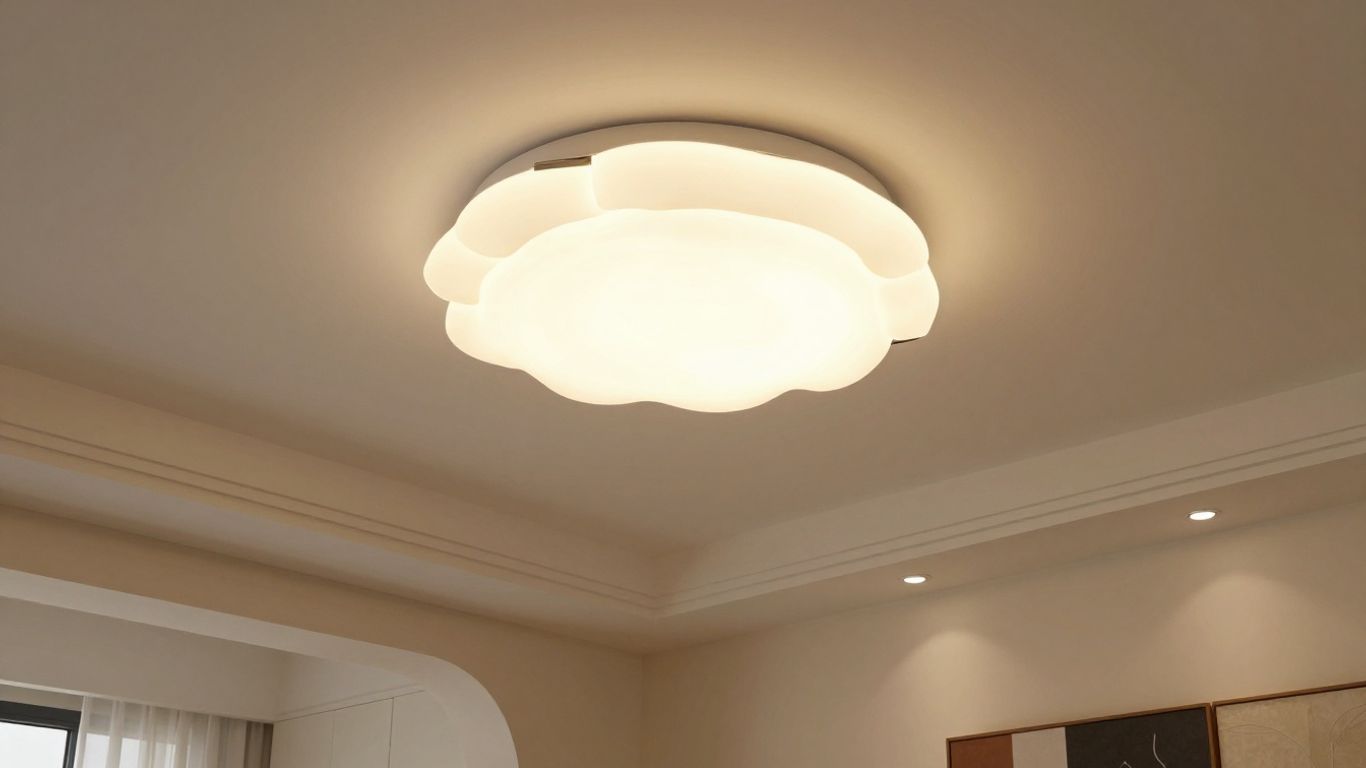
Complementing Existing Architectural Elements
When picking out ceiling lights, think about what's already in your room. Does your house have a certain vibe, like old-fashioned charm or super modern lines? Your light fixture should play nice with that. For example, if you have crown molding or fancy trim, a more traditional fixture might look best. If your place is all clean lines and minimalist, a sleek, simple light will fit right in. It's all about making the light feel like it belongs there, not like you just stuck it on top.
Material, Finish, and Shape Considerations
This is where you can really make a statement. The materials, finishes, and shapes of your lights can totally change the feel of a room. Think about metal finishes – brushed nickel is modern, oil-rubbed bronze is more rustic. Glass can be clear for a bright look, frosted for softer light, or even colored. And the shape? A simple drum shade is classic, while a geometric design can add a modern edge. Don't be afraid to mix and match finishes a little, but try to keep it from looking too chaotic. You want the fixture to add to your room's personality, not fight with it.
Creating a Cohesive Look with Furnishings
Your ceiling light is like the jewelry for your room. It should tie everything else together. Look at your furniture, your curtains, even your rugs. Is there a color or a style that repeats? Try to find a light fixture that echoes that. For instance, if you have a lot of dark wood furniture, a fixture with a dark wood accent or a warm metal finish might work well. If your sofa has some brass details, a light with brass elements could be a nice touch. It’s about making all the pieces in the room feel like they’re part of the same family. You can find some great options for ambient lighting solutions that will help tie your decor together.
Energy Efficiency and Bulb Choices
When you're picking out new ceiling lights, it's not just about how they look. You've also got to think about how much power they use and what kind of bulbs they take. This stuff can really add up on your electricity bill, and nobody wants that, right?
Opting for LED and CFL Bulbs
Incandescent bulbs are pretty much a thing of the past, and for good reason. They guzzle energy and burn out way too fast. Your best bet these days is to go with LED or CFL bulbs. LEDs are super efficient, last for ages, and you can find them in all sorts of brightness and color options. CFLs, or compact fluorescent lamps, are also a good choice, though LEDs are generally taking over. They use a lot less energy than old-school bulbs and will save you money over time. Making the switch to energy-efficient bulbs is one of the easiest ways to cut down on your home's energy consumption.
Understanding Color Temperature Options
Bulbs don't just give off light; they give off different kinds of light. This is called color temperature, and it's measured in Kelvin (K). It totally changes the feel of a room.
- Warm White (2700K-3000K): This is like the cozy glow of a sunset. It's great for living rooms and bedrooms where you want to relax. Think comfy and inviting.
- Neutral White (3500K-4100K): This is a more balanced light, good for kitchens and bathrooms where you need to see clearly. It's bright but not harsh.
- Cool White (5000K-6500K): This light is really bright and crisp, almost like daylight. It's best for places where you need to focus, like a home office or a workshop. It can make you feel more alert.
Brightness Levels for Different Rooms
Brightness, or lumens, is another big factor. You don't want the same level of brightness everywhere. A kitchen needs to be brighter than a bedroom, for example. Here’s a quick guide:
| Room Type | Recommended Lumens per Square Foot |
|---|---|
| Living Room | 10-20 |
| Kitchen | 30-40 |
| Bedroom | 10-15 |
| Bathroom | 20-30 |
| Home Office | 30-50 |
Remember to consider how much natural light a room gets too. A room with big windows might need fewer lumens from your ceiling lights than a darker room. It's all about finding that sweet spot for your space.
Choosing the right bulbs and understanding their specs might seem a bit much at first, but it makes a huge difference in how your home looks and how much you spend on electricity. You can find a great selection of energy-efficient options at places like Menards.
Installation and Maintenance Factors
So, you've picked out the perfect ceiling light. Awesome! But before you can admire your handiwork, there's the matter of getting it installed and keeping it looking good. Let's break it down.
DIY Installation vs. Professional Electrician
This is a big one. Are you comfortable messing with wires? If the answer is a hesitant 'maybe,' or if you've never done it before, it's probably best to call in a pro. Safety first, always. Trying to wire something yourself when you're not sure what you're doing can lead to sparks, shocks, or worse. A licensed electrician can get it done right and safely, plus they know all the local codes. If you're just swapping out a simple fixture for another, and you've got a decent grasp of basic electrical work, you might be able to tackle it yourself. Just remember to always turn off the power at the breaker box before you start. It's a good idea to have a voltage tester handy just to be absolutely sure the power is off.
Here’s a quick rundown of what you might need:
- Screwdrivers (Phillips and flathead)
- Pliers
- Wire cutters/strippers
- A voltage tester
- A sturdy ladder or step stool
If you're feeling confident, follow the manufacturer's instructions carefully. Usually, it involves connecting wires (black to black, white to white, ground to ground) and then securing the fixture. For more complex installations, like hanging a heavy chandelier, it's definitely worth looking into professional help. You can find some helpful tips for installing a chandelier on this guide.
Ease of Access for Bulb Replacement
Think about how easy it will be to change a light bulb down the road. Some fixtures, especially those that sit very close to the ceiling (flush mounts), can be a bit fiddly to get the cover off and on. Others, like pendant lights, might hang low enough that changing a bulb is a breeze. Consider if you'll need a special tool to access the bulb or if it's a simple twist-off situation. You don't want to be struggling every time a bulb burns out.
Cleaning and Upkeep of Fixtures
Different materials need different care. A glass chandelier might need dusting regularly and occasional deep cleaning to remove smudges, while a metal fixture might just need a wipe-down. Some finishes, like brushed nickel, are pretty low-maintenance, but others, like polished brass, can show fingerprints easily. Always check the manufacturer's recommendations for cleaning. For example, some wooden pendant lights might require specific care to keep the wood looking its best. You can find options with customization for things like cord length and frame color, which might affect how you clean them over here.
When choosing your light fixture, take a moment to think about the long-term. How will you maintain it? Is it easy to get parts if something breaks? Planning ahead can save you a lot of hassle later on.
Wrapping It Up
So, picking out the right ceiling lights might seem like a lot at first, but really, it just comes down to thinking about what you need the light for and what look you're going for. It’s not just about making a room bright; it’s about making it feel right, whether that’s cozy for movie nights or sharp for getting work done. By looking at the room’s size, the style you like, and even how much energy the light uses, you can find fixtures that do more than just hang there. They can actually make your home look and feel better. Don't be afraid to mix and match different types of lights to get that perfect glow. It’s all about creating a space that works for you and looks good doing it.
Frequently Asked Questions
What's the main reason to think about the room's purpose before buying lights?
It's important because different rooms need different kinds of light. For example, a kitchen needs bright light for cooking, while a bedroom might need softer light for relaxing. Knowing what you'll do in a room helps you pick lights that work best.
What's the difference between flush mount and semi-flush mount lights?
Flush mount lights sit right up against the ceiling, which is great for rooms with low ceilings. Semi-flush mount lights have a small space between the fixture and the ceiling. This little gap lets air move and can make the light look nicer.
How do I know what size ceiling light to get for my room?
Think about how big your room is. A tiny light in a huge room will look lost, and a giant light in a small room can feel overwhelming. It's like picking furniture – it needs to fit the space just right.
Why are LED bulbs a good choice for ceiling lights?
LED bulbs are super energy-efficient, meaning they use less electricity and can save you money on your power bill. They also last a really long time, so you won't have to change them as often.
What does 'color temperature' mean for light bulbs?
Color temperature is about the 'feel' of the light. 'Warm white' is cozy like a sunset, good for living rooms. 'Cool white' is bright and crisp, like daylight, which is better for places where you need to focus, like an office or a garage.
Should I install my new ceiling lights myself?
You can install them yourself if you're comfortable with basic electrical work and follow instructions carefully. However, if you're unsure or dealing with complex wiring, it's always safer to hire a professional electrician to make sure everything is installed correctly and safely.