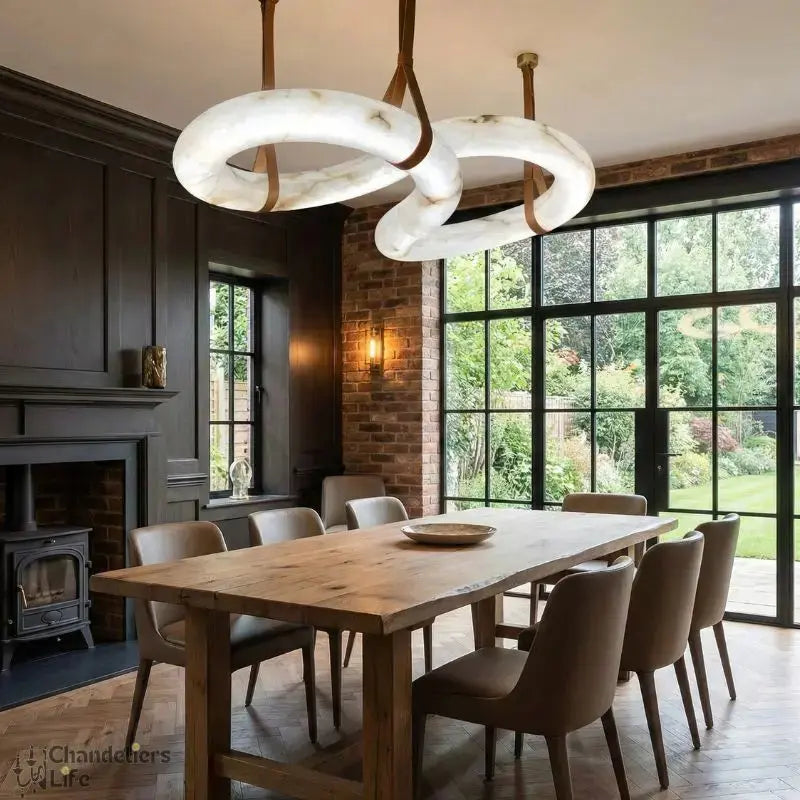
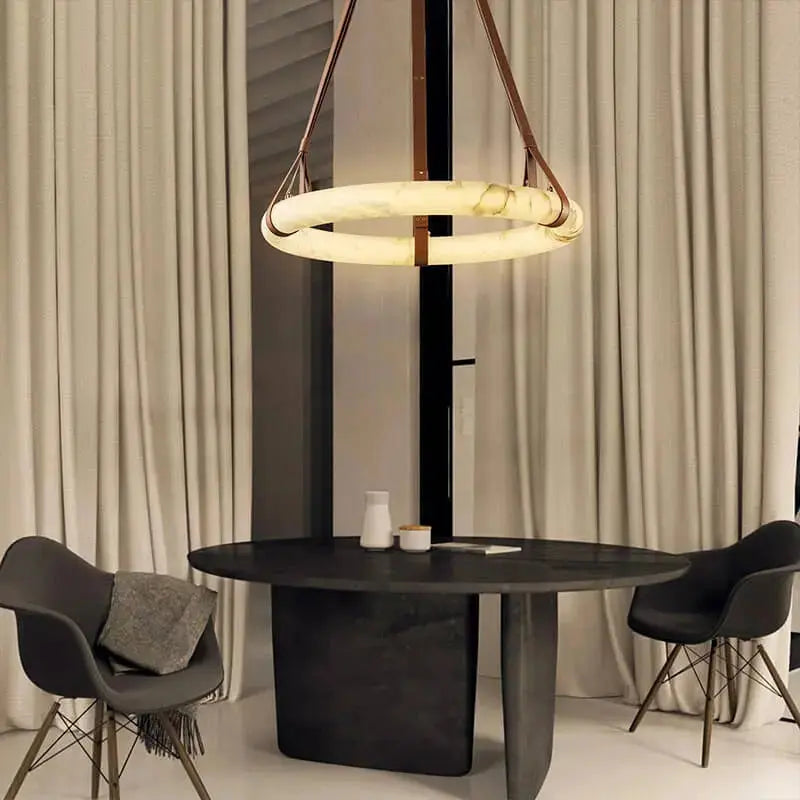
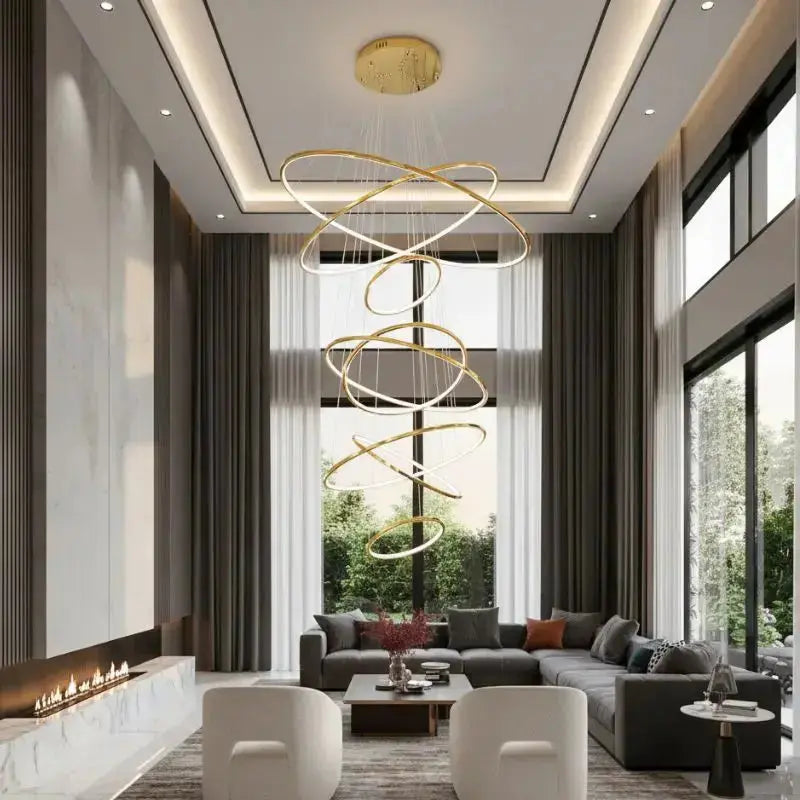
Thinking about giving your home a makeover? Maybe you've seen those super clean, uncluttered rooms online and wondered how they do it. Well, it's probably modern minimalism design. It's not about having nothing, but about having only what you need and love. This approach to interior spaces is all about making things feel calm and easy to live with. We're going to look at how to make your place feel fresh and intentional, without all the fuss.
Key Takeaways
- Modern minimalism design is about intentionality, focusing on simplicity and purpose in every element.
- A neutral color scheme and smart use of light are key to creating a peaceful and open atmosphere.
- Decluttering is the first and most important step to achieving a minimalist lifestyle and space.
- Furniture in modern minimalism design should be functional, streamlined, and thoughtfully chosen.
- Decorating with purpose, embracing empty space, and adding natural elements brings life to minimalist interiors.
Understanding the Core Principles of Modern Minimalism Design
Modern minimalism isn't just about having less stuff; it's a thoughtful approach to living that prioritizes intention and clarity in our homes. It’s about creating spaces that feel calm, functional, and beautiful without being overwhelming. Think of it as a way to simplify your surroundings so you can focus on what truly matters. This design philosophy has roots going back to early 20th-century movements like Bauhaus, which stripped design down to its essentials, focusing on materials and form. It also draws heavily from traditional Japanese design, known for its harmony, balance, and appreciation for natural elements. Today's minimalism is less about stark emptiness and more about creating a comfortable, usable, and adaptable environment. It's about finding that sweet spot between simplicity and coziness, making your home a sanctuary that supports your well-being.
Simplicity as the Ultimate Sophistication
At its heart, minimalism champions simplicity. This means getting rid of anything that doesn't serve a clear purpose or bring genuine joy. It’s about intentionality – every item in your space should have a reason for being there. This approach strips away the visual noise, allowing the beauty of well-chosen objects and the architecture of the space itself to shine. When you remove the excess, you highlight the essential. It’s a way to achieve a sophisticated look that feels effortless and serene, rather than cluttered and chaotic. This focus on simplicity can even extend to how we interact with technology, aiming for cleaner interfaces and intuitive navigation.
Functionality: Every Item Serves a Purpose
In a minimalist home, every object has a job to do. This isn't about being rigid; it's about being smart with your space. Before bringing something new into your home, or even deciding to keep something, ask yourself: "Does this serve a purpose?" This could be a practical function, like a comfortable chair, or an emotional one, like a piece of art that brings you happiness. This principle helps prevent clutter from accumulating and ensures that your home is a practical and efficient place to live. It’s about making sure your belongings work for you, not the other way around.
Quality Over Quantity: Investing in Longevity
Minimalism encourages us to shift our focus from accumulating many items to investing in fewer, but better-made ones. This means choosing pieces that are built to last, both in terms of durability and timeless style. Instead of buying trendy items that might go out of fashion quickly, opt for well-crafted furniture and decor made from good materials. This not only reduces waste but also creates a more curated and satisfying living environment. Think of it as building a collection of things you truly love and will use for years to come. This approach aligns with a more sustainable way of living, focusing on eco-friendly and stylish choices that stand the test of time.
The core idea is to create a space that feels open, calm, and intentional. It's about making conscious choices about what you surround yourself with, leading to a more peaceful and focused lifestyle. This isn't about deprivation, but about thoughtful curation.
Creating a Serene Atmosphere with Color and Light
Embracing Neutral Palettes for Calm
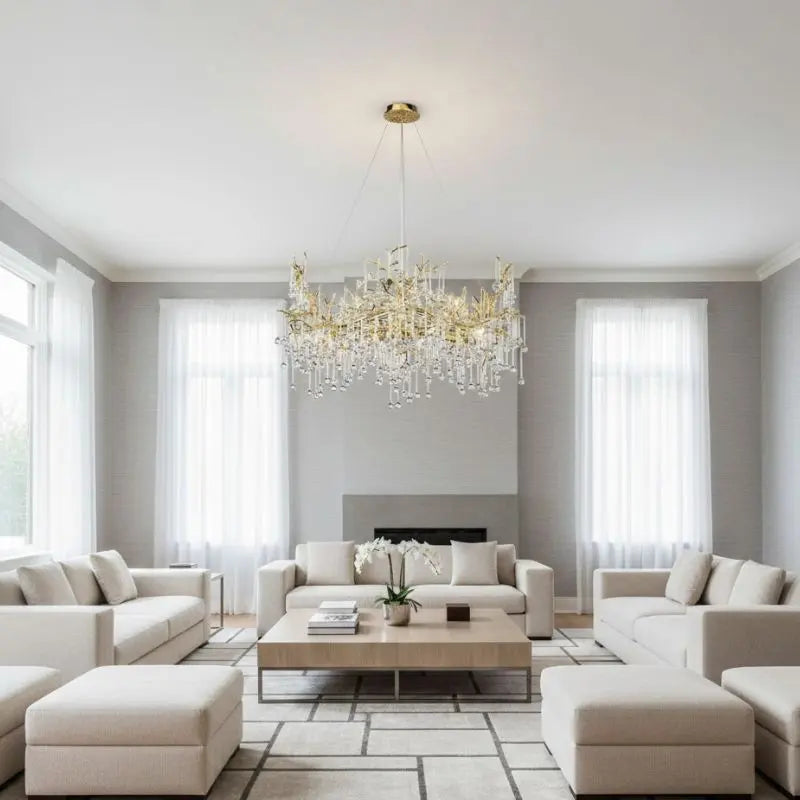
Forget the idea that minimalism means stark white everywhere. That's a bit of a myth. Instead, think about a range of soft, calming colors. We're talking about shades like creamy ivory, warm beige, soft greys, and even muted earthy tones like terracotta or olive green. These colors create a peaceful backdrop. The key is to use different shades and tones of your chosen neutrals to add depth and prevent the space from feeling flat. You can introduce subtle variations by using different textures within the same color family. For instance, a linen curtain next to a matte painted wall in a similar shade adds interest without adding visual noise. If you feel a need for a pop of color, introduce it very sparingly – maybe a single cushion or a small vase. A monochromatic scheme, using various shades of one color, can also look really sophisticated and put-together.
Maximizing Natural Light for Openness
Natural light is like a secret weapon for making a space feel bigger and brighter. It's pretty amazing how much it can transform a room. To make the most of it, try to keep windows as clear as possible. If you need privacy or want to soften the light, opt for sheer, lightweight curtains that let the sunshine filter through. Think about where you place your furniture too; arrange it so it doesn't block windows and can actually soak up the light. Adding reflective surfaces, like a mirror or a glass-top table, can help bounce that light around the room, making it feel even more open. Light-colored furniture and decor placed near windows will also reflect and spread the light, making the whole space feel more radiant.
The Role of Texture in Adding Warmth
While minimalism often focuses on clean lines and simple forms, texture is what stops it from feeling cold or sterile. It's how you add personality and warmth without adding clutter. Think about materials that feel good to the touch. This could be a chunky knit throw on a sofa, a woven rug underfoot, or even the subtle texture of limewash on a wall. Combining different textures creates visual interest and makes the space feel more inviting. For example, pairing smooth, sleek furniture with a soft, plush rug or a rough-hewn wooden accent piece adds layers of sensory appeal. Even small details, like ceramic lamps or linen lampshades, contribute to a cozy, lived-in feel. It's about creating a space that is visually calm but also comforting to experience.
Decluttering Your Space for a Minimalist Lifestyle
Okay, so you're ready to dive into the whole modern minimalism thing. That's awesome! But before we start picking out sleek furniture or figuring out the perfect neutral paint color, we've got to tackle the biggest hurdle: getting rid of stuff. Seriously, you can't really do minimalism if your home looks like a storage unit exploded. It’s not about living in an empty box, but about making sure everything you do keep actually matters.
The First Step: A Mindful Decluttering Process
This is where we get real. Forget just shoving things into closets. We're talking about a thoughtful purge. Grab a few boxes or bags and label them: 'Keep,' 'Donate/Sell,' and 'Trash.' Now, pick up each item. Does it bring you genuine happiness? Does it serve a real purpose in your daily life? If the answer is a lukewarm 'meh,' it's probably time for it to go. Be honest with yourself. That gadget you got five years ago and used once? That pile of old magazines you might read someday? Let them go. It feels good, trust me.
Room-by-Room Approach to Clearing Clutter
Trying to declutter your whole house in one weekend is a recipe for disaster and burnout. Seriously, don't do it. Instead, pick one room, or even just one small area within a room, and focus on that. Maybe start with your bedroom dresser or the kitchen counter. Once that area feels clear and organized, move on to the next. It’s way more manageable and gives you little wins along the way, which keeps you motivated. You'll be surprised how quickly things add up when you're not trying to do it all at once.
Curating Possessions for Intentional Living
After the initial purge, you're left with the things you truly love and use. Now, it's about being intentional with what comes into your home. Think of every new item as a guest – does it fit the vibe? Does it add value? This means slowing down before you buy something. Ask yourself if you really need it, if it serves a purpose, and if it’s good quality. It’s not about deprivation; it’s about surrounding yourself with things that genuinely make your life better and more peaceful. It’s a shift from just having things to living with things that matter.
Minimalism isn't about deprivation; it's about making space for what truly matters. It's a conscious choice to live with less, so you can experience more joy, peace, and freedom.
Furniture Selection for Modern Minimalism Design
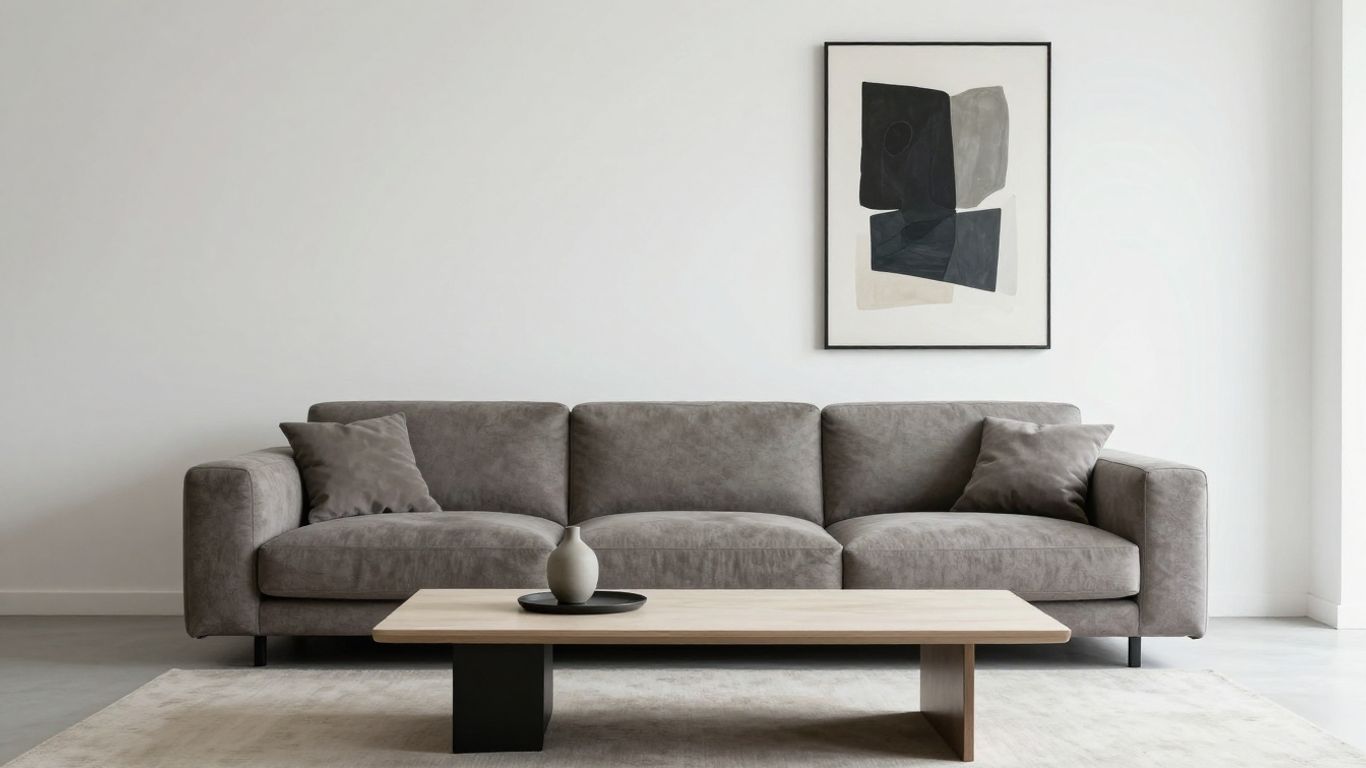
When you're going for that modern minimalist vibe, picking out furniture is a big deal. It's not just about filling a room; it's about choosing pieces that work hard, look good, and don't add to the clutter. Think of each item as a carefully considered decision, not just another thing to buy.
Opting for Streamlined Silhouettes
Forget bulky, overstuffed furniture. Minimalism is all about clean lines and simple shapes. You want pieces that look light and airy, even if they're solid. This means looking for furniture with straight edges, smooth surfaces, and a general lack of fussy details. Think of a sleek, low-profile sofa or a dining table with slender legs. These kinds of shapes help a room feel more open and less crowded. It’s like giving your space room to breathe. You can find some great examples of this style in furniture made from natural materials like wood and stone, which really lets the clean lines shine through. See furniture examples.
The Power of Multi-Functional Furniture
In a minimalist home, every piece should ideally do more than one thing. This is where multi-functional furniture really shines. Imagine a coffee table that lifts up to become a desk, or an ottoman that doubles as storage. These pieces are lifesavers, especially if you don't have a ton of space. They help you keep things tidy and reduce the number of items you need overall. It’s about being smart with what you bring into your home.
- Storage ottomans for blankets or magazines.
- Nesting tables that can be tucked away when not in use.
- Sofa beds for occasional guests.
- Extendable dining tables for different-sized gatherings.
Choosing Pieces with Organic Shapes
While clean lines are key, minimalism doesn't have to mean all sharp corners. Introducing pieces with softer, organic shapes can add a touch of warmth and visual interest without sacrificing the minimalist feel. Think about a round coffee table, a curved armchair, or even a mirror with a gentle, flowing frame. These shapes can soften the overall look of a room and make it feel more inviting. It’s a way to add personality without adding clutter.
Pairing a sofa with softer lines with a more angular coffee table can create a nice balance. It stops the room from feeling too rigid while still keeping that clean, intentional look. It’s all about finding that sweet spot between structure and flow.
When selecting furniture, always consider how it fits into the overall picture. Does it serve a purpose? Is it well-made? Does it contribute to a sense of calm and order? If the answer is yes, it's probably a good fit for your minimalist space. You can find some really beautiful, intentionally designed pieces that fit this aesthetic perfectly. Explore minimalist designs.
Decorating with Purpose in Minimalist Interiors
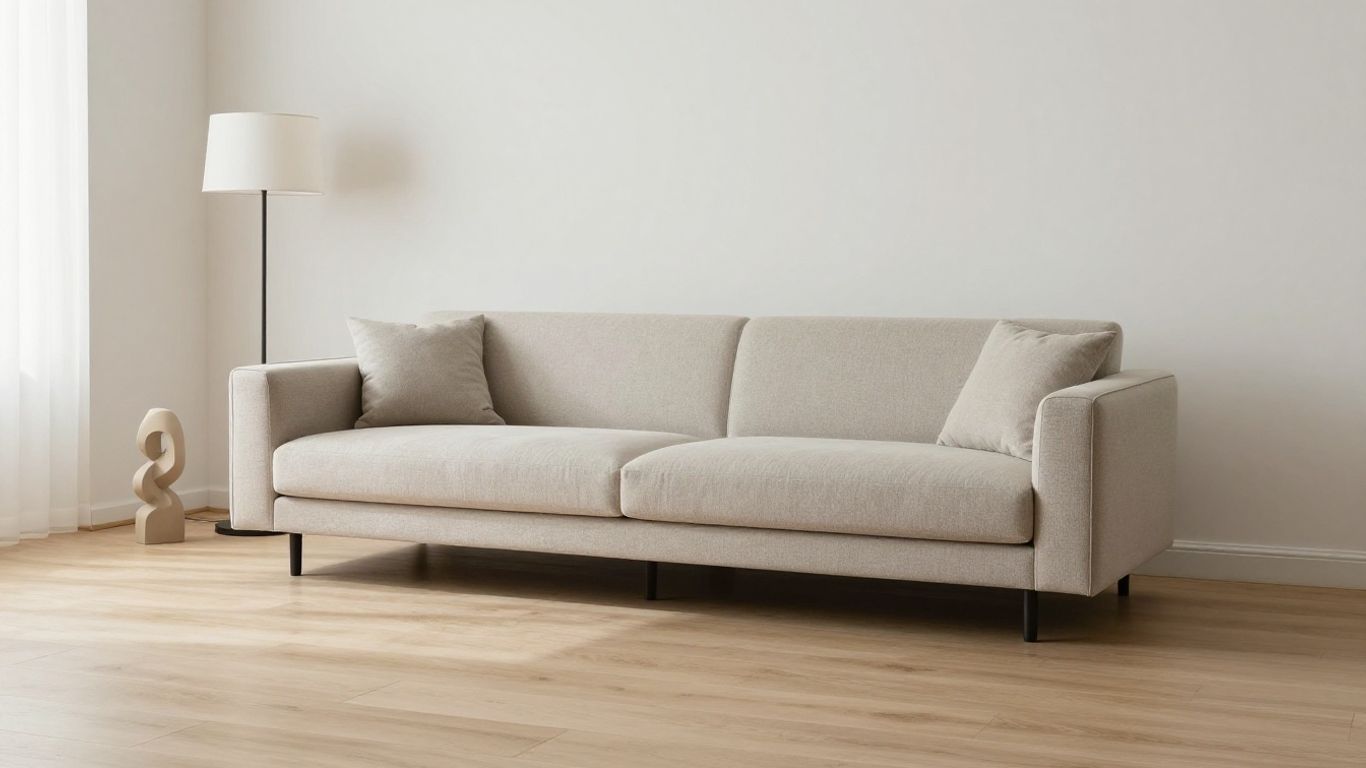
When it comes to decorating a minimalist space, the goal isn't to fill it up, but rather to curate it with intention. It's about making sure every item you choose adds something meaningful to the room, whether it's beauty, function, or a sense of calm. Think of it like choosing just a few perfect ingredients for a simple, delicious meal – each one matters.
Embracing Negative Space
One of the most important, and sometimes tricky, parts of minimalist decorating is understanding the power of empty space. Seriously, don't feel like you have to fill every single wall or surface. Negative space, or the areas without objects, is actually a design element itself. It gives your eyes a place to rest and makes the items you do have stand out more. It's like the silence between musical notes that makes the music beautiful. This approach helps create a feeling of openness and balance, making the whole room feel more peaceful. You can achieve this look by checking out our list of furniture made by well-known brands.
Meaningful Decor and Statement Pieces
Instead of a lot of little knick-knacks, minimalist decorating focuses on a few carefully selected items. This could be a single, striking piece of art that you absolutely love, or a beautifully crafted vase. The idea is to choose things that have personal meaning or a strong aesthetic appeal. Grouping a few items thoughtfully can also create a focal point without looking cluttered. It's about quality over quantity, where each piece tells a story or adds a distinct character to your home.
Adding Life with Natural Elements
Bringing the outdoors in is a fantastic way to add warmth and life to a minimalist interior without introducing clutter. Plants are a go-to for this. A well-placed potted plant can add a pop of color and a touch of nature. Beyond plants, consider materials like wood, stone, or natural fibers in your decor. A simple wooden bowl on a coffee table or linen throw pillows can add texture and a connection to the natural world. These elements bring a sense of calm and organic beauty that complements the clean lines of minimalist design.
Maintaining Your Minimalist Haven
So, you've gone through the whole process, decluttered like a pro, and created this wonderfully calm, minimalist space. That's awesome! But here's the thing: keeping it that way takes a little ongoing effort. It's not a one-and-done kind of deal, you know? Think of it more like tending a garden – you gotta keep up with it to keep it looking good.
The Continuous Process of Reassessment
This is where you really get to live the minimalist lifestyle. It means regularly looking at your stuff and asking, "Do I still need this?" or "Does this actually bring me joy?" It sounds simple, but it's easy to let things creep back in. Maybe it's a gift you feel obligated to keep, or a gadget you might use someday. The goal is to be mindful about what enters your home and what stays. It’s about making conscious choices, not just letting habits take over. Try setting aside a little time each month, maybe an hour or so, to just walk through your place and do a quick check. It’s way easier to deal with a few new items than a whole pile that’s accumulated over months.
Adapting Your Space to Evolving Needs
Life changes, right? What worked for you a year ago might not be the best setup now. Maybe you started a new hobby that needs some dedicated space, or perhaps your work situation shifted, and you need a more functional home office. Minimalism isn't about rigid rules; it's about creating a space that supports you. So, if you find yourself tripping over things or feeling cramped, it's a sign to reassess. Can you repurpose a piece of furniture? Is there a more efficient storage solution? Sometimes, it's just about rearranging things to improve the flow. It’s about making your home work for your current life, not a past version of it. If you're thinking about how to manage your space remotely, there are some great resources out there for remote interior design.
Sustaining a Peaceful and Productive Environment
Ultimately, the point of all this is to have a home that feels good to be in – peaceful, calm, and maybe even a bit more productive. When you're not bogged down by clutter, your mind tends to feel clearer too. This means sticking to those mindful shopping habits we talked about earlier. Before buying anything new, really consider if it fits your minimalist aesthetic and serves a real purpose. It's about quality over quantity, always. Think about investing in pieces that are built to last and that you truly love, rather than just filling space. A well-maintained minimalist home is a sanctuary, a place where you can truly relax and recharge.
Wrapping Up: Your Minimalist Journey
So, that’s the lowdown on modern minimalism. It’s not about living in a stark, empty room, but more about making smart choices. Think about what you really need and what brings you joy. By decluttering, picking out quality stuff, and keeping things simple, you can make your home feel way more peaceful and open. It’s a way to make your space work better for you, and honestly, it just feels good. Give it a try, and see how much calmer your everyday life can become.
Frequently Asked Questions
What exactly is modern minimalist design?
Modern minimalist design is all about keeping things super simple and useful. Think clean lines, not too much stuff, and making sure everything you have has a purpose. It's like having a tidy room where you can easily find what you need and feel super calm.
Why is simplicity so important in this style?
Simplicity is key because it helps you focus on what really matters. When you get rid of extra decorations and clutter, the things you choose to keep really stand out. It makes your space feel more peaceful and less chaotic, like a quiet escape from a busy world.
How do I start decluttering for a minimalist look?
The best way to start is to go through your things one by one. Ask yourself if you really need it or if it makes you happy. If not, it might be time to give it away, sell it, or toss it. Start with one small area, like a drawer or a shelf, so you don't get overwhelmed.
What kind of colors should I use in a minimalist room?
Neutral colors are your best friend! Think whites, grays, beiges, and soft browns. These colors make a room feel bigger and more open. You can add a little bit of color with a few items, but keep the main colors calm and soothing.
Does minimalist design mean I can't have any decorations?
Not at all! It just means you choose your decorations wisely. Instead of lots of small things, pick one or two special items that you really love, like a cool piece of art or a nice plant. These items become the stars of the room.
Is minimalist furniture just plain and boring?
Nope! Minimalist furniture is often very stylish and smart. It usually has simple shapes and clean edges. Sometimes, furniture can even do more than one thing, like a storage ottoman that’s also a seat. It’s all about looking good and being useful at the same time.