Thinking about adding some old-world charm to your place? Victorian home decor might be just the ticket. It’s all about rich details, bold colors, and a general sense of 'more is more.' This style, which really took off in the 19th century, can feel a bit intimidating, but honestly, it's totally doable to bring that grand feeling into a modern home without making it look like a museum. We'll walk through the basics, how to get that look room by room, and the little touches that make all the difference.
Key Takeaways
- Victorian home decor is defined by its ornate details, rich textures, and bold color palettes, creating a sense of opulence.
- Key elements include intricate woodwork, plush fabrics like velvet and silk, and patterns such as floral and damask.
- This style can be incorporated room by room, from lavish living rooms with chandeliers to kitchens with ornate cabinetry and bathrooms featuring clawfoot tubs.
- Furnishings often feature curved silhouettes and detailed carvings, complemented by materials like wood, iron, and copper.
- Achieving the Victorian aesthetic involves embracing boldness, using patterned walls and fabrics, and adding gold accents and statement lighting like chandeliers.
Understanding Victorian Home Decor Essentials
Defining Victorian Elegance in Modern Spaces
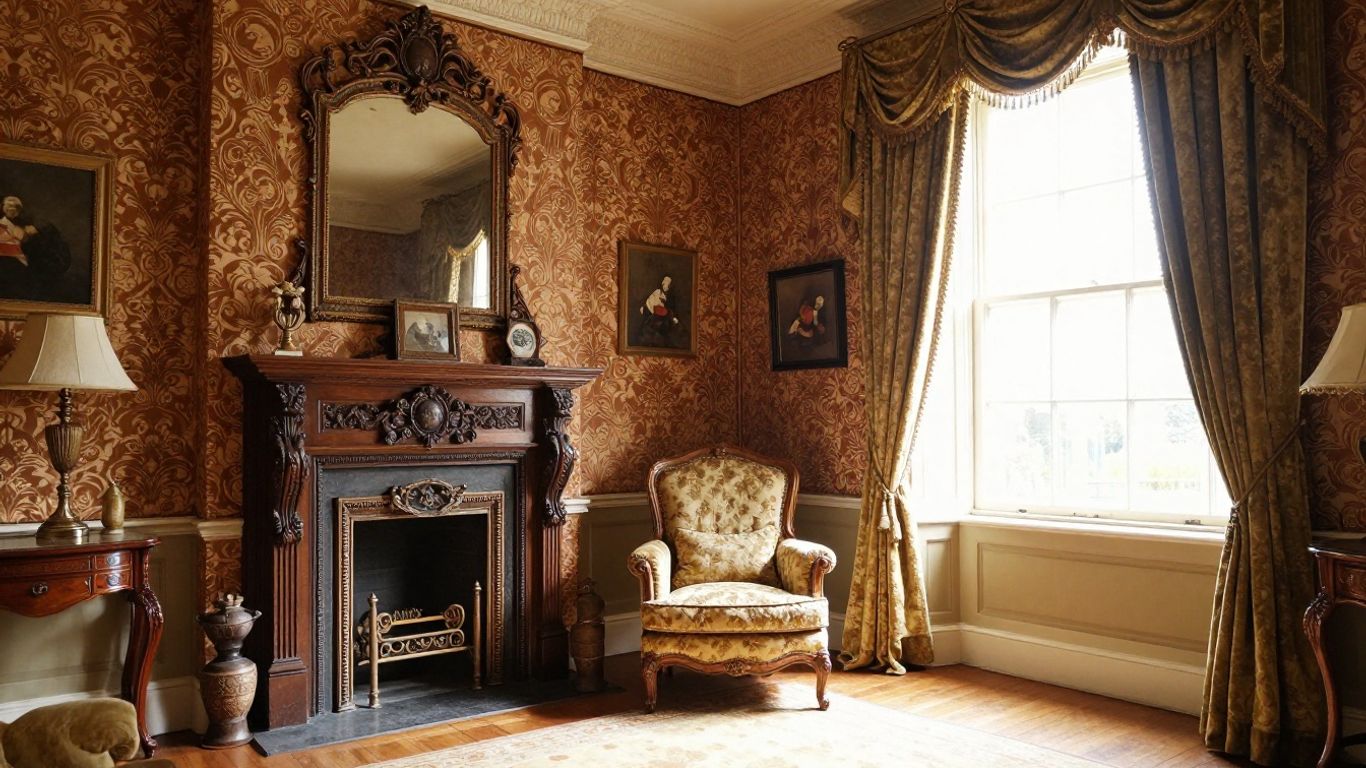
Victorian home decor, at its heart, is about embracing a sense of grandeur and intricate beauty. It's not just about filling a room with old things; it's about capturing a feeling of opulence and historical richness. In today's homes, this translates to selectively incorporating elements that evoke that era's distinctive style. Think of it as adding a touch of historical drama and comfort to your living space. The goal is to create an atmosphere that feels both luxurious and deeply personal. It’s about blending the past with the present in a way that feels intentional and elegant, not cluttered.
Key Elements of Victorian Style
To really get the Victorian look, you need to know what makes it tick. It's a style that loves detail and isn't afraid of a bit of drama. Here are some of the main things to look out for:
- Rich Materials: Victorians loved using materials that felt substantial and luxurious. Think dark woods like mahogany and walnut, often carved or inlaid. Fabrics were also a big deal – velvets, silks, and brocades were popular for upholstery and draperies.
- Bold Colors: Forget muted pastels. Victorian palettes leaned towards deep, saturated hues like burgundy, emerald green, deep blues, and even mustard yellows. These were often paired with gold or bronze accents for an extra touch of richness.
- Intricate Patterns: Whether on wallpaper, rugs, or upholstery, patterns were everywhere. Floral motifs, damask, and paisley were common, adding visual interest and a sense of abundance.
- Ornate Details: From furniture legs to picture frames, details were key. Expect to see carvings, turned wood, fringe, tassels, and decorative metalwork.
The Industrial Revolution played a surprising role, making decorative items more accessible to the middle class. This meant more people could bring ornate pieces into their homes, contributing to the style's widespread appeal.
Origins and Timeline of Victorian Design
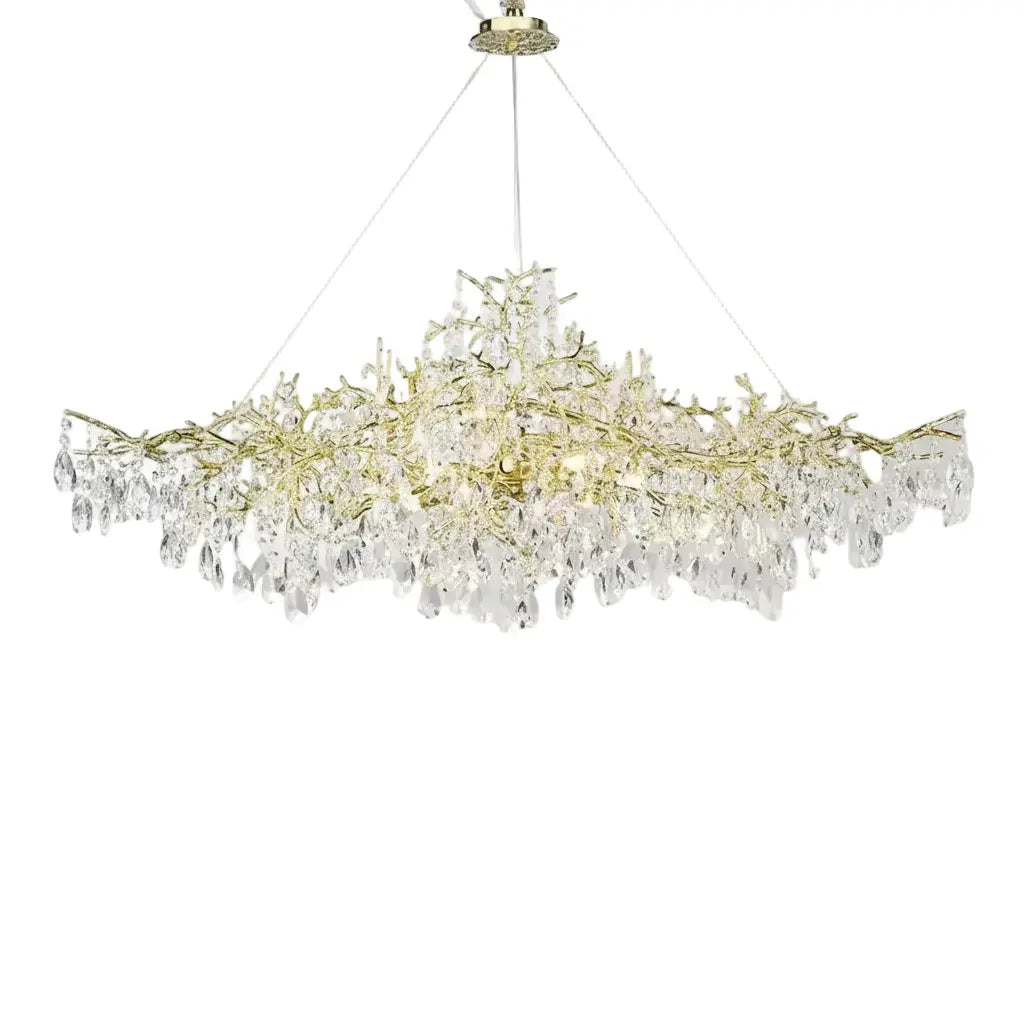
The Victorian style gets its name, of course, from Queen Victoria's reign in Britain, which lasted from 1837 to 1901. This was a period of significant change, with industrial advancements and a growing middle class. As the economy boomed, so did the desire for elaborate and decorative home furnishings. Mass production made these items more available, allowing the style to spread. It was a time when interiors often reflected a sense of prosperity and a love for collecting objects from various places and times, creating a rich, layered look. If you're looking to add some of this historical flair, consider a Retro Chandelier to capture that vintage ambiance.
Bringing Victorian Grandeur into Your Home
Opulence and Abundance in Victorian Decor
The Victorian era was all about making a statement. Think of it as the original 'more is more' philosophy. Victorians loved to show off their prosperity and access to goods from around the world, thanks to the Industrial Revolution and expanding trade. This meant filling homes with beautiful, often elaborate, items. It wasn't about minimalism; it was about showcasing a flourishing life. So, when you're aiming for that Victorian feel, don't shy away from richness and detail. It's about creating a space that feels luxurious and full of character.
Bold Color Palettes for Victorian Charm
Victorian interiors were known for their deep, rich colors. Forget muted tones; think jewel box! Deep reds, emerald greens, royal blues, and warm browns were popular choices. These colors create a cozy and dramatic atmosphere. If you're not ready for a full dark room, consider using these bold shades as accents. A deep burgundy sofa or emerald green velvet curtains can make a big impact. Even softer, more muted pastels and olives were used, offering a different kind of depth.
Here's a quick guide to some classic Victorian color pairings:
| Primary Color | Accent Colors |
|---|---|
| Deep Ruby Red | Gold, Cream, Dark Green |
| Royal Blue | Burgundy, Mustard Yellow, Beige |
| Emerald Green | Teal, Rose, Walnut Brown |
| Rich Brown | Ochre, Deep Red, Cream |
The Role of Rich Textures and Fabrics
Texture was a huge part of the Victorian look. They loved fabrics that felt luxurious and looked impressive. Think velvet, silk, brocade, and damask. These materials add depth and a tactile quality to a room. Layering different textures is key. Imagine a plush velvet sofa paired with silk cushions and heavy brocade curtains. Even the walls often featured textured wallpapers with intricate patterns. Don't forget about wood, iron, and copper – these materials also added to the rich, layered feel of Victorian homes.
Victorian Elegance by Room
Bringing the grandeur of the Victorian era into your home doesn't mean you have to go all-out in every single space. You can pick and choose which rooms best suit this opulent style. Let's look at how to infuse Victorian charm into specific areas.
Creating a Victorian Living Room
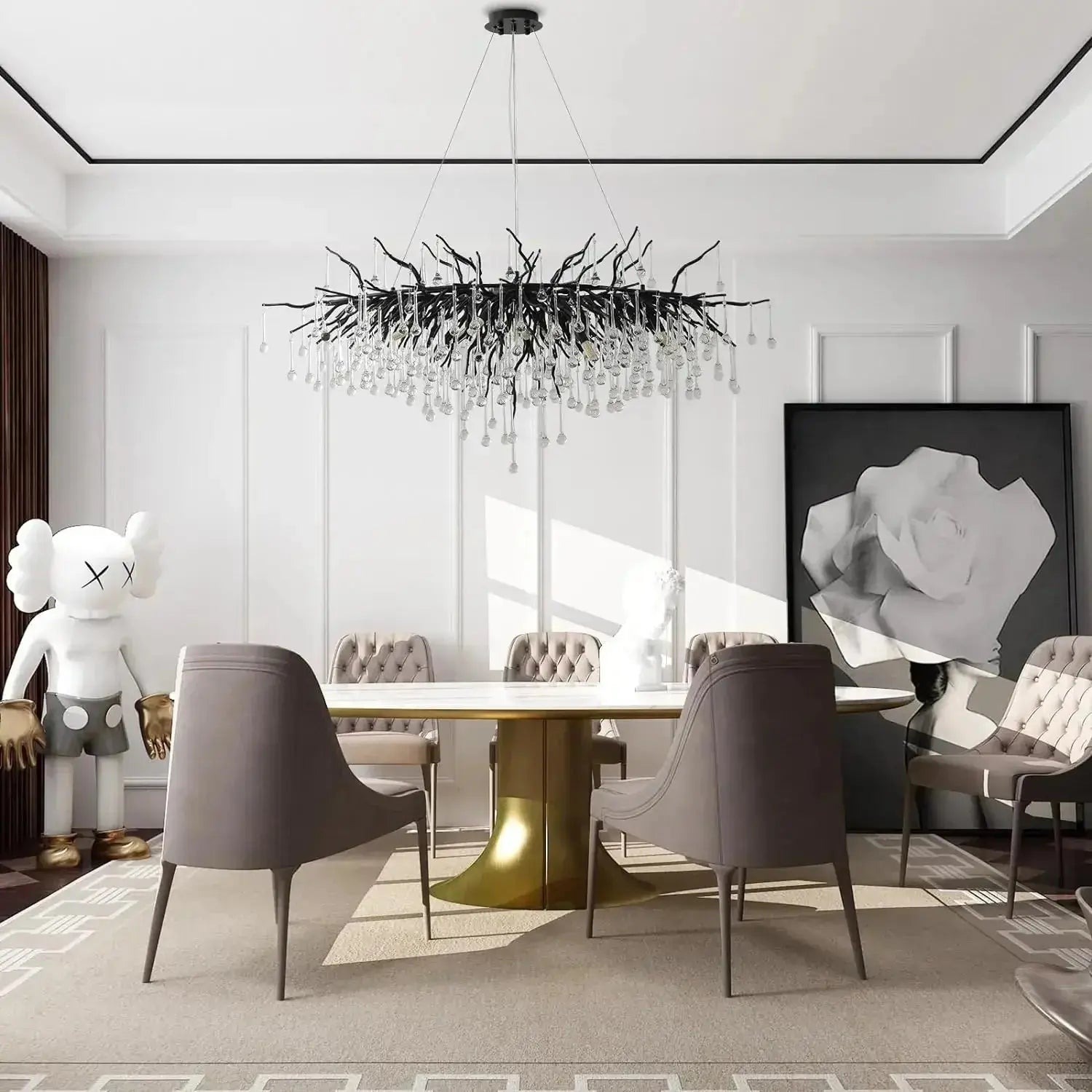
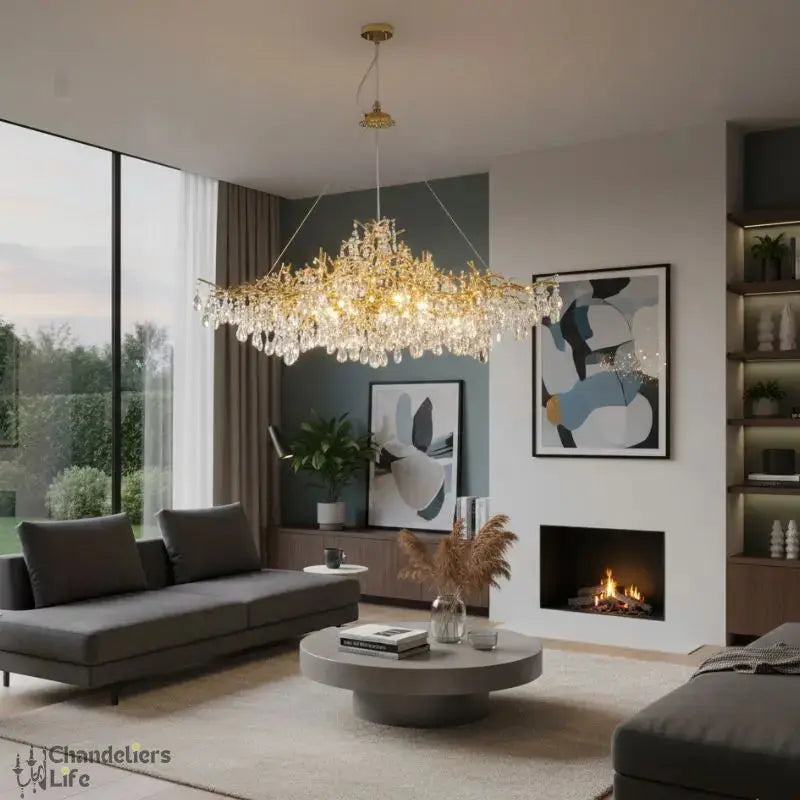
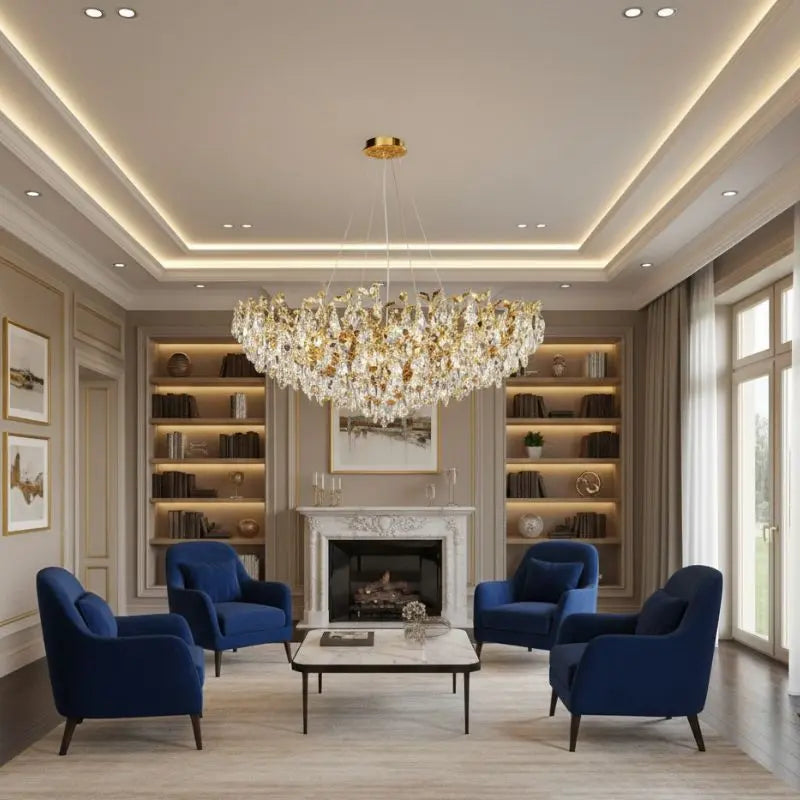
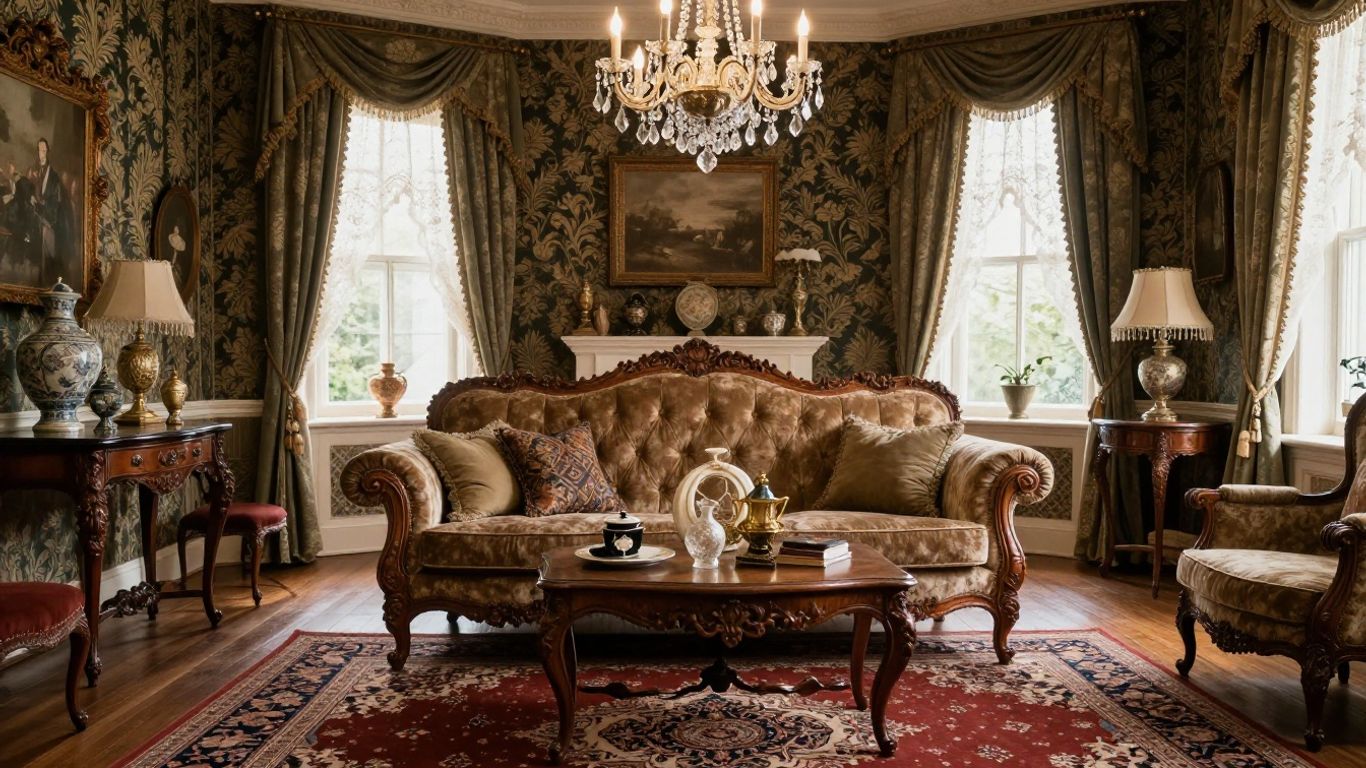
The living room is often the heart of the home, and it's a fantastic place to showcase Victorian style. Think plush seating, like a velvet sofa with carved wooden legs, paired with richly patterned rugs. Walls can be adorned with damask wallpaper or deep, jewel-toned paint. Don't forget the details: ornate picture frames, heavy drapery, and perhaps a fireplace mantelpiece with intricate carvings. The goal is to create a space that feels both luxurious and inviting. You might also consider adding a statement piece like a dining table chandelier to really set the mood.
Infusing Victorian Style into the Kitchen
While kitchens today are often sleek and modern, you can still bring in Victorian touches. Consider cabinetry with decorative molding or a deep, rich color palette like forest green or burgundy. Copper cookware displayed on open shelves or a vintage-style range can add a lot of character. Even simple things like ornate cabinet hardware or a patterned tile backsplash can make a difference. It's about adding warmth and a sense of history.
Designing a Luxurious Victorian Bathroom
Bathrooms are perfect for a touch of Victorian indulgence. A classic clawfoot tub is almost a must-have. You can also opt for a vanity with intricate detailing or marble countertops. Fixtures with ornate handles, like those found on faucets, add a lovely period touch. Consider mosaic tile work for the floor or shower walls, and don't shy away from decorative mirrors. Lighting is also key; think about wall sconces with a vintage feel, perhaps complementing your exterior lighting.
Remember, the key is to blend these historical elements with modern functionality so the space still works for everyday life. It's about creating a feeling, not necessarily a museum replica.
Key Furnishings and Accents for Victorian Style
Ornate Silhouettes and Intricate Workmanship
Victorian design isn't exactly known for its simplicity, is it? Forget those clean, straight lines you see everywhere now. Instead, think curves, flourishes, and details that really grab your attention. Furniture from this era often features deep carvings and elaborate patterns. It's all about making a statement and filling the space with a sense of abundance. This intricate workmanship is what gives Victorian pieces that old-world charm.
The Impact of Wood, Iron, and Copper
Wood is a big deal in Victorian decor. We're talking rich, dark timbers like mahogany, walnut, and rosewood. These aren't just for show; they bring a natural warmth and texture that feels really inviting. But don't stop there. Mixing in other materials like iron, copper, and even stone adds another layer. You'll often see these used for smaller touches, like cabinet knobs, door hardware, or decorative accents. These materials add a tactile quality that really complements the overall look.
Accessorizing with Mirrors, Vases, and Lighting
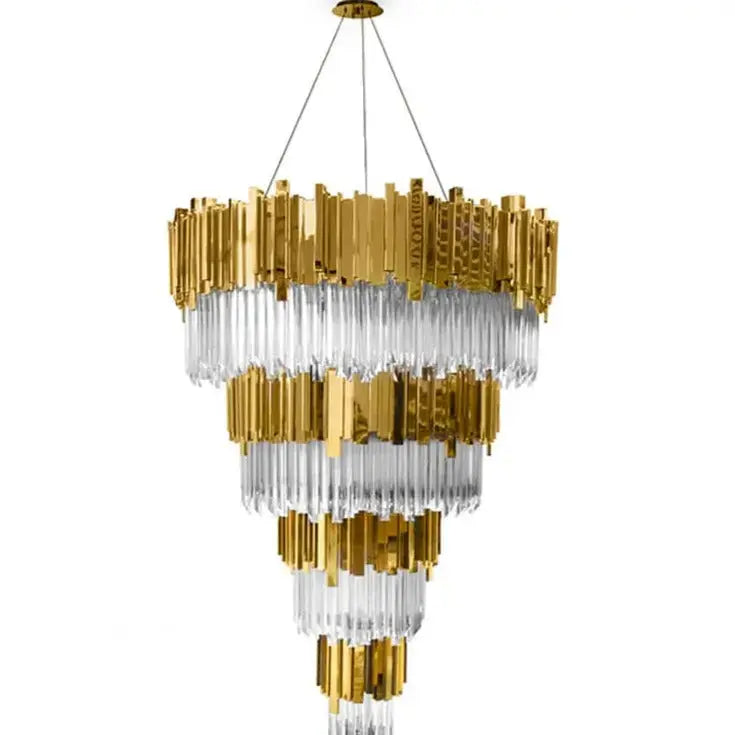
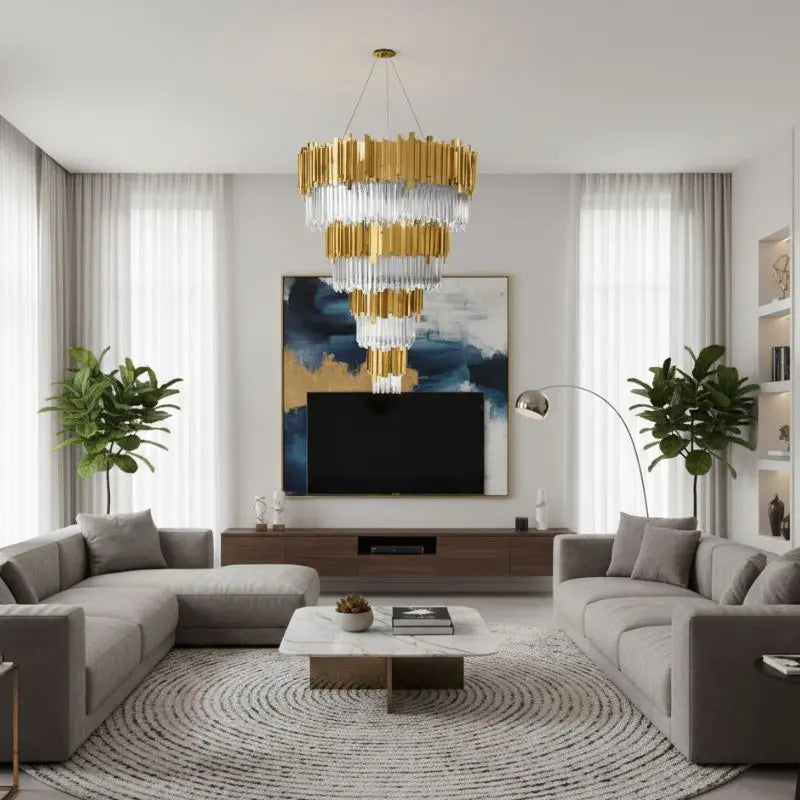
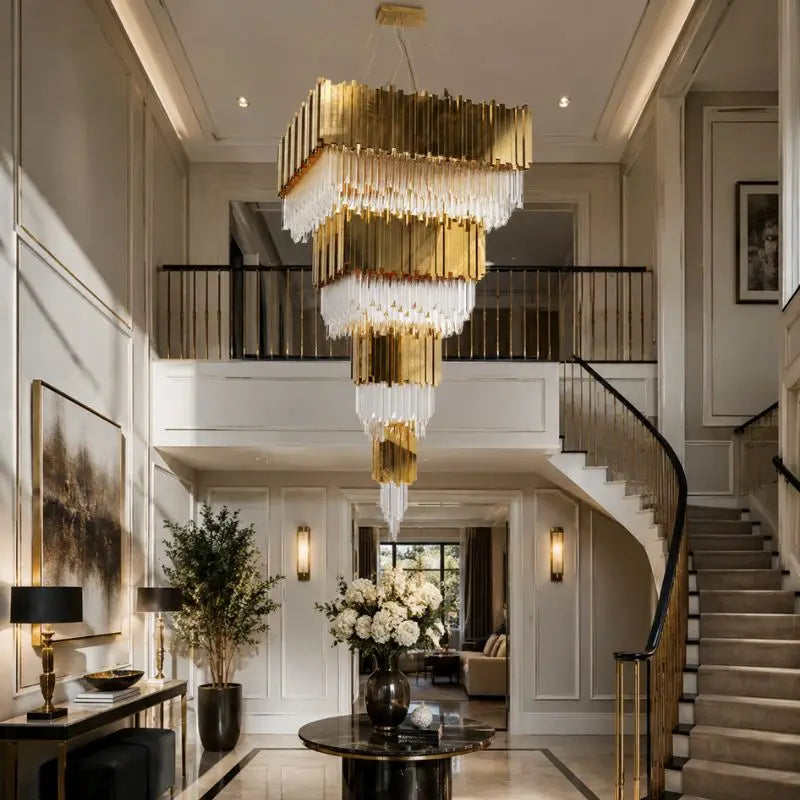
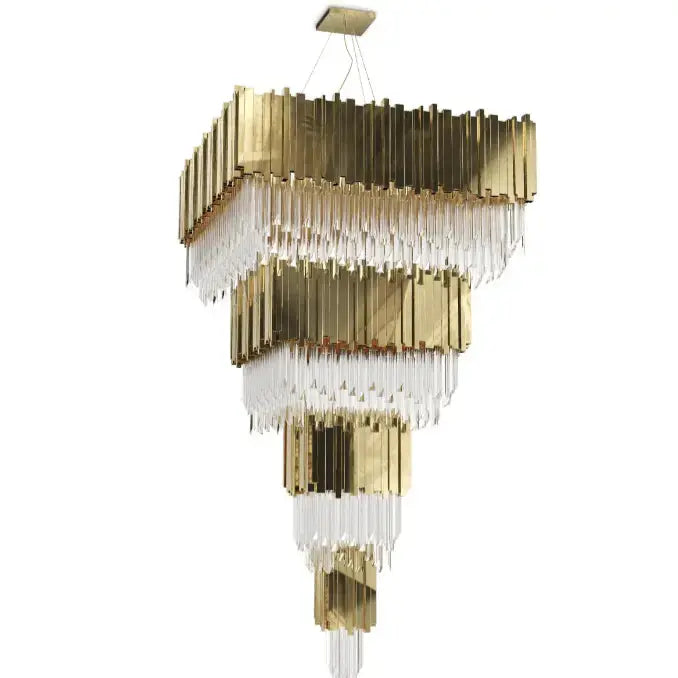
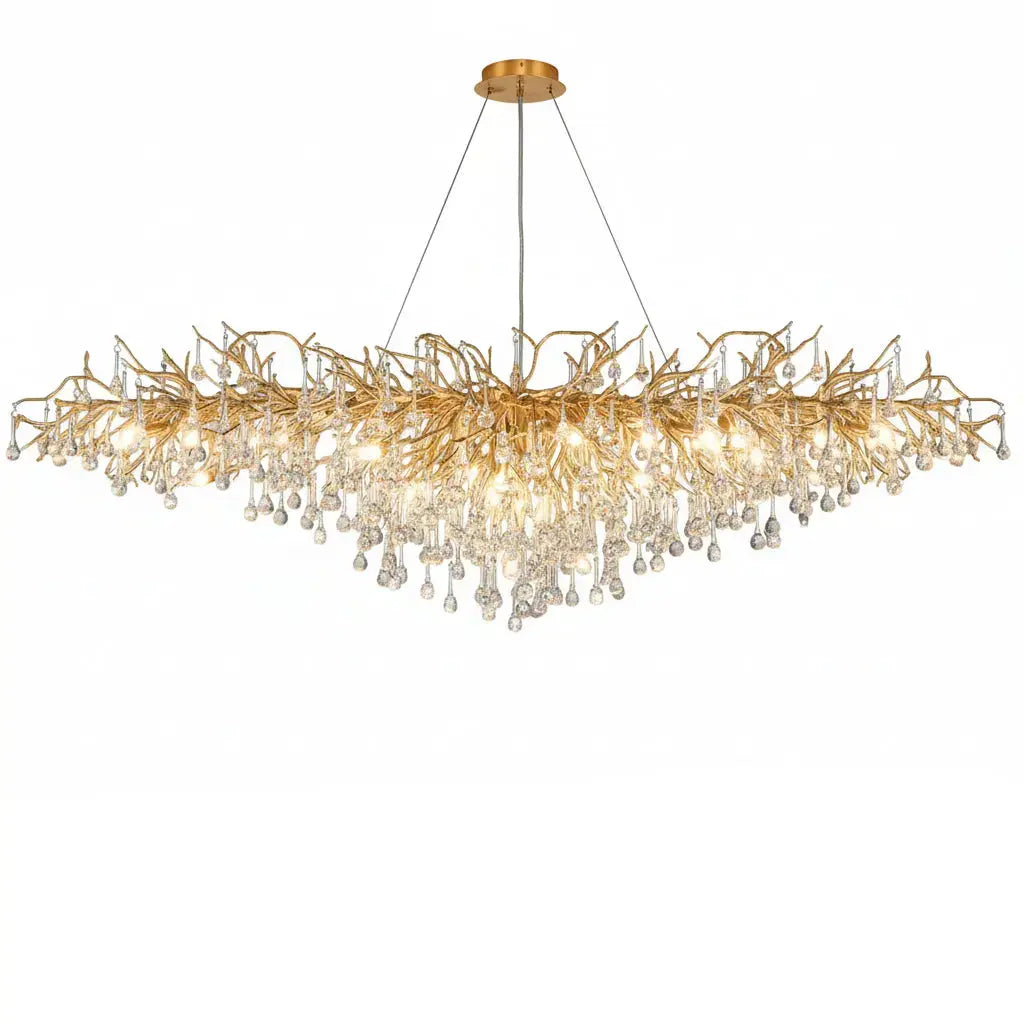
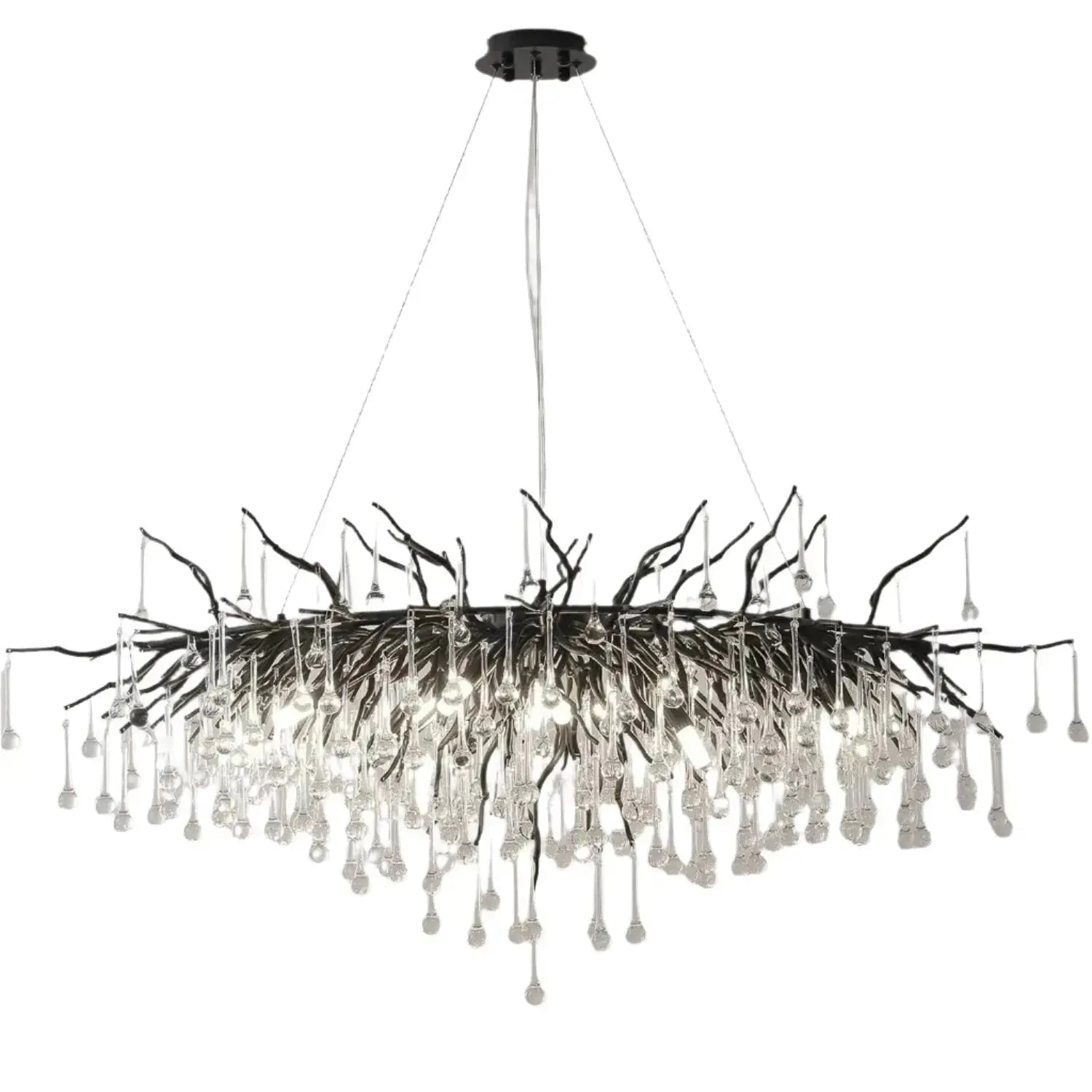
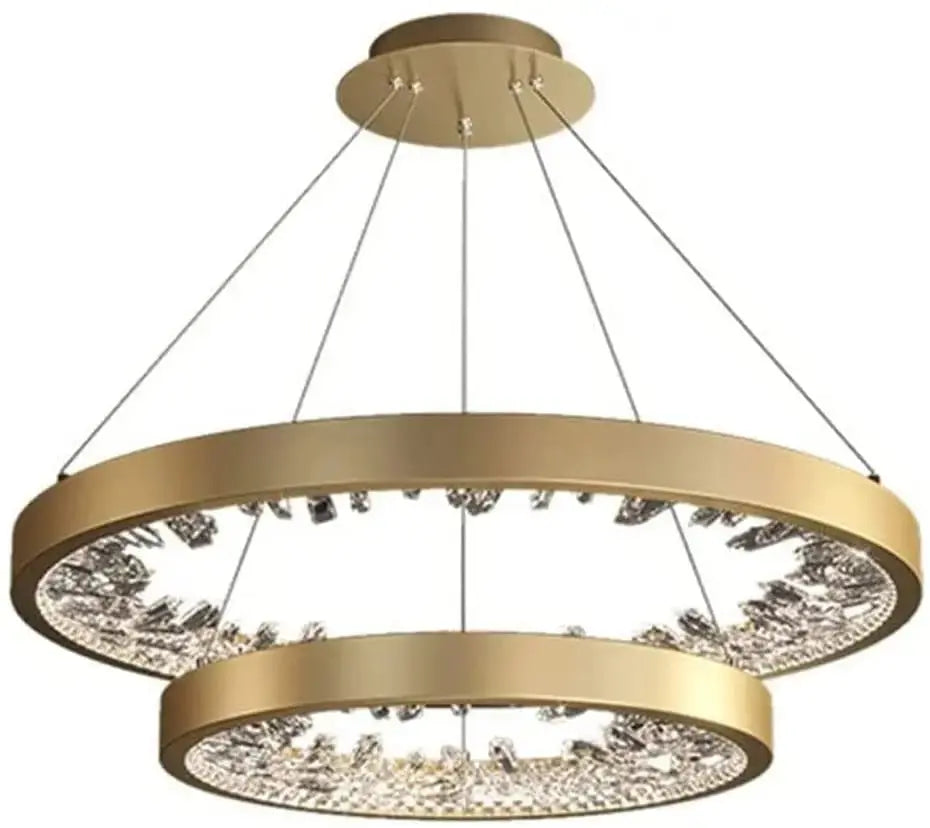
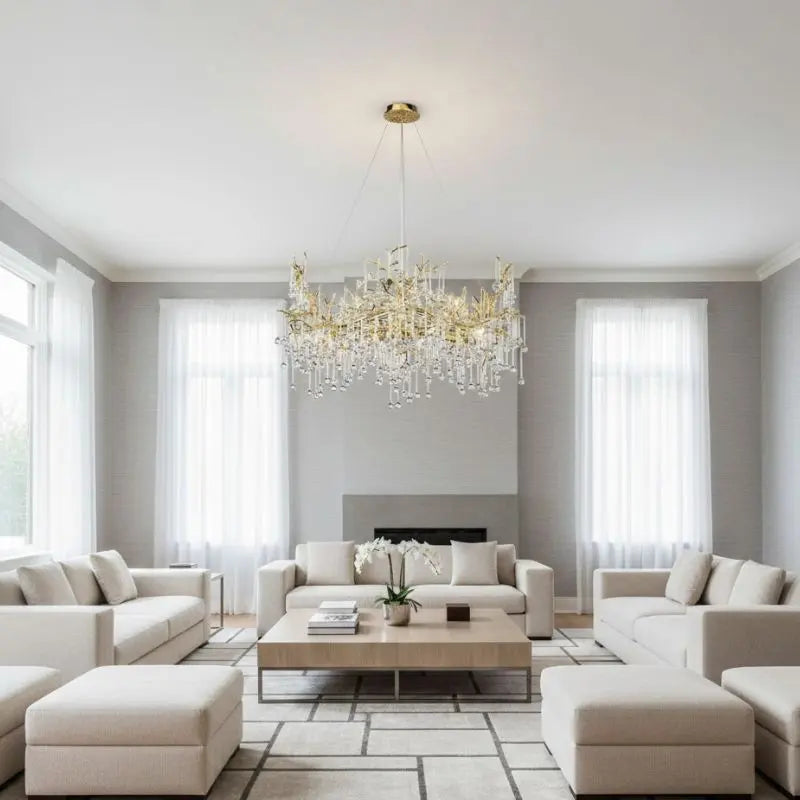
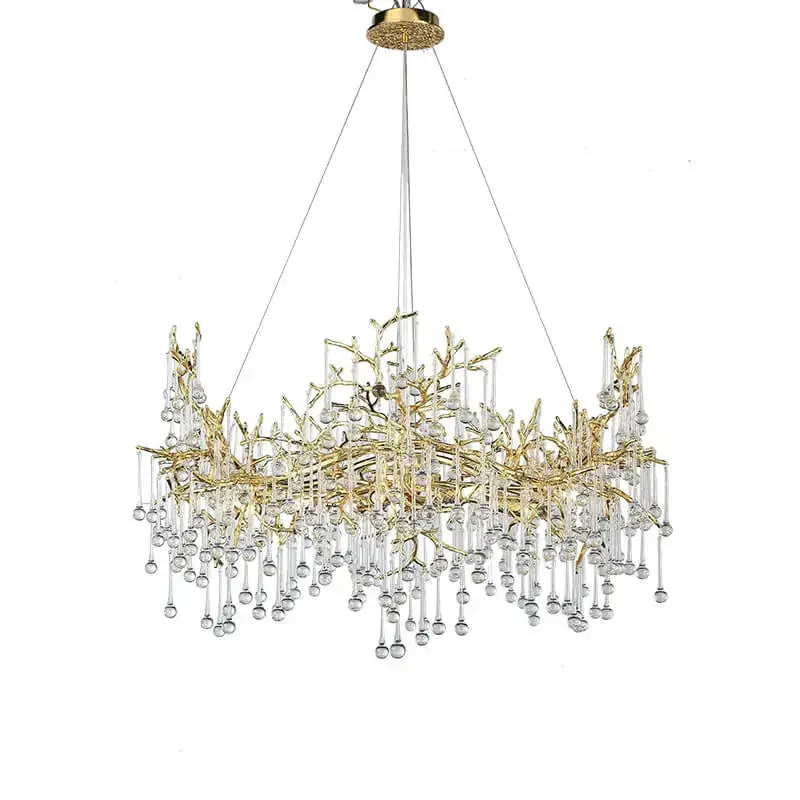
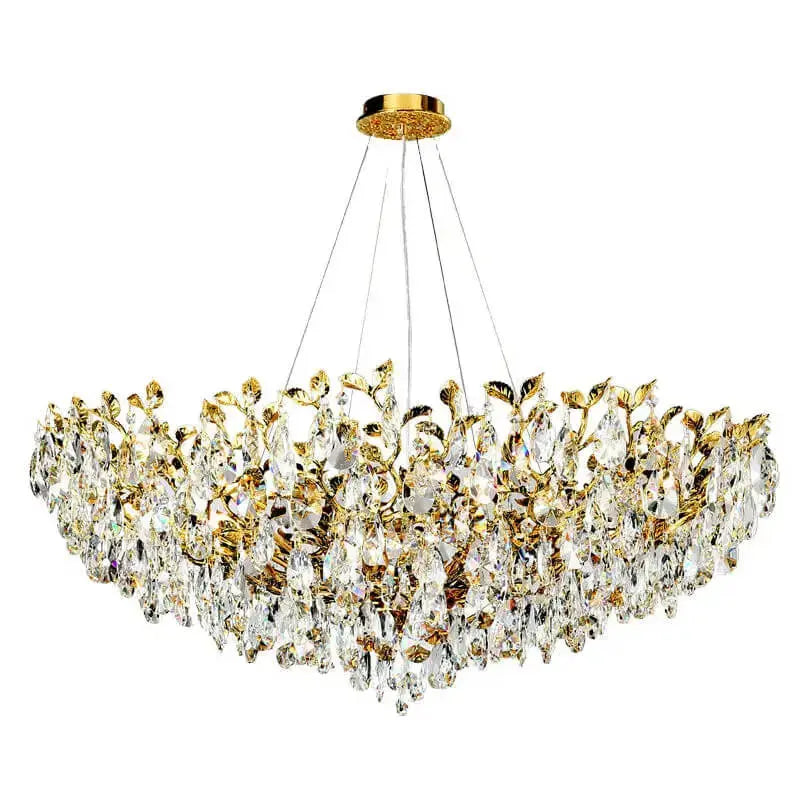
To really nail the Victorian look, you need the right accessories. Think about mirrors with ornate, gilded frames – they catch the light and make a room feel grander. Vases, especially those with intricate patterns or made from colored glass, are perfect for displaying flowers or just standing on their own. And lighting? Absolutely key. A statement chandelier, perhaps with crystals or made from brass, can completely transform a space. Even smaller lamps with detailed bases and fabric shades add to the ambiance. These decorative elements are what tie the whole room together.
Don't be afraid to mix and match metals. Warm tones like brushed gold, antique brass, and satin copper work wonderfully. They create a lovely contrast against darker colors and add a touch of glamour.
Here's a quick look at some common materials and their uses:
| Material | Common Uses |
|---|---|
| Wood (Mahogany, Walnut, Rosewood) | Furniture frames, carved details, cabinetry |
| Iron | Hardware, decorative accents, lighting fixtures |
| Copper | Cookware, decorative accents, plumbing fixtures |
| Brass | Hardware, lighting fixtures, decorative accents |
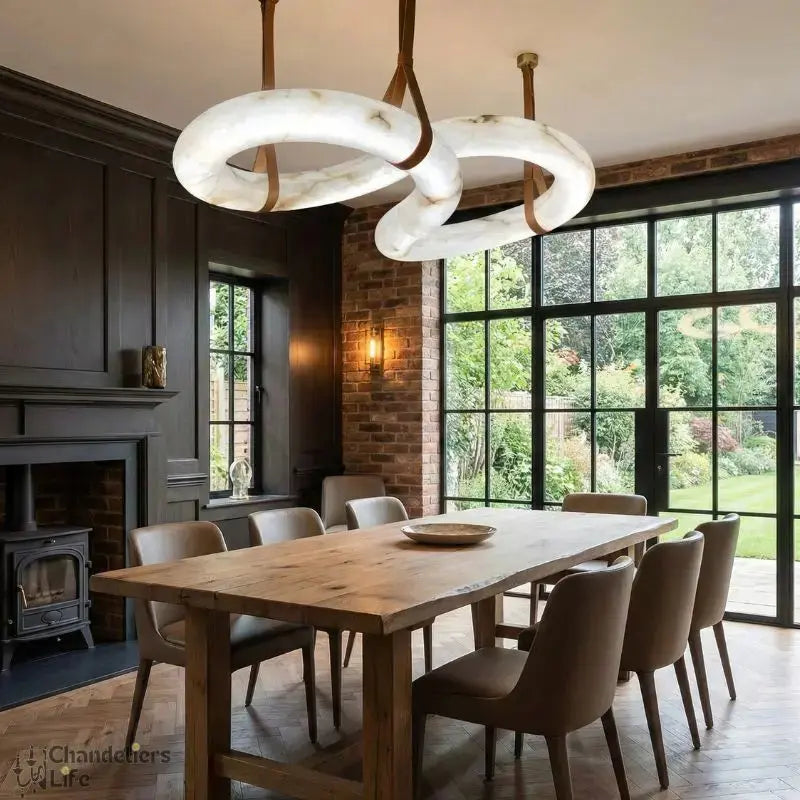
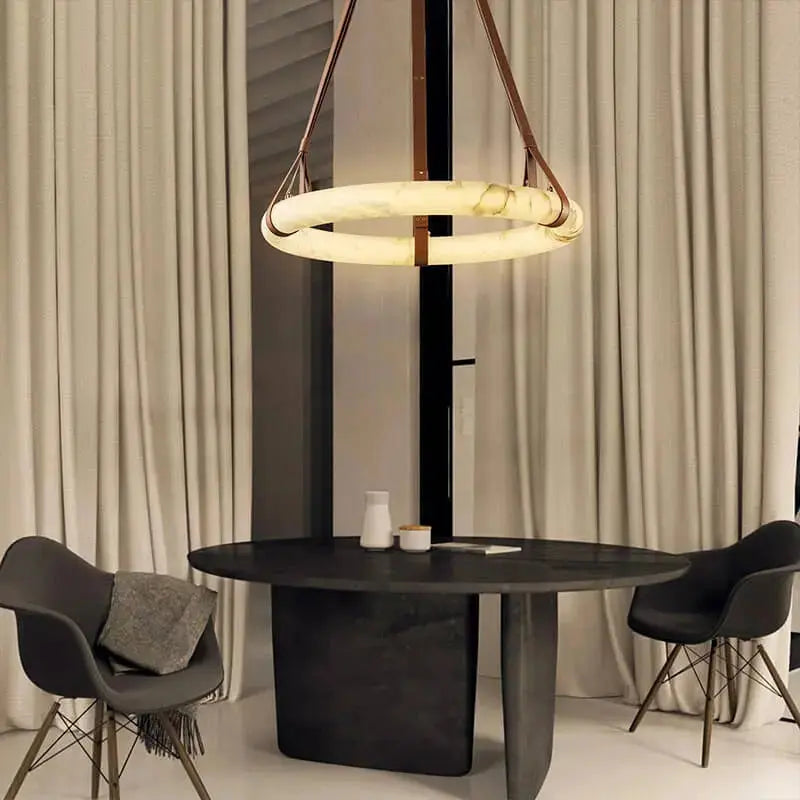
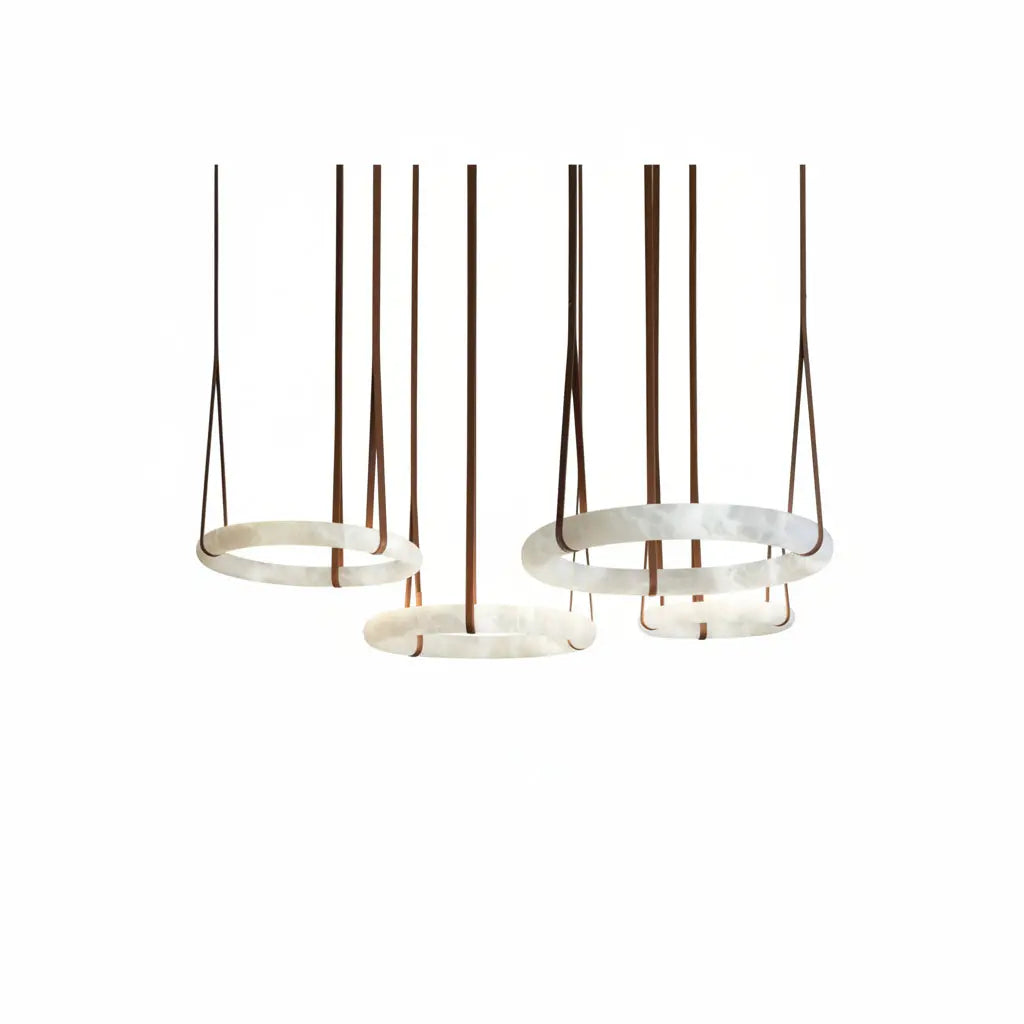
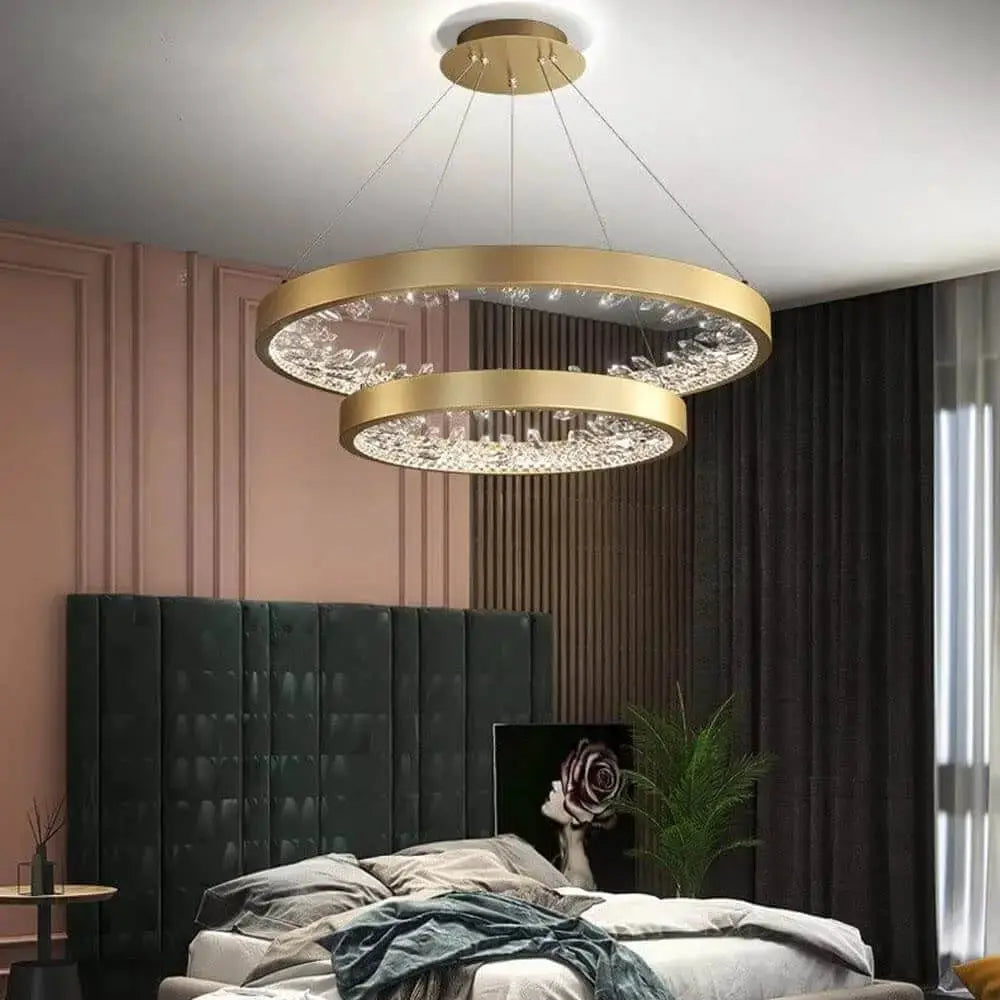
When choosing lighting, consider something like the Apollo Unique Sphere Chandeliers to add a luxurious touch. For a more custom fit, a postmodern line ring lamp can be adjusted to your specific needs, offering a tailored lighting solution.
Achieving the Victorian Aesthetic
So, you want to bring a bit of that Victorian flair into your home? It's all about embracing a certain boldness and grandeur, really. Think of it as a curated collection of beautiful things that tell a story. It's not just about throwing a bunch of stuff together; there's a method to the madness, even if it looks a little wild at first glance.
Embracing Boldness and Grandeur
The Victorian era was a time of showing off, plain and simple. People had more money, and they wanted everyone to know it. This meant filling homes with impressive pieces, rich colors, and intricate details. It was the opposite of minimalist. If you're going for this look, don't be shy! Think "more is more" but in a tasteful way. It’s about creating a space that feels luxurious and full of personality, a reflection of your own tastes and experiences.
The Importance of Patterned Walls and Fabrics
Walls in Victorian homes weren't just blank canvases; they were statements. You'll often see bold floral patterns, damask, or even intricate geometric designs. William Morris, a big name back then, believed that wallpaper was art. He created over 50 unique designs, and they really draw your eye. The same goes for fabrics. Upholstery on furniture, curtains, and cushions were usually covered in rich patterns too. Mixing patterns can seem tricky, but it's key to that authentic Victorian vibe. Just try to keep a consistent color palette to tie it all together.
- Floral Prints: Think lush, detailed flowers, often in deep, rich colors.
- Damask: A classic choice with a subtle sheen and woven patterns.
- Geometric Designs: Especially popular later in the era, offering a more structured look.
- Tapestries: Large, ornate wall hangings that added texture and visual interest.
Incorporating Gold Accents and Chandeliers
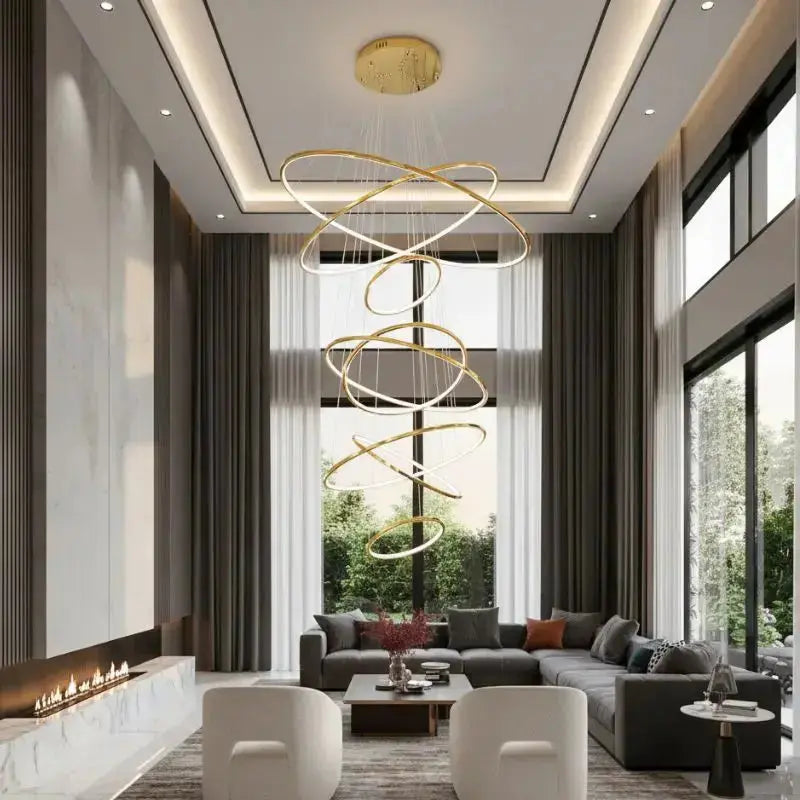
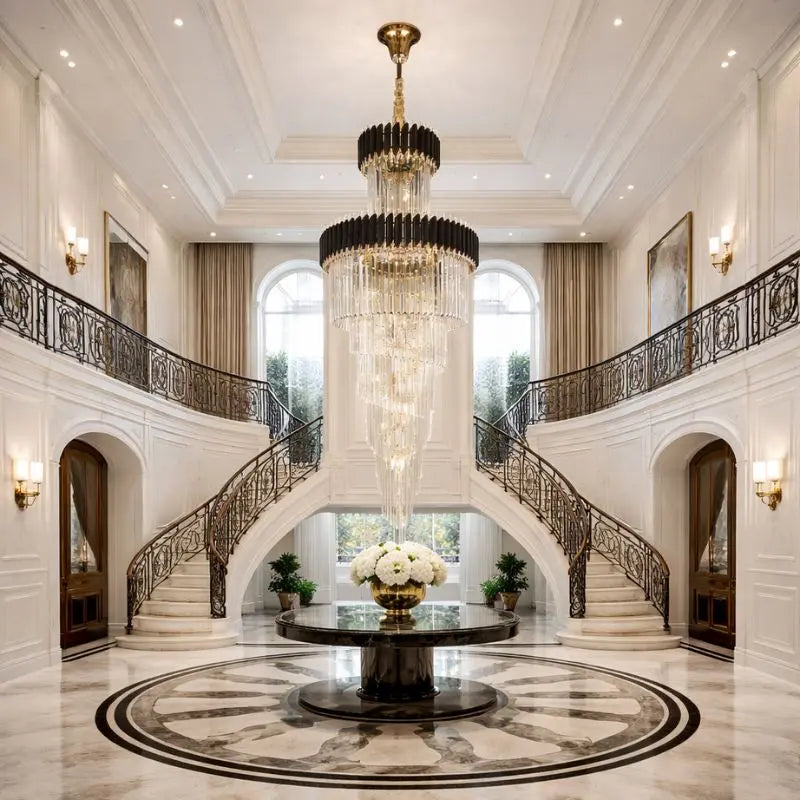
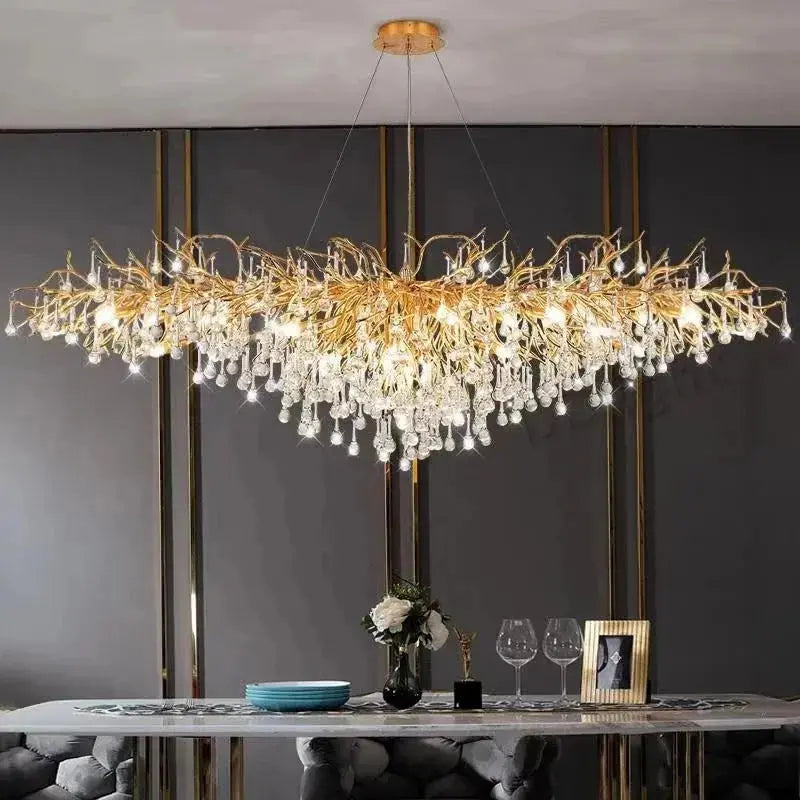
To really nail the Victorian aesthetic, you need those little touches that scream luxury. Gold accents are a must. Think picture frames, decorative trim on furniture, or even small decorative objects. And lighting? It's not just functional; it's a centerpiece. Chandeliers, especially those with crystal or ornate metalwork, are perfect for adding that dramatic, opulent feel. They cast a warm glow and really make a room feel grand. It’s these details that transform a space from ordinary to extraordinary.
Victorian design is about creating a personal museum within your home. It's a way to showcase your appreciation for craftsmanship, history, and a certain kind of beautiful excess that was accessible during that time. It’s a style that allows for a lot of personal expression, making your home uniquely yours.
Bringing Victorian Charm Home
So, there you have it. We've gone through all the ways you can add a touch of Victorian flair to your place. It might seem like a lot with all the patterns and fancy furniture, but remember, you don't have to do everything at once. Start small, maybe with some rich-colored throws or a cool antique mirror. The main thing is to have fun with it and make your home feel like you. Victorian style is all about making a statement, but it's also about comfort and history. Mix and match, find what speaks to you, and create a space that feels both grand and totally yours. Happy decorating!
Frequently Asked Questions
What makes Victorian style so special?
Victorian style is all about making a grand statement! It uses lots of fancy details, rich colors, and comfy, plush fabrics. Think of it as a mix of elegance and coziness that feels really special and a bit like stepping back in time.
What are the main colors used in Victorian decor?
Victorian homes often feature deep, rich colors. Imagine deep reds like burgundy, dark greens like emerald, and royal blues. They also love to add touches of gold or bronze to make things sparkle.
Do I need to use old furniture to get the Victorian look?
Not necessarily! You can mix old and new. Look for furniture with fancy carvings or curved shapes. Even a few key pieces can give you that Victorian vibe without needing to replace everything.
What kind of patterns are common in Victorian style?
Patterns are a big deal in Victorian decor! You'll often see floral designs, damask (a fancy woven pattern), and paisley. These patterns are great for wallpapers, curtains, and furniture fabrics.
How can I add Victorian touches to my kitchen or bathroom?
For the kitchen, think about fancy cabinets, copper pots, and vintage-style lights. In the bathroom, a clawfoot tub or a vanity with fancy handles can really make a difference. Rich wood and detailed fixtures are key.
Is Victorian decor too much for a modern home?
You can definitely make it work! The trick is to balance the ornate Victorian elements with simpler, modern pieces. This way, you get the charm and elegance without it feeling overwhelming.