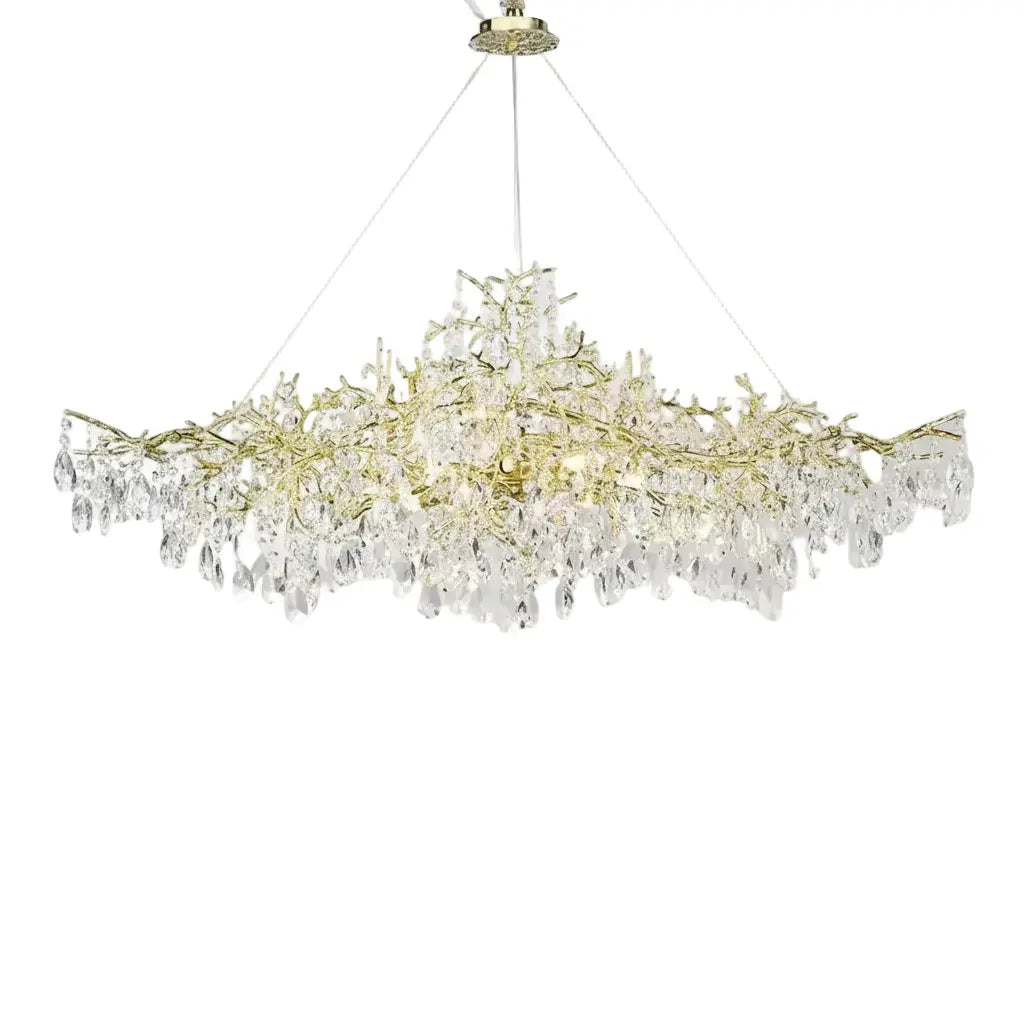
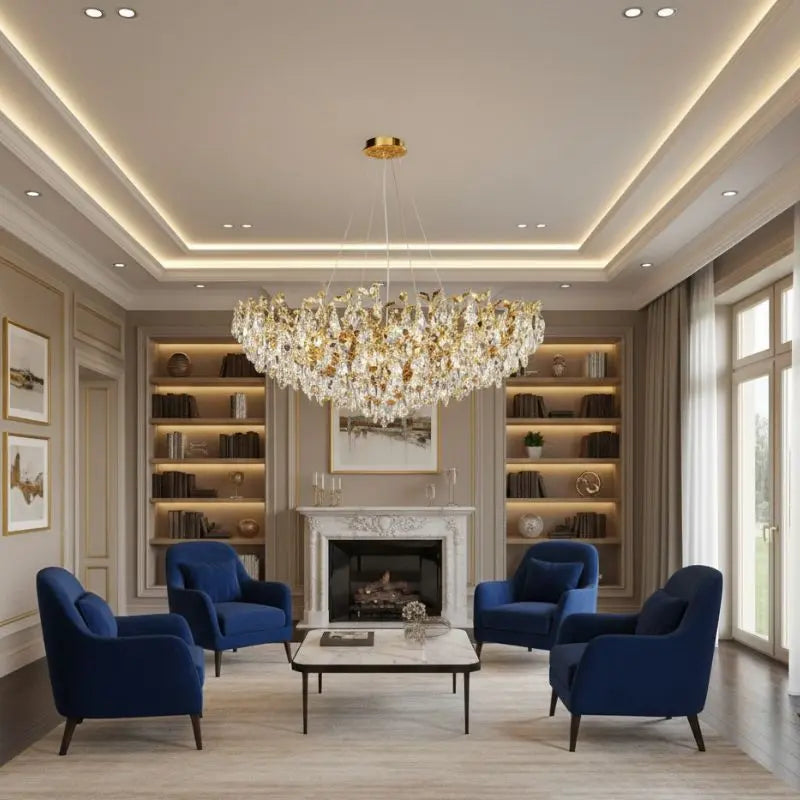
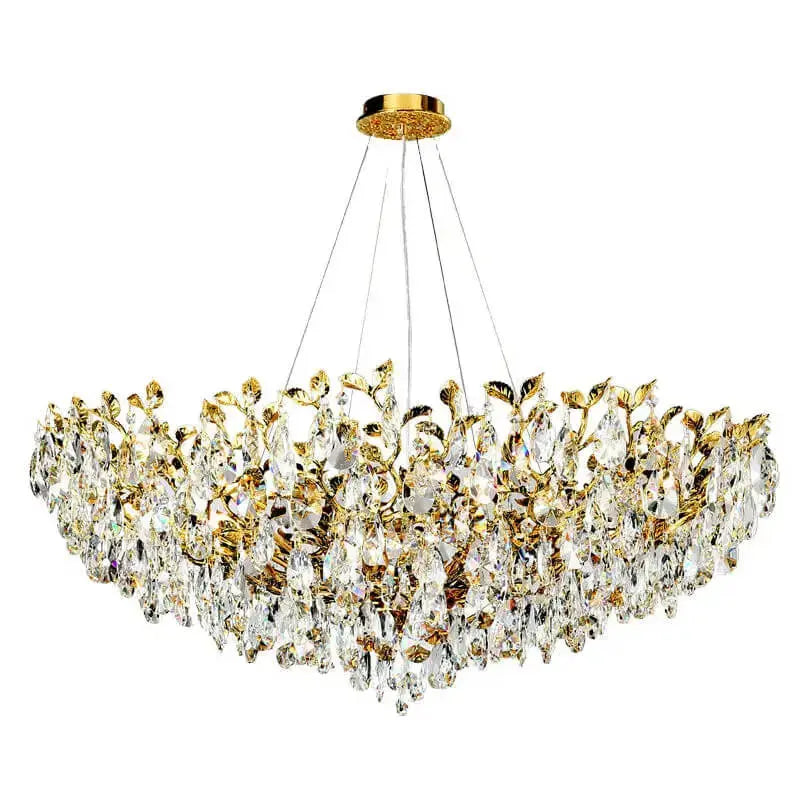
Thinking about hanging pendant lighting? It's a fantastic way to add style and light to just about any room. Whether you're aiming for a cozy vibe in the living room or need good light over the kitchen island, the right pendant light can make a big difference. This guide will help you figure out where to place them, what styles work best, and how to make them a great part of your home's look.
Key Takeaways
- Proper placement of hanging pendant lighting is key, with specific height and spacing rules for areas like kitchen islands and dining tables.
- Explore different pendant styles, from bold black fixtures to warm brass or dramatic cluster designs, to match your decor.
- Consider color, size, and material when choosing pendant lights to ensure they harmonize with your existing decor.
- Layering lighting with pendants and chandeliers, and using dimmers, helps create the perfect mood and ambiance.
- Adjust pendant light height based on ceiling height, with specific guidelines for standard, high, and vaulted ceilings.
Understanding Pendant Lighting Placement
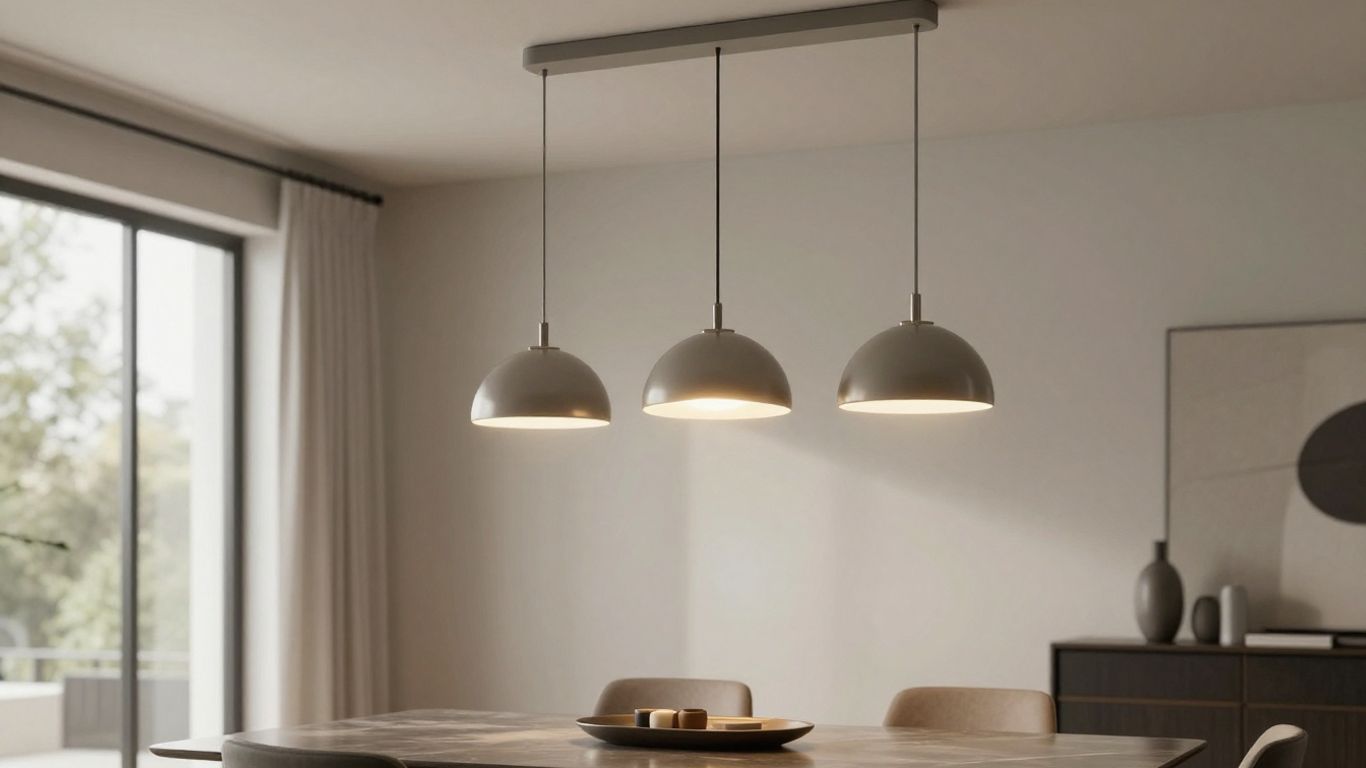
Getting the placement of your pendant lights just right is super important. It's not just about making things look pretty; it's about how the light actually works in your space. Mess up the height or spacing, and you can end up with glare, shadows, or just a generally awkward feel. Let's break down how to get it right.
Ideal Heights for Kitchen Islands
When you're hanging pendants over a kitchen island, height is key. You want them low enough to provide good task lighting for prepping food or gathering around, but not so low that people bump their heads. A good rule of thumb is to hang them about 30 to 36 inches above the countertop surface. This range usually works well for most standard kitchen setups.
- For task lighting, aim for the lower end of the range (30-32 inches).
- Consider the visual weight of the fixture; larger pendants might hang slightly higher.
- Ensure there's enough clearance for movement around the island.
The size of your island also plays a role. A longer island might need more pendants spaced out evenly, while a smaller one might only accommodate one or two.
Optimal Spacing for Multiple Pendants
If you're going for more than one pendant over an island or a long counter, spacing them out evenly is crucial. Too close, and they'll look cramped; too far apart, and you'll have dark spots. A common recommendation is to space them about 24 to 32 inches apart. This helps create a balanced pool of light across the entire surface. You can also center the group of pendants over the island's width for a more cohesive look. If you're hanging string lights, a spacing of 6 to 10 feet apart is often suggested [950e].
Dining Table Pendant Height Guidelines
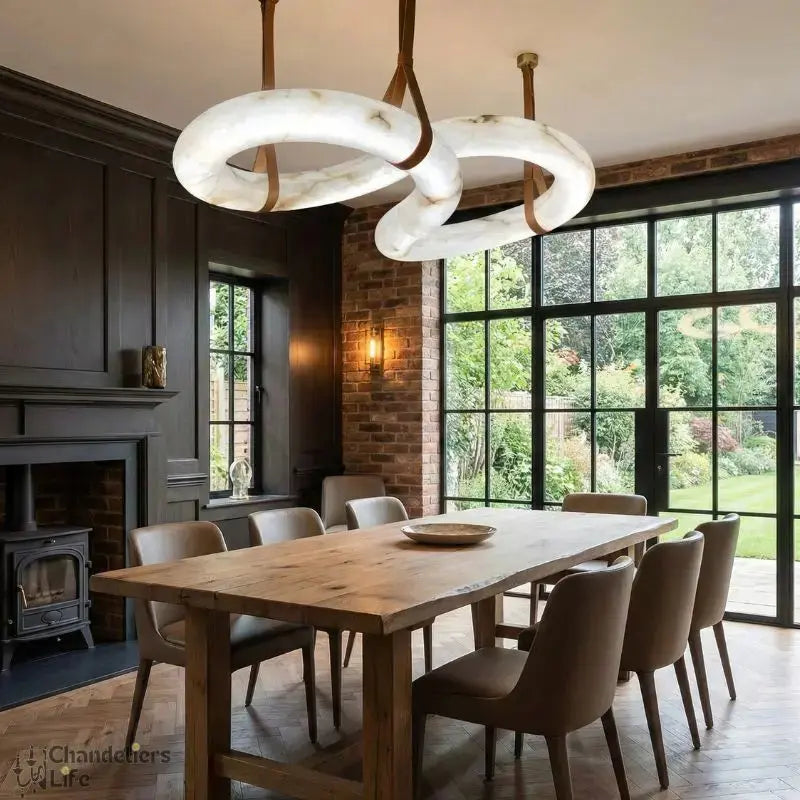
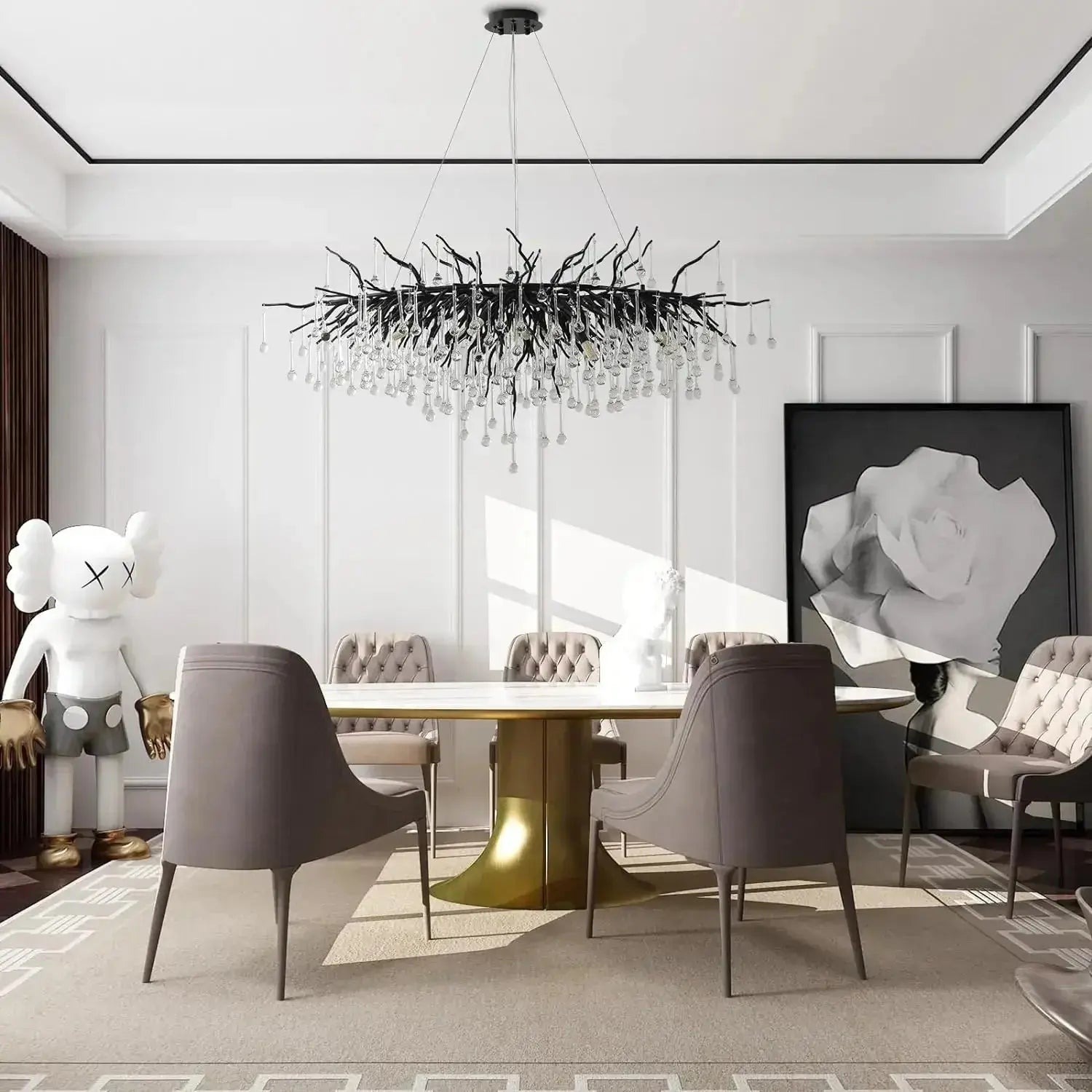
For dining tables, the goal is to create a warm, inviting atmosphere without obstructing views across the table. Generally, you'll want to hang your pendant or chandelier about 32 to 36 inches above the tabletop. This height allows the light to illuminate the table surface nicely while still letting diners see each other. Remember, the fixture's size matters too; it should generally be about half to two-thirds the width of your dining table to look proportional. This helps make sure the lighting feels balanced with the furniture.
Exploring Diverse Pendant Lighting Styles
Pendant lights are super versatile, and honestly, they can totally change the vibe of a room. It's not just about brightness; it's about the look and feel they bring. When you're picking out pendants, think about the statement you want to make. Are you going for something subtle and chic, or do you want your light fixture to be the main event?
Bold Statements with Black Pendants
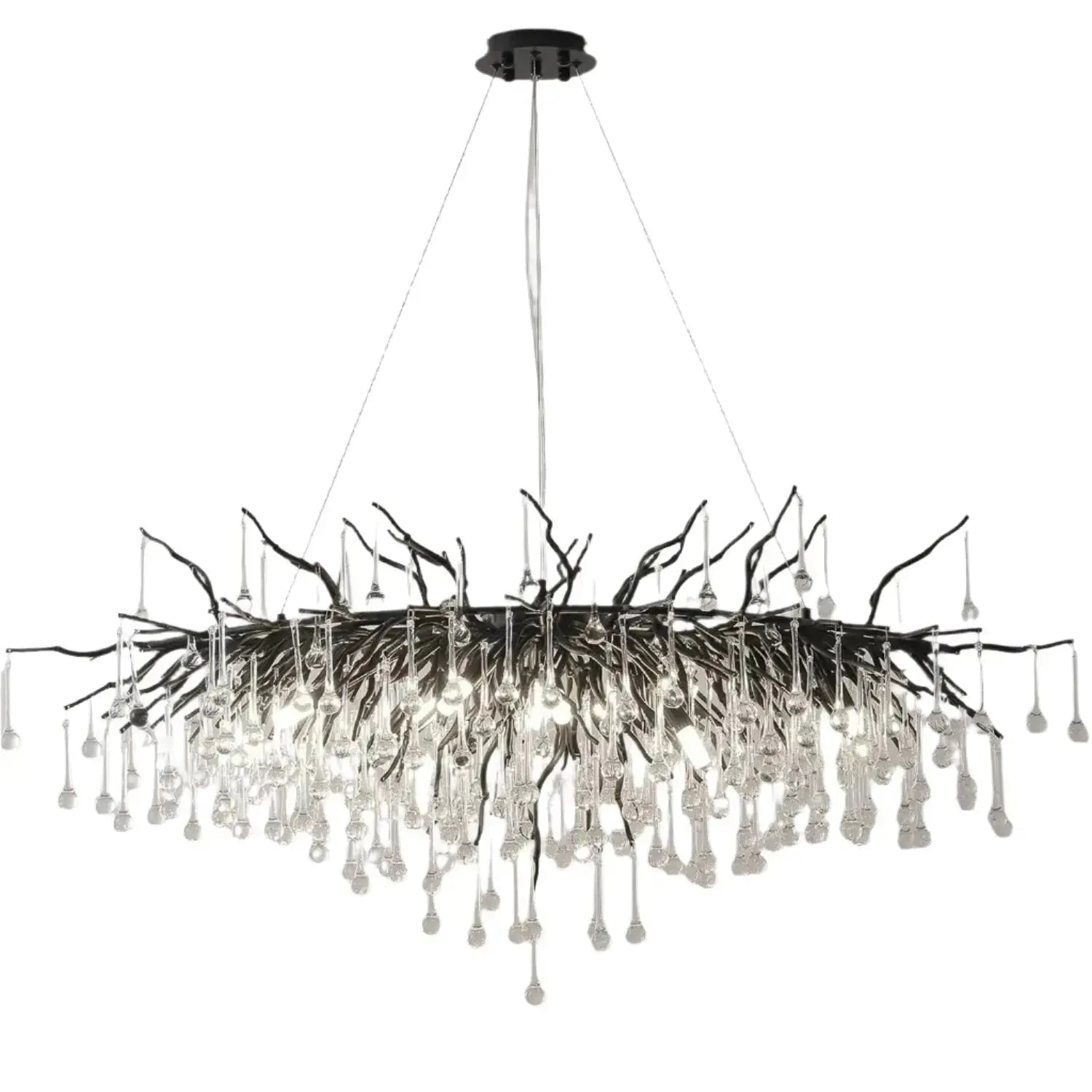
Black pendant lights are kind of a big deal right now, and for good reason. They have this cool, modern edge that works in so many different settings. They're especially great if you're going for a minimalist or industrial look. Imagine a sleek black pendant hanging over a kitchen island – it just grounds the whole space and adds a touch of sophistication without being too much. They can also be a nice contrast in a room with lighter colors, really making the fixture pop.
Warmth and Luxury with Brass Pendants
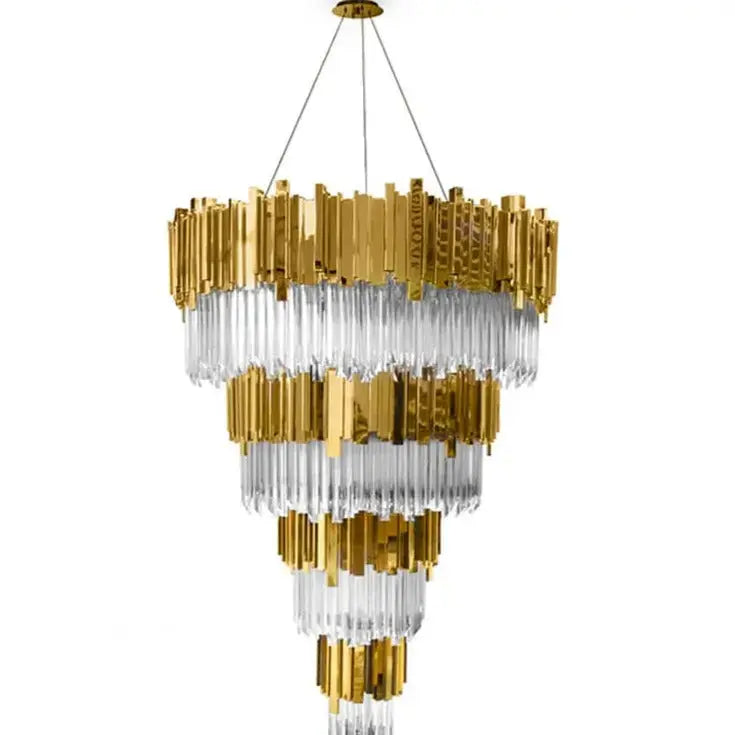
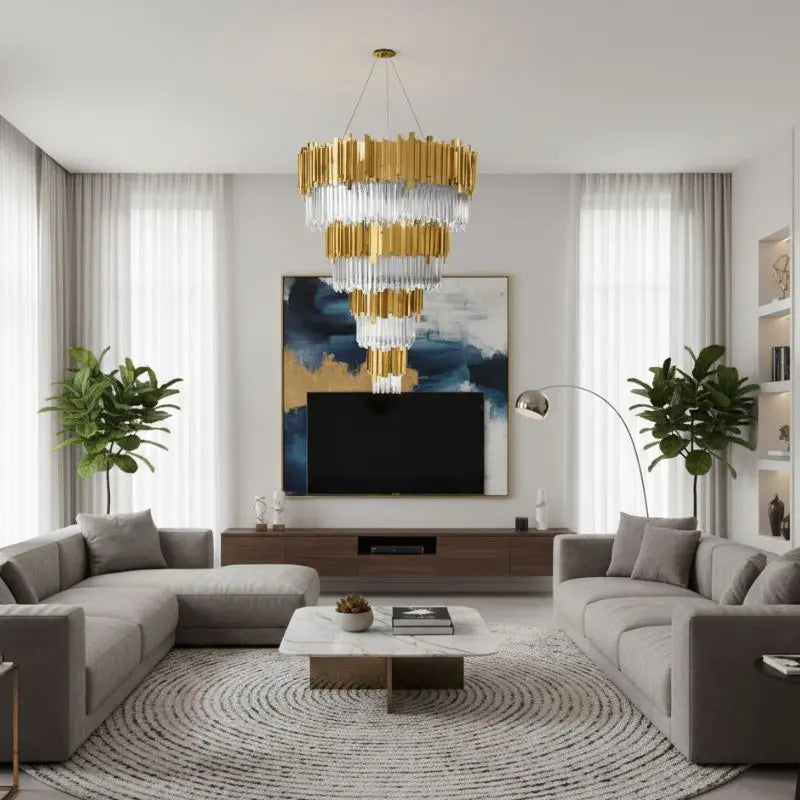
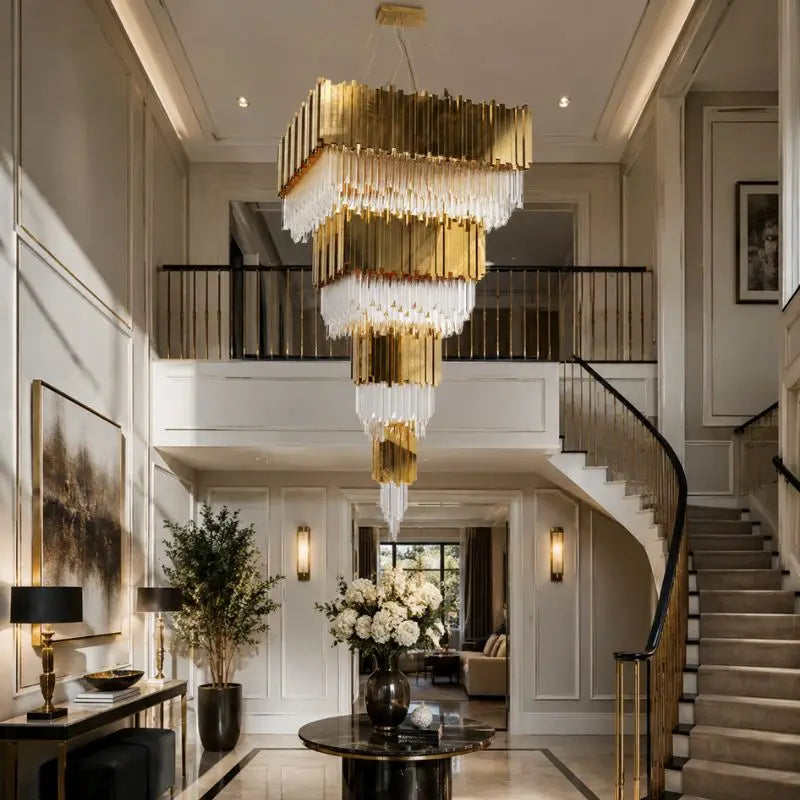
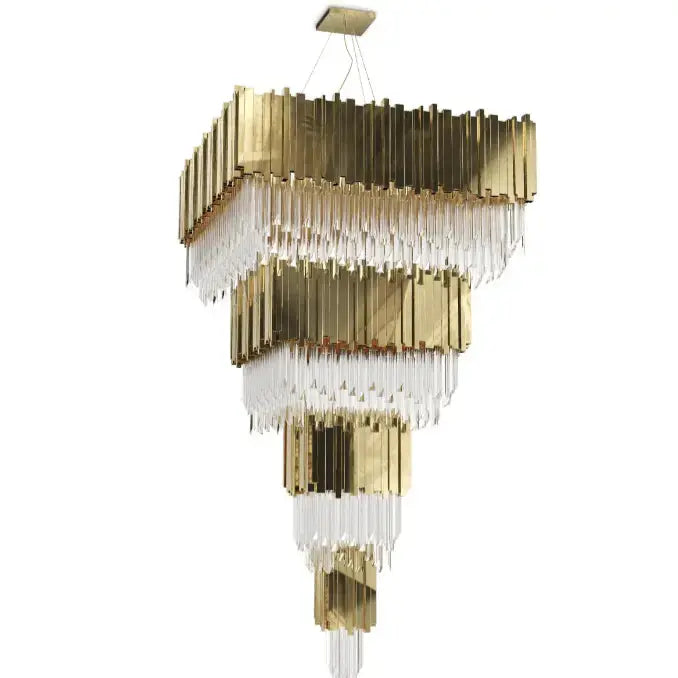
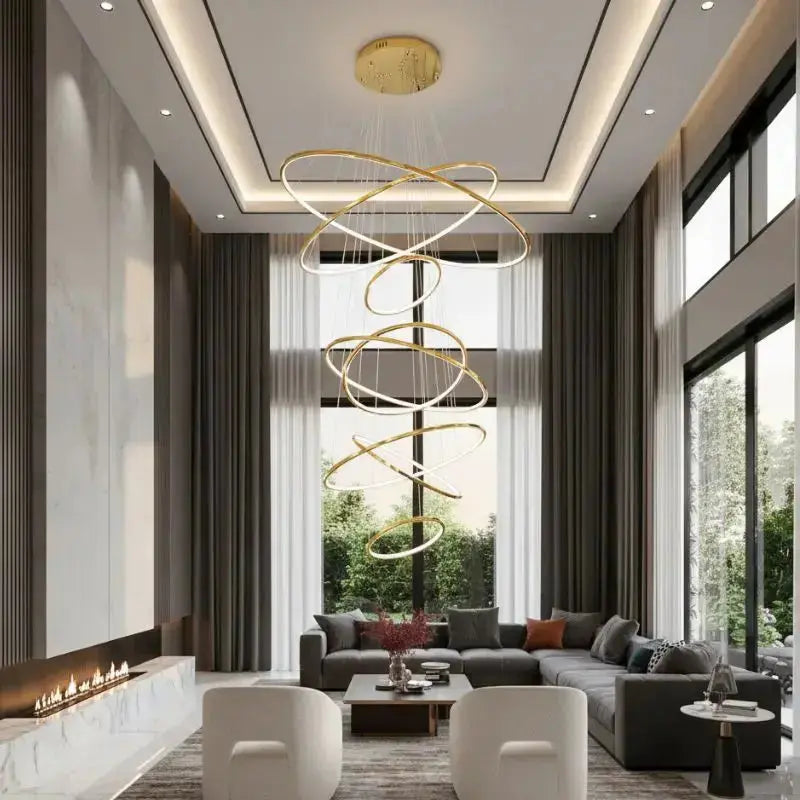
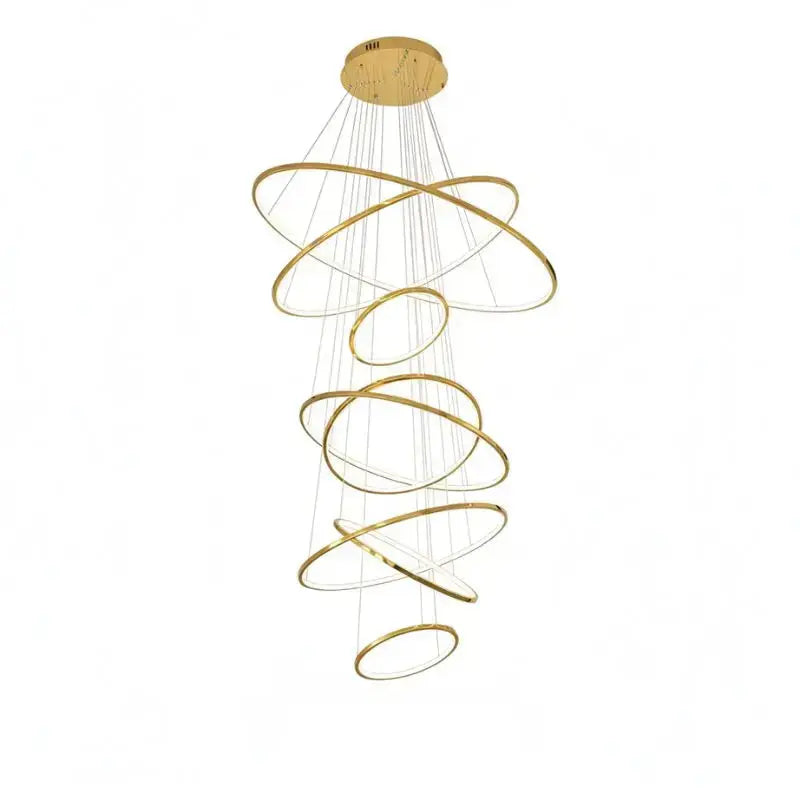
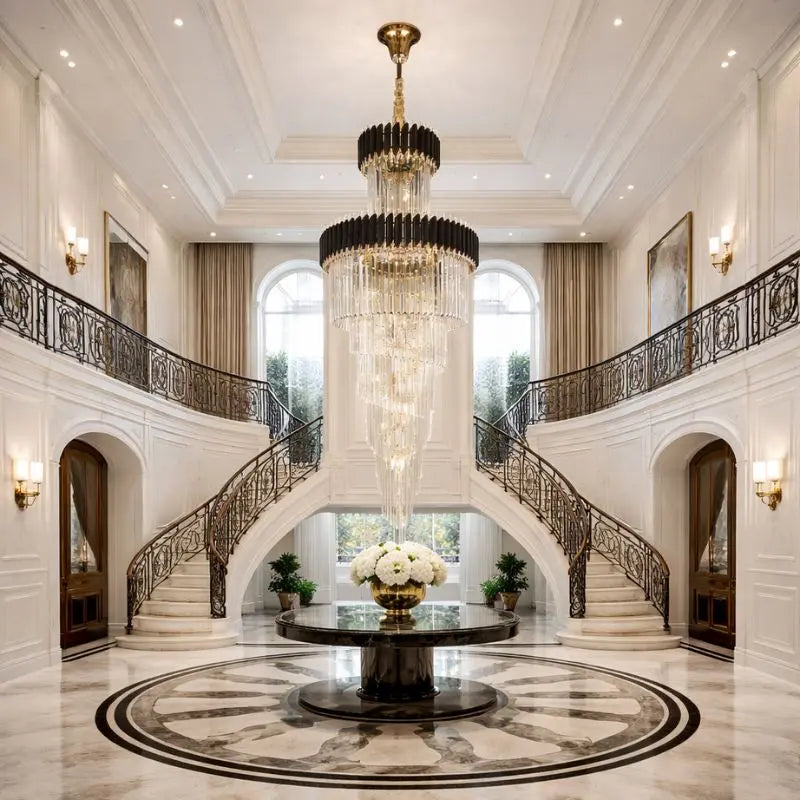
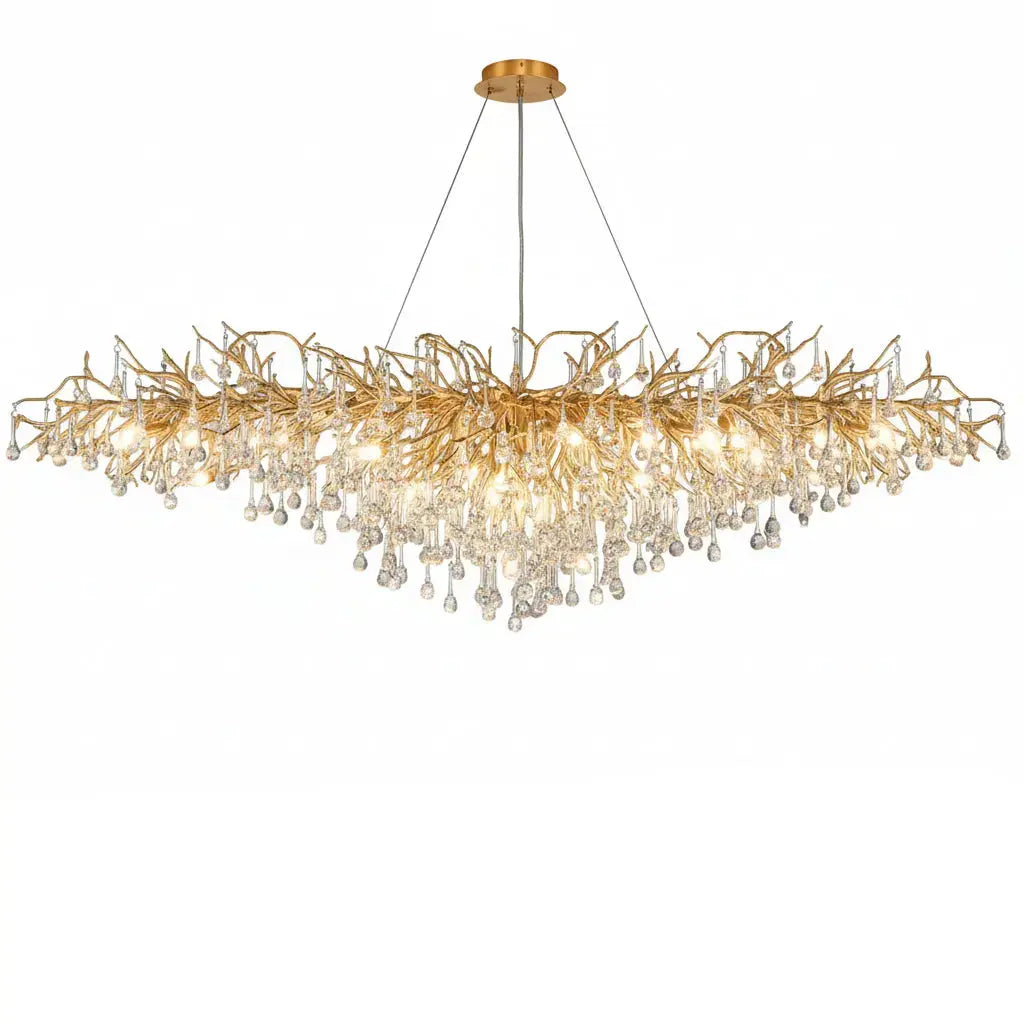
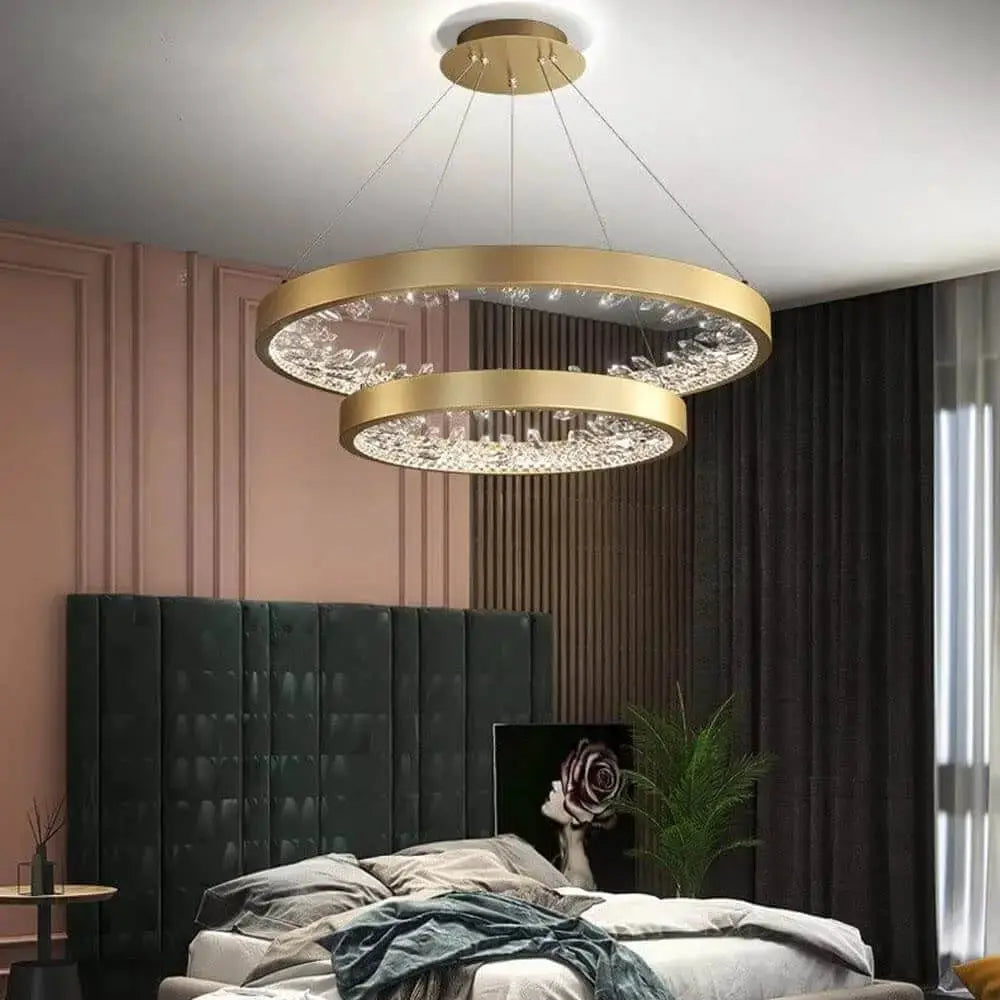
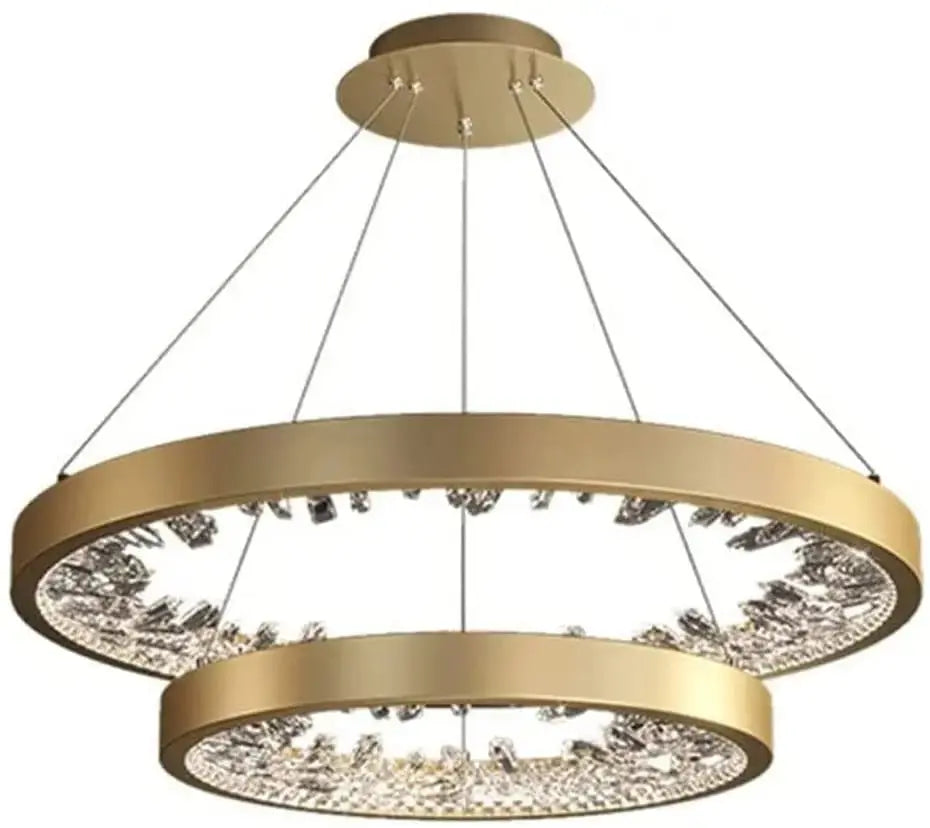
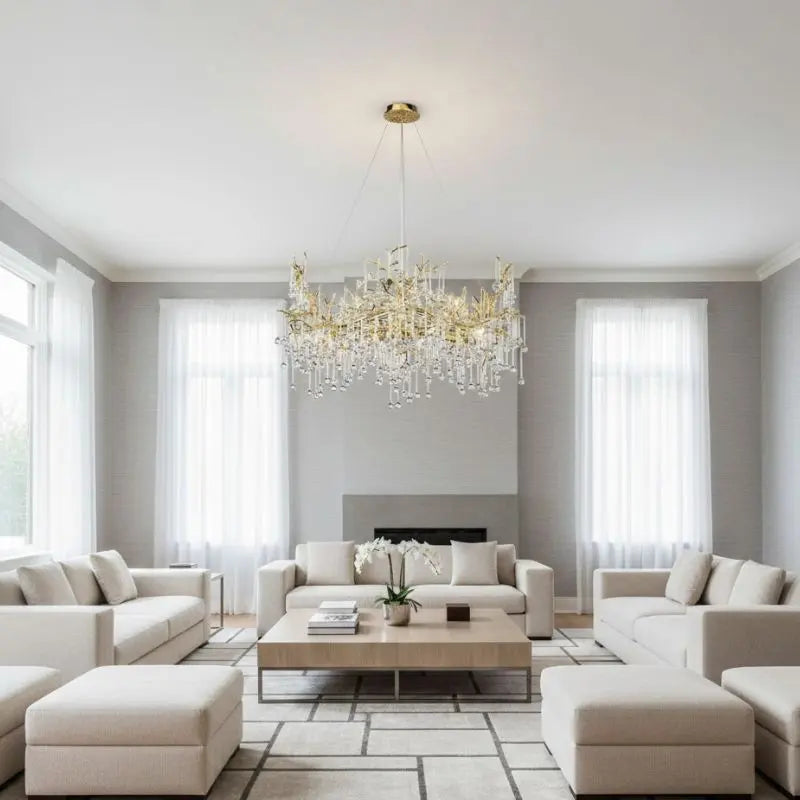
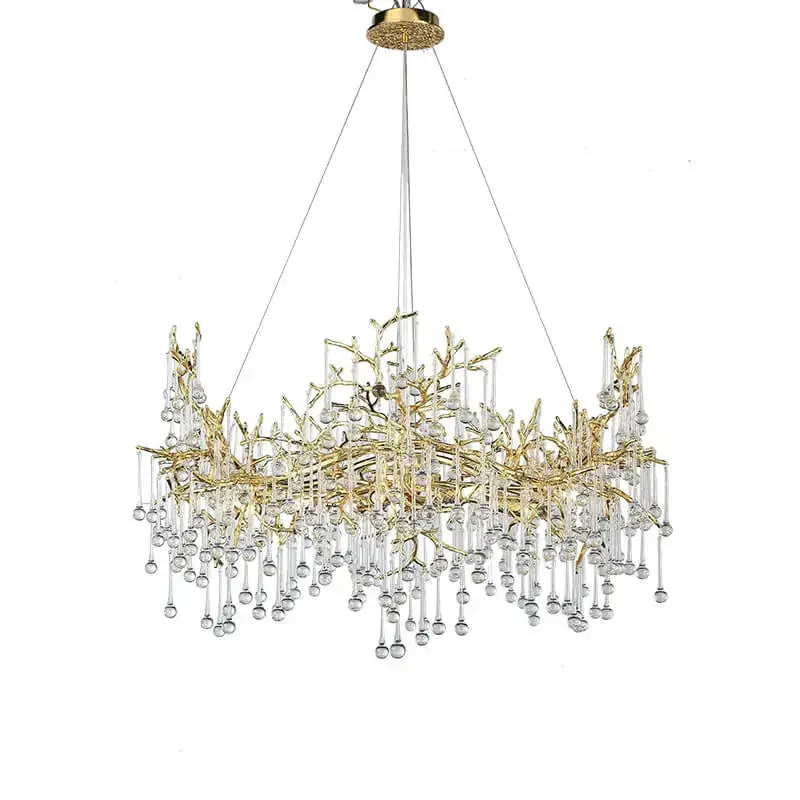
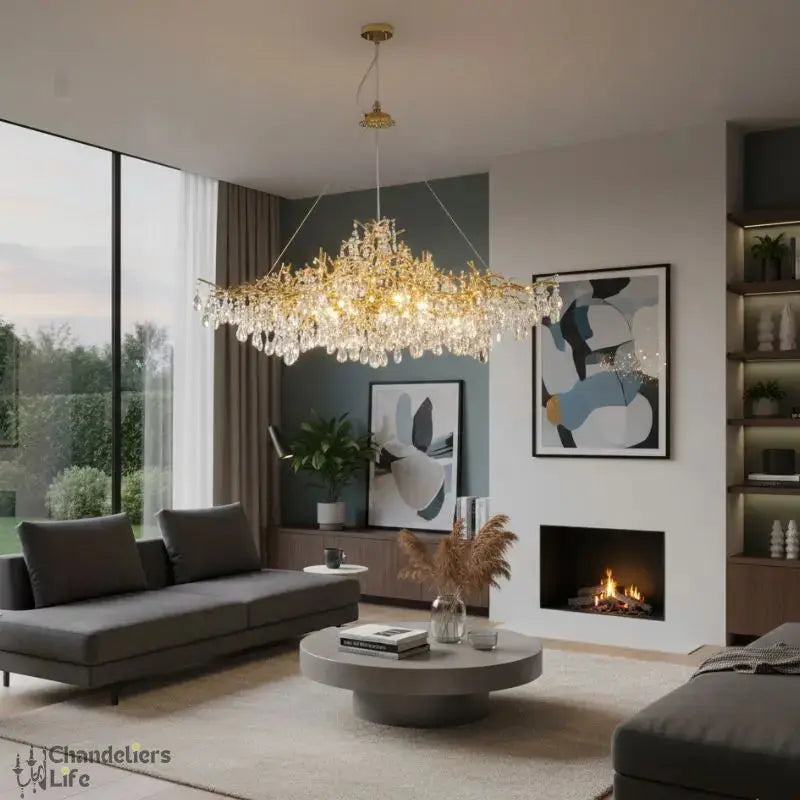
If you're aiming for a warmer, more luxurious feel, brass pendants are the way to go. They bring this lovely glow that can make a space feel really inviting and a bit fancy. Think about them in a living room or an entryway; they just add this touch of elegance that's hard to beat. They pair well with a lot of different decor styles, from mid-century modern to more traditional settings. Plus, the way brass catches the light is just beautiful.
Dramatic Impact with Cluster Pendants
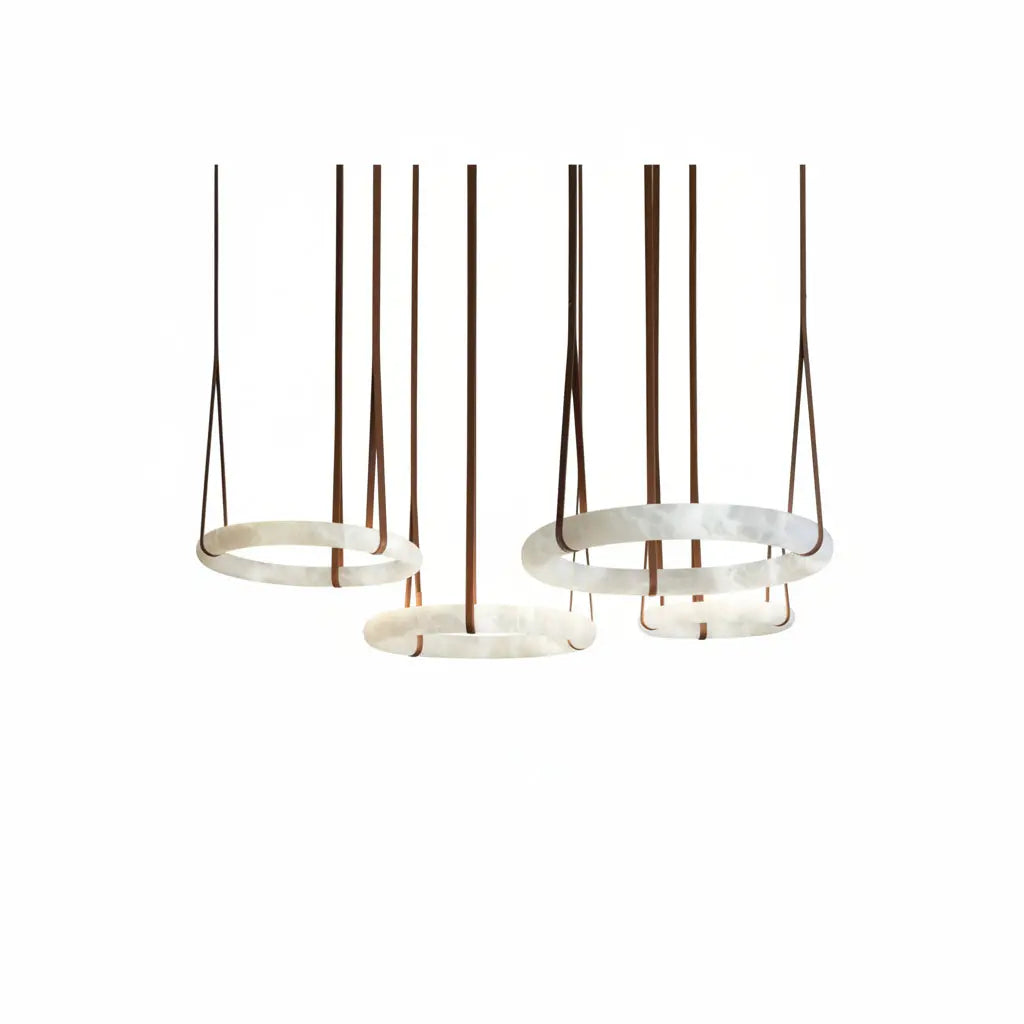
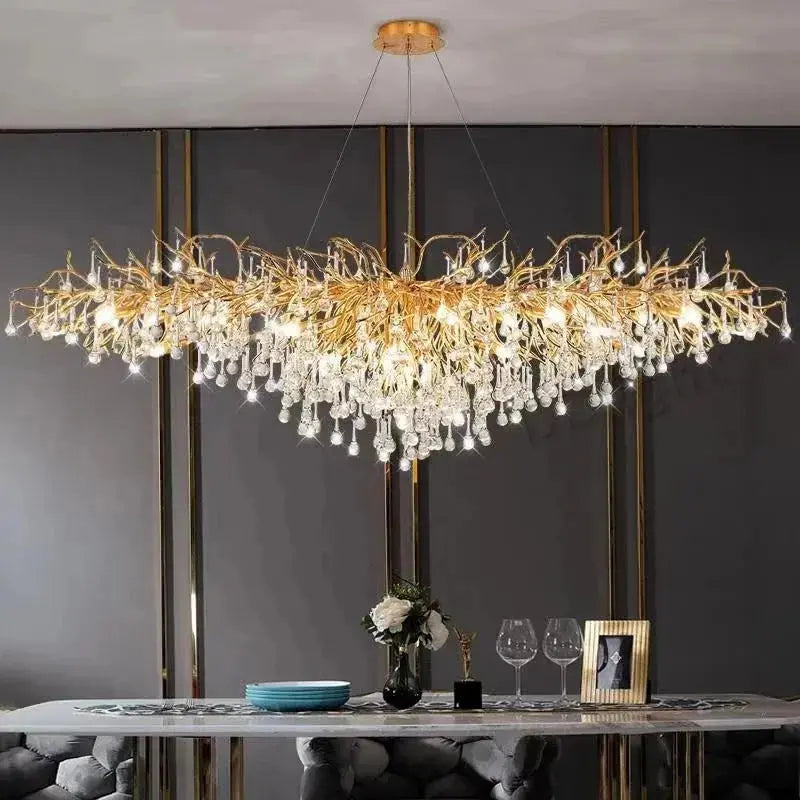
For a real showstopper, you can't go wrong with cluster pendants. These are basically a group of pendant lights all hung together, often at different heights. They create this amazing visual interest and can really fill a larger space. They're fantastic over a dining table where you want something that feels substantial and draws the eye. You can get them in all sorts of combinations, so you can really tailor the look to your personal style. It’s a great way to add depth and a bit of drama to your home's ambiance.
Here's a quick look at how different styles can work:
| Style | Best For |
|---|---|
| Black Pendants | Modern, Industrial, Minimalist |
| Brass Pendants | Warm, Luxurious, Entryways, Living Rooms |
| Cluster Pendants | Dining Rooms, High-Impact Focal Points |
Integrating Pendant Lights into Your Decor
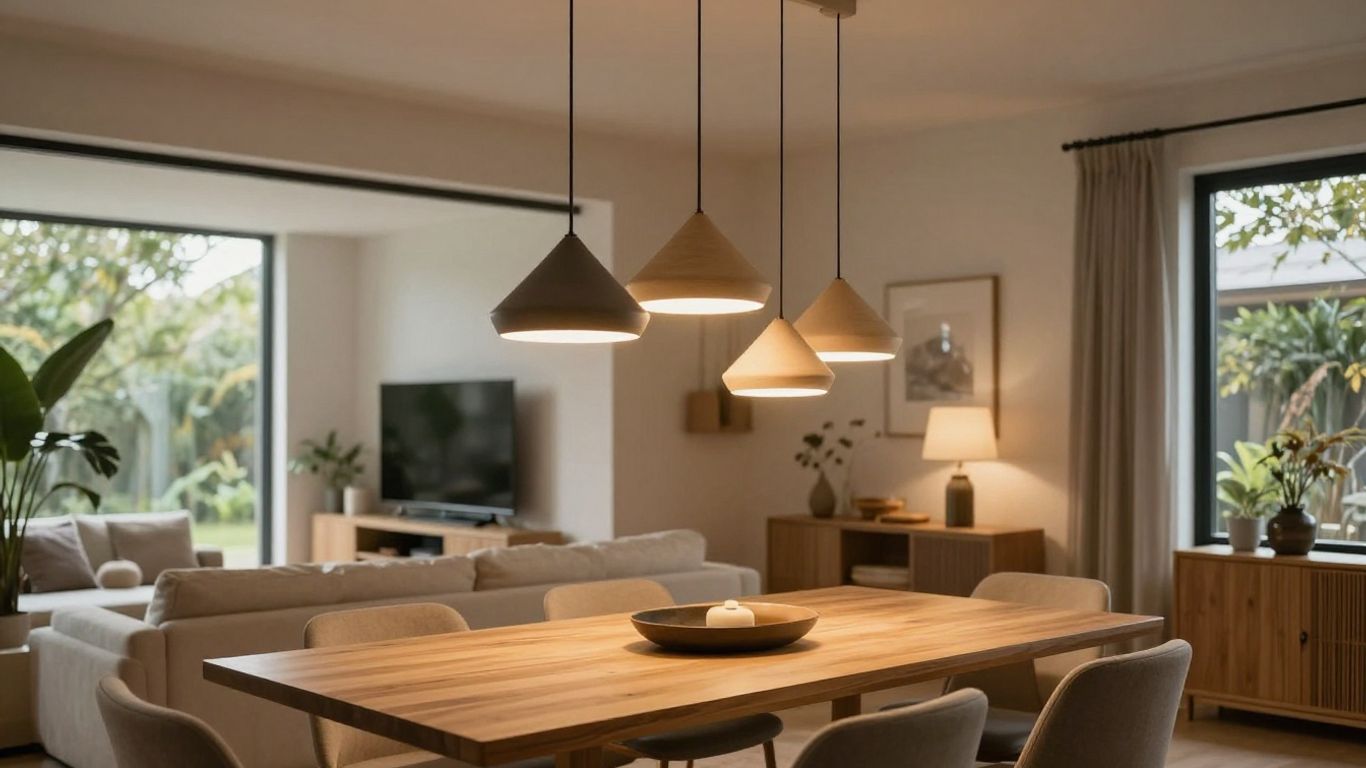
So, you've picked out some cool pendant lights, but how do you make them actually fit in with the rest of your place? It's not just about sticking them up there; it's about making them feel like they belong. Think of it like adding a new piece of art to your wall – it needs to complement what's already there.
Color Coordination and Style Harmony
This is where things can get a little tricky, but it's super important. You don't want your new lights clashing with your sofa or that rug you love. First off, look at the colors you've already got going on. Are you all about warm tones, or do you lean more towards cool blues and grays? Try to pick pendant lights that either echo those colors or offer a nice contrast without being jarring. For example, if your room is full of natural wood tones, a pendant with a brushed nickel finish might look a bit out of place unless you have other brushed nickel accents. Maybe a matte black or a warm brass would tie in better. It's also about the overall vibe. If your furniture is sleek and modern, a super ornate, vintage-style pendant might feel a bit off. Conversely, a minimalist pendant might get lost in a room with lots of traditional details. Sometimes, mixing styles can work, but you have to be careful. Pairing a modern chandelier with sleek, minimalist hanging lamps, for instance, can create an interesting dynamic. The key is to have some element that ties them together, like a shared finish or a similar shape.
Choosing the Right Size and Scale
This is a big one, and honestly, people often get it wrong. A tiny pendant over a huge dining table just looks silly, and a massive chandelier in a small entryway can feel overwhelming. You've got to think about the size of the room and the furniture it holds. For a dining table, a good rule of thumb is that the pendant should be about half to two-thirds the width of the table. You don't want it to be so wide that it crowds the table, but you also don't want it to look like a postage stamp. For kitchen islands, consider the length of the island and how many pendants you're using. Spacing them evenly is key, and you don't want them so close that they bump heads, but not so far apart that the lighting feels disconnected. It's a bit of a balancing act. You can find some great examples of how to pair different light styles to get a feel for scale.
Material and Finish Considerations
Beyond color and size, the materials and finishes of your pendant lights play a huge role in how they integrate into your decor. Think about the metals you're using. If you have a lot of chrome or stainless steel in your kitchen appliances, sticking with chrome or brushed nickel pendants makes sense. If your decor leans warmer, with brass or gold accents, then brass pendants will feel right at home. Don't be afraid to mix metals, but do it intentionally. Maybe your main chandelier is brass, and your pendants are a complementary black or a brushed gold. It's about creating a cohesive look without being matchy-matchy. The material also affects the light quality. A frosted glass pendant will give off a softer, more diffused light, which is great for creating a cozy atmosphere in a living room. A clear glass or metal pendant might provide more direct, focused light, which is better for task areas like a kitchen island.
When selecting pendant lights, always consider the existing materials and finishes in your room. Look at your hardware, furniture legs, and any other metal accents. Aim for a harmonious blend rather than a stark contrast, unless a bold statement is your specific goal. This thoughtful approach ensures your lighting becomes a natural extension of your design, not an afterthought.
Here's a quick rundown of common finishes and where they tend to work best:
- Brass/Gold: Adds warmth and a touch of luxury. Great for living rooms, dining rooms, and entryways.
- Black: Offers a modern, bold, or industrial feel. Works well in kitchens, over islands, and in minimalist spaces.
- Nickel/Chrome: Provides a clean, contemporary look. Often seen in kitchens and bathrooms.
- Bronze/Copper: Can bring a rustic or industrial vibe, depending on the shade. Good for various spaces needing a bit of character.
- Wood: Introduces natural texture and warmth. Excellent for Scandinavian, bohemian, or modern farmhouse styles.
Maximizing Ambiance with Pendant Lighting
Layering Lights for Depth and Warmth
Creating a cozy and inviting atmosphere isn't just about one big light. It's about mixing different light sources. Think of a chandelier as the main event, maybe in your dining room or living area. Then, add pendant lights in specific spots. Over a kitchen island, they give you light right where you need it for cooking or chatting. Or maybe a couple of smaller pendants flanking a piece of art. Using dimmer switches is a game-changer here. You can dial down the brightness for a relaxed evening or crank it up for when you have guests. It’s all about building layers of light to make the room feel just right.
Using Artistic Pendants as Focal Points
Sometimes, a pendant light is more than just a light source; it's a piece of art. These can really grab attention and add personality to a room. You can hang a really unique pendant over a side table or in a corner that needs a little something. It draws the eye and can make a space feel more finished. Consider hanging them at different heights if you have a few in one area, like over a long counter. This creates a bit of visual interest and stops things from looking too uniform. It’s a simple way to make a statement without being over the top.
Enhancing Mood with Adjustable Lighting
Mood lighting is key, and adjustable pendants are your best friend. Want a romantic dinner vibe? Dim those pendants way down. Need bright light to read a book? Crank them up. This flexibility means one light fixture can serve multiple purposes throughout the day or for different occasions. You can even find smart bulbs that let you change the color temperature, from a warm, cozy glow to a brighter, more energizing light, all from your phone. It’s about having control over the atmosphere of your space. For more ideas on creating specific moods, check out these bedside hanging lights.
The right lighting can completely change how a room feels. It's not just about seeing; it's about feeling comfortable and creating the atmosphere you want. Playing with different types of lights and how bright they are gives you a lot of power to shape your home's environment.
Room-Specific Pendant Lighting Strategies
Creating an Inviting Dining Room Atmosphere
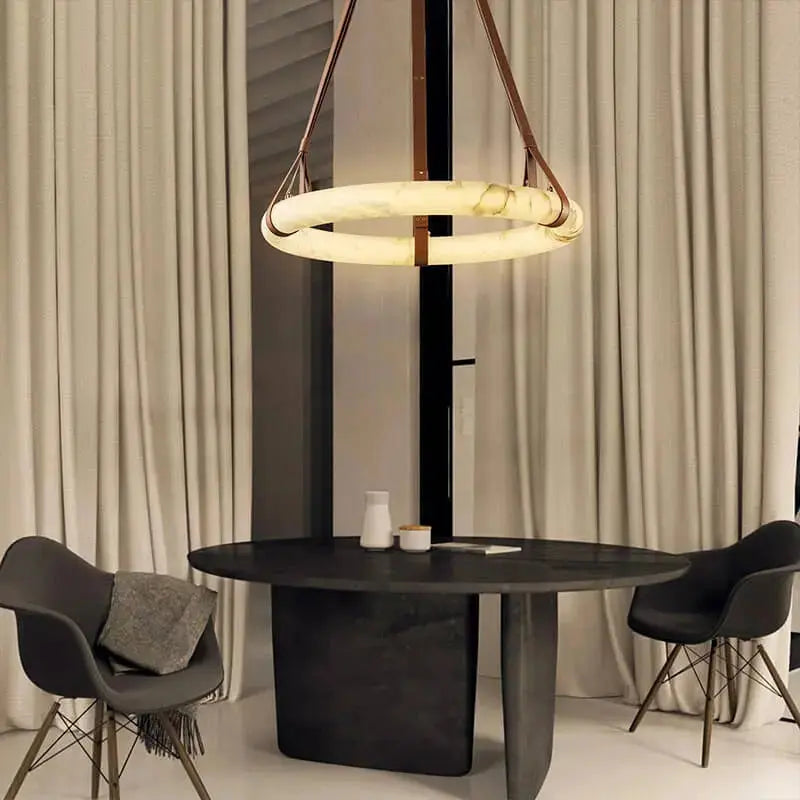
When it comes to the dining room, the pendant light is often the star of the show. It's not just about lighting up the table; it's about setting a mood for meals and conversations. Think about a fixture that hangs right over the center of your dining table. It should be low enough to feel intimate but high enough so no one bumps their head. A good rule of thumb is about 30 to 36 inches above the tabletop. This height creates a nice visual focus and directs light where you need it most for eating.
- Consider the table shape: A long, rectangular table might look great with a linear pendant or a series of smaller pendants spaced out. A round table often pairs well with a single, central pendant.
- Dimmer switches are your friend: Being able to adjust the light level is key. Bright for family dinners, dim for romantic evenings.
- Material matters: A glass pendant can feel airy, while a metal one might add a more grounded, sophisticated feel.
The right pendant can transform a simple meal into a special occasion, making your dining space feel more intentional and welcoming.
Task Lighting Over Kitchen Islands
Kitchen islands are workhorses, so they need lighting that can keep up. Pendant lights are perfect here because they provide focused light right where you're chopping, prepping, or serving. You want them to be bright enough for tasks but also look good. Hanging them at about 30 to 36 inches above the island surface usually works well. If you have a large island, you might need two or three pendants spaced evenly to cover the whole area without dark spots.
- Spacing is important: For two pendants, place them about 3 feet from each end of the island. For three, space them equally along the length.
- Consider the height: Make sure the pendants don't block your view across the island or feel too close when you're standing there.
- Style continuity: Pick pendants that match the overall style of your kitchen, whether it's modern, farmhouse, or something else.
Cozy Vibes in Living Room Seating Areas
Pendant lights aren't just for dining tables and kitchens; they can add a wonderful touch of coziness to living room seating areas too. Imagine a pair of smaller pendants flanking a sofa or a single, stylish pendant hanging over an armchair. This kind of lighting creates a more intimate feel, perfect for reading or just relaxing. They act like mini-zones of light within a larger room.
- Height for comfort: Hang them a bit higher than you would over a table, perhaps around 60-70 inches from the floor, so they don't get in the way but still provide a nice pool of light.
- Consider the scale: Don't go too big; smaller, more delicate pendants often work best in living rooms to avoid overwhelming the space.
- Pair with other lights: Use pendants to supplement your main overhead lighting or floor lamps, adding layers for a more dynamic and inviting atmosphere.
Modern Pendant Lighting Trends
Sustainable Materials in Fixture Design
It's pretty cool how much more eco-conscious lighting design has become lately. We're seeing a lot more fixtures made from recycled materials, reclaimed wood, and even things like bamboo or cork. These aren't just good for the planet; they often bring a really unique, natural texture to a space. Think about a pendant with a shade made from woven natural fibers or a base crafted from salvaged timber. These choices add character while aligning with a more mindful approach to home decor. It's a trend that feels both stylish and responsible.
The Rise of Smart Lighting Control
Okay, so smart home tech is everywhere, and lighting is no exception. You can now get pendant lights that connect to your Wi-Fi or Bluetooth, letting you control them from your phone or even with voice commands. This means you can dim them for movie night, change their color temperature to suit your mood, or even set schedules so they turn on and off automatically. It’s super convenient, especially when you’re already comfy on the couch and don’t want to get up.
Here’s a quick look at what smart lighting offers:
- App Control: Adjust brightness, color, and schedules from your smartphone.
- Voice Activation: Works with assistants like Alexa or Google Assistant.
- Automation: Set lights to turn on at sunset or dim at bedtime.
- Energy Savings: Optimize usage to reduce electricity bills.
Artistic and Unique Pendant Designs
Forget boring, standard shapes. The trend right now is all about pendants that are basically works of art. We're seeing a lot more sculptural designs, unusual materials, and bold colors. These aren't just lights; they're statement pieces that can totally transform a room. Imagine a pendant that looks like a delicate glass sculpture or one with an irregular, hand-blown glass shade.
These artistic fixtures often become the main focal point of a room, drawing the eye and sparking conversation. They allow homeowners to express their personal style in a very direct and impactful way, moving beyond mere functionality to embrace decorative expression.
It’s a fun way to inject personality into your home, whether your style is minimalist, bohemian, or something totally eclectic.
Ceiling Height and Pendant Adjustments
When you're picking out pendant lights, the height of your ceiling is a pretty big deal. It's not just about how the lights look, but also how well they work and if anyone's going to bump their head. Seriously, getting this right makes a huge difference.
Accommodating Higher Ceilings
If you've got ceilings that soar, you've got more flexibility, but you still need to think about proportions. For every foot your ceiling is above the standard 8 feet, you generally want to add about 3 inches to the pendant's drop. So, if you have 10-foot ceilings, you're looking at hanging your pendants roughly 36 to 42 inches above your island or table. This keeps them from looking lost way up high.
Adjusting for Standard 8-Foot Ceilings
For most homes with standard 8-foot ceilings, the sweet spot for pendants over a kitchen island or dining table is usually between 30 and 36 inches from the countertop or tabletop to the bottom of the fixture. This height is great because it provides good task lighting without getting in the way of conversations or views. It's a safe bet that works for most people.
Impact of Vaulted Ceilings on Placement
Vaulted ceilings are a bit trickier. Because they slope upwards, you need to consider the lowest point of the vault where the pendant will hang. The general rule of thumb for height still applies, but you might need to use longer cords or extension rods to achieve the correct distance from the surface below. It's important to ensure the pendant doesn't hang too low in the main traffic areas. You don't want people ducking every time they walk by. Think about the overall visual balance; a pendant that's too low can make a large room feel cramped.
Here's a quick guide for pendant height based on ceiling height:
| Ceiling Height (feet) | Recommended Pendant Height Range (inches) |
|---|---|
| 8 | 16" - 24" |
| 9 | 18" - 27" |
| 10 | 20" - 30" |
| 11 | 22" - 33" |
| 12 | 24" - 36" |
Remember, these are guidelines. Always consider the specific fixture and your own height preferences. The goal is both function and form, making sure the light is useful and looks good in your space. You can find some great options for living room chandeliers that might give you ideas for scale and proportion.
Bringing It All Together
So, we've covered a lot about picking out and hanging pendant lights and chandeliers. It's not just about making a room brighter, you know? It's about making it feel right. Getting the height and spacing correct makes a huge difference, and mixing different kinds of lights, like ambient and task lighting, really makes a space feel complete and cozy. Don't be afraid to play around with styles and finishes to match your own taste. Ultimately, the right lights can totally change how a room looks and feels, making your home a more enjoyable place to be. Have fun with it!
Frequently Asked Questions
How high should I hang pendant lights over my kitchen island?
For kitchen islands, hang pendant lights about 30 to 36 inches above the counter. This height is usually good for both seeing what you're doing and not bumping your head.
What's the best way to space out multiple pendant lights?
When you have more than one pendant light, spread them out evenly. A good rule is to leave about 24 to 32 inches between each light to make sure the whole area is lit up nicely.
How do I pick the right size pendant light for my dining table?
The pendant light should be about half to two-thirds the width of your dining table. This makes it look balanced and not too big or too small for the space.
Can I mix different styles of pendant lights in one room?
Yes, you can mix styles, but try to keep things looking good together. Pick lights that share a similar color or finish, or make sure one style is clearly the main focus.
What are some popular trends for pendant lights right now?
People are really liking pendant lights made from eco-friendly materials. Also, lights you can control with your phone (smart lights) and unique, artistic designs that stand out are trending.
How does my ceiling height affect where I hang pendant lights?
Higher ceilings mean you can hang lights lower, and lower ceilings mean you need to hang them higher. For every foot your ceiling is above the standard 8 feet, you can usually add about three inches to the hanging height.