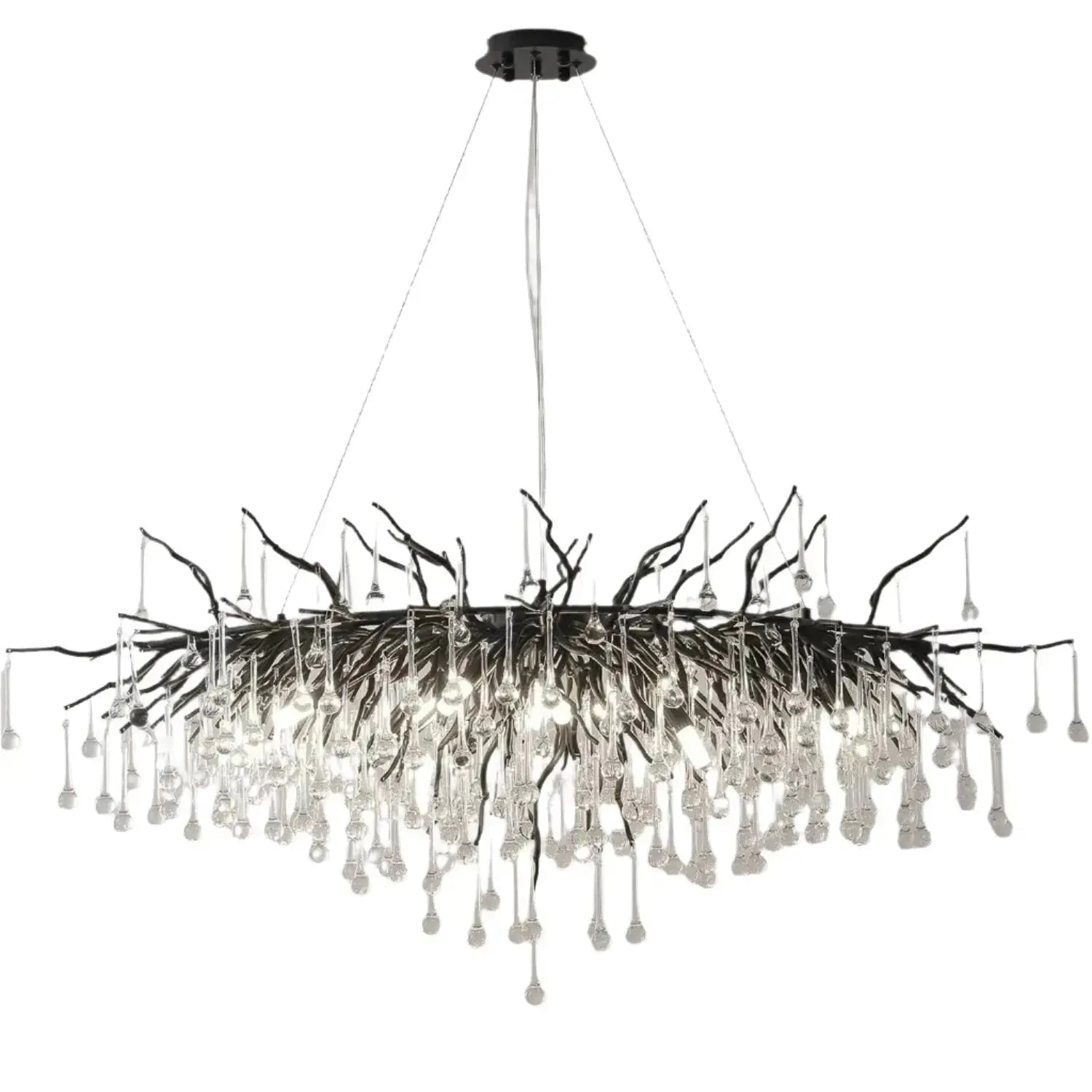
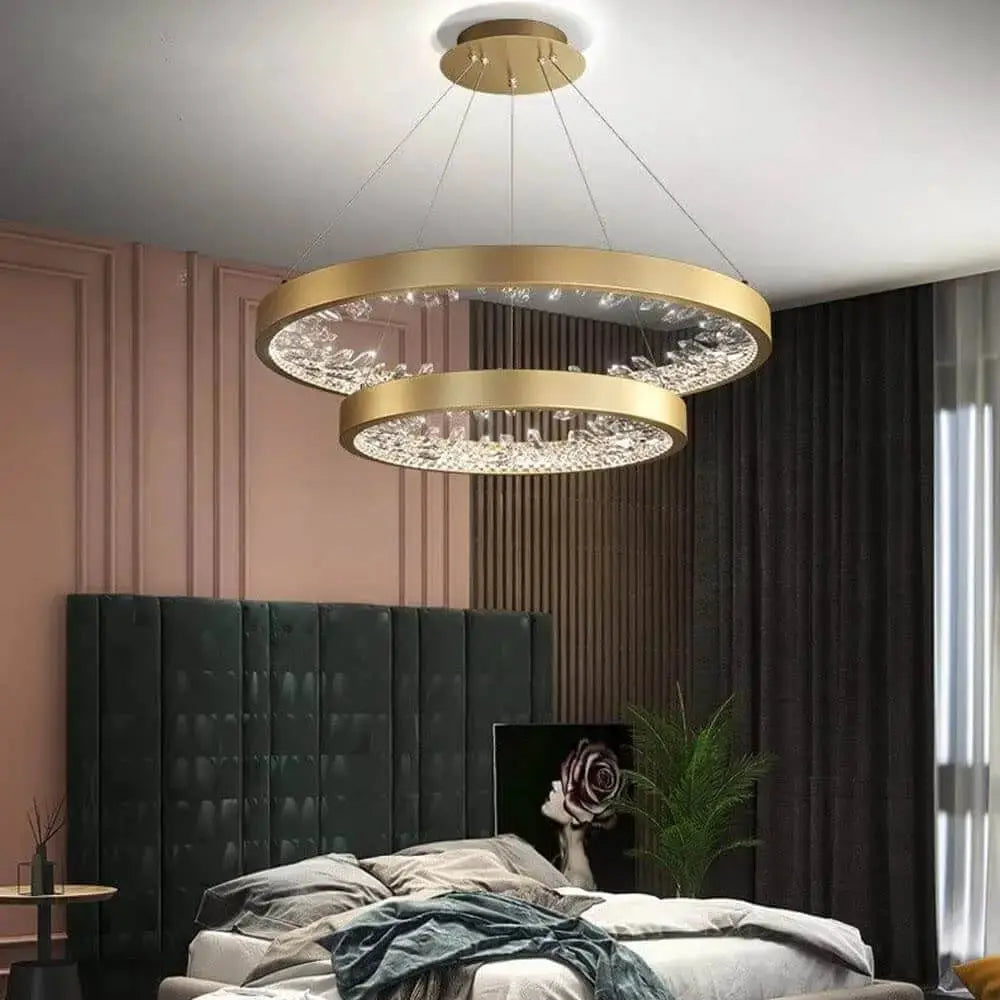
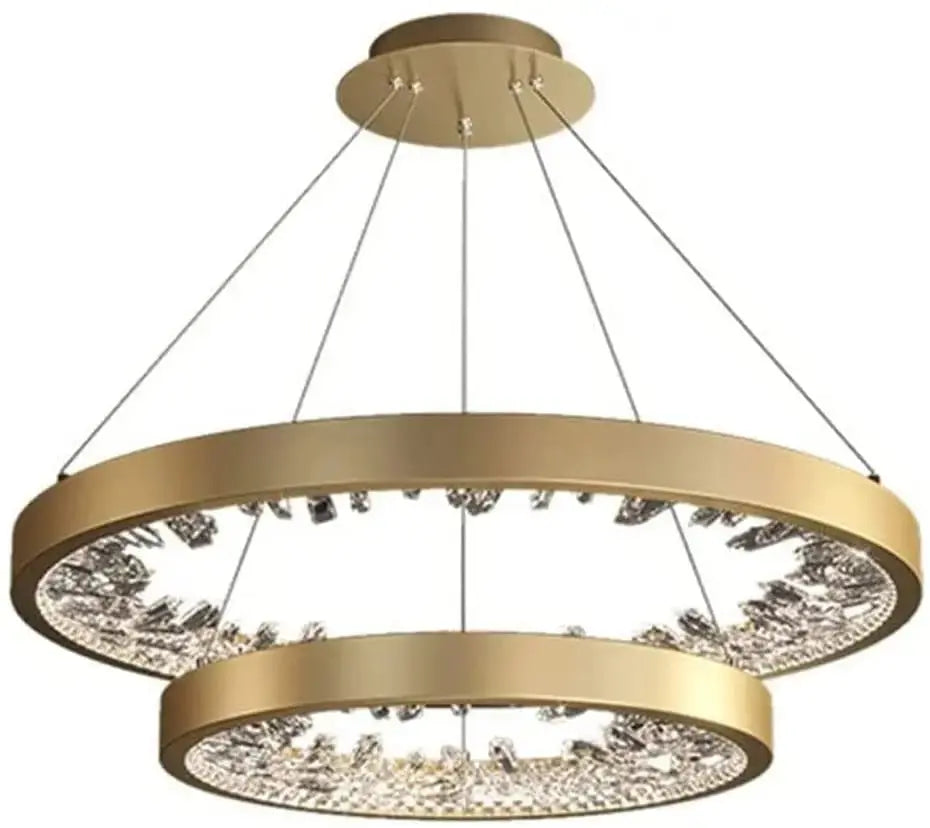
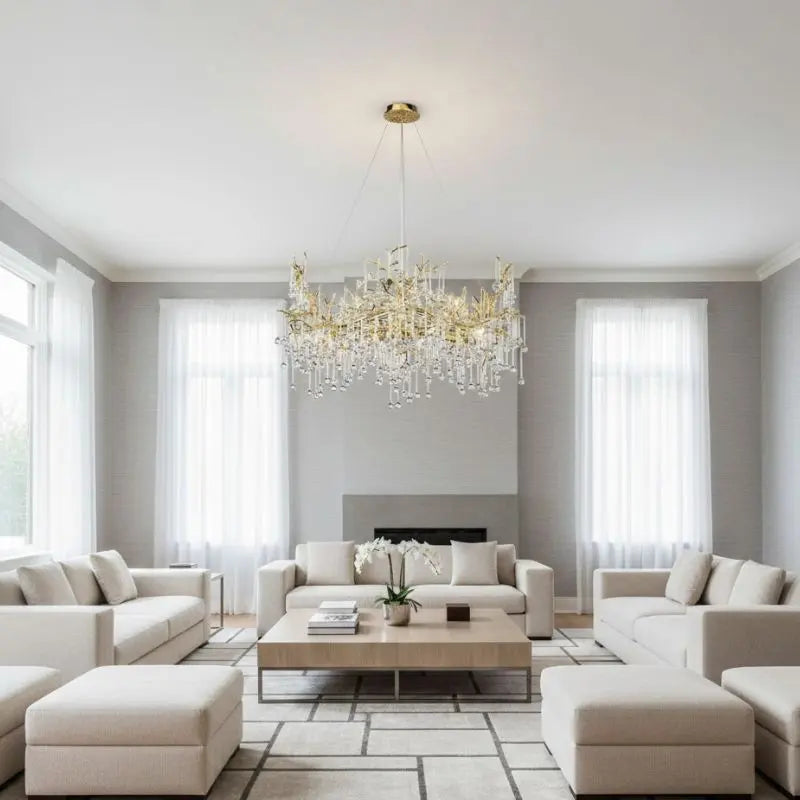
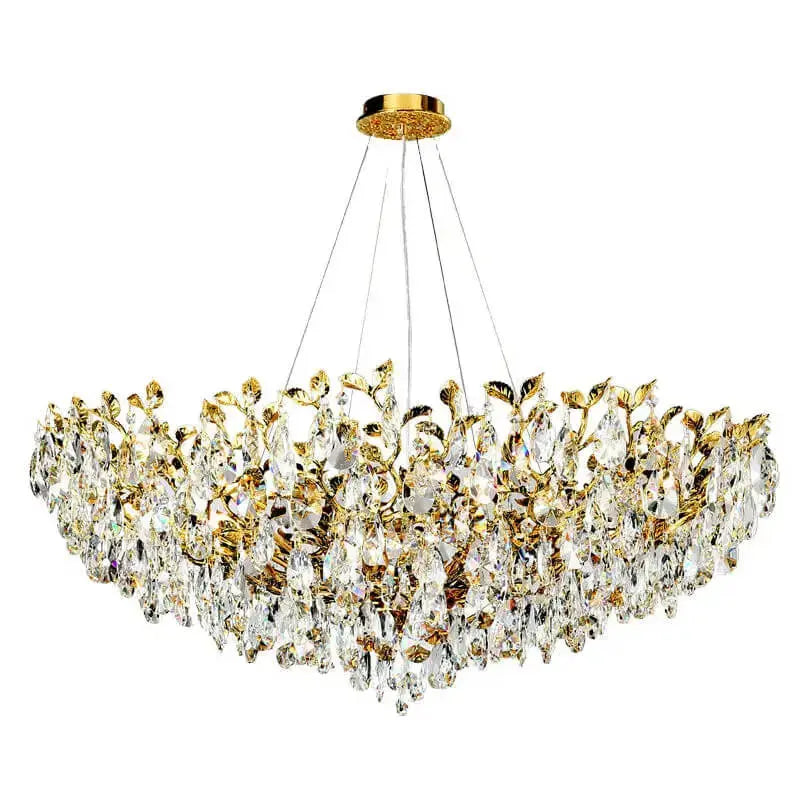
So, you're thinking about getting a new living room chandelier light. That's a great idea! A good chandelier can really change how a room feels, making it look way more put-together and fancy. But picking the right one isn't always straightforward. You've got to think about the size of your room, how high your ceiling is, and what style you're going for. Plus, the kind of light it gives off matters a lot for the whole vibe. Don't worry, though; this guide is here to help you figure it all out, so you can find that perfect living room chandelier light.
Key Takeaways
- Figure out the right size for your living room chandelier light by adding the room's length and width in feet, then using that number for the diameter in inches.
- Make sure your living room chandelier light's drop length works with your ceiling height, keeping it at least 7 feet off the floor.
- Match the style of your living room chandelier light to your room's decor, whether it's classic, modern, or something else.
- Choose warm white bulbs (around 2700K-3000K) for your living room chandelier light to create a cozy and inviting atmosphere.
- Don't forget to add other lights, like wall sconces, to go with your main living room chandelier light for a layered look.
Determining the Ideal Size for Your Living Room Chandelier Light
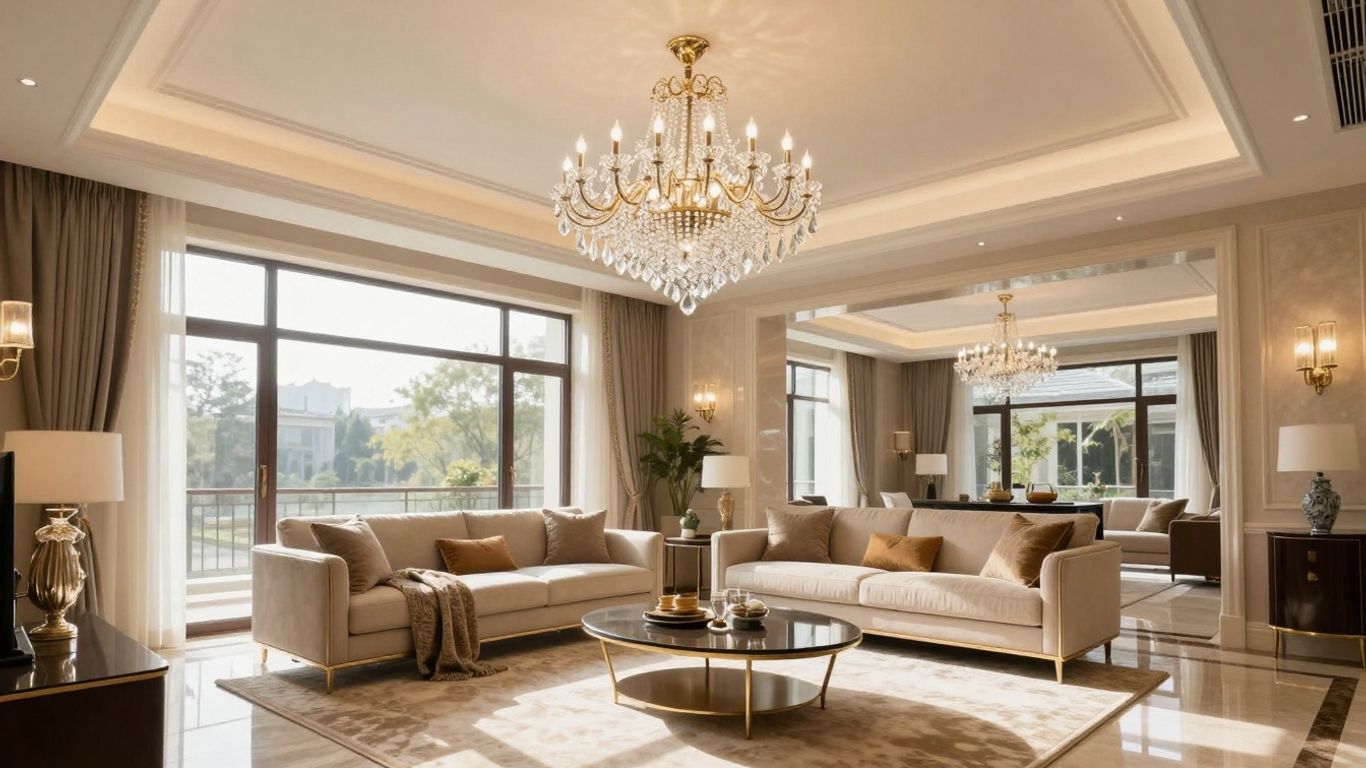
Calculating Chandelier Diameter Based on Room Dimensions
Figuring out the right size for your living room chandelier is pretty important. You don't want something that looks like it's drowning in the room, or on the flip side, a tiny thing that just gets lost. A good rule of thumb that most people use is to add the length and width of your room together, and then use that number in inches for the diameter of your chandelier. So, if your living room measures 14 feet by 16 feet, you'd add 14 + 16 to get 30. That means a chandelier around 30 inches in diameter would likely be a good fit. It sounds simple, but it really helps keep things looking balanced.
Adjusting Size for Furniture Layout and Seating Areas
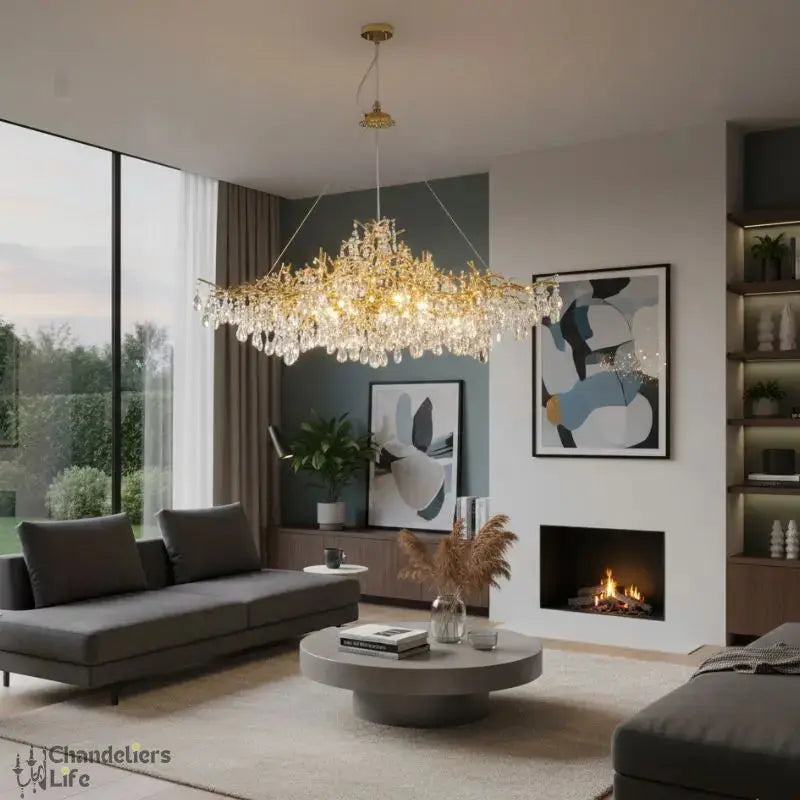
Now, that room dimension rule is a great starting point, but you also need to think about how your furniture is arranged. If your chandelier is going to hang directly over a coffee table or a main seating area, you might be able to go a little bit smaller than the calculation suggests. It just helps make sure it doesn't feel too overwhelming when you're sitting down. For really open-concept spaces where there isn't a clearly defined seating zone, sticking closer to the calculated size is usually best.
Understanding Scale for Open-Concept Living Spaces
Open-concept living areas can be a bit tricky. Since the space flows from one area to another, you need a chandelier that has presence without dominating everything. The general rule of adding room dimensions still applies, but you might lean towards the larger end of the suggested range if the space feels particularly vast. It's all about making sure the chandelier feels like a natural part of the overall design, not an afterthought. Think about how it relates to the furniture and other elements in the entire open area.
Getting the scale right means the chandelier becomes a beautiful focal point that complements your decor, rather than a piece that feels out of place or too small to notice. It's about visual harmony.
Considering Ceiling Height for Optimal Chandelier Placement
Ceiling height is a big deal when you're picking out a chandelier. It's not just about how high you can hang it, but also about how it looks and feels in the room. Get it wrong, and your beautiful light fixture can end up looking awkward or even become a hazard.
Matching Fixture Drop to Standard Ceiling Heights
Most living rooms have standard ceiling heights, usually around 8 to 9 feet. For these spaces, you'll want to stick with chandeliers that aren't too long or bulky. Semi-flush mount fixtures or smaller, more compact chandeliers work really well here. They provide plenty of light and style without making the room feel cramped. If you have a slightly higher standard ceiling, say 10 feet, you have a bit more flexibility. You can go for something with a bit more presence, maybe a chandelier with a few more tiers or a slightly longer drop.
Here’s a quick guide for standard heights:
| Ceiling Height | Recommended Chandelier Type |
|---|---|
| 8-9 feet | Semi-flush, Compact |
| 10 feet | Moderate drop, Multi-tier |
Selecting Dramatic Chandeliers for Higher Ceilings
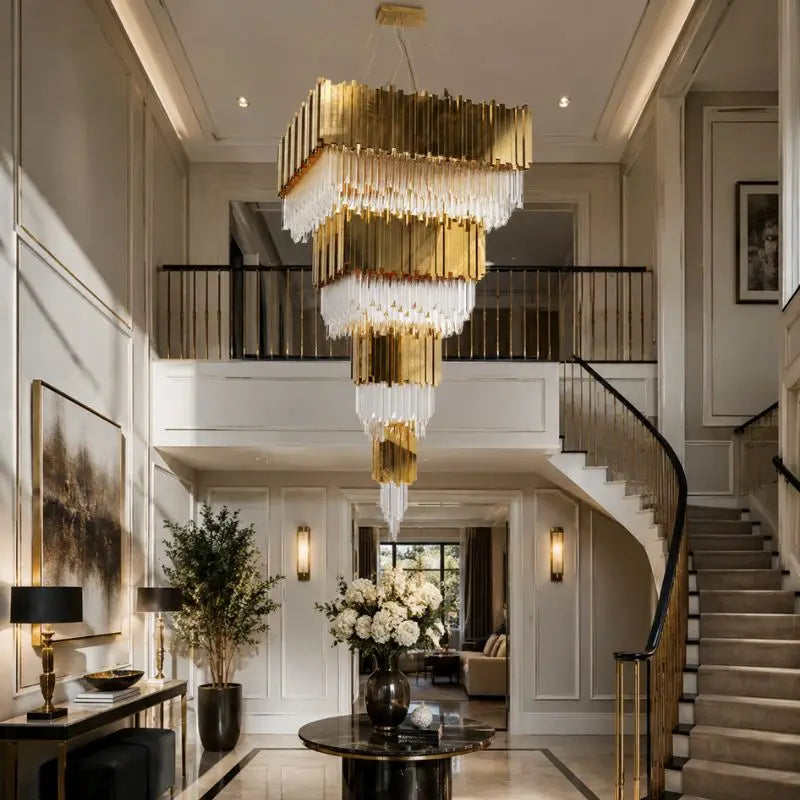
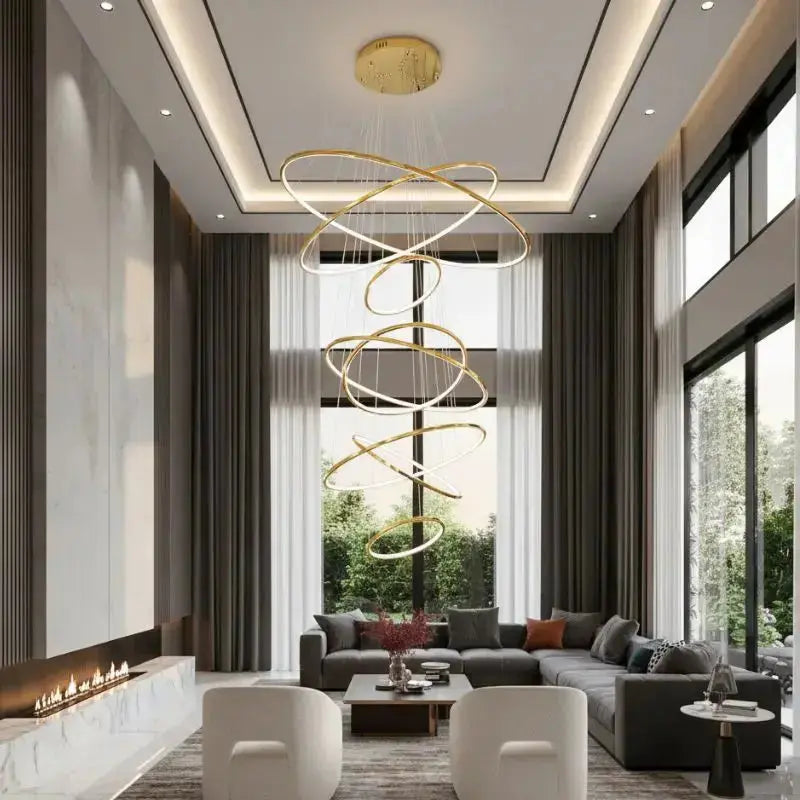
If your living room boasts soaring ceilings, like 12 feet or more, you've got a fantastic opportunity to go big. This is where you can really play with dramatic, larger-than-life chandeliers. Think multi-tiered designs, long cascading crystal pieces, or even large, sculptural fixtures that command attention. These grander pieces can fill the vertical space beautifully and become a stunning focal point. Just remember, even with high ceilings, you still need to consider the overall scale of the room so the chandelier doesn't get lost.
Ensuring Proper Clearance Above the Floor
This is super important for safety and comfort. You don't want anyone walking into your beautiful new chandelier, right? A good rule of thumb is to hang the bottom of the chandelier about 7 to 7.5 feet from the floor. This measurement usually works for most living rooms with standard to slightly higher ceilings. It gives enough headroom for people to walk around comfortably underneath it, while still keeping the fixture at a visually pleasing height. If you have a very high ceiling, you might need to adjust this measurement upwards, but always keep that 7-foot minimum in mind.
Always double-check the manufacturer's recommendations for your specific fixture, as some designs might have unique hanging requirements. It's better to be safe than sorry when it comes to installing a statement piece like a chandelier.
Harmonizing Your Living Room Chandelier Light with Interior Style
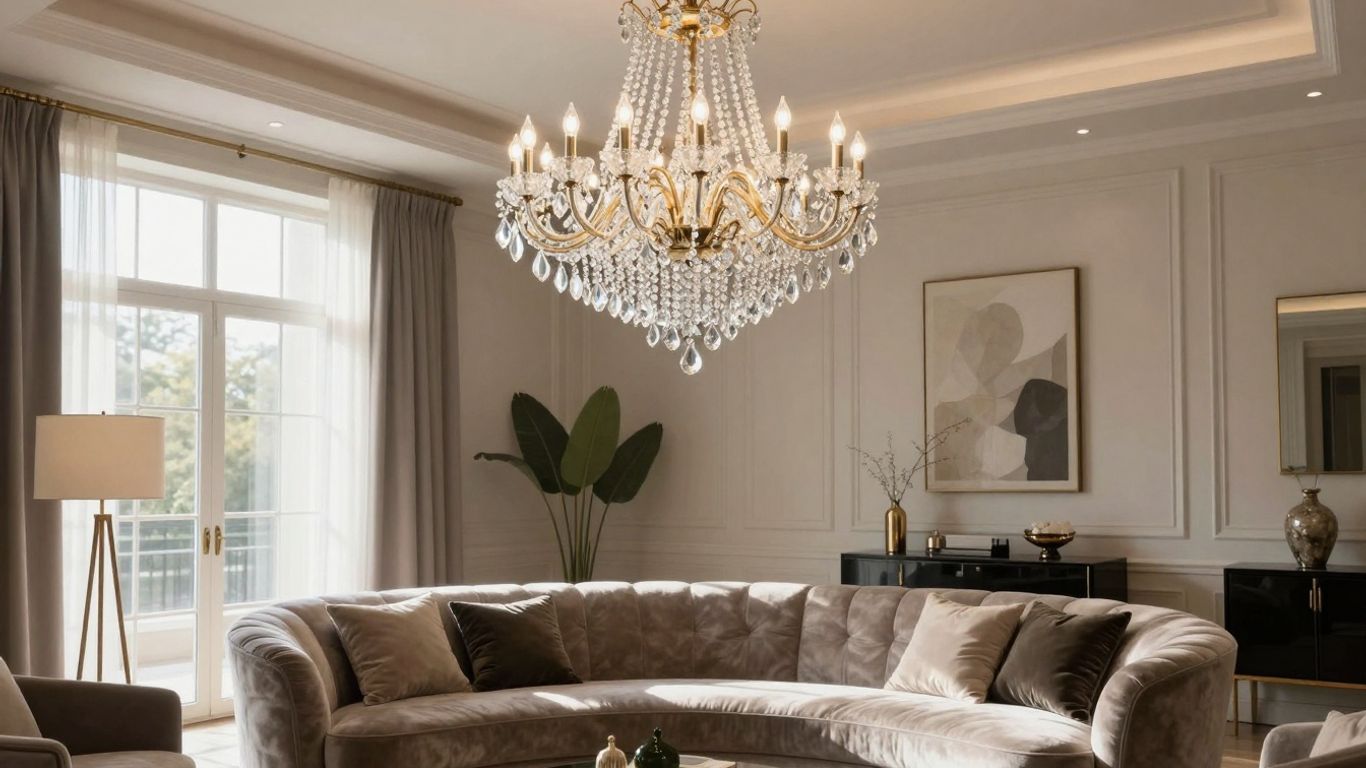
Picking out a chandelier isn't just about brightness; it's about making a statement that fits your room's personality. Think of it as the crown jewel for your living space. The right fixture can tie everything together, making your decor feel intentional and complete.
Classic Elegance: Gold Finishes and Crystal Accents
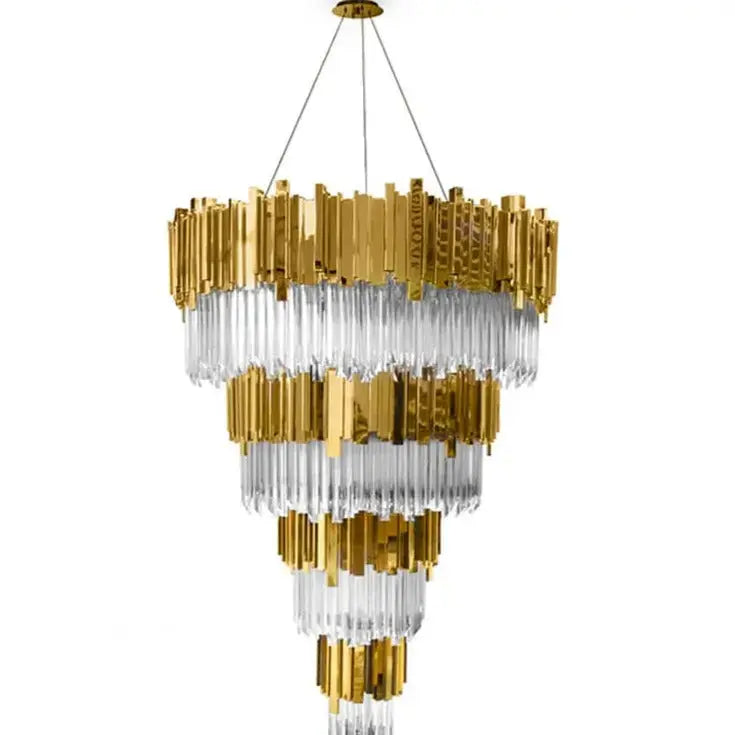
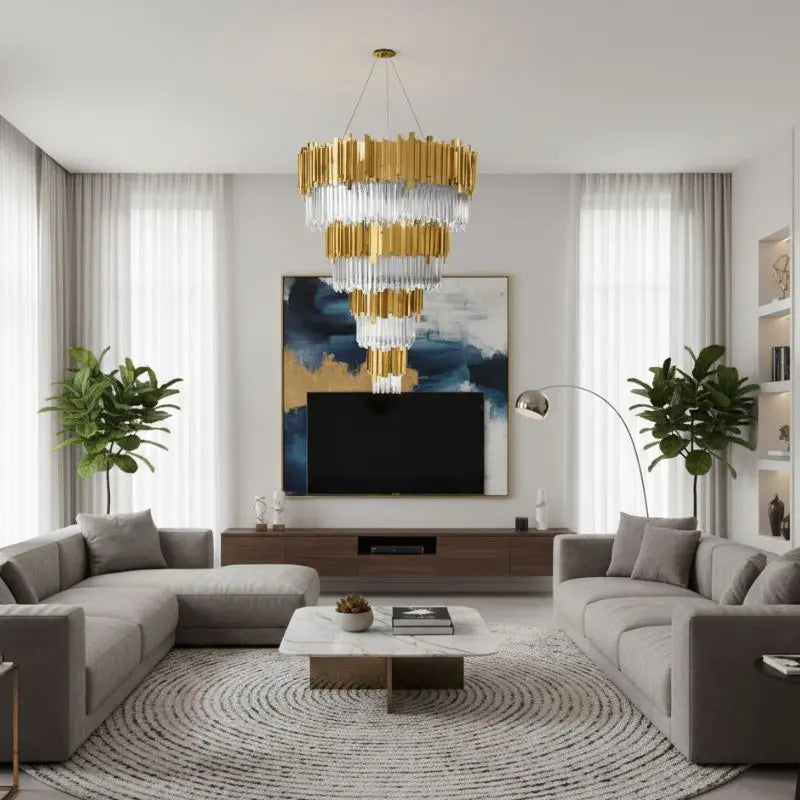
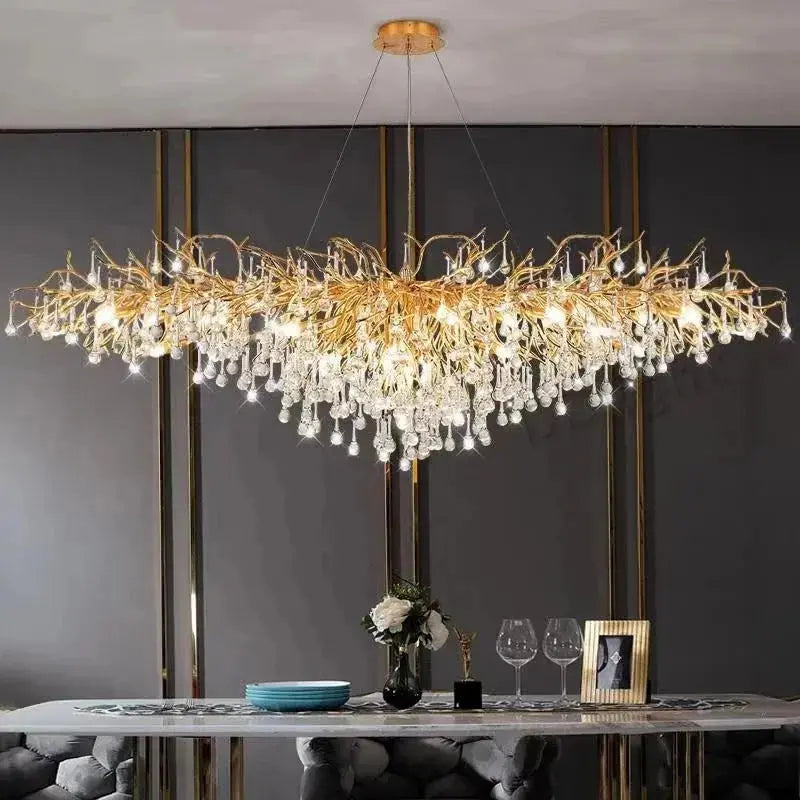
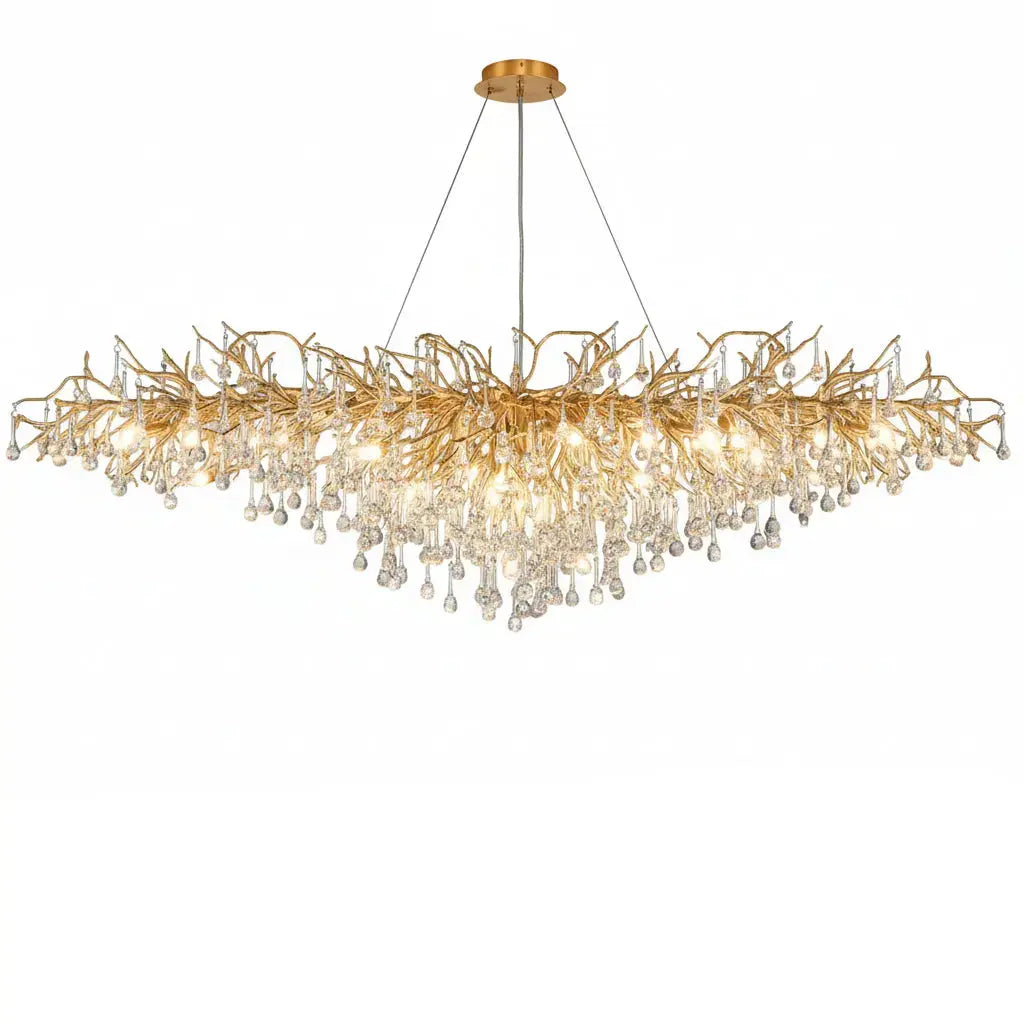
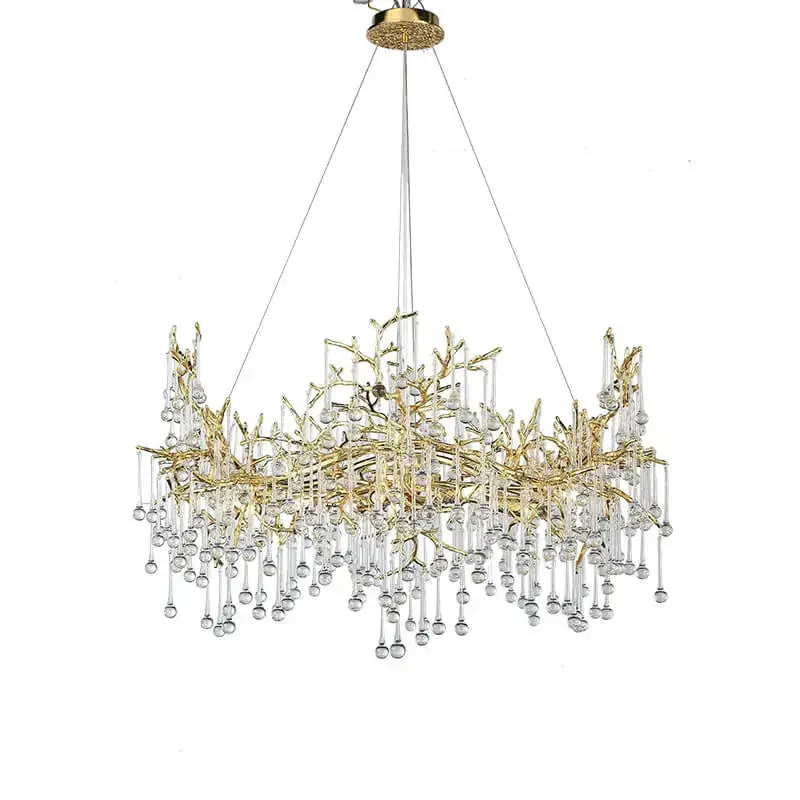
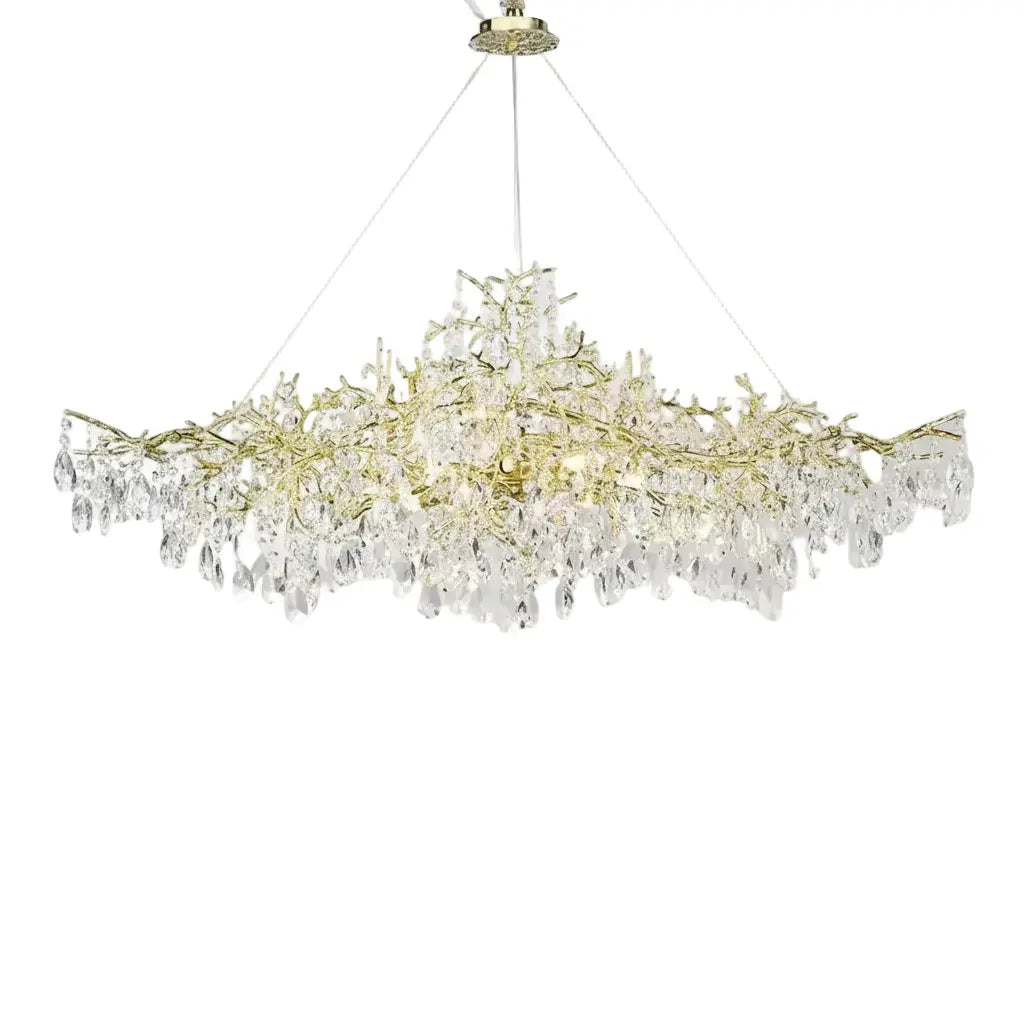
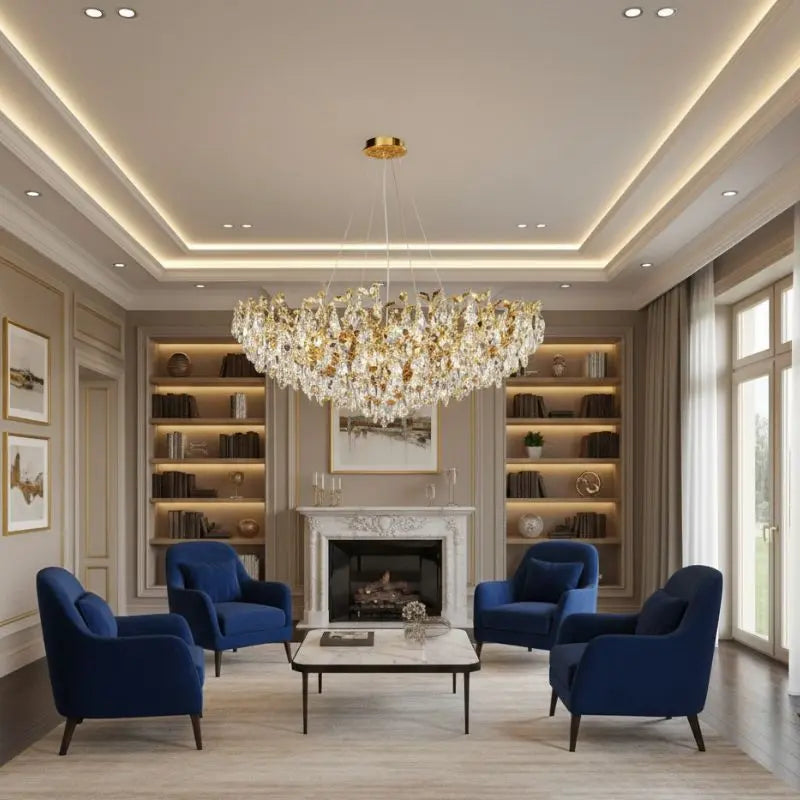
If your living room leans towards traditional or formal decor, a chandelier with gold finishes and sparkling crystal accents can be a perfect fit. These pieces often feature intricate details, curved arms, and plenty of faceted crystals that catch and reflect light beautifully. They add a touch of old-world charm and sophistication. Imagine a chandelier with polished brass or antique gold metalwork, adorned with clear or subtly colored crystals. It's a look that never really goes out of style and works well with richer color palettes and plush furnishings.
Modern Minimalism: Linear Designs and Sculptural Forms
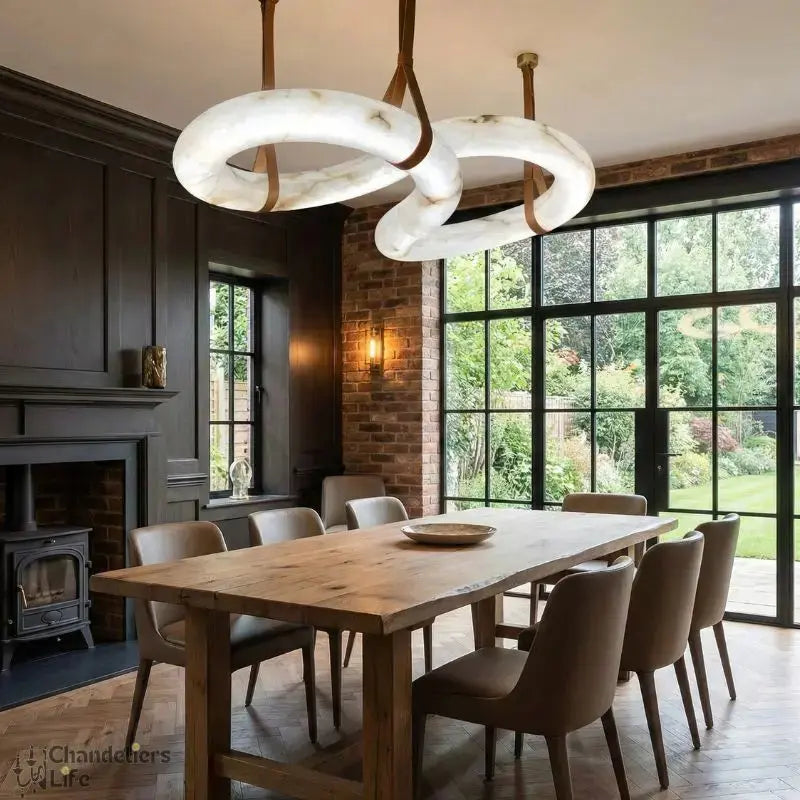
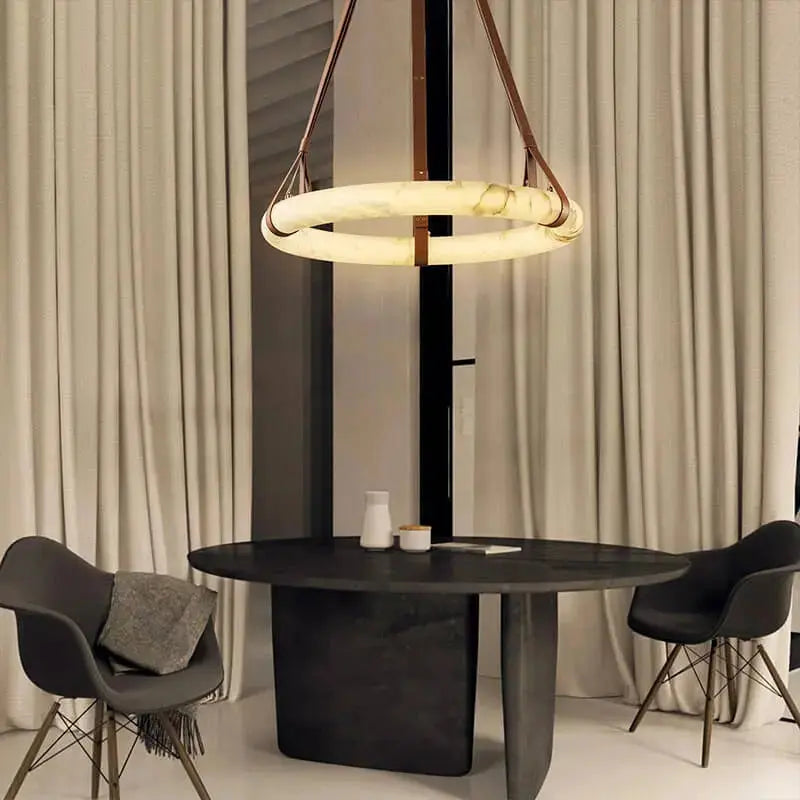
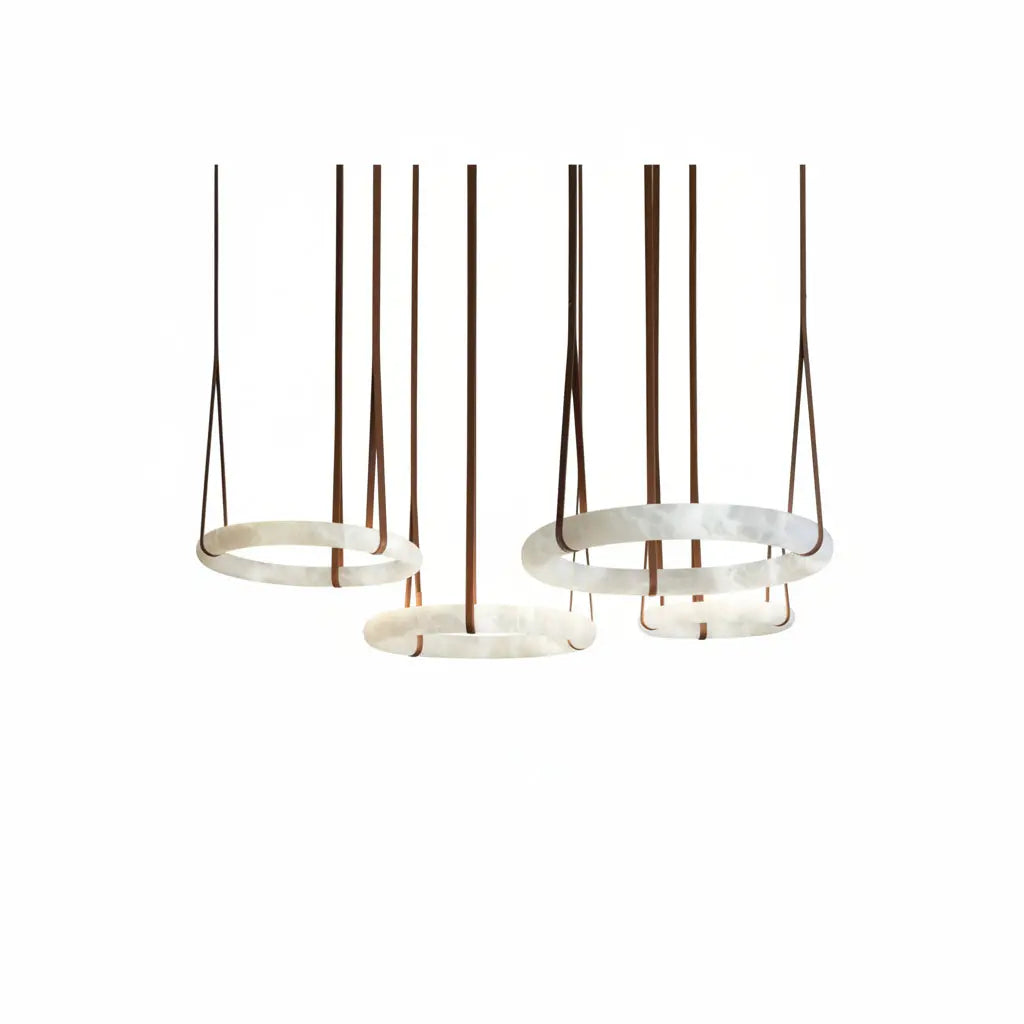
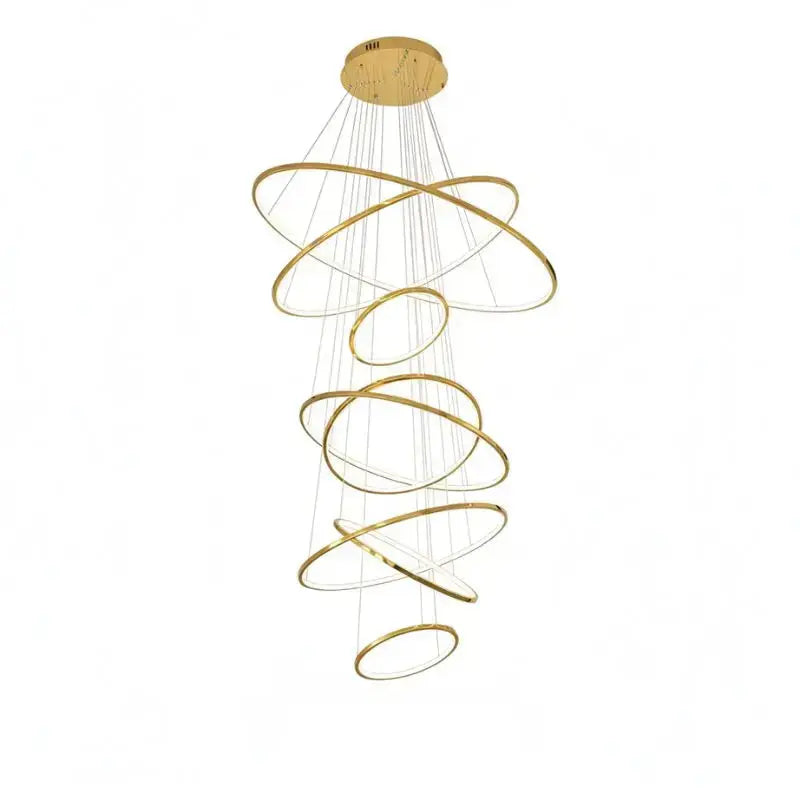
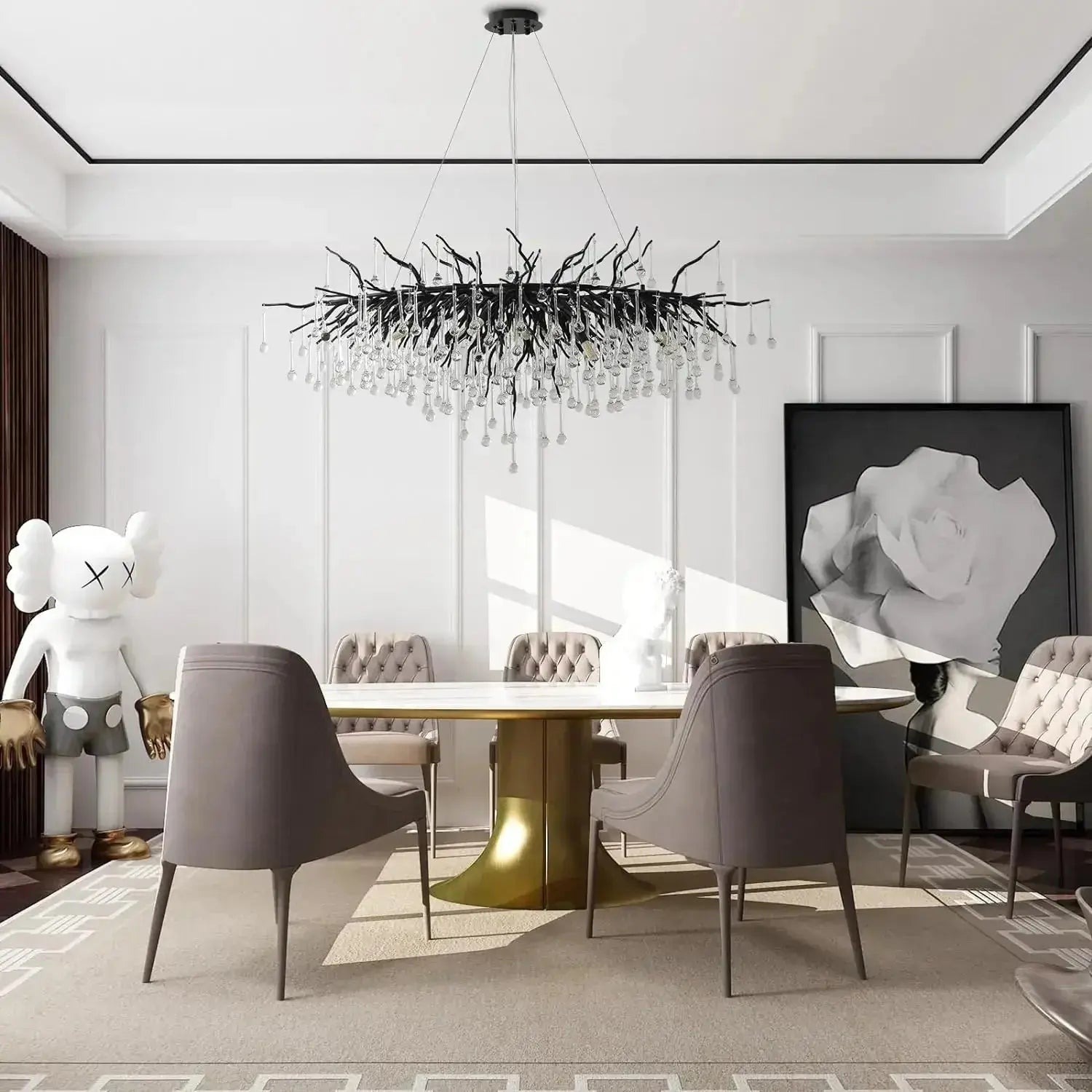
For those who prefer a cleaner, more contemporary aesthetic, modern chandeliers offer a different kind of beauty. Think sleek lines, geometric shapes, and often a more restrained use of materials. Linear chandeliers, which are long and rectangular, can be great over coffee tables or in long living rooms. Sculptural pendants, sometimes clustered together, offer an artistic touch without being overly ornate. Matte black, brushed nickel, or even black-and-gold combinations are common in this style. The focus here is on form and function, creating a sophisticated look that doesn't feel cluttered.
Hotel-Inspired Luxury: Bubble Glass and Tiered Designs
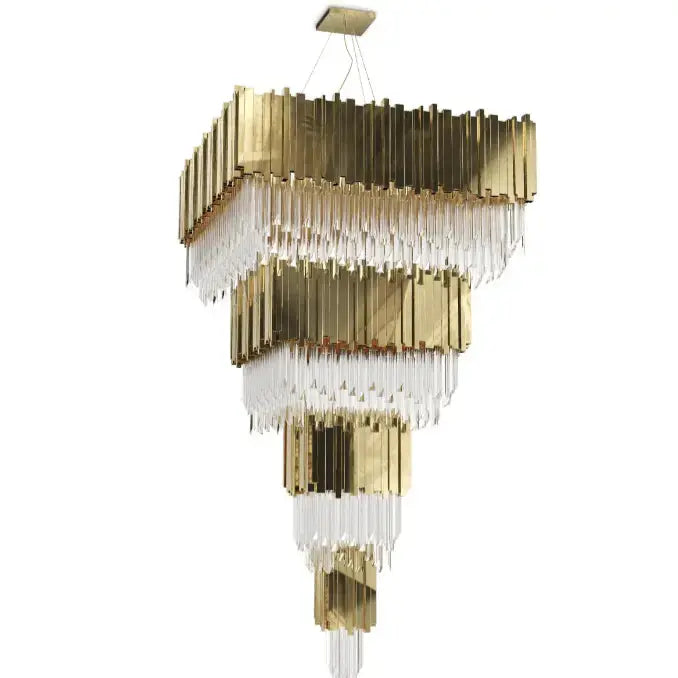
Want to bring a bit of that high-end hotel vibe into your home? Chandeliers with bubble glass, smoked glass, or tiered designs can do just that. Bubble glass features small air pockets trapped within the glass, giving it a unique texture and diffused light. Smoked glass adds a moody, sophisticated feel. Tiered chandeliers, with multiple levels of lights or shades, create a dramatic focal point. These styles often work well in spaces with neutral color schemes or luxurious materials like marble, adding a layer of opulence and visual interest.
Achieving the Perfect Ambiance with Chandelier Light Color
So, you've picked out the perfect chandelier – it looks amazing, fits the room just right, and totally screams 'you'. But wait, there's one more thing to think about: the light itself. The color of the light your chandelier gives off can totally change the feel of your whole living room. It's not just about brightness; it's about setting a mood.
The Importance of Warm White Tones
Honestly, for most living rooms, you're going to want to stick with warm white light. Think of it like a cozy blanket for your eyes. This kind of light, usually between 2700K and 3000K on the color temperature scale, makes everything feel more inviting and relaxed. It's great for winding down after a long day or for when you're having friends over for a chill evening. Cold, blueish light can feel a bit sterile and harsh in a living space, which is usually the opposite of what you're going for.
- Warm White (2700K-3000K): Best for creating a cozy, inviting atmosphere. Perfect for living rooms.
- Cool White (3500K-4100K): Brighter and more energizing. Better suited for kitchens or workspaces.
- Daylight (5000K+): Mimics natural daylight. Can be too intense for a living room's primary light source.
Leveraging Dimmable Features for Versatility
This is a game-changer, seriously. If your chandelier has a dimmer, you've basically got multiple lighting options in one. You can crank it up for when you need to see clearly, maybe to read or clean, and then dim it way down for movie nights or when you just want some soft background light. It makes your living room super adaptable. Plus, dimmers can help your bulbs last longer and use less electricity. Just make sure the bulbs you pick are actually compatible with the dimmer, otherwise, you might get some annoying flickering.
Dimmers offer incredible flexibility, allowing you to tailor the light intensity to suit any activity or mood. This adaptability transforms your living room from a bright, functional space to a softly lit sanctuary with just a flick of a switch. It’s about having control over your environment.
Selecting Decorative Bulbs to Enhance Glow
Don't forget the bulbs themselves! They aren't just functional; they can add to the overall look. Think about decorative bulbs – maybe ones with a vintage Edison style, or perhaps some with interesting filament designs. These can add a little extra something, even when the light is off. When paired with the right light color, these bulbs can really make your chandelier shine, literally. It's a small detail that makes a big difference in how the light spreads and looks in your room. If you're looking for a statement piece, consider something like the 5 Light Boulevard Designer Chandelier which pairs well with various bulb styles.
Layering Light Sources Around Your Chandelier
Your living room chandelier is likely the star of the show, but a single light source rarely makes a room feel complete. Think of it like building an outfit – you need more than just one piece to make it look polished. Layering different types of lighting creates depth, sets the mood, and makes your space more functional. It's about building a lighting scheme, not just hanging a fixture.
The Role of the Chandelier as a Main Focal Point
The chandelier is your room's anchor. It's usually the largest and most decorative light fixture, drawing the eye and setting the overall tone. Whether it's a grand crystal cascade or a sleek modern design, its primary job is to make a statement and provide general illumination. This central piece is where you start, but it's definitely not where you finish.
Incorporating Accent Lighting with Wall Sconces
Wall sconces are fantastic for adding that next layer. They cast light upwards, downwards, or both, creating interesting shadows and highlighting architectural features or artwork. Placing sconces on either side of a fireplace, a large mirror, or flanking a doorway can add a touch of sophistication and balance. They're also great for providing softer, ambient light when you don't need the full brightness of the chandelier.
Utilizing Task Lighting for Functional Areas
Finally, task lighting is all about practicality. This is the light you need for specific activities. Think about floor lamps next to your favorite reading chair, or table lamps on side tables. If you have built-in shelving, small, discreet LED strips can illuminate your books or decorative items. Even a stylish desk lamp in a corner can serve this purpose. These lights ensure that every corner of your living room is well-lit and usable, no matter what you're doing.
A well-lit room isn't just about brightness; it's about creating different moods and supporting various activities. By combining your chandelier with accent and task lighting, you transform your living room from a simply lit space into a dynamic, inviting environment that feels both stylish and comfortable.
Selecting Durable Materials for Lasting Chandelier Beauty
When you're picking out a chandelier, it's not just about how it looks right now. You want something that will keep looking good for years, right? That means paying attention to what it's made of. Some materials just hold up better and keep their shine, which is pretty important for a big fixture like a chandelier.
Prioritizing Finishes That Age Gracefully
Think about finishes that don't look worn out after a year or two. Metals like brass, especially those with a brushed or antique look, tend to age really well. They can develop a nice patina over time instead of looking tarnished. Champagne gold is another finish that offers a soft, warm glow and doesn't show dust as easily as highly polished surfaces. These kinds of finishes mean your chandelier stays a beautiful part of your room without constant upkeep.
The Impact of Textured Glass and Metals
Glass isn't just glass, you know? Textured glass, like frosted, seeded, or even bubbled glass, can hide minor imperfections and diffuse light in a really pleasing way. It adds a layer of visual interest without being too flashy. Similarly, metals with a bit of texture or a matte finish can be more forgiving than super shiny ones. They often feel more substantial and less prone to showing fingerprints or water spots. This is especially true for fixtures that use materials like wrought iron or brushed nickel.
Choosing Materials for Enhanced Light Reflection
Some materials are just better at bouncing light around the room. Crystals, of course, are famous for this, scattering light and creating sparkle. But even simpler materials can do a good job. Polished metals, like chrome or polished brass, reflect light well, making the room feel brighter. Even certain types of glass, especially clear or slightly mirrored finishes, can help spread the light from the bulbs. When you're looking at a modern LED chandelier, consider how the materials will interact with the light source to create the overall mood you're going for. It's a balance between the material's own beauty and its ability to work with the light.
Navigating Common Pitfalls When Choosing a Chandelier
Picking out a chandelier can feel like a big decision, and honestly, it's easy to stumble into a few common traps. Let's talk about some of the mistakes people often make so you can avoid them and get a light fixture you'll truly love.
Ignoring Room Size in Favor of Style
This is a big one. You might fall head over heels for a massive, ornate chandelier, but if your living room is on the smaller side, it's just going to overwhelm the space. It's like wearing a giant hat to a tiny cafe – it just doesn't fit. On the flip side, a minuscule chandelier in a vast room can look lost and ineffective. The key is balance; the chandelier should feel like a natural part of the room, not an intruder.
Here's a quick way to get a rough idea of diameter:
| Room Length (ft) | Room Width (ft) | Suggested Diameter (inches) |
|---|---|---|
| 10 | 12 | 20-24 |
| 12 | 15 | 24-30 |
| 15 | 18 | 30-36 |
Remember, this is just a starting point. Always consider the ceiling height and furniture layout too.
Incorrect Hanging Height and Placement
Where you hang your chandelier matters just as much as its size. Too low, and people might bump their heads. Too high, and it loses its impact as a focal point. For general living areas, the bottom of the chandelier should typically be about 7 to 7.5 feet from the floor. If it's over a coffee table or seating area, you might hang it a bit lower, but always keep clearance in mind.
Proper placement ensures the chandelier is both functional and visually appealing. It should illuminate the space without being obtrusive, becoming a natural centerpiece that draws the eye without causing discomfort.
Opting for Cold White Lighting Over Warm Tones
This is a mistake that can really kill the cozy vibe of a living room. While bright, cool white light is great for task areas like a kitchen or office, it can make a living room feel sterile and unwelcoming. You want your living room to be a place where you can relax and unwind, right? Warm white tones (around 2700K to 3000K) create a much more inviting and comfortable atmosphere. Think about the mood you want to set – usually, for a living room, it's about comfort and warmth, not a hospital operating room.
- Warm White (2700K-3000K): Ideal for creating a cozy, relaxing ambiance. Perfect for living rooms and bedrooms.
- Neutral White (3500K-4100K): A good middle ground, often used in kitchens or bathrooms where a bit more clarity is needed.
- Cool White/Daylight (5000K+): Best for task lighting, garages, or areas where bright, crisp light is required.
Choosing the right bulb color temperature can make a world of difference in how your living room feels.
Final Thoughts on Finding Your Perfect Chandelier
So, picking out a chandelier for your living room is a pretty big deal, right? It's not just about throwing some light around; it's about making a statement and really making your space feel like you. We've gone over a bunch of stuff, from figuring out the right size so it doesn't look too big or too small, to matching its style with your couch and curtains. Remember that ceiling height matters too, and nobody wants to bump their head. And don't forget the light color – warm is usually the way to go for that cozy vibe. Take your time with this decision, because a good chandelier can really change how your whole room feels. Happy decorating!
Frequently Asked Questions
How do I know what size chandelier is right for my living room?
It's pretty simple! Just measure the length and width of your living room in feet. Add those two numbers together. The total you get is a good starting point for the diameter of your chandelier in inches. For example, if your room is 14 feet by 16 feet, add them up to get 30. So, a chandelier around 30 inches wide would likely be a good fit.
How high should I hang my living room chandelier?
For most living rooms, you'll want the bottom of the chandelier to hang about 7 to 7.5 feet off the floor. This height usually looks balanced and makes sure there's enough room to walk underneath without bumping your head.
What's the best type of light bulb for a chandelier?
For a cozy and inviting feel, warm white LED bulbs are usually the best choice. Look for ones with a color temperature between 2700K and 3000K. If your chandelier has a dimmer, you can easily change the mood from bright to soft.
Can I use a chandelier in a room with a low ceiling?
Absolutely! If you have an 8 or 9-foot ceiling, opt for chandeliers that are more compact or hang closer to the ceiling, like semi-flush mount styles. These will give you that elegant look without making the room feel cramped.
What if my living room has an open layout?
In open-concept spaces, you have a bit more freedom. You can use the room dimension rule (length + width = diameter) for a larger chandelier that makes a statement. Just make sure it fits proportionally within the main living area.
How do I match my chandelier to my room's style?
Think about your room's overall look. For a classic feel, gold finishes and crystal details work well. If your style is more modern, consider sleek, linear designs or sculptural shapes. For a luxurious vibe, bubble glass or tiered designs can be stunning.