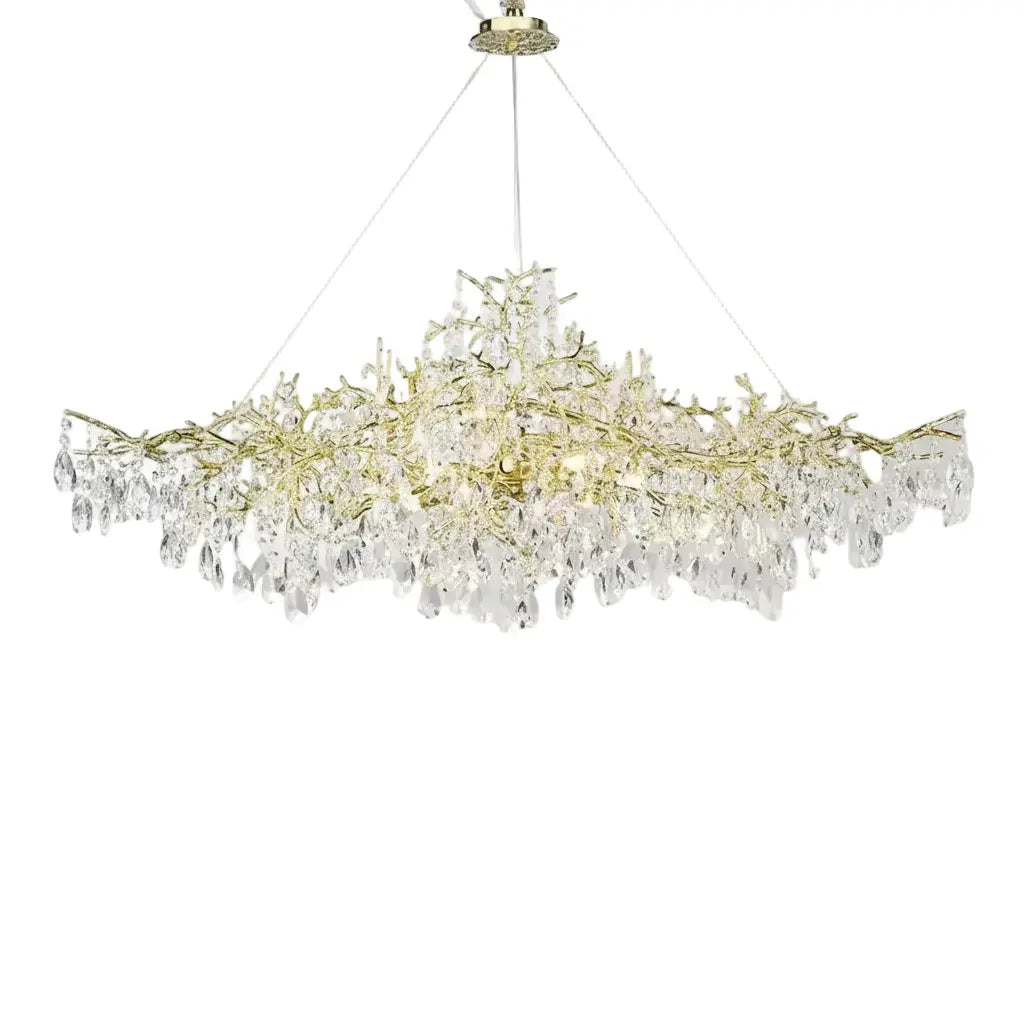
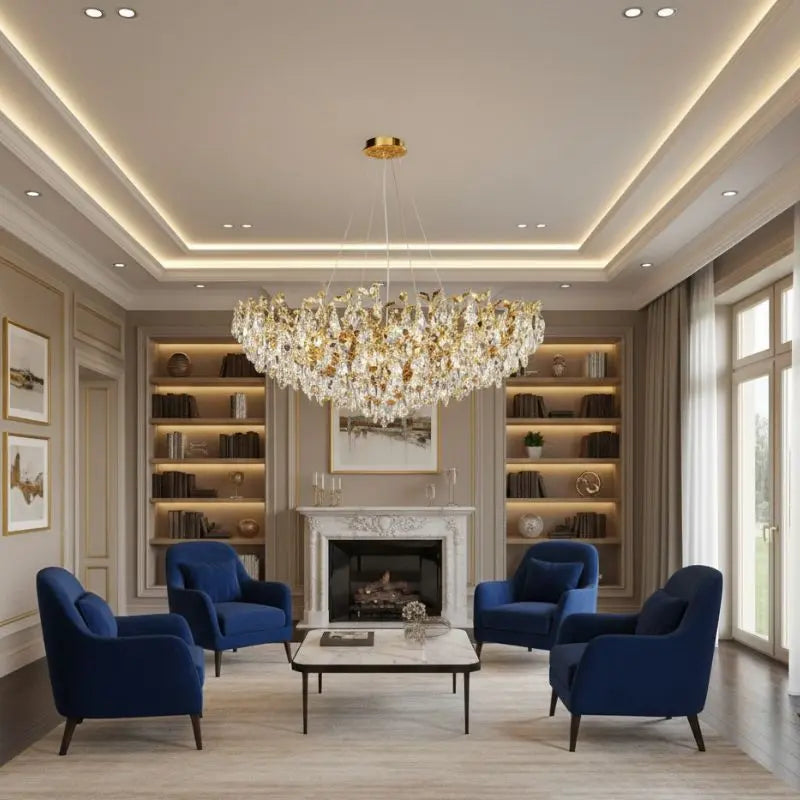
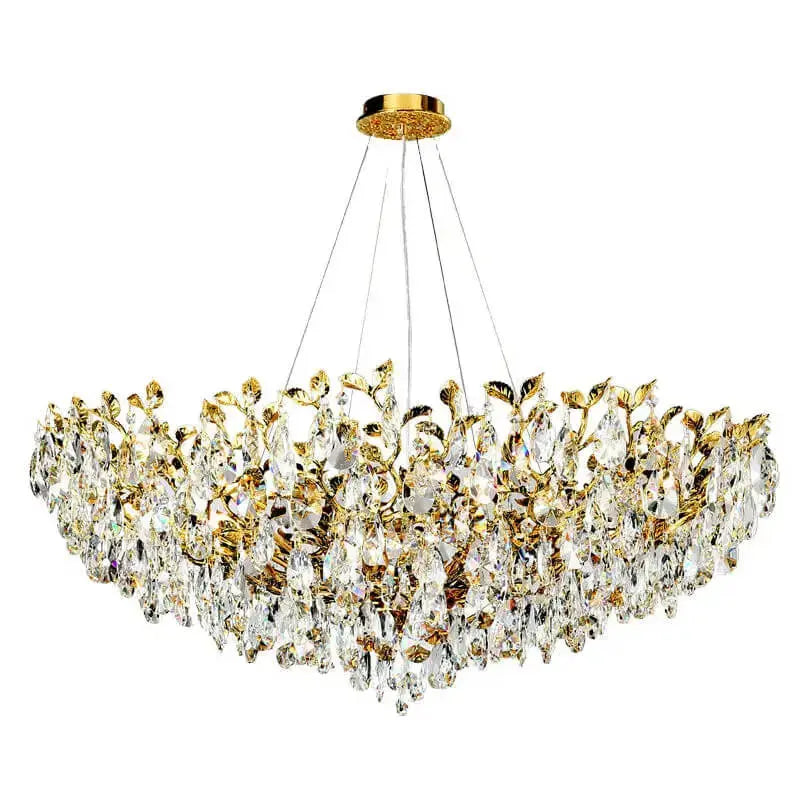
So, you're looking to spruce up your place with a new light pendant? It's a pretty big deal, honestly. The right one can totally change how a room feels, making it look better and work better too. But picking the perfect light pendant isn't always straightforward. You've got to think about where it's going to hang, how big it should be, what it's made of, and even what kind of bulb to use. It’s a lot to consider, but getting it right makes a huge difference.
Key Takeaways
- Think about where your light pendant will go. Hanging it in the right spot, like over a kitchen island or dining table, makes a big difference in how the room looks and feels.
- The size of your light pendant matters. Make sure it fits the room – not too big, not too small. It should look balanced with everything else.
- What your light pendant is made of and its style should match your room. Metal, glass, or fabric can all give a different vibe.
- A light pendant should do more than just look good. It needs to provide the right kind of light, whether it's for working or just making the room feel cozy.
- Choosing the right bulb for your light pendant is important for both how the light looks and how much energy it uses. Dimmable options give you more control over the mood.
Strategic Placement Of Your Light Pendant
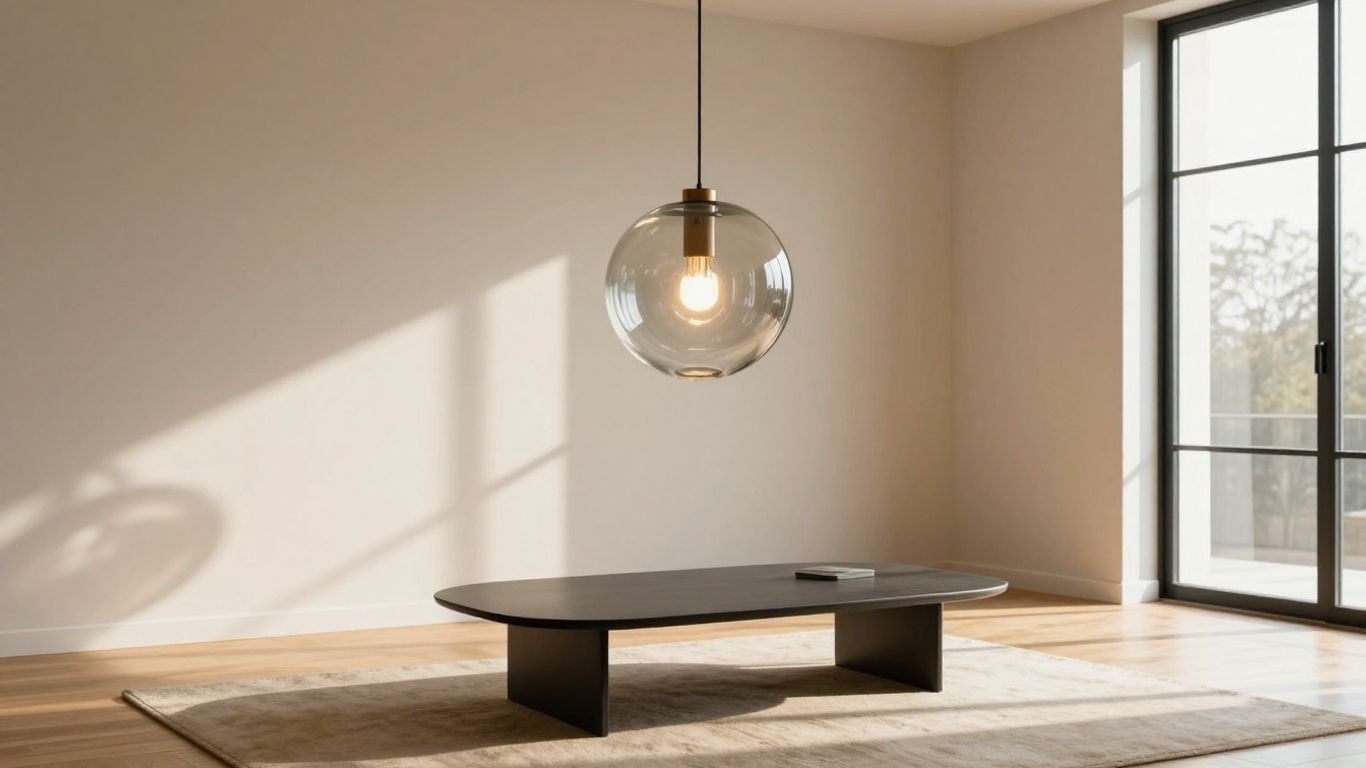
Getting the placement of your light pendant right isn’t just about style—it’s about making your home feel inviting and functional. Hanging a pendant a few inches too high or off-center can throw off the vibe of a whole room. Let’s break down how to do it right in some of the most common areas.
Kitchen Island Illumination
A pendant light over the kitchen island should give you enough brightness for chopping veggies or rolling out dough, without blinding you or blocking your view.
Here are a few tips:
- Hang pendant lights about 30 to 36 inches above the countertop. This height works for most standard kitchen ceilings.
- If you have a long island, use two or three pendants spaced evenly.
- Choose a fixture size that feels balanced—not too tiny that it gets lost, but not so large it crowds the space.
A well-placed pendant can act as both a task light while cooking and a subtle statement piece when entertaining guests.
Dining Area Ambiance
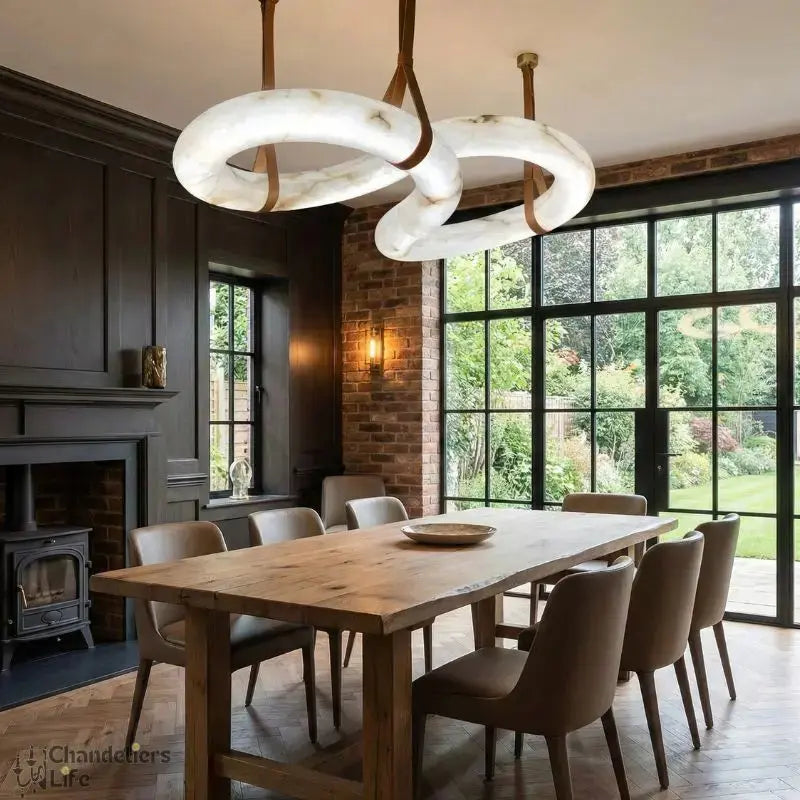
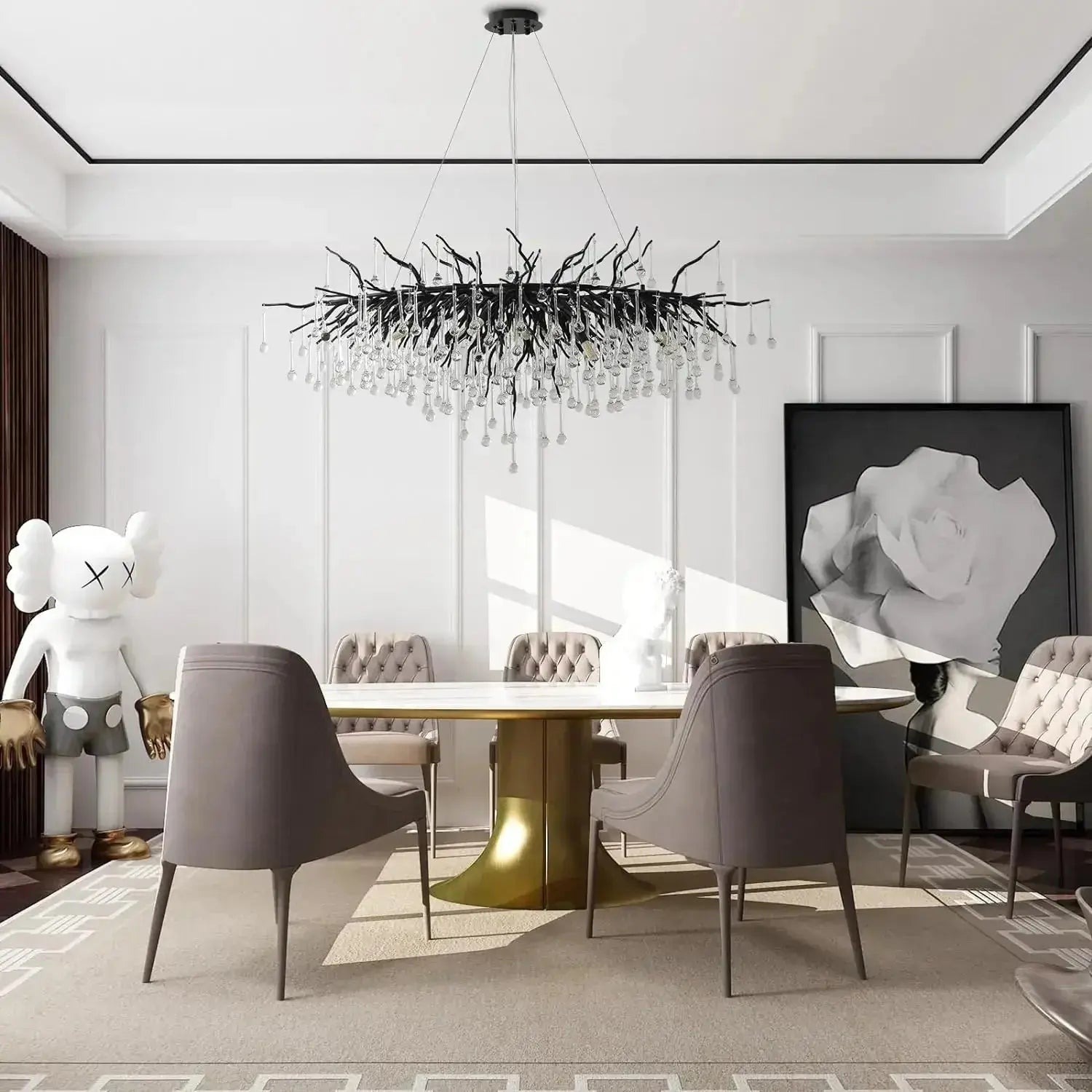
The right pendant helps set a cozy mood for dinners—think soft lighting directly over the table.
- Center the pendant right over the table for the best effect.
- The bottom of your fixture should hang 28 to 34 inches above the tabletop.
- Make sure the pendant is not too wide that it crowds the table or blocks sight lines.
- Consider using dimmable bulbs to adjust the light for different times of day.
Entryway Visual Interest
First impressions matter, and the entryway is your home’s handshake.
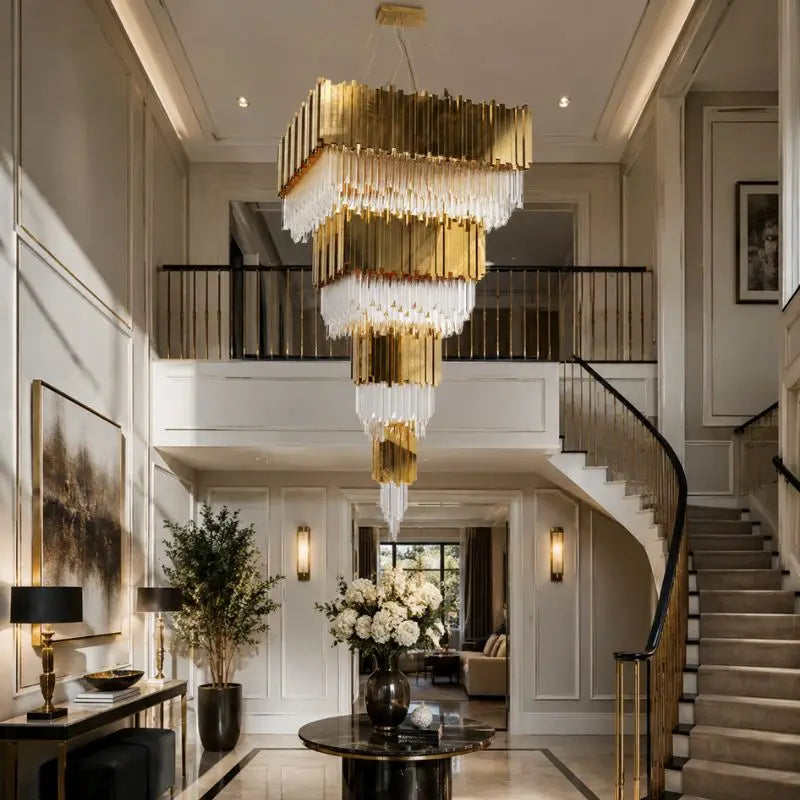
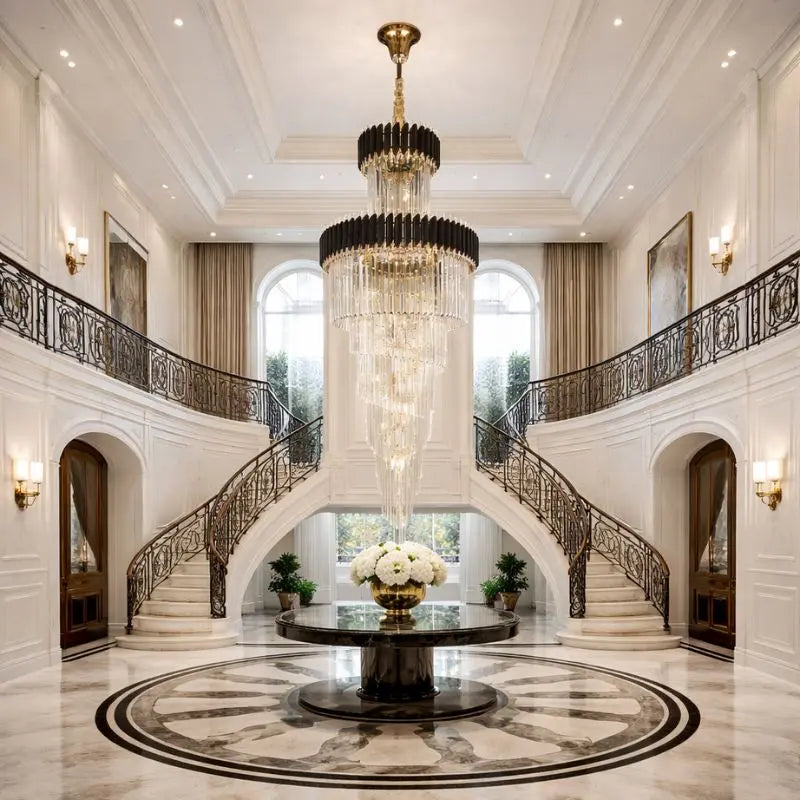
- Use a pendant to add height and drama if you’ve got the ceiling space.
- Pick a size that matches the foyer but doesn’t overwhelm—keep enough headroom for people to walk comfortably.
- Try unique shapes or finishes to make the entrance memorable.
If you want a few more ideas for making your space look more inviting right from the front door, you can always explore tips on creating a welcoming entryway.
A little experimentation goes a long way—sometimes you need to try a couple placements or heights to see what works. Don’t worry about finding perfection on the first go; a small adjustment can make a big difference.
Selecting The Ideal Light Pendant Size
Choosing the right size for your light pendant is more than just picking something that looks good; it's about making sure it fits the space and does its job without feeling out of place. A pendant that's too big can make a room feel cramped, while one that's too small can just get lost. It's all about balance.
Proportion For Kitchen Spaces
In the kitchen, especially over an island or a breakfast nook, size really matters for both light and looks. You want enough light to work by, but you also don't want the fixture to be so large it blocks conversation or makes the space feel smaller. A good rule of thumb for kitchen islands is to have pendants no wider than two-thirds the width of the island itself. If you're hanging multiple pendants in a row, give them enough space so they don't bump into each other visually. For general countertop areas, aim for a pendant around 16 inches in diameter.
Balancing Scale In Living Rooms
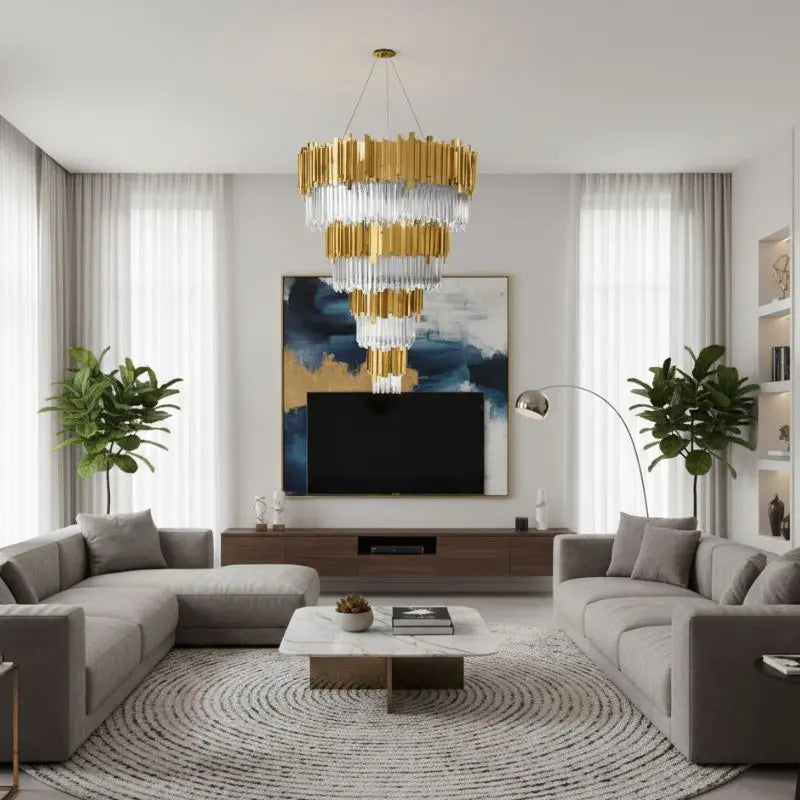
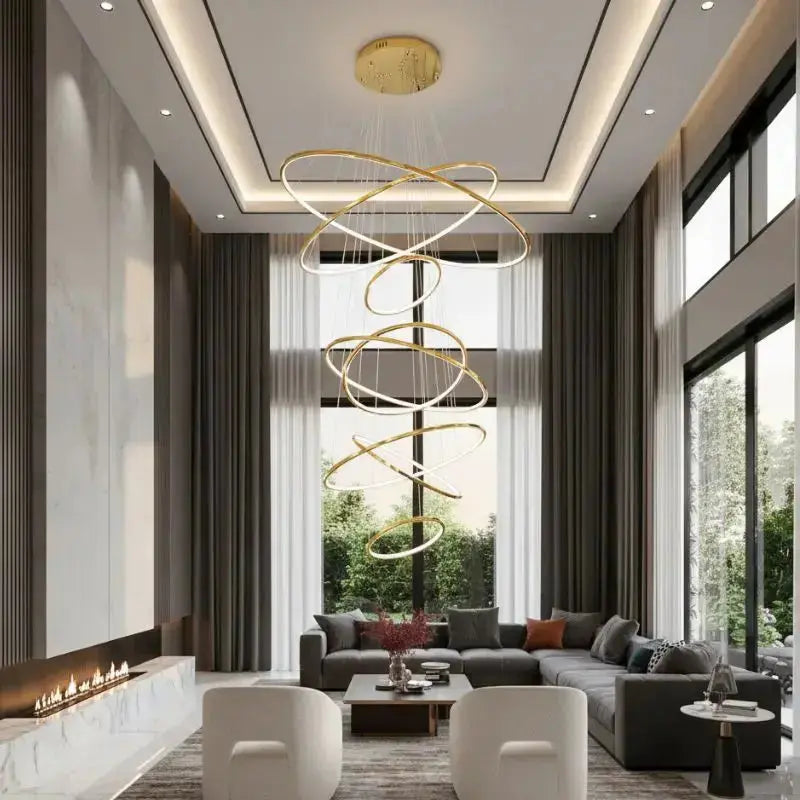
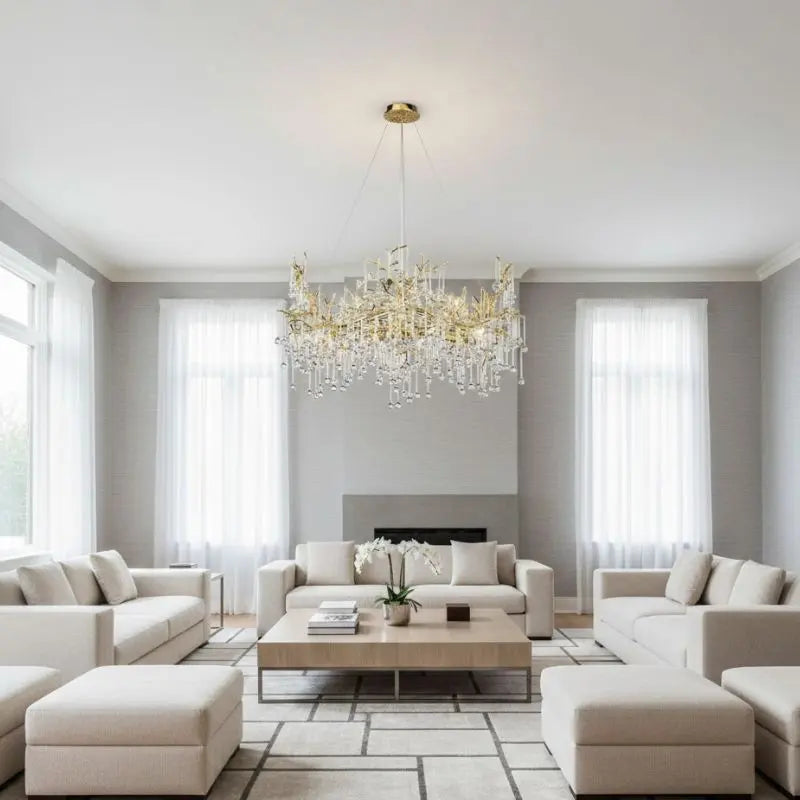
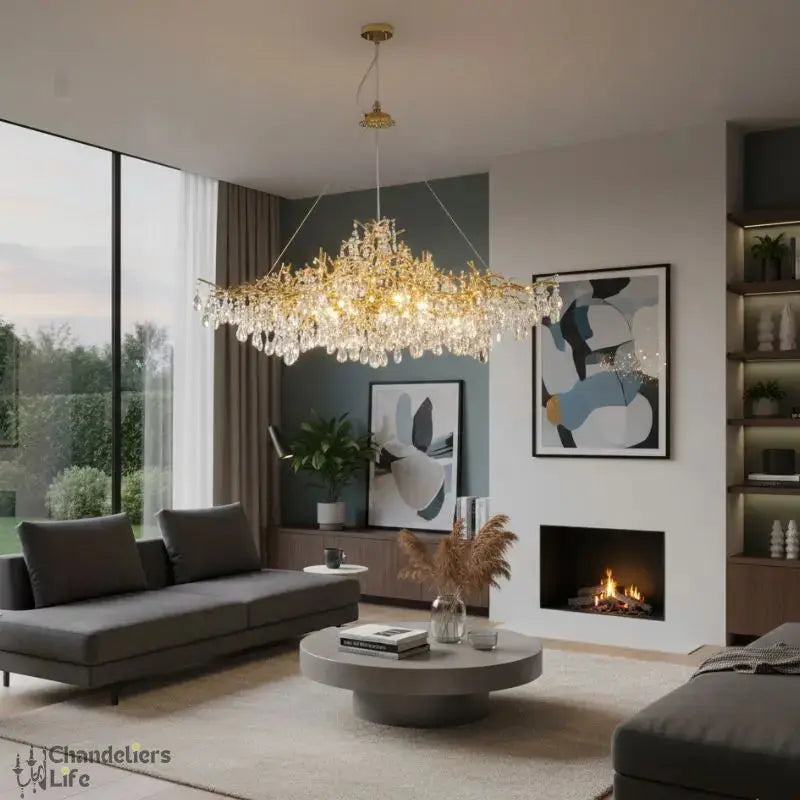
Living rooms are often about creating a cozy vibe, and the pendant plays a big part in that. For larger living rooms with high ceilings, you can go for a more substantial pendant that makes a statement. Think of it as a piece of art. However, if your living room has standard or lower ceilings, a massive pendant might just feel heavy and overwhelming. In these cases, a medium-sized pendant that still offers visual interest but doesn't dominate the room is usually the way to go. The goal is to create a fixture that feels intentional, not accidental.
Height Considerations For All Rooms
Where you hang your pendant is just as important as its size. For dining tables, the bottom of the pendant should generally hang about 30 to 36 inches above the tabletop. This height provides good light for eating and conversation without being in the way. In living areas or hallways, aim for at least 7 feet from the floor to the bottom of the fixture. This ensures enough headroom and prevents people from walking into it. For rooms with vaulted or very high ceilings, you might need to hang the pendant lower than the standard 7 feet to bring the light down to a more usable level, or choose a larger fixture to fill the vertical space.
Getting the scale right means the light fixture becomes a natural part of the room's architecture, not just something stuck on the ceiling. It should feel like it belongs there, contributing to the overall feel without shouting for attention.
Here's a quick guide for general room sizing:
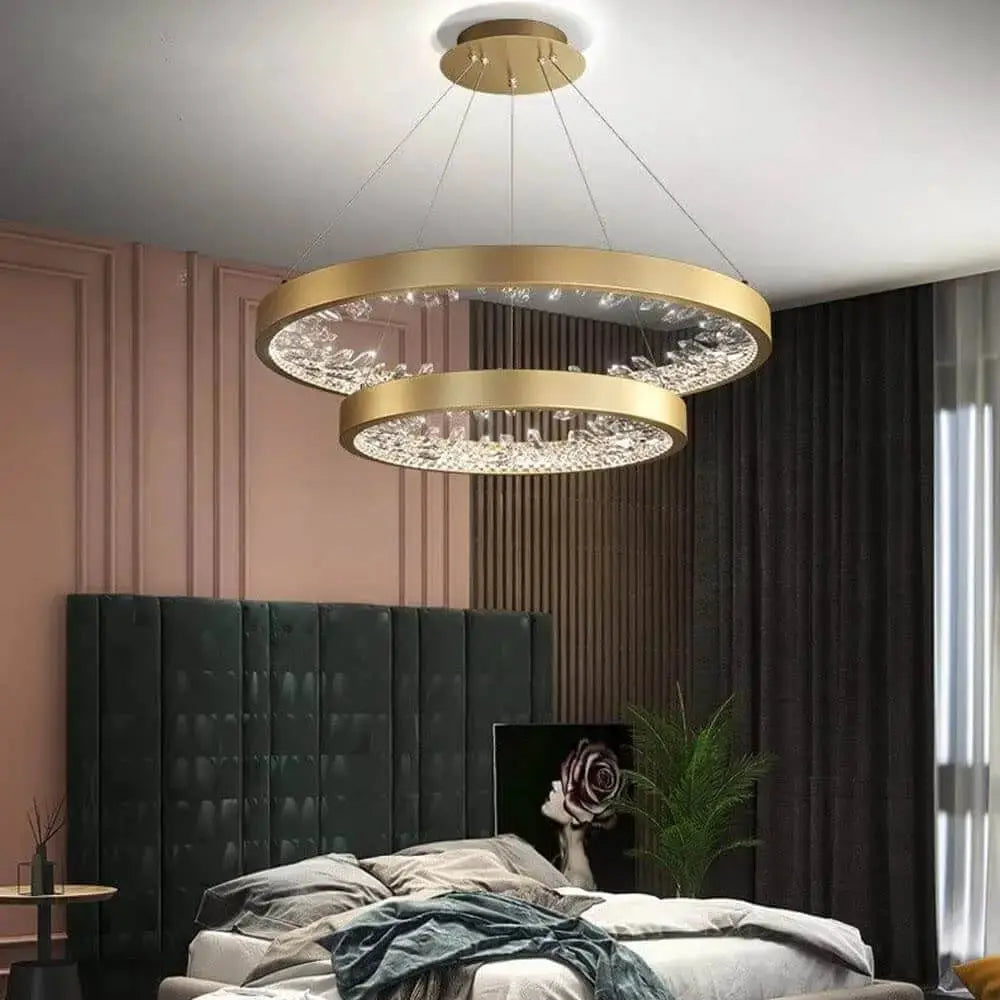
- Living Rooms/Bedrooms: Add the room's length and width in feet. Use that total number in inches as the maximum diameter for your pendant. For example, a 12' x 15' room (27 feet total) could accommodate a pendant up to about 27 inches wide.
- Kitchen Islands: For a single pendant, aim for 14-18 inches. For multiple pendants, space them about 24-30 inches apart.
- Dining Tables: The pendant's diameter should be roughly two-thirds the width of your dining table. Check out placement tips for more details.
Materials And Styles For Your Light Pendant
When you're picking out a light pendant, the materials and style are a big deal. They really set the tone for your whole room, you know? It's not just about the light it gives off; it's about how it looks and feels.
Modern Metal Finishes
Metals are super popular right now, and for good reason. They can look really sleek and modern, or a bit more traditional depending on the finish. Think about brushed brass for a warm, inviting vibe. It's great for adding a touch of class without being too flashy. Bronze offers a more sophisticated, maybe even a bit rustic, feel. And polished nickel? That's your go-to for a clean, contemporary look that works with almost anything. These finishes can really tie a room together.
Artisan Glass Designs
If you want something a little more unique, artisan glass is the way to go. These aren't your average glass shades. We're talking about hand-blown glass that has these cool, organic shapes and interesting light refractions. It's like bringing a piece of art into your home. You can find glass that's frosted for a soft, diffused light, or clear glass for a brighter, crisper feel. Textured glass adds another layer of visual interest, catching the light in all sorts of pretty ways. It’s a way to make your lighting feel really special and one-of-a-kind.
Textured Fabric Options
Fabric shades might sound a bit old-fashioned, but they've made a comeback in a big way. They give off a really soft, warm light that's perfect for creating a cozy atmosphere. You can find them in all sorts of textures, from linen to woven materials, which add a tactile element to your decor. They work well in living rooms or bedrooms where you want a more relaxed feel. It’s a nice contrast to the harder materials like metal and glass, adding a bit of softness and warmth to the space. You can even find some really interesting DIY chandelier ideas that incorporate fabric elements if you're feeling crafty.
Functionality And Appeal Of Light Pendants
Pendant lights are more than just pretty objects hanging from the ceiling; they're workhorses in your home's design. They have to do a few jobs at once, really. First off, they need to light up the space properly, right? But they also need to look good and add something special to the room's overall vibe. It's like finding a friend who's both fun and reliable – you want your light fixture to be the same.
Task Lighting Essentials
Sometimes, you just need light focused on a specific spot. Think about chopping vegetables on the kitchen counter or reading a book in your favorite armchair. That's where task lighting comes in. A pendant hung directly over these areas can make a huge difference. It cuts down on eye strain and makes whatever you're doing much easier. For kitchens, especially over an island, this direct light is super helpful for food prep. You want something that gives off a good amount of light without being harsh or creating weird shadows. It's all about making your workspace functional.
Creating Ambient Glow
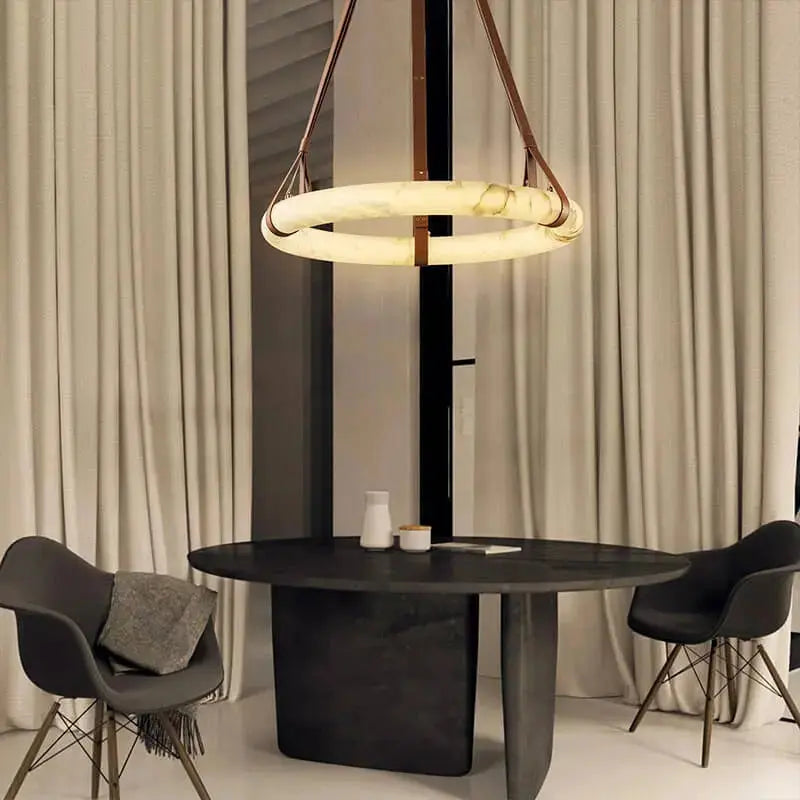
Beyond just lighting up a task, pendants can also set a mood. This is the ambient glow part. Instead of a super bright, direct beam, some pendants are designed to spread light more softly around the room. They might have shades made of frosted glass or fabric that diffuse the light, making the whole space feel cozier and more relaxed. This is perfect for a dining area where you want a warm atmosphere for meals or a living room where you're just chilling. The right pendant can make a room feel inviting and comfortable, turning a simple space into a welcoming haven.
Optimizing Visual Performance
Getting the light just right is a balancing act. You don't want it too dim, but you also don't want it so bright that it's blinding. It's about making sure the light works well for the room and the people in it. This means thinking about how high the pendant hangs – too low and you might bump your head, too high and the light might not reach where you need it. It also means considering the type of bulb and how the light fixture itself directs the light. A well-placed pendant can make a room feel bigger, brighter, and more put-together.
When you're picking out a pendant, think about what you actually do in that room. Is it a place for serious work, or more for relaxing? The answers to those questions will guide you toward the right kind of light. It's not just about picking something that looks nice; it's about making sure it actually helps you live better in your space.
Exploring Different Light Pendant Types
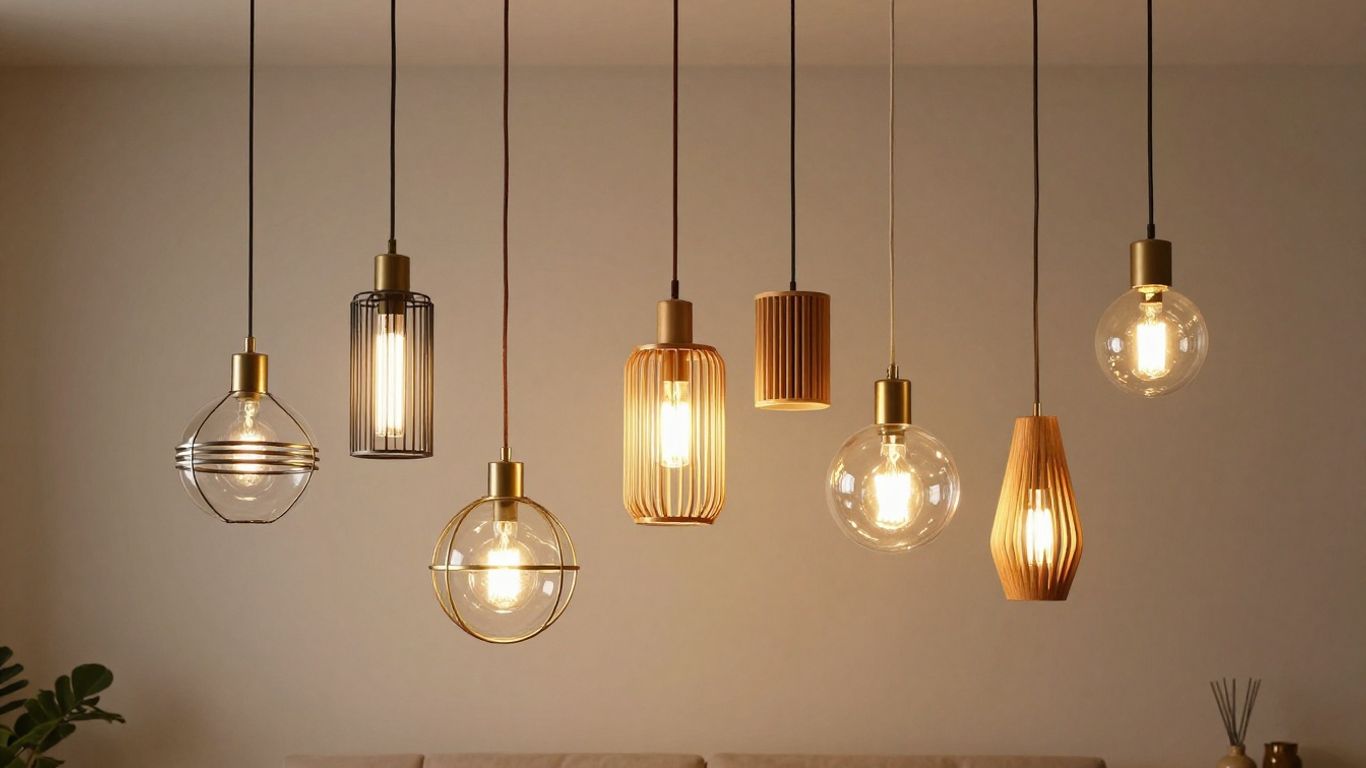
Pendant lights aren't just about brightness; they're about making a statement. Think of them as the jewelry for your ceiling. They can completely change the feel of a room, from cozy and intimate to bright and energetic. The type of pendant you choose really depends on what you want to achieve in your space.
Single Pendant Statements
These are your go-to for focused illumination and a clean look. A single pendant is perfect for smaller areas or when you want to highlight a specific spot, like over a reading chair or a small kitchen nook. They come in countless styles, from industrial metal shades to delicate glass orbs. A single pendant can act as a subtle yet impactful focal point. It's a simple way to add personality without overwhelming the room. You can even group a few together for a more dramatic effect, playing with height and spacing to create a custom look. If you're looking for a starting point, exploring DIY chandelier ideas can offer inspiration for unique single pendant designs.
Multi-Light Pendants For Impact
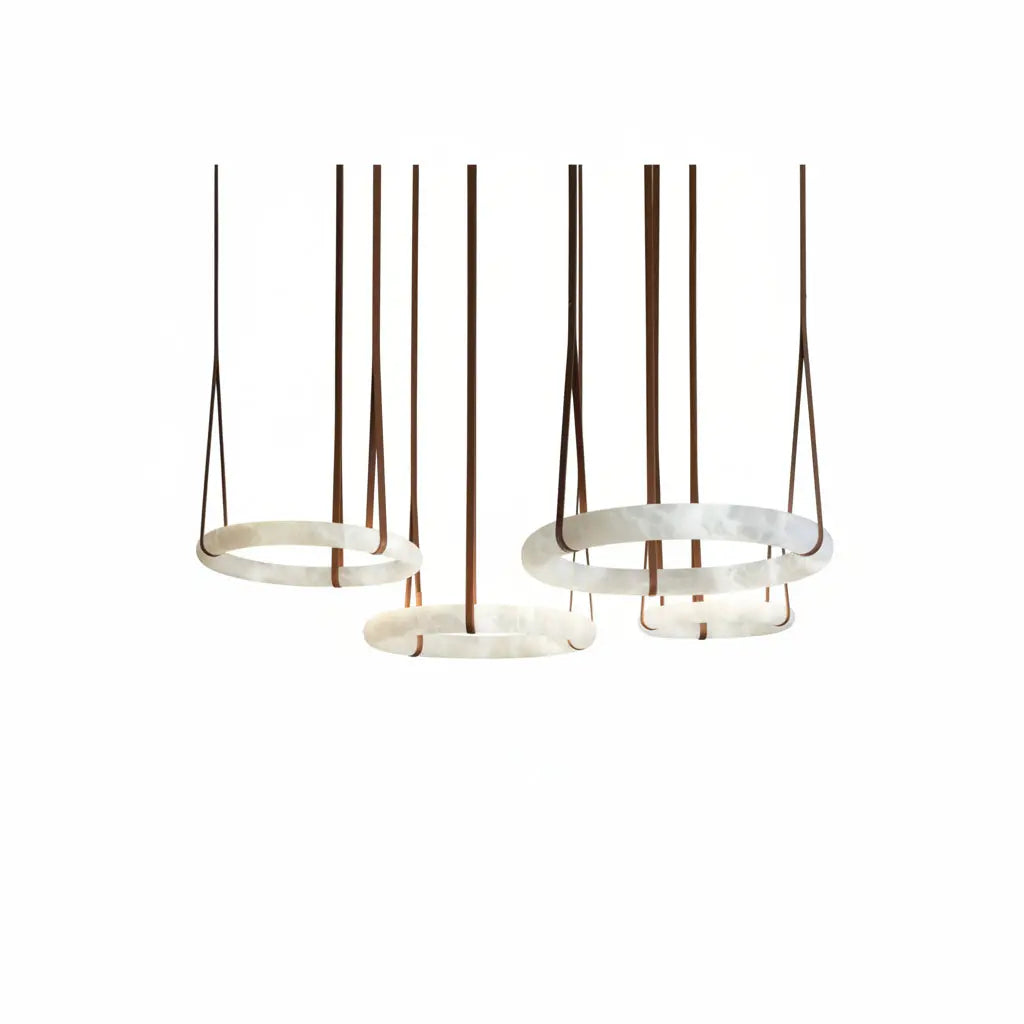
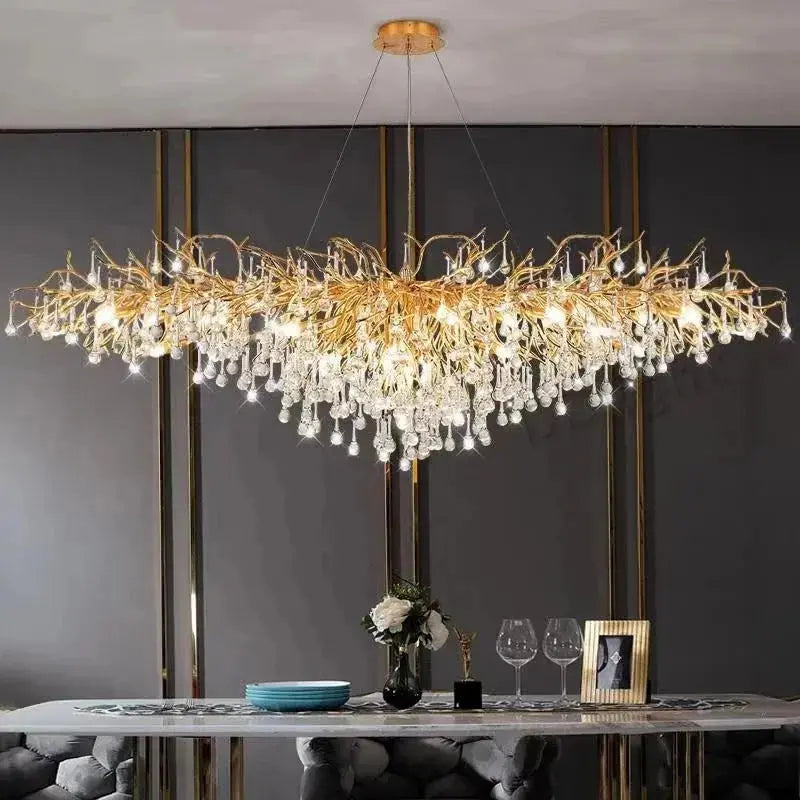
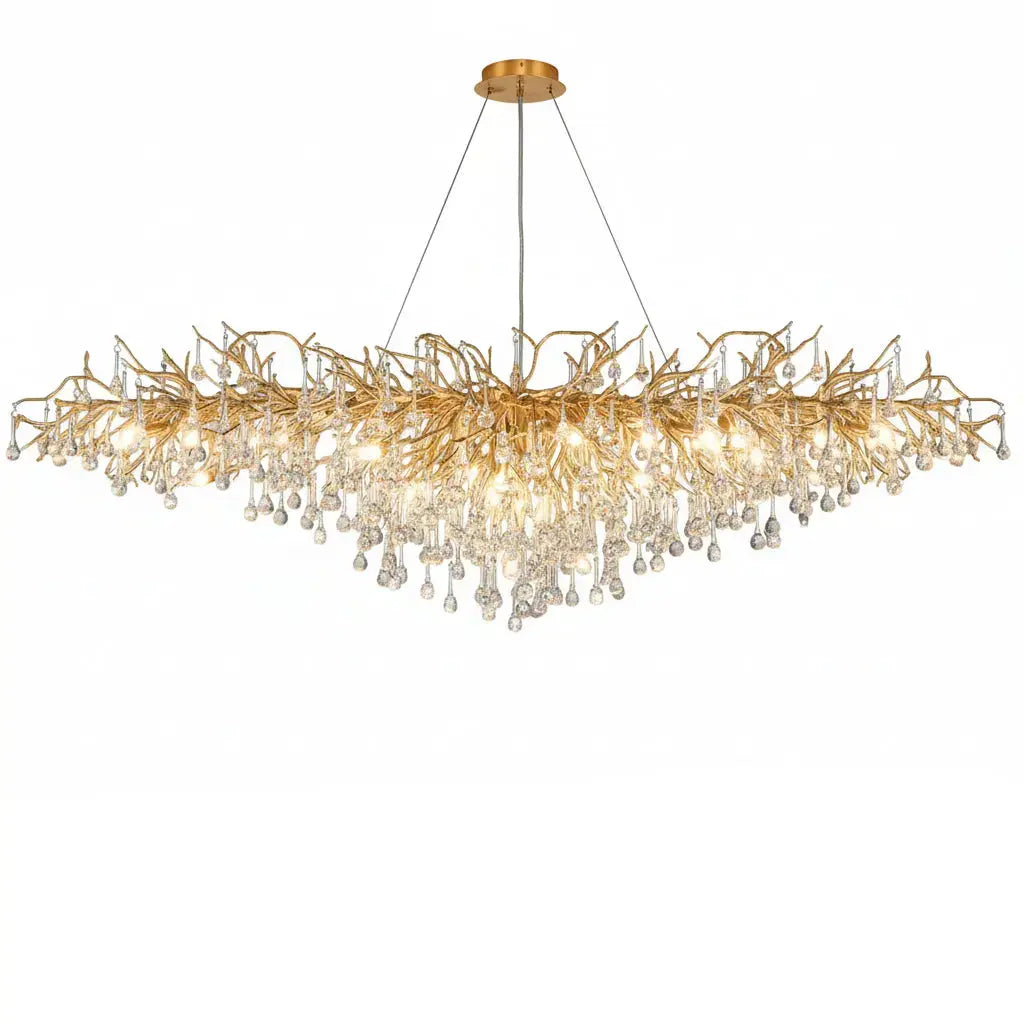
When you need more light or want to create a more elaborate visual, multi-light pendants are the way to go. These fixtures have several light sources, often arranged in a cluster or a linear fashion. They're fantastic for larger spaces like dining rooms or living areas where you need to cover more ground. You can play with different bulb heights and styles within the same fixture, adding a dynamic element. It’s like having a mini art installation hanging from your ceiling. These can really fill a large room and provide a substantial amount of light, making them both functional and decorative.
Abstract Designs As Art
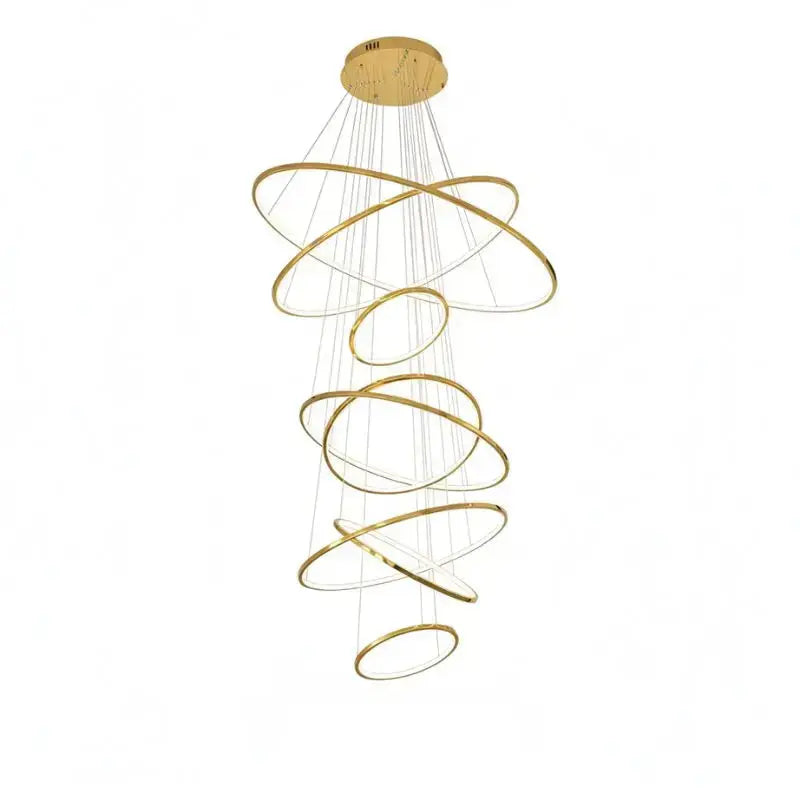
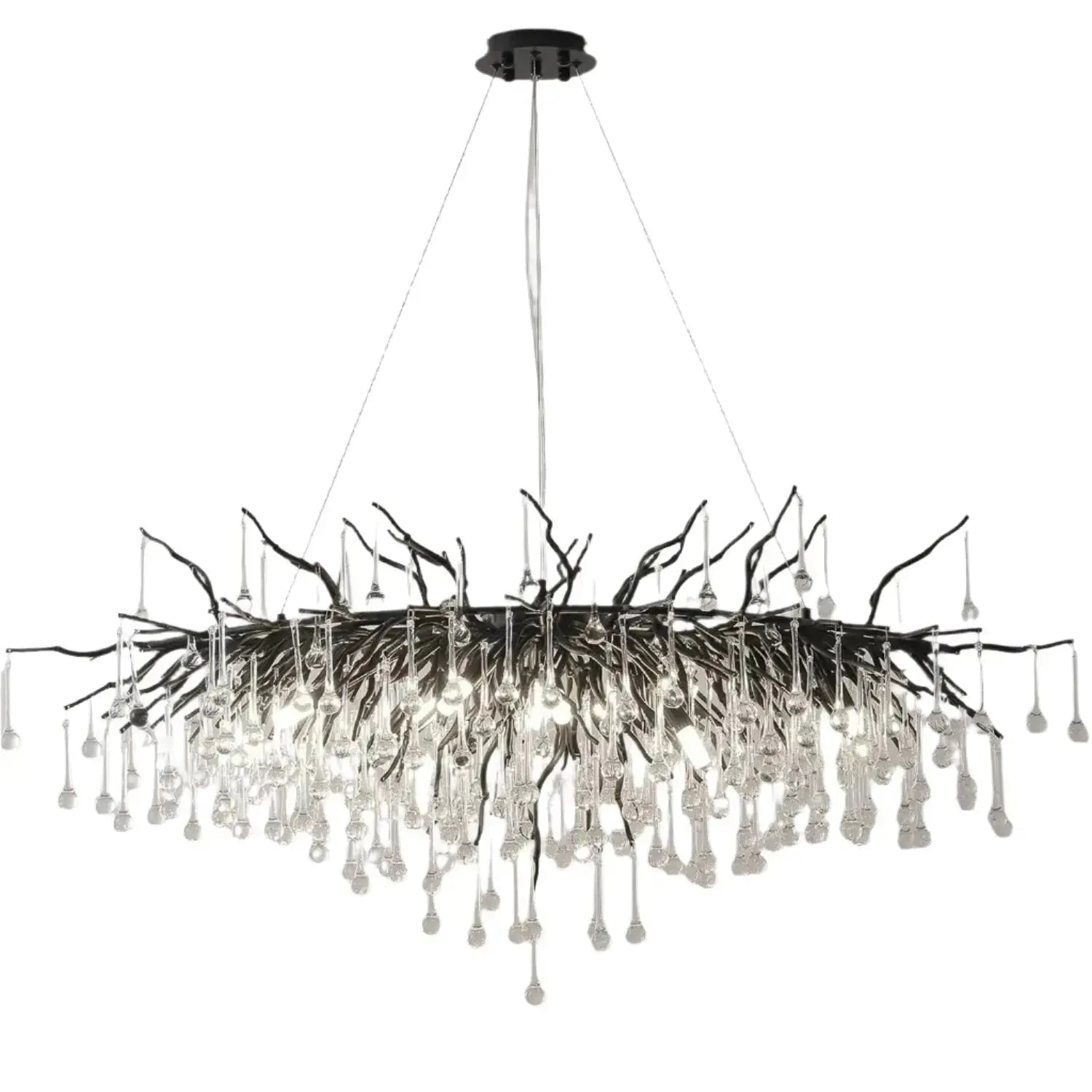
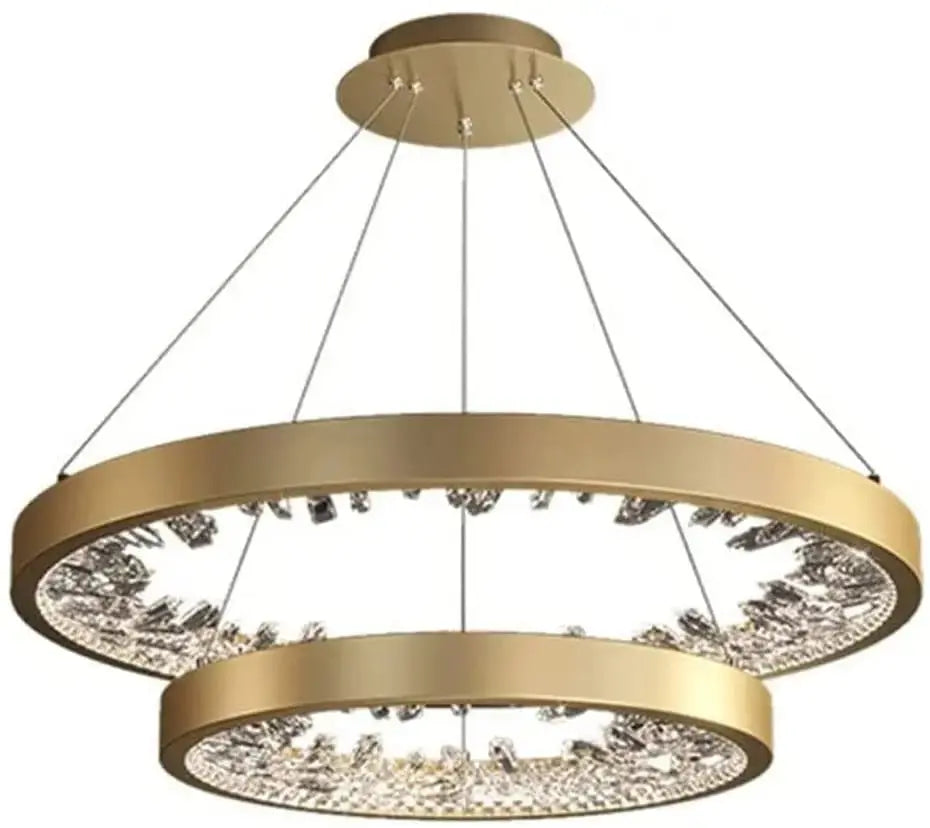
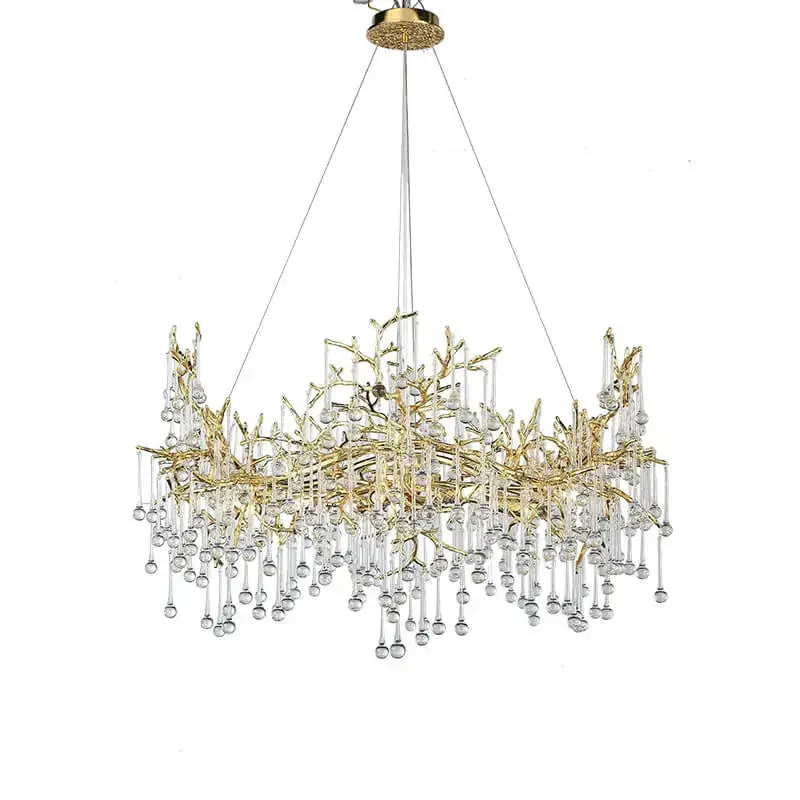
For those who want their lighting to be a true conversation starter, abstract pendants are the answer. These aren't your typical fixtures; they're often sculptural, made from unique materials, and designed to be visually striking. Think of them as functional art pieces. They can be made from hand-blown glass, intricate metalwork, or even unexpected combinations of materials. An abstract pendant can add a sophisticated, artistic touch to any room, turning a simple ceiling into a gallery. They're perfect for spaces where you want to express a strong personal style and create a memorable focal point. These designs often blur the lines between lighting and sculpture, offering a unique way to express creativity in your home.
Choosing The Right Bulb For Your Light Pendant
So, you've picked out the perfect pendant light fixture. Awesome! But wait, there's one more thing that really makes a difference: the bulb. It sounds simple, but the right bulb can totally change how your pendant looks and how the light feels in your room. It's not just about brightness; it's about setting a mood.
Energy-Efficient LED Choices
Let's talk about LEDs first because, honestly, they're the way to go these days. They use way less electricity than old-school bulbs, which is good for your wallet and the planet. Plus, they last ages, so you won't be up on a ladder changing bulbs all the time. You can find LEDs in all sorts of shapes and sizes, so you're bound to find one that fits your fixture. Many modern fixtures are designed with LEDs in mind, but you can often swap out older bulbs for energy-saving ones. It's a small change that makes a big impact.
Color Temperature For Mood
This is where things get interesting. Bulb color temperature is measured in Kelvin (K), and it basically tells you if the light will be warm and cozy or cool and crisp. For living rooms or bedrooms, you probably want something warm, around 2700K to 3000K. This gives off a soft, yellowish glow that feels really inviting. If you need a pendant for a workspace or kitchen where you're doing tasks, a cooler temperature, like 4000K, might be better. It's a whiter light that can help you focus. It's all about matching the light to the room's purpose.
| Color Temperature (Kelvin) | Description |
|---|---|
| 2700K - 3000K | Warm White |
| 3500K - 4000K | Cool White |
| 5000K - 6500K | Daylight |
Dimmable Options For Versatility
Want to change the vibe in your room with just a flick of a switch? Dimmable bulbs are your best friend. You can go from bright and functional for when you're cooking or reading to a soft, low light for movie night or a quiet evening. This flexibility means one pendant can serve multiple purposes throughout the day. Just make sure your light fixture and switch are compatible with dimmable bulbs. It adds a whole new layer of control to your home's lighting, making it super adaptable to whatever you're doing.
Choosing the right bulb isn't just a technical detail; it's a design choice. Think about how you use each room and what kind of atmosphere you want to create. The bulb is the final touch that brings your pendant light to life and truly shapes the feel of your space.
Bringing It All Together
So, picking out the right pendant light might seem like a big deal, but really, it's all about finding that sweet spot between how it looks and how it works. We've talked about making sure it fits the room, whether it's a kitchen island needing good light for chopping veggies or a living room wanting a cozy vibe. Don't forget about the size – a tiny light in a huge room just looks lost, and a giant one can make a small space feel cramped. It’s about finding that balance. Think about the materials, too; they really change the feel of a place. In the end, the right pendant light does more than just light up a room; it adds personality and makes your home feel more like you. It’s a simple change that can make a big difference.
Frequently Asked Questions
Where should I hang pendant lights in my kitchen?
For kitchen islands or counters, hang pendants about 30 to 36 inches above the surface. This way, they give you good light for working and look nice without being in the way.
How do I pick the right size pendant for my dining table?
Think about the size of your table. A good rule is that the pendant should be about half to two-thirds the width of your table. Also, make sure it's hung about 30-36 inches above the table so people can see each other.
Can pendant lights work in a living room?
Yes! In a living room, pendant lights can add style and a soft glow. If you have high ceilings, a bigger pendant can make a statement. For lower ceilings, a medium-sized one keeps things balanced. You can also mix them with other lights like lamps.
What materials are popular for pendant lights?
Many materials look great! Sleek metals like brushed nickel or black are modern. Glass, especially hand-blown glass, adds an artistic touch. Fabric shades can give off a softer, warmer light.
What's the difference between single and multi-light pendants?
A single pendant is one light fixture, good for smaller areas or focused light. Multi-light pendants have several lights in one fixture, great for lighting up bigger spaces or creating a more dramatic look.
What kind of light bulbs should I use in my pendant lights?
LED bulbs are a smart choice because they save energy and last a long time. You can get them in different colors of light, like warm white for a cozy feel or bright white for working. Dimmable bulbs are also great for changing the mood.