Thinking about putting in some recessed lights, huh? They're pretty popular because they look clean and you can put them pretty much anywhere. But honestly, picking the right ones can feel like a puzzle. You've got different types, sizes, and all sorts of bulbs and trims to think about. It’s easy to get lost in all the options, but don't sweat it. We're going to break down how to choose the best can lights recessed for your place, so you can get that perfect lighting without all the headache.
Key Takeaways
- Figure out if you want canless lights, which are all-in-one LED units, or traditional canned lights where you can swap out bulbs. Canless are simpler, but canned lights give you more bulb choice.
- Size matters a lot. Bigger rooms and higher ceilings usually need larger or more lights. Think about what you'll use the light for – general room light, or focused light for tasks like reading or cooking.
- LED bulbs are generally the way to go for recessed lighting. They save energy, last a long time, and come in different colors to set the mood.
- The trim is the visible part of the light. Baffle trims soften light for general use, reflector trims focus light, and adjustable trims let you point the light where you need it.
- Don't forget about energy use. LEDs are efficient, and picking the right size light for the job means you won't waste power. Some kits can even help reduce electricity costs.
Understanding Can Lights Recessed Types
Recessed lights, often called can lights or downlights, are a popular choice for their clean look and how they blend right into the ceiling. They're not just for new builds either; you can install them in existing ceilings too. But before you pick any old fixture, it's good to know there are a couple of main types to consider: the traditional canned light and the newer canless option.
Canless Recessed Lighting Explained
Canless recessed lights are pretty neat. They're basically a single unit with integrated LED lights, meaning no separate bulb to screw in. This design is super slim and connects right to your home's wiring. Because the LEDs are built-in, if something goes wrong, you usually replace the whole fixture, but don't worry too much – LEDs last a really long time and tend to dim gradually rather than just burning out. They don't need that bulky housing or electrical box that traditional cans do, making them a low-profile choice that fits well with modern decor. They're a great way to add brightness without taking up visual space.
The Traditional Canned Recessed Light
These are what most people picture when they think of recessed lighting. They get their name from the can-shaped housing that sits above the ceiling. This housing is where the trim and the light bulb go. A big plus with canned lights is the flexibility you have with bulbs. You can pick your own screw-in bulbs, which means you can swap them out whenever you want to change the brightness, color, or type of light. This makes them adaptable if your lighting needs change over time. You can find these in different ratings, like IC-rated for direct contact with insulation or airtight versions to help with energy efficiency.
Choosing Between Canless and Canned
So, which one is right for you? It really depends on your project and what you're going for. Canless lights offer a sleek, modern look and are often simpler to install in certain situations because they're all-in-one. They're a good pick if you want that minimalist vibe and don't want to fuss with separate bulbs. On the other hand, traditional canned lights give you more control over the light source itself. If you like being able to choose specific bulbs or might want to change them later, a canned fixture might be better. Both types can provide excellent illumination, but the choice often comes down to aesthetics and the level of customization you desire for your home lighting.
Here's a quick rundown:
- Canless: Integrated LEDs, slim profile, modern look, less bulb choice.
- Canned: Requires housing, uses standard bulbs, more bulb flexibility, traditional look.
When deciding, think about the overall style of your room and how much control you want over the light bulb itself. Both have their place in creating the perfect lighting scheme.
Selecting The Right Size For Your Recessed Lighting
So, you've decided on recessed lighting, which is a smart move for a clean, modern look. But before you start drilling holes, let's talk about size. It might seem like a small detail, but picking the right size for your can lights can really change how a room feels and functions. It's not just about how much light you get, but also how that light spreads and how the fixtures look in your ceiling.
How To Measure For Recessed Lights
First things first, you need to know what you're working with. When we talk about the size of a recessed light, we're usually talking about the diameter of the hole cut into your ceiling, not the visible trim ring. If you're replacing old lights, carefully remove the trim and measure the opening. If you're installing new ones, check your building plans or ask your contractor for the specified cutout size. It's usually a whole number, like 4 inches or 6 inches. Keep a tape measure handy!
Room Size And Ceiling Height Considerations
This is where things get a bit more strategic. Think about the room you're lighting. A big, open living room with a high, vaulted ceiling is going to need different lights than a small bathroom or a cozy bedroom. For larger spaces and taller ceilings, you'll generally want larger fixtures or more of them to ensure the light reaches everywhere it needs to. Trying to light a huge room with tiny lights is just going to leave you with dark corners. On the flip side, putting massive lights in a small room can make it feel cramped and overwhelming.
Here's a general idea:
- Small Rooms (e.g., bathrooms, hallways, small bedrooms): 3-inch or 4-inch lights often do the trick for general lighting.
- Medium Rooms (e.g., living rooms, kitchens, larger bedrooms): 4-inch or 5-inch lights are common.
- Large Rooms (e.g., great rooms, large kitchens): 5-inch or 6-inch lights might be necessary, or a greater number of smaller fixtures.
Matching Size To Lighting Purpose
Beyond just the room's dimensions, think about why you need light in that specific spot. Are you trying to illuminate a whole room, or do you need focused light for a specific task?
- General Illumination (Ambient Lighting): For lighting up an entire space evenly, you'll want fixtures that spread light out. Larger fixtures (4-inch and up) are often good for this, placed strategically.
- Task Lighting: If you need bright light for activities like cooking, reading, or working at a desk, smaller fixtures (3-inch to 4-inch) with directional trims can be perfect. They concentrate the light right where you need it.
- Accent Lighting: To highlight artwork, architectural features, or plants, you'll use smaller fixtures (3-inch to 4-inch) with adjustable trims so you can aim the light precisely.
Choosing the right size isn't just about filling a hole in the ceiling. It's about controlling the light, making sure it serves its purpose without being too much or too little. It's a balance between how the fixture looks and how it performs.
Remember, these are just starting points. Sometimes, using a mix of sizes can be the best approach. For instance, you might use larger lights for general brightness in a kitchen and then smaller, focused lights over the countertops.
Optimizing Light Quality With Bulb Choices
When you're picking out recessed lights, the bulb is a big deal. It's not just about how bright the light is, but also the kind of light it gives off. This can really change how a room feels, so it's worth spending some time on.
The Benefits Of LED Recessed Lighting
Let's talk LEDs. Seriously, they're pretty much the standard now for a reason. For starters, they use way less electricity than older bulbs like incandescents or even halogens. That means lower energy bills, which is always a win. Plus, they last a really, really long time. We're talking years, not months. This means you won't be up on a ladder changing bulbs all the time. They also don't get as hot as other types, which is a nice safety bonus, especially if you have them in a space where heat could be an issue. It's a smart choice for your wallet and for the planet.
Understanding Color Temperature
Color temperature is all about the 'warmth' or 'coolness' of the light. It's measured in Kelvin (K). Think of it like this: lower Kelvin numbers mean warmer, more yellowish light, like a cozy sunset. Higher numbers mean cooler, bluer light, like a bright, crisp day.
Here's a quick rundown:
- Warm White (2700K - 3000K): Great for living rooms, bedrooms, and hallways. It creates a relaxed, inviting atmosphere.
- Bright White (3500K - 4000K): Good for kitchens, bathrooms, and workspaces where you need clear visibility for tasks.
- Daylight (5000K+): Mimics natural daylight. Best for areas where you need to see fine details, like a home office or a craft room, though some find it too stark for general living spaces.
Choosing the right color temperature can make a huge difference in how a room feels. A warm light can make a space feel more comfortable and cozy, while a cooler light can make it feel more alert and productive. It's all about matching the light to the room's purpose.
Lumens, Wattage, And Beam Spread
Beyond color temperature, you'll see terms like lumens and wattage. Wattage used to be the main way we measured brightness, but with LEDs, it's not as straightforward. Lumens are a better indicator of brightness – the higher the lumen count, the brighter the light. For general lighting, you might need around 10-20 lumens per square foot. If you're lighting a kitchen or a workspace where you do tasks, you'll want more, maybe 70 lumens per square foot.
Beam spread refers to how wide the light shines. Some recessed lights have a narrow beam, good for accent lighting, while others have a wide beam, perfect for general illumination. You can often find smart lighting solutions that let you adjust brightness and even color temperature, giving you a lot of flexibility.
Tailoring Recessed Lighting For Each Room
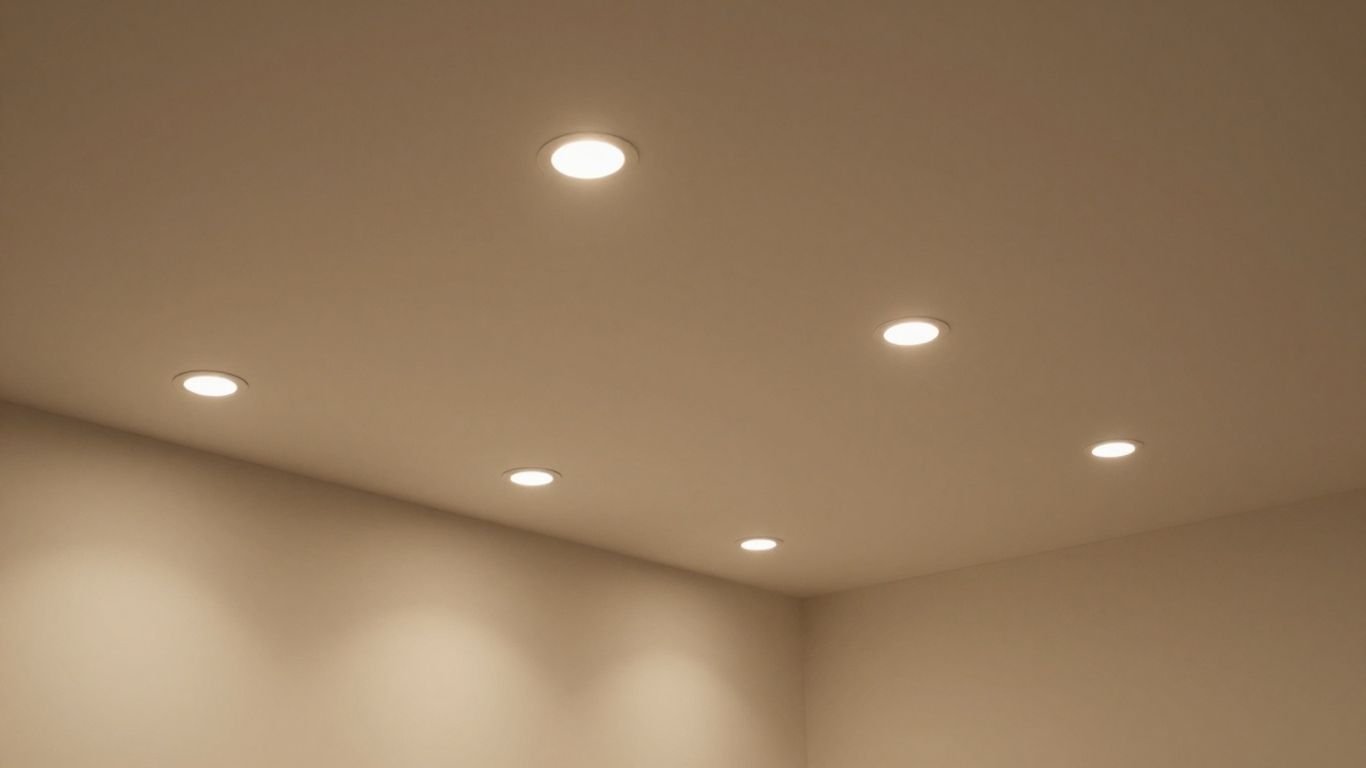
Lighting isn't just about making a room bright; it's about setting a mood and making a space feel just right. You really want to think about what each room is used for and pick your lights accordingly. It's how you bring personality into your home without a lot of fuss. While you could just put the same lights everywhere, it's usually better to give each room its own special lighting treatment.
Kitchen Recessed Lighting Strategies
In the kitchen, lighting needs to be practical. You need good, clear light for cooking and prepping food. For general lighting, 4-inch or 5-inch fixtures are a solid choice. When lighting countertops or work areas, using reflector trims is a smart move because they focus the light right where you need it, cutting down on shadows. This is especially helpful for tasks like chopping vegetables or reading recipes. Make sure any lights over the sink or shower area in an adjacent bathroom are rated for wet locations.
Creating Ambiance In Living Rooms
Living rooms are all about comfort and relaxation, so the lighting should reflect that. You'll want a mix of general illumination and softer, more ambient light. Larger fixtures, like 5-inch or 6-inch ones, can provide good overall light. For accent lighting, maybe to highlight artwork or a bookshelf, smaller 3-inch or 4-inch fixtures with adjustable trims are perfect. This lets you direct the light precisely where you want it, creating a cozy atmosphere. If you have low ceilings, consider how smart lighting solutions can help make the space feel more open.
Bathroom Recessed Lighting Essentials
Bathrooms need a balance of bright task lighting and softer ambient light. Around the vanity, you want clear light for grooming, so 4-inch fixtures are common. Crucially, any recessed lights installed in a bathroom, especially in or near the shower, must be rated for wet locations to prevent moisture damage and ensure safety. This is non-negotiable. For general illumination in a larger bathroom, you might use a few more fixtures spaced out. Remember to consider the color temperature of your bulbs here too; a cooler white can feel cleaner and more energizing for morning routines.
Enhancing Functionality With Trim Options
So, you've got your can lights picked out, but what about the part you actually see? That's where the trim comes in, and it's more than just looks. The trim is what directs the light and can really change how a room feels and functions. It's like the frame on a picture – it matters!
Baffle Trims For General Illumination
Baffle trims are probably the most common type you'll see, and for good reason. They have these ribbed or concentric rings inside the housing. What this does is help cut down on glare. Think of it like the shade on a lamp; it softens the light. This makes baffle trims fantastic for general lighting in places where you just need a good, even spread of light, like in hallways or living rooms. They give off a nice, diffused glow without being harsh.
Reflector Trims For Focused Light
Now, if you need light to do a specific job, like illuminating a kitchen counter while you're chopping veggies or highlighting a piece of art, a reflector trim is your go-to. These trims have a shiny, mirrored surface inside. This surface bounces the light outwards in a more concentrated beam. It's like a mini spotlight. You can get them in different finishes, too, so they can blend in or stand out depending on your style.
Adjustable Trims For Accent Lighting
Want to get a little more creative with your lighting? Adjustable trims are where it's at. These are the ones that let you tilt and turn the light source. You might have heard them called eyeball or gimbal trims. They're perfect for accent lighting. You can point them directly at a fireplace, a bookshelf, or even a textured wall to create some drama. It gives you a lot of control over where the light goes, which is great for drawing attention to specific features in your home.
Choosing the right trim can make a big difference in how your recessed lights perform. It's not just about the housing or the bulb; the trim is the visible part that shapes the light. Think about what you want the light to do in each area before you pick your trim style. A little attention here goes a long way in making your home look and feel just right.
Energy Efficiency And Recessed Lighting
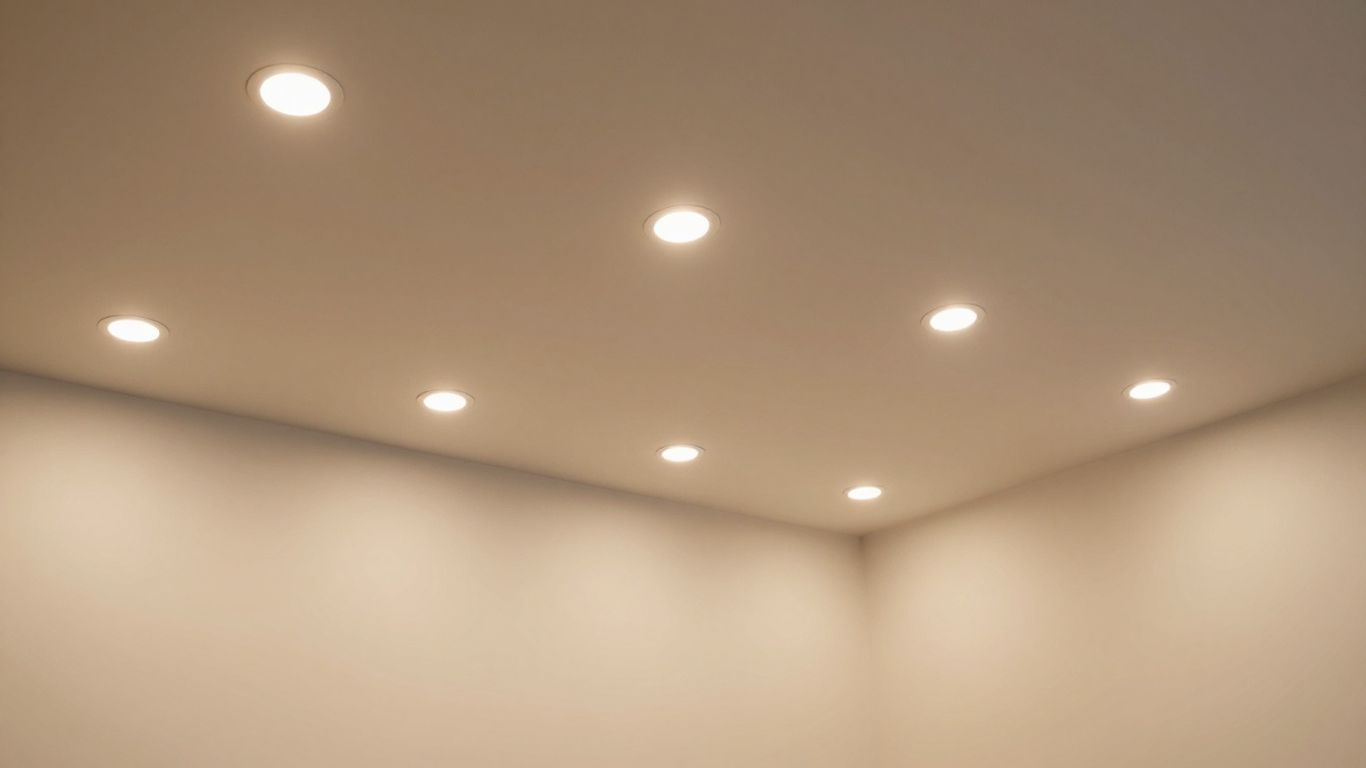
When you're thinking about putting in recessed lights, it's smart to consider how much energy they'll use. This isn't just about saving a few bucks on your electricity bill, though that's a nice perk. It's also about making more sustainable choices for your home. The biggest win for energy efficiency comes from choosing the right type of bulbs.
The Energy Savings Of LED Bulbs
LEDs are pretty much the gold standard these days for a reason. Compared to older incandescent or even halogen bulbs, LEDs sip electricity. We're talking significantly less power for the same amount of light. Plus, they last way, way longer. This means fewer trips up a ladder to swap out burnt-out bulbs, which is a win in my book. It's a simple switch that makes a big difference over time.
Reducing Consumption With Proper Sizing
It's not just about the bulb type, though. How many lights you install and how big they are also plays a role. Putting in too many lights, or lights that are too powerful for the space, means you're using more energy than you need to. Think about the room size and what you'll be doing in there. For general lighting in a smaller room, you probably don't need the same number or wattage as you would for a large kitchen workspace. Getting the size right means you're not over-lighting and wasting energy. It's about finding that sweet spot where the room is well-lit without being blindingly bright or costing a fortune to run. For example, a 4-inch recessed light might be perfect for general illumination in a hallway, but you might opt for smaller 3-inch fixtures with a tighter beam spread for task lighting over a desk.
Considering Low-Voltage Kits
While LEDs are the main event for saving energy, you might also come across low-voltage recessed lighting kits. These kits use a transformer to step down the household voltage. They can be a bit more expensive upfront compared to standard line-voltage kits, but they can help reduce overall energy consumption. Some kits have the transformer built right in, while others require you to buy one separately. It's another option to look into if you're really focused on minimizing your home's energy footprint. You can find these kits alongside other recessed lighting options that can help you achieve a clean look.
Wrapping Up Your Recessed Lighting Project
So, picking out the right can lights for your place might seem like a small detail, but honestly, it makes a pretty big difference. We've gone over a bunch of stuff, from figuring out what size fits best to why LEDs are usually the way to go. Remember, think about what you'll actually be doing in each room – are you cooking a big meal, reading a book, or just chilling? That helps decide if you need a bright, focused light or something softer. Don't forget about things like wet-rated lights for bathrooms. It's not rocket science, but taking a little time to get it right means your home will look and feel so much better. If you're still scratching your head, there are always folks who can help you figure out the perfect setup. Happy lighting!
Frequently Asked Questions
What's the difference between canless and canned recessed lights?
Think of canned lights as having a built-in box, like a can, that holds the light fixture and wiring. Canless lights are simpler; they're a single unit that connects right to your wires without needing that extra box. Canless lights usually have the LEDs built-in, while canned lights let you swap out light bulbs.
How do I pick the right size recessed light for my room?
The size you need depends on your room. Bigger rooms and higher ceilings often need larger lights or more of them to light everything up well. For smaller spaces or lower ceilings, smaller lights work better so they don't feel too big. Also, think about what the light is for – general lighting might need bigger lights, while task lighting for a desk might use smaller ones.
Are LED recessed lights really better?
Yes, LEDs are usually the top choice! They use much less electricity than older bulbs, which saves you money on your power bill. Plus, they last a really long time, so you won't be changing bulbs all the time. They also come in different shades of white to create the mood you want.
What kind of light color should I use in my living room?
For living rooms, most people like a warm, cozy feel. Look for LED bulbs with a 'warm white' color temperature. This makes the room feel inviting. If you want to highlight artwork or create a specific mood, you might use different types of lights or dimmers.
What are the different trim options for recessed lights, and what do they do?
The trim is the part you see around the light. Baffle trims are good for general lighting because they reduce glare and spread light evenly. Reflector trims focus the light in a more specific direction, great for lighting up a countertop. Adjustable trims let you point the light exactly where you want it, perfect for highlighting art.
How can recessed lighting help save energy?
Recessed lighting, especially when using LED bulbs, is very energy-efficient. LEDs use way less power than old-fashioned bulbs and last much longer. Choosing the right size light for each area also helps, so you're not using more energy than you need. Some special kits can even help reduce voltage and save more energy.