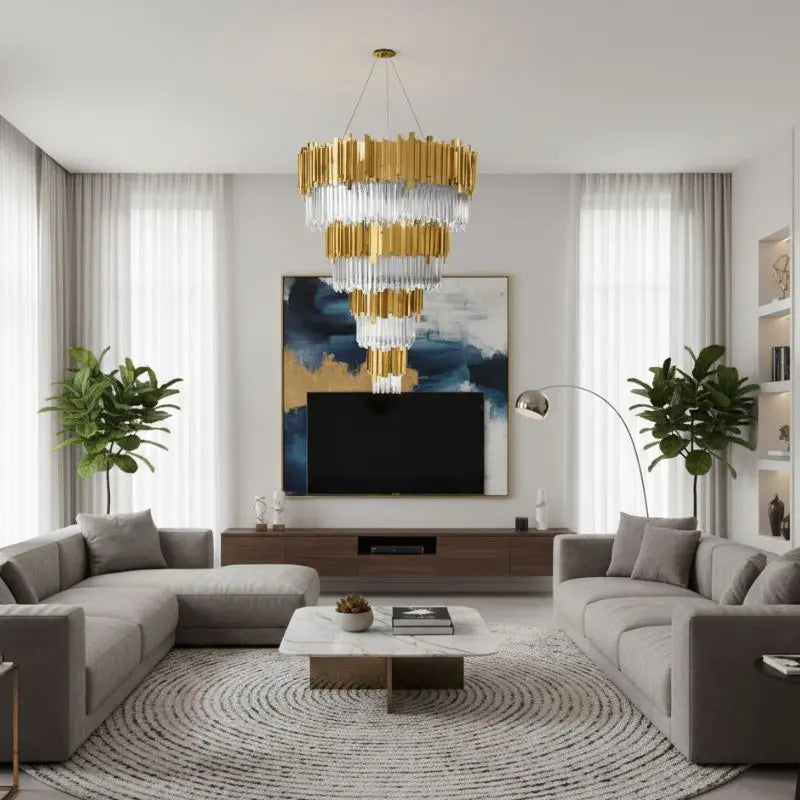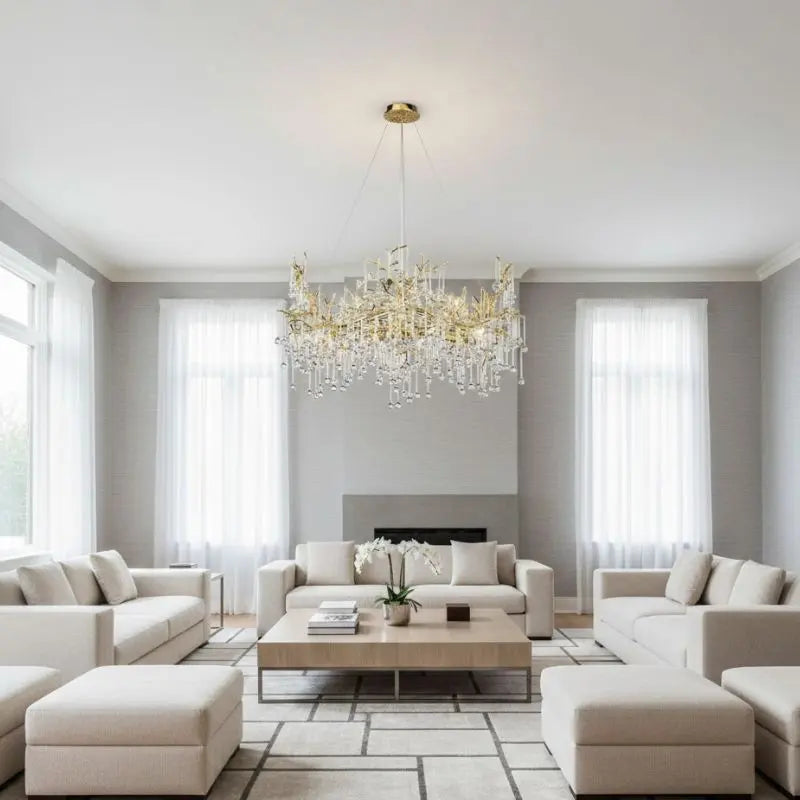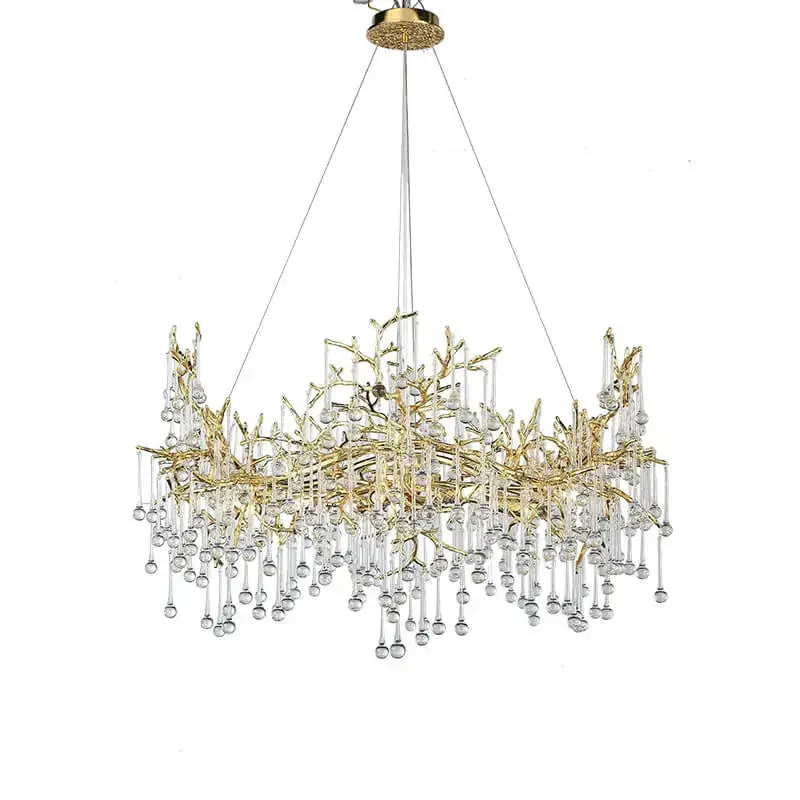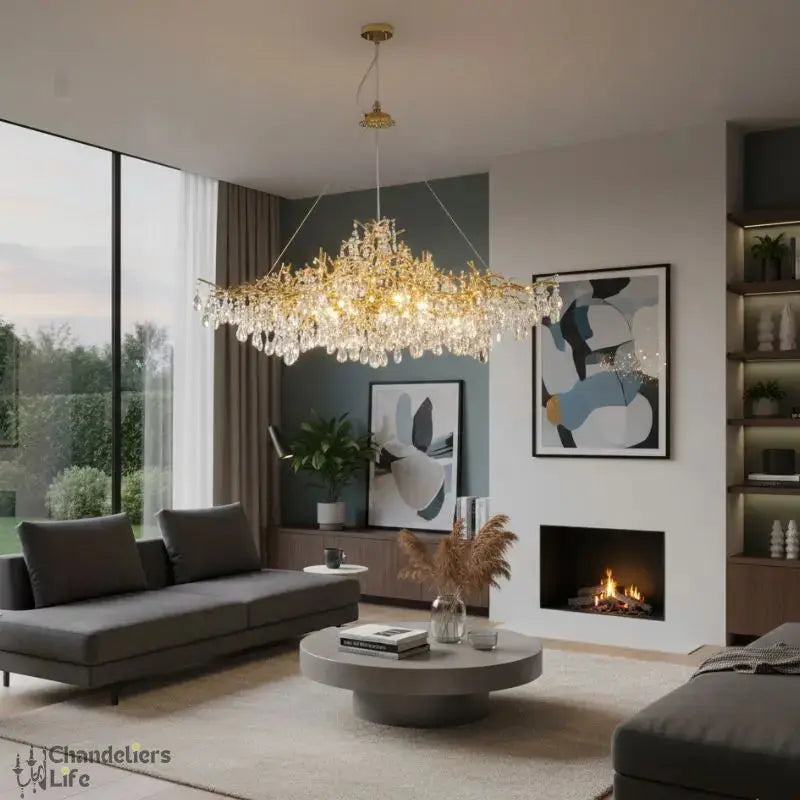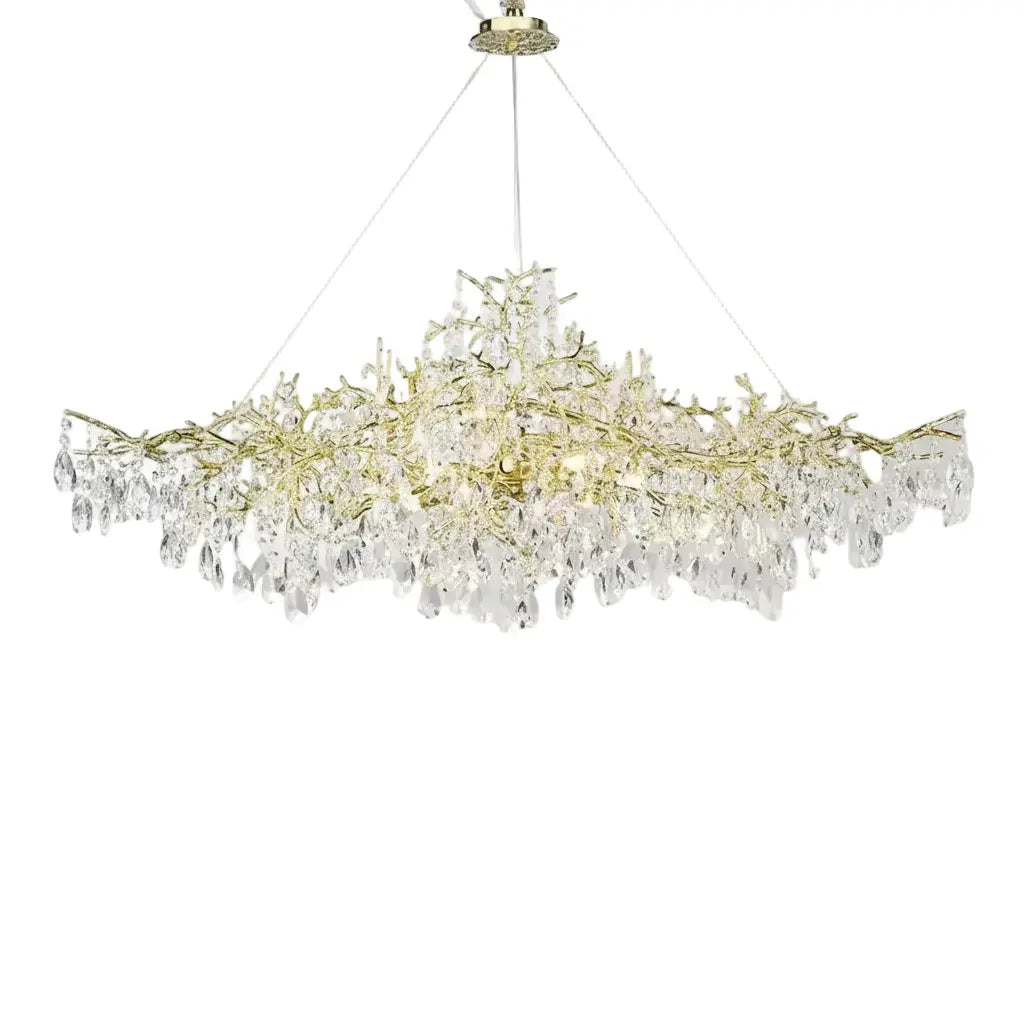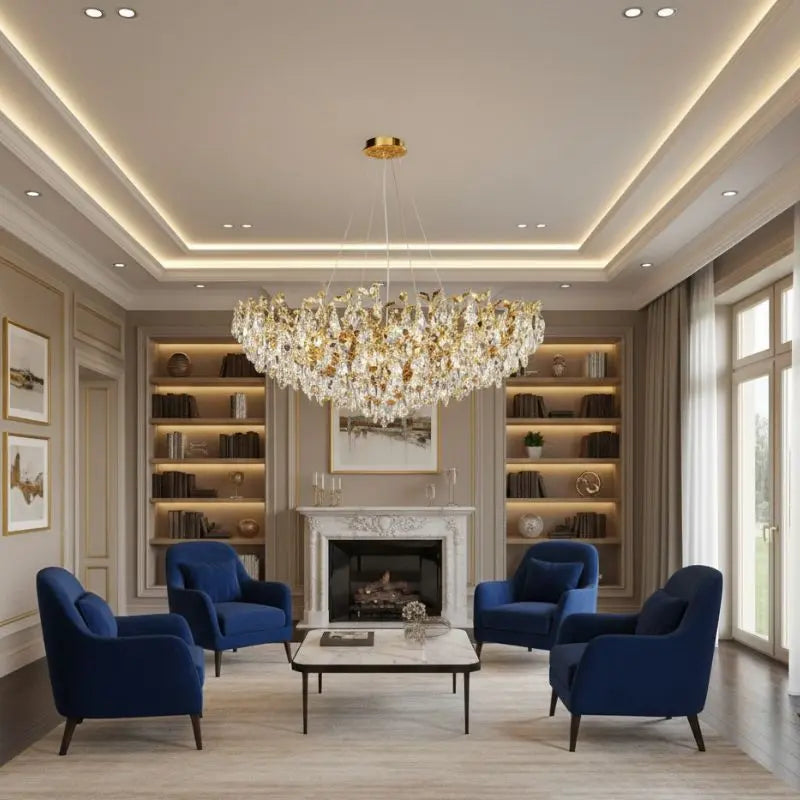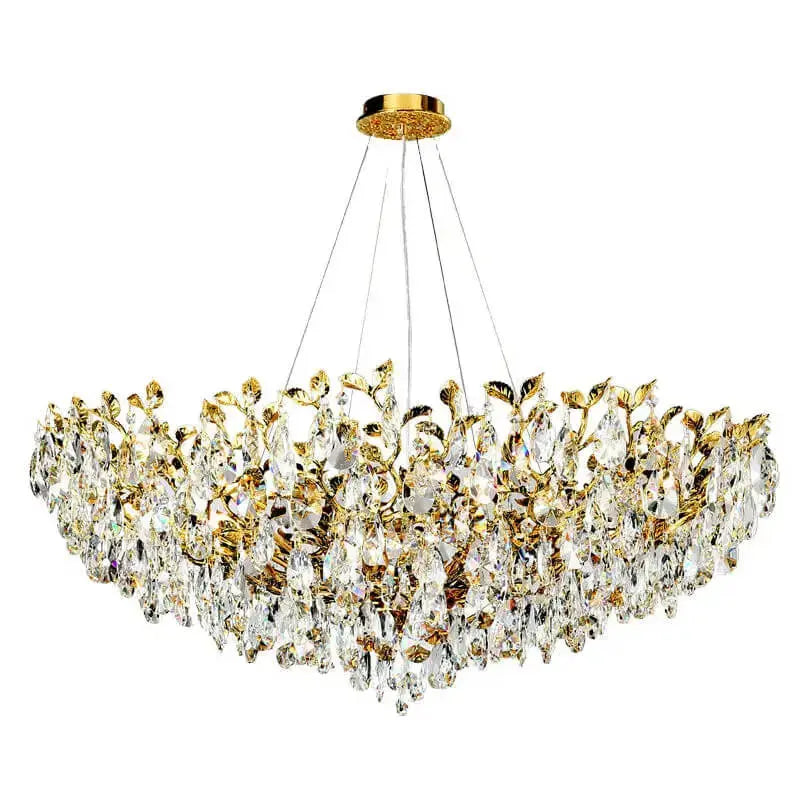
A ceiling light is often the first design decision a room makes for you. Before anyone notices the sofa fabric, the marble worktop or the art on the wall, they register the glow above. This ceiling fixture buying guide will help you choose a piece with the right proportions, illumination and presence - whether you want a quiet finishing touch or an exquisite focal point.
The best choice is rarely about choosing the largest chandelier or the brightest bulb. It is about giving a room the level of drama it can hold, then ensuring the fixture performs beautifully every day.
Start with the room's purpose
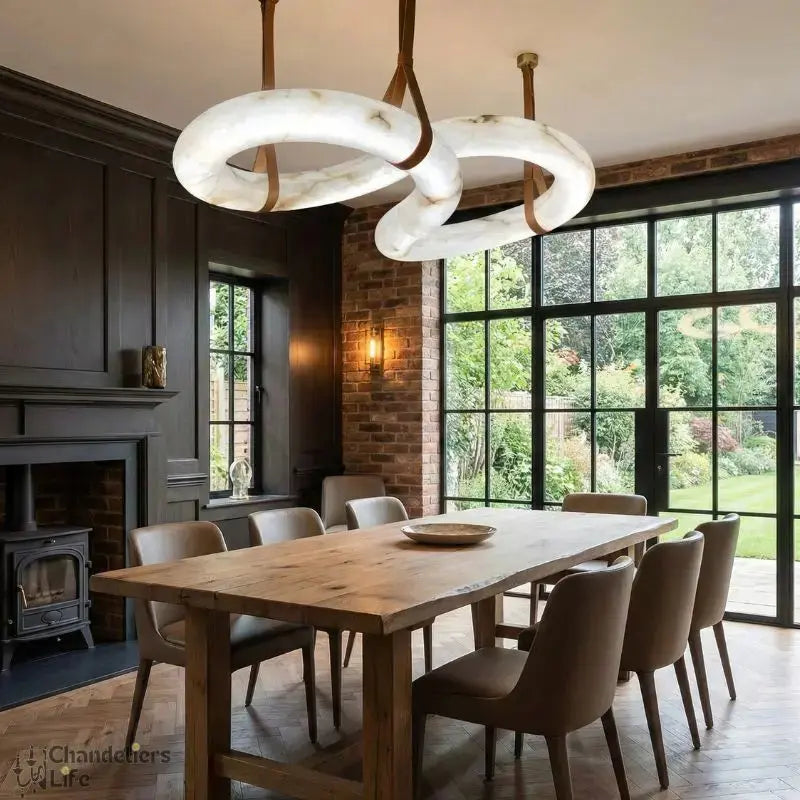
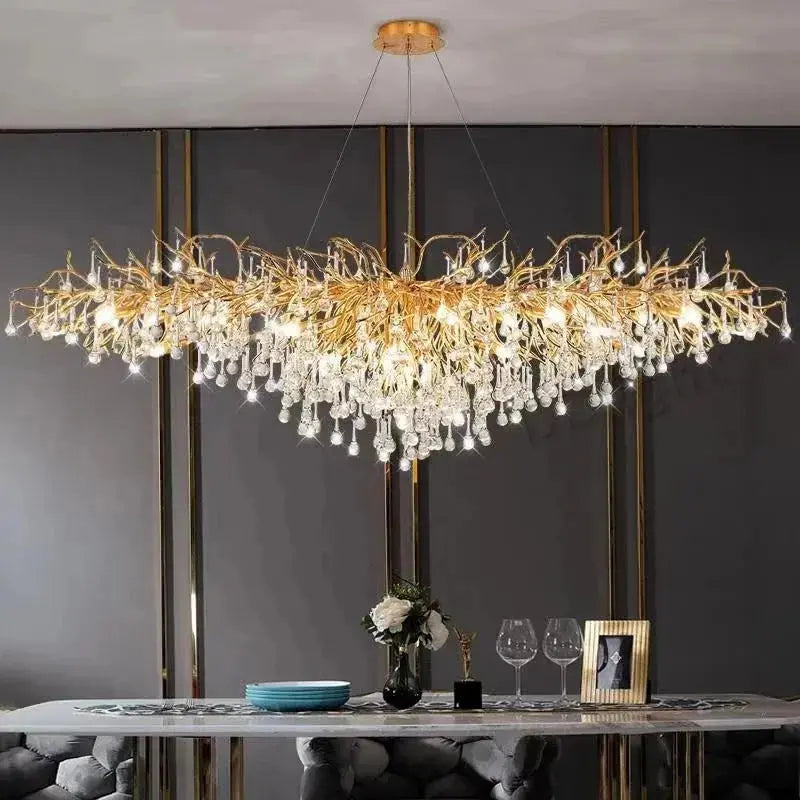
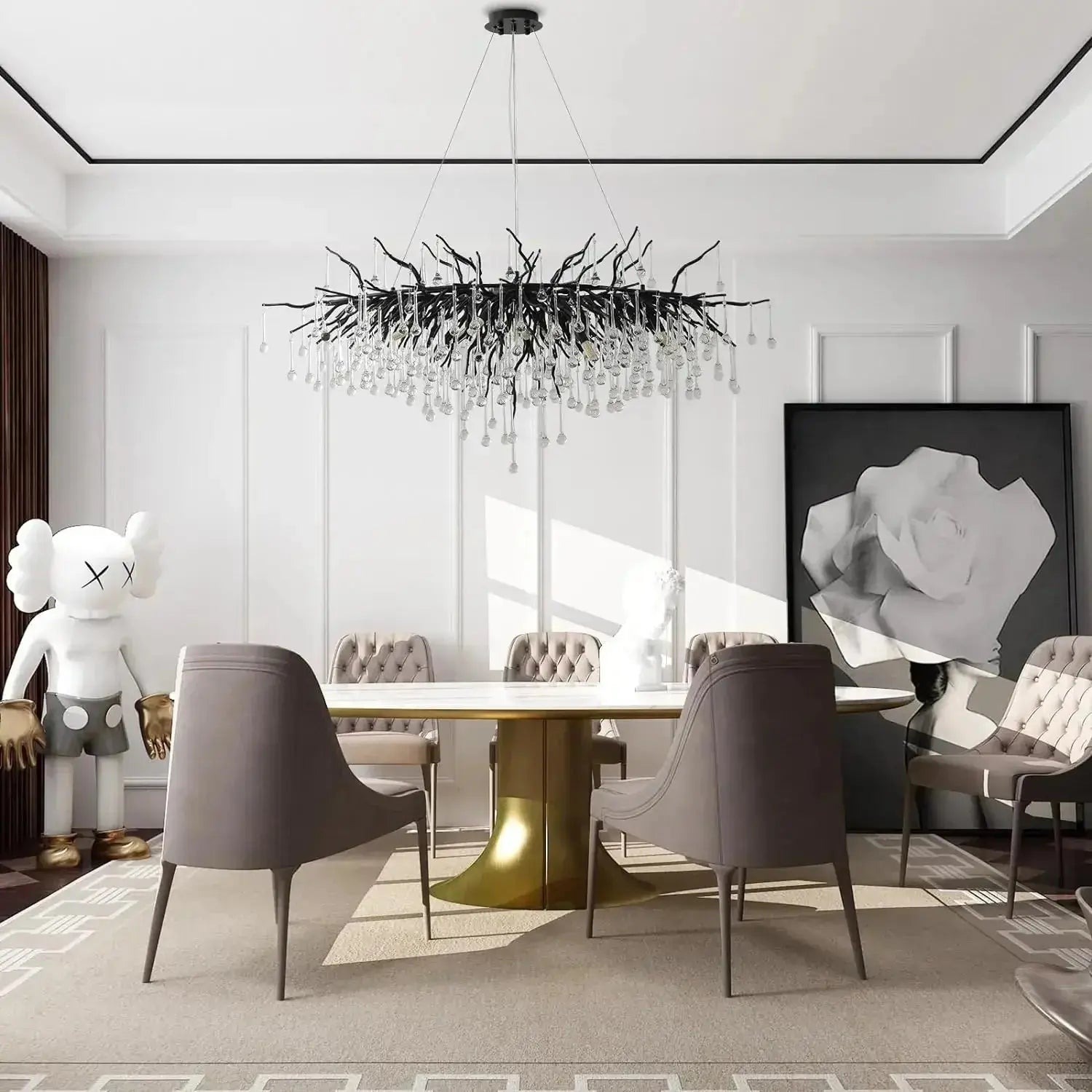
A decorative ceiling fixture should support the way a space is used. In a dining room, lighting is part of the occasion: it frames the table, flatters the room and makes evening meals feel more considered. A chandelier or linear pendant can take centre stage here, as long as it is positioned over the table rather than merely centred in the ceiling.
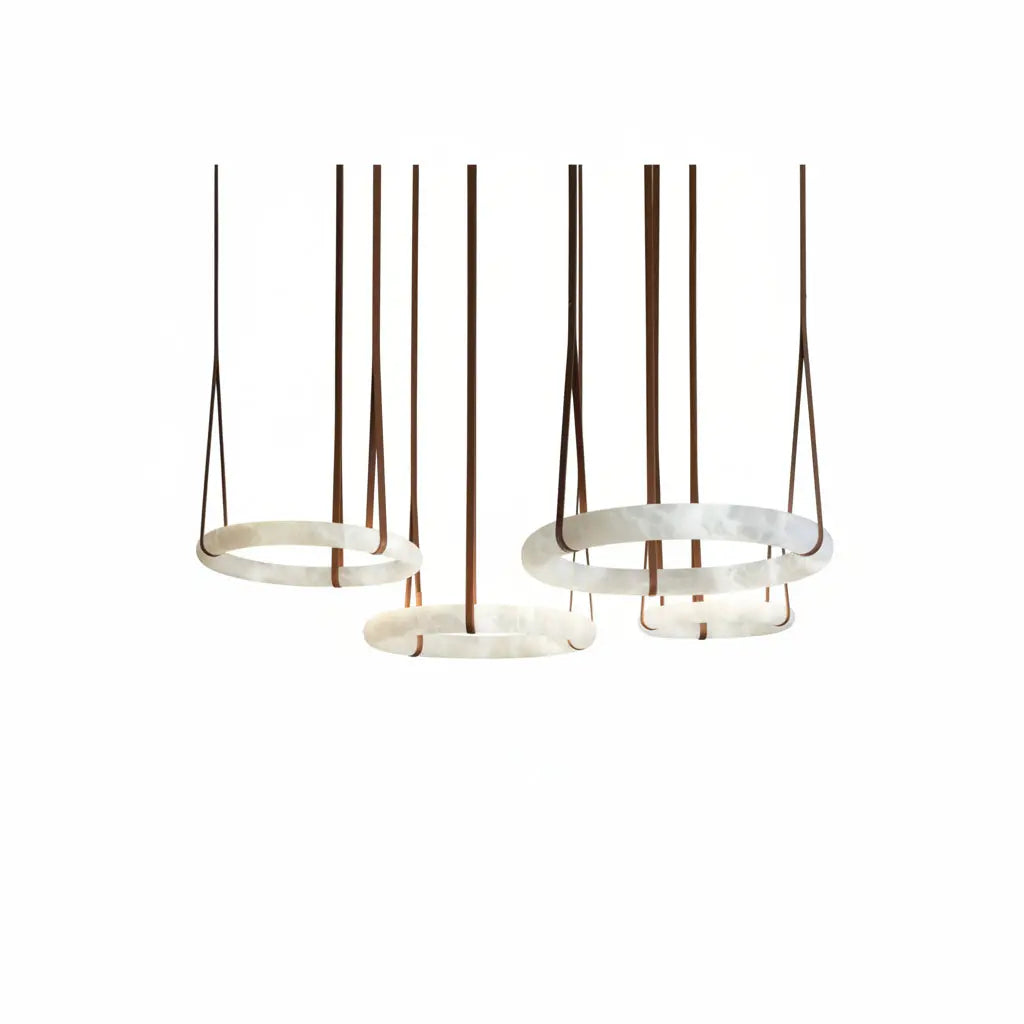
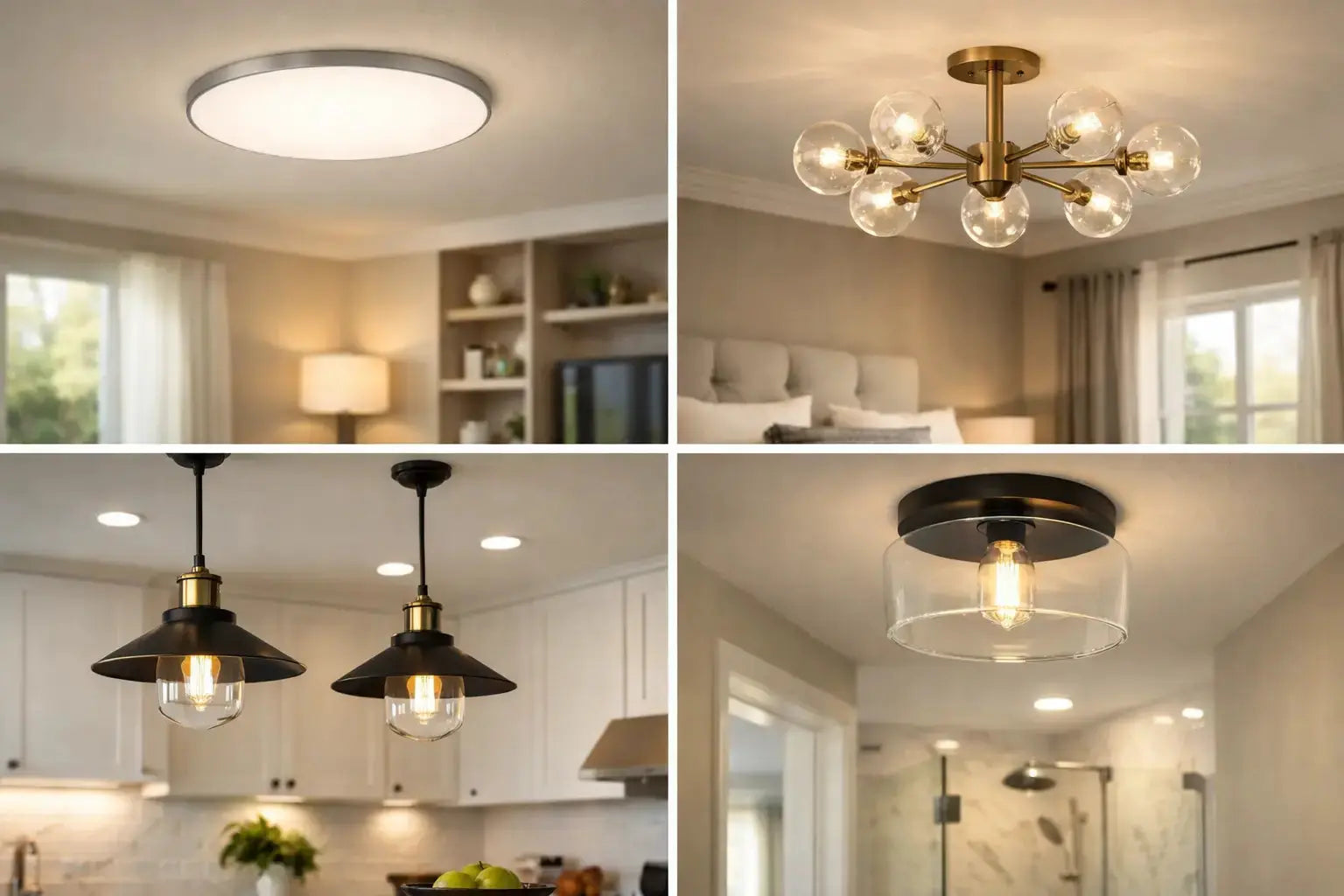
In a kitchen, the practical demands are greater. Recessed lighting, under-cabinet lighting or other task layers may do much of the work, while pendants over an island add character and focused light. Choose shades that do not obstruct sightlines across the room, particularly in an open-plan kitchen where the fixture is visible from several angles.
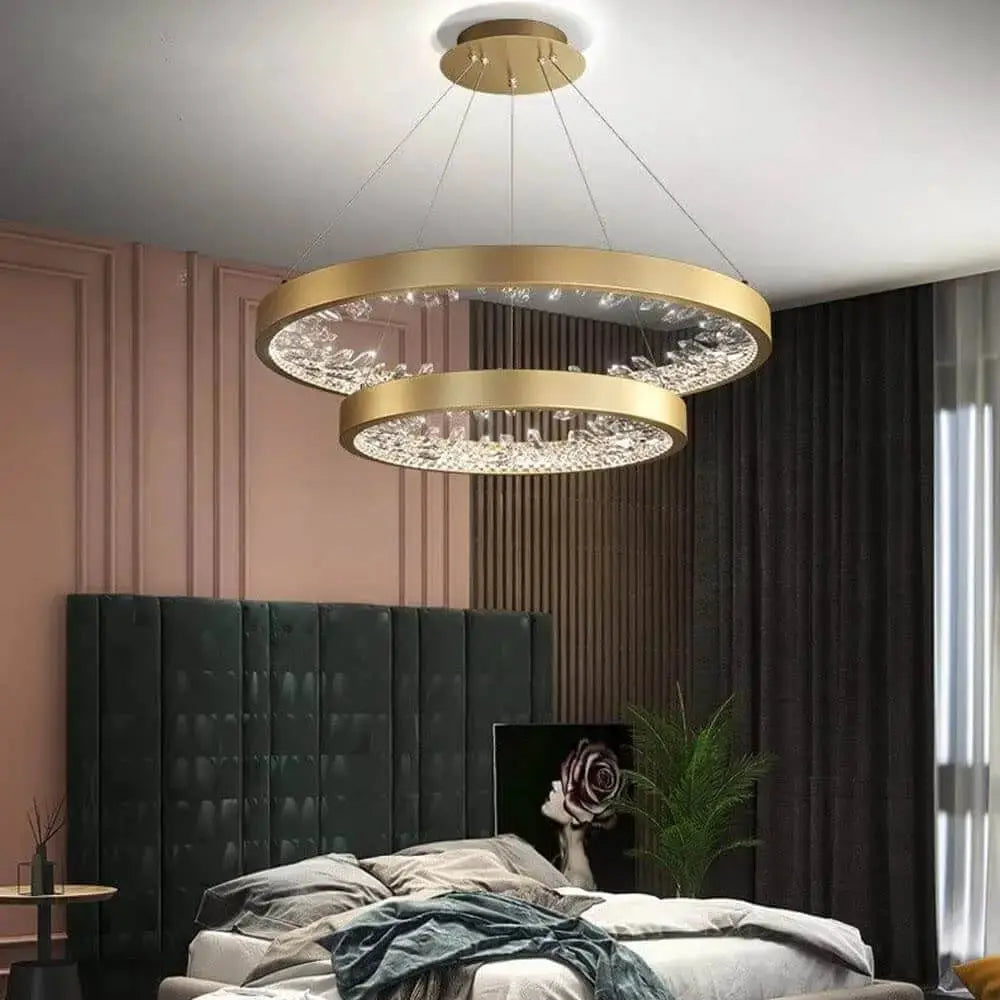
Bedrooms call for a softer approach. A semi-flush ceiling light, sculptural pendant or compact chandelier can bring a polished, restful mood without feeling overly formal. For bathrooms, always select a fitting with the appropriate IP rating for its location and ask a qualified electrician to advise on placement.
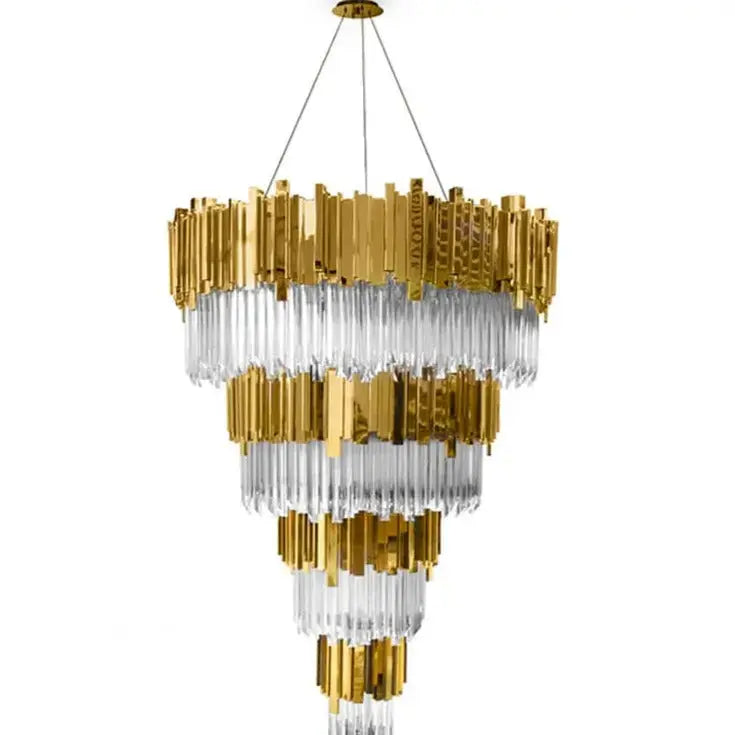
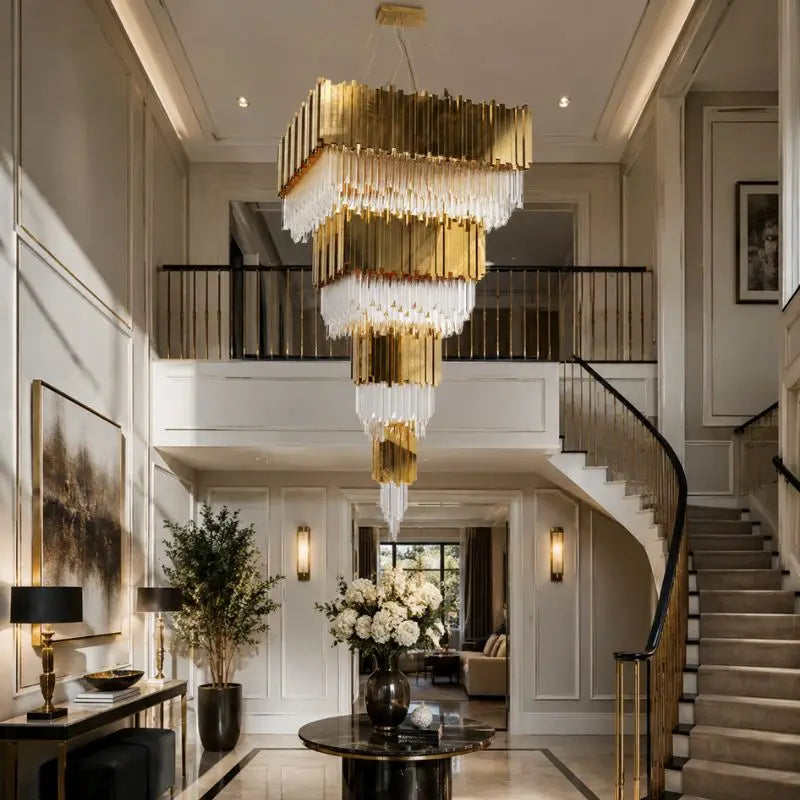
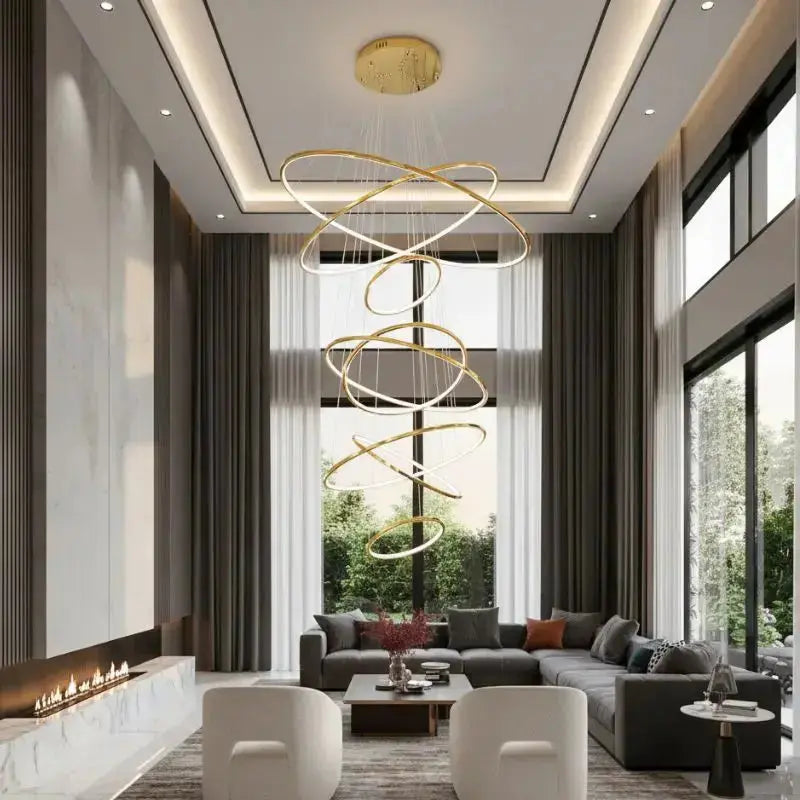
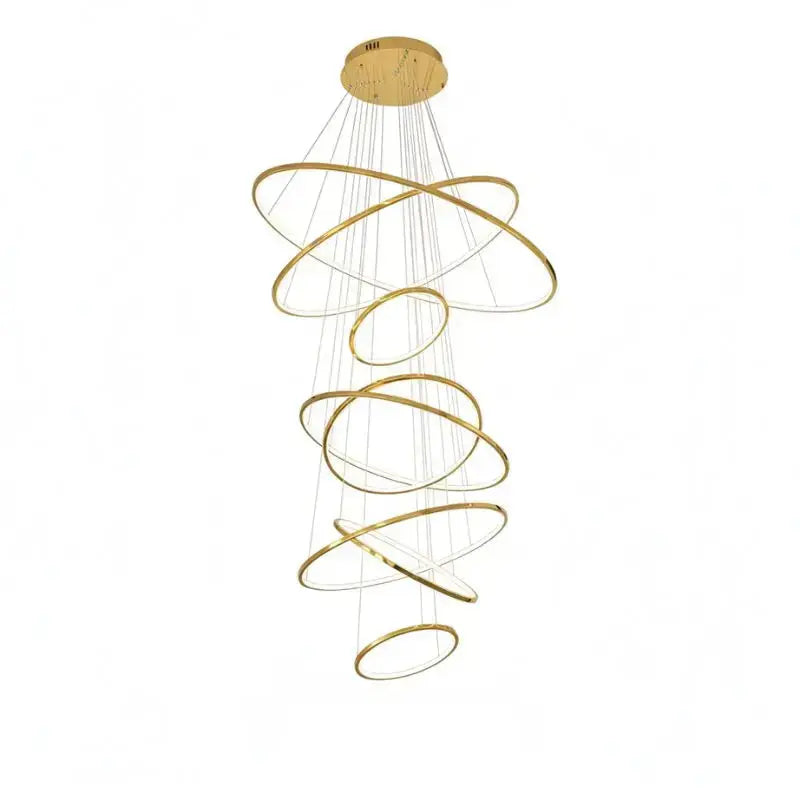
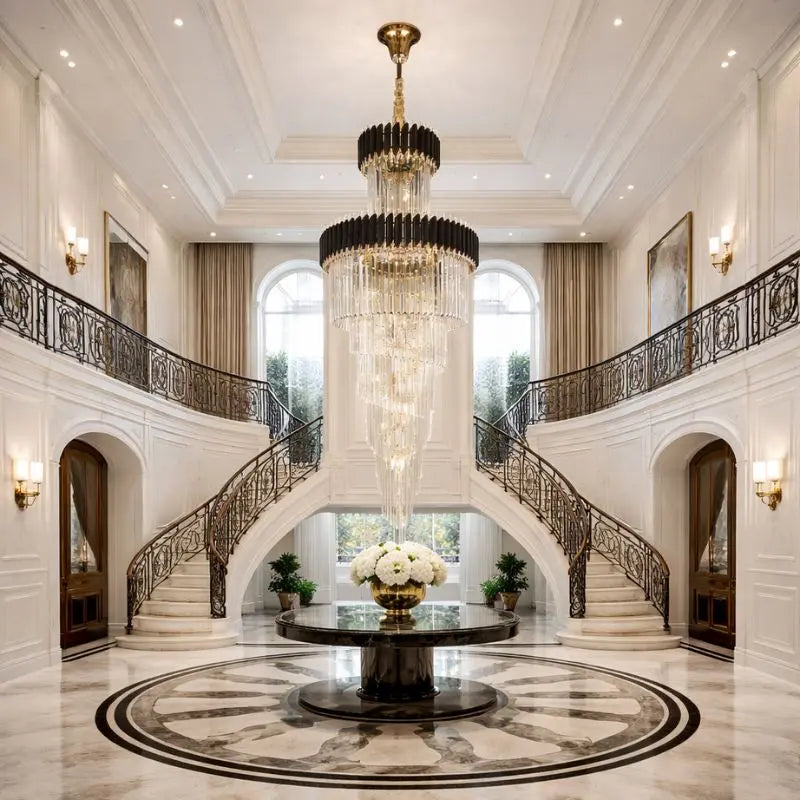
Foyers, stairwells and double-height living spaces offer the greatest opportunity for visual impact. These are natural settings for cascading crystal, elongated silhouettes and layered statement pieces. Here, a fixture can feel like jewellery for the architecture.
Measure before you fall for a design
The most frequent buying mistake is choosing by photograph alone. A beautifully detailed fixture can look underwhelming when it is too small, or oppressive when it takes too much visual space. Measure the room, ceiling height, furniture below and clearances before narrowing down finishes or materials.
A useful starting point for a standard room is to add its length and width in feet. The resulting number gives an approximate fixture diameter in inches. A room measuring 12 by 14 feet, for example, often suits a fitting around 26 inches wide. Treat this as a guide rather than a rule. A minimal design with open arms may carry more lightly than a dense crystal flush mount of the same diameter.
For a dining table, leave roughly 15 to 30 cm between the fixture’s widest point and each edge of the table. The light should belong to the table composition, not hover awkwardly beyond it. Over a kitchen island, two or three smaller pendants often look more balanced than one oversized feature, although a single linear fixture can create a more contemporary, architectural result.
Get the hanging height right
A pendant or chandelier over a dining table should generally hang around 75 to 90 cm above the tabletop. This leaves enough room for conversation and sightlines while allowing the fixture to feel intentionally connected to the setting.
In open circulation areas, preserve at least 2.1 metres of clearance beneath the fixture. Higher ceilings can accommodate longer drops, but do not assume every tall room needs an enormous fitting. A graceful vertical design with crystal strands, alabaster discs or slender metal arms can draw the eye upwards without overwhelming the architecture.
Low ceilings require a different strategy. Flush and semi-flush fittings are not a compromise when chosen well. Look for refined forms in ribbed glass, sculptural metal, natural stone-inspired details or discreet crystal accents. They can deliver a luxurious finish while keeping the room open and comfortable.
Choose a style with staying power
The fixture should relate to the wider interior, but it does not need to match every metal finish or furniture line exactly. A little contrast gives a room depth. A traditional crystal chandelier can create wonderful tension above a clean-lined dining table, while a modern brass fixture can warm up a period hallway.
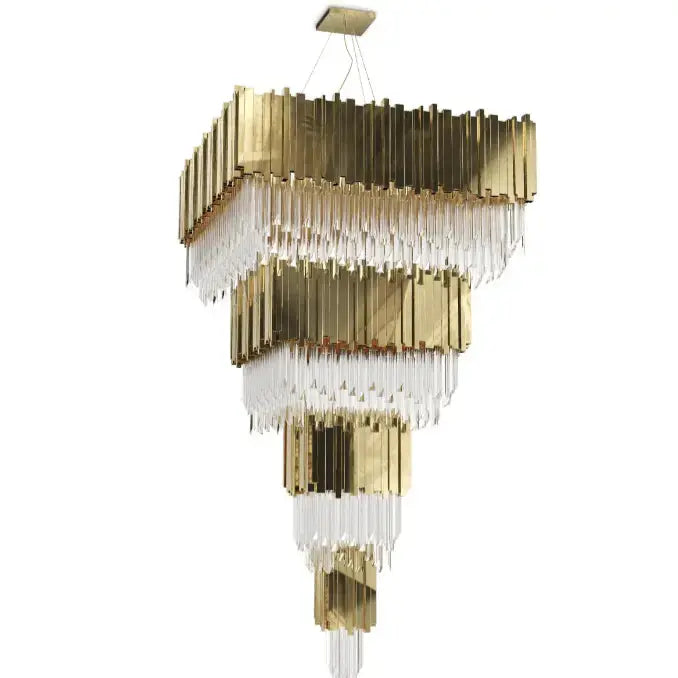
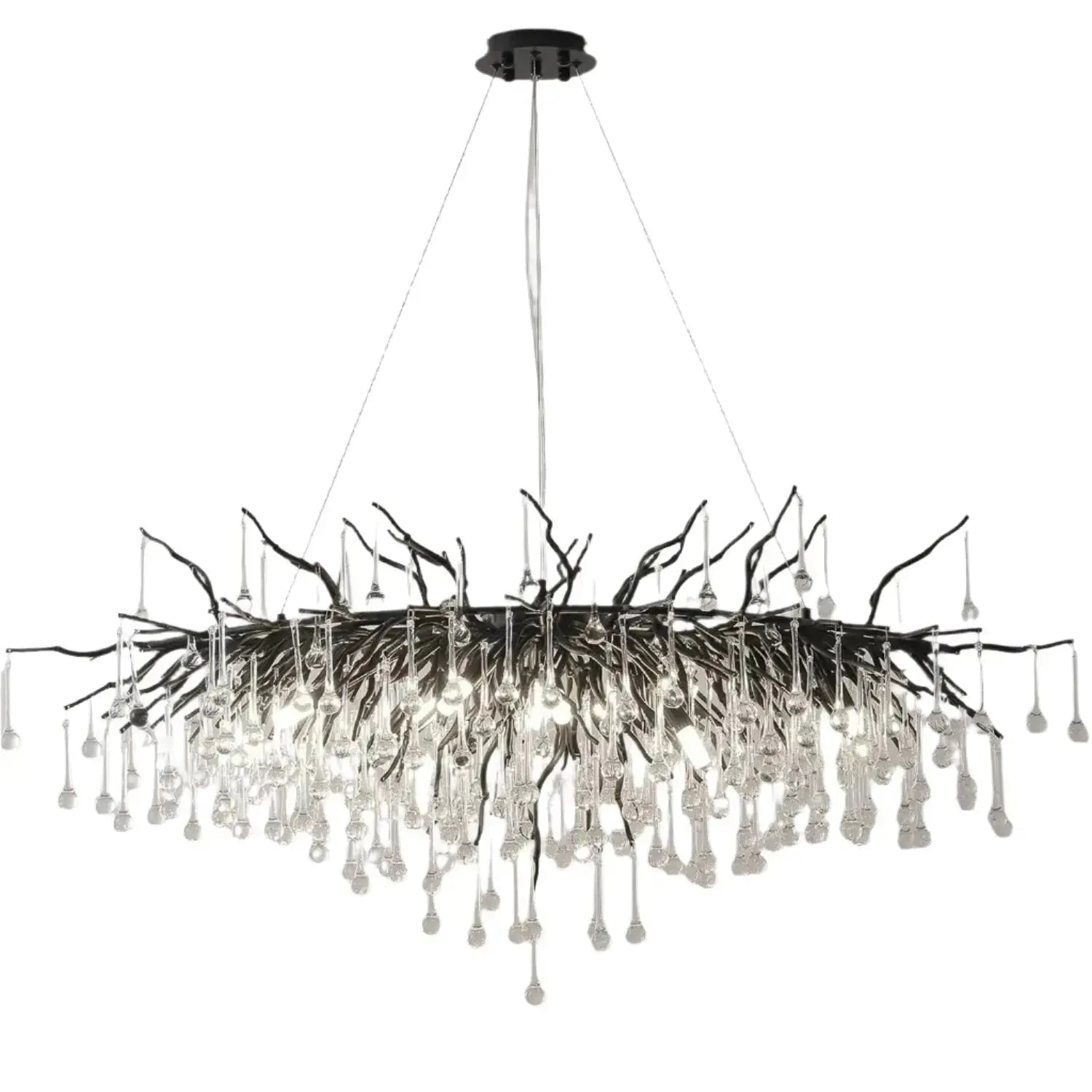
For timeless elegance, consider crystal, clear glass and classic candelabra forms. Crystal refracts light and brings movement to the room, especially in a foyer or formal dining space. It is naturally decorative, so give it room to breathe rather than pairing it with too many competing ornate elements.
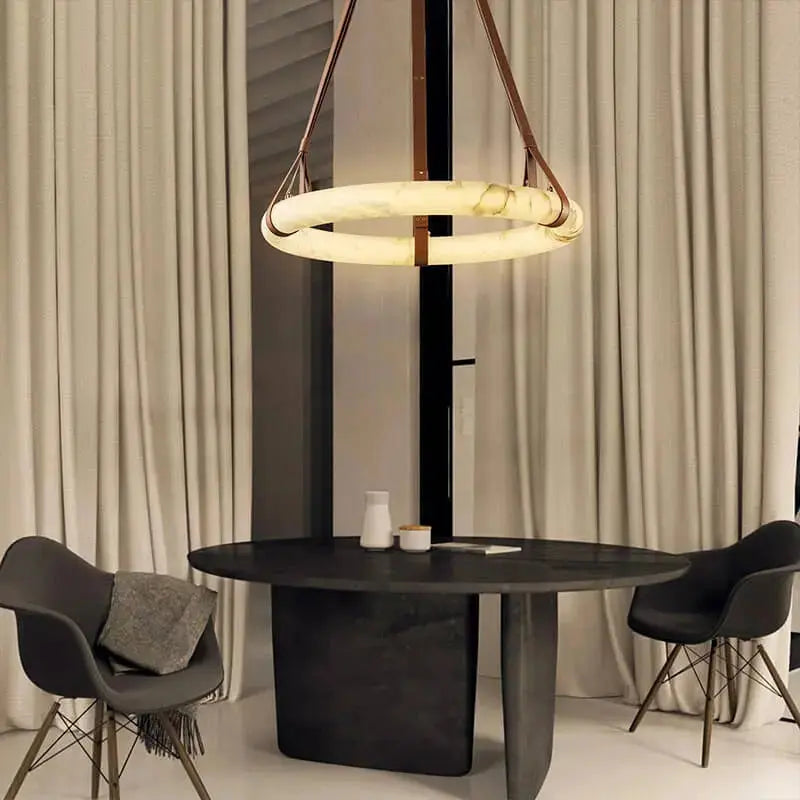
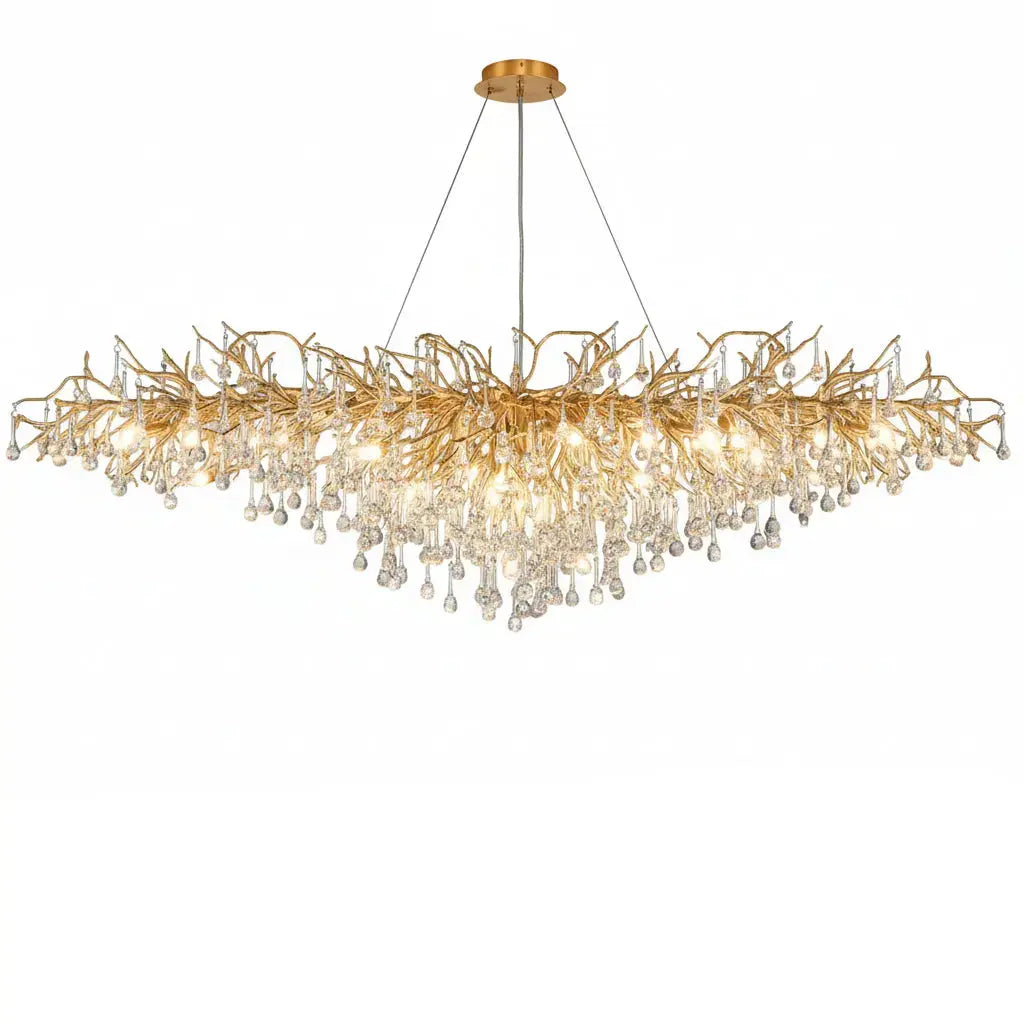
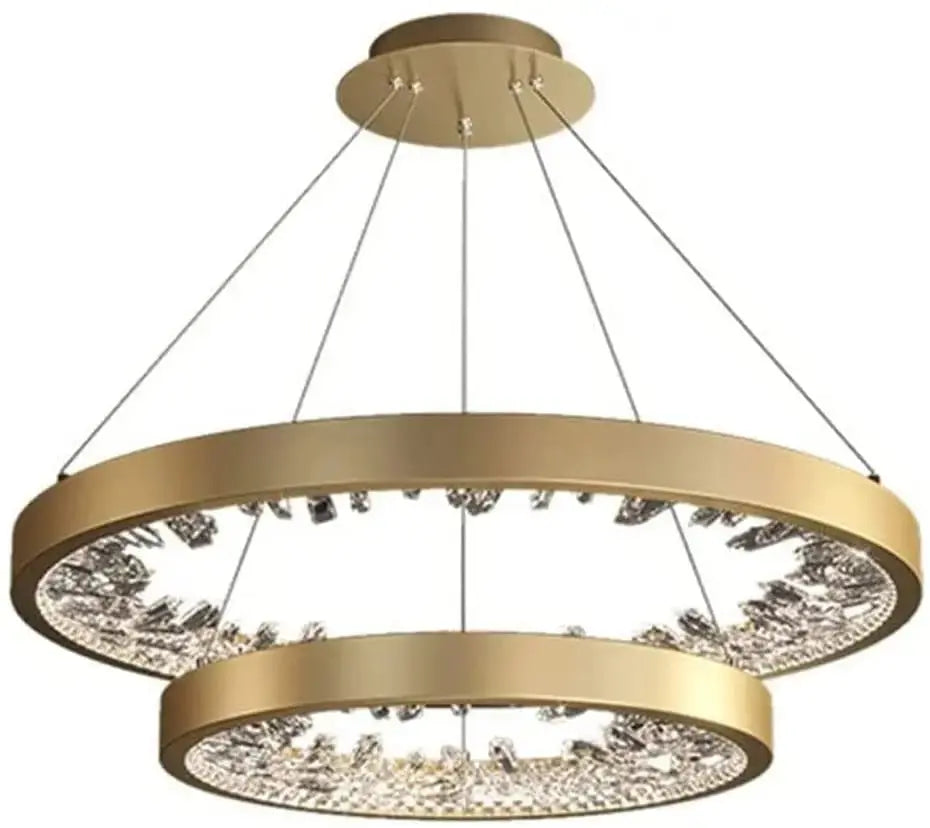
Modern luxury often favours clean geometry, warm metallic finishes and integrated LED forms. Black, brushed brass and antique gold can provide definition against pale ceilings, while alabaster introduces a soft, naturally varied glow. Marble-inspired accents work particularly well where you want material richness without excessive ornament.
The finish should also make sense alongside the room’s fixed features. Brushed brass may echo tapware, cabinet handles or mirror frames; matte black can connect to window frames and architectural hardware. Matching is not essential, but the metals should look deliberate together. If the room already contains several finishes, choose a ceiling fixture that repeats the most prominent one rather than adding a fourth or fifth competing tone.
Plan the light, not just the look
A ceiling fitting can be a centrepiece and still fail the room if its light is harsh, weak or poorly directed. Consider the fixture’s bulb type, shade material and number of light sources before purchasing.
For living areas and bedrooms, warm white light usually feels most inviting. Around 2700K creates a relaxed, residential glow, while 3000K can suit kitchens and busier spaces where a slightly clearer light is welcome. Dimmability is one of the most valuable upgrades for decorative lighting. It allows a dining chandelier to feel bright enough for a family supper, then softer for an evening gathering.
Opaque shades direct light downwards and can create intimacy, but may leave the ceiling darker. Clear glass and exposed bulbs create sparkle and visual lightness, though glare can be an issue if the bulbs are too bright or placed at eye level. Frosted glass and alabaster diffuse illumination beautifully, making them excellent choices for spaces where you want a gentler, more even effect.
Do not rely on one central ceiling fixture in rooms that need task lighting. A kitchen benefits from lighting at the worktop; a reading corner needs a floor or table lamp; a bathroom mirror needs purposeful face lighting. Layered lighting gives a home a more considered, high-end atmosphere because every activity has the right kind of illumination.
Check installation details early
Even the most exceptional ceiling fixture needs the correct support and electrical specification. Confirm the fitting’s weight, canopy size, hanging method and bulb requirements before ordering. A heavier chandelier may need additional ceiling support, particularly in older properties or where joists are not directly above the intended position.
Also check whether the fixture is compatible with your chosen dimmer and bulbs. Integrated LEDs can offer a sleek profile and long service life, but replacement options vary by design. Fixtures using replaceable bulbs provide flexibility in brightness and colour temperature, which some homeowners prefer for long-term maintenance.
If you are refreshing an existing fitting, inspect the ceiling rose and wiring arrangement before selecting a large canopy. A professional installer can advise on safe fitting, cable length and whether the chosen position needs adjustment. This is especially worthwhile for stairwell chandeliers, multi-pendant installations and heavy decorative pieces.
Let the fixture earn its place
The right ceiling light does more than fill an empty patch overhead. It sets the room’s scale, brings texture to the ceiling plane and makes everyday spaces feel more composed after dark. Choose the design that suits your measurements and lighting needs, then allow yourself one considered moment of luxury. A beautifully proportioned fixture can make arriving home, sitting down to dinner or walking through the hall feel noticeably more special.