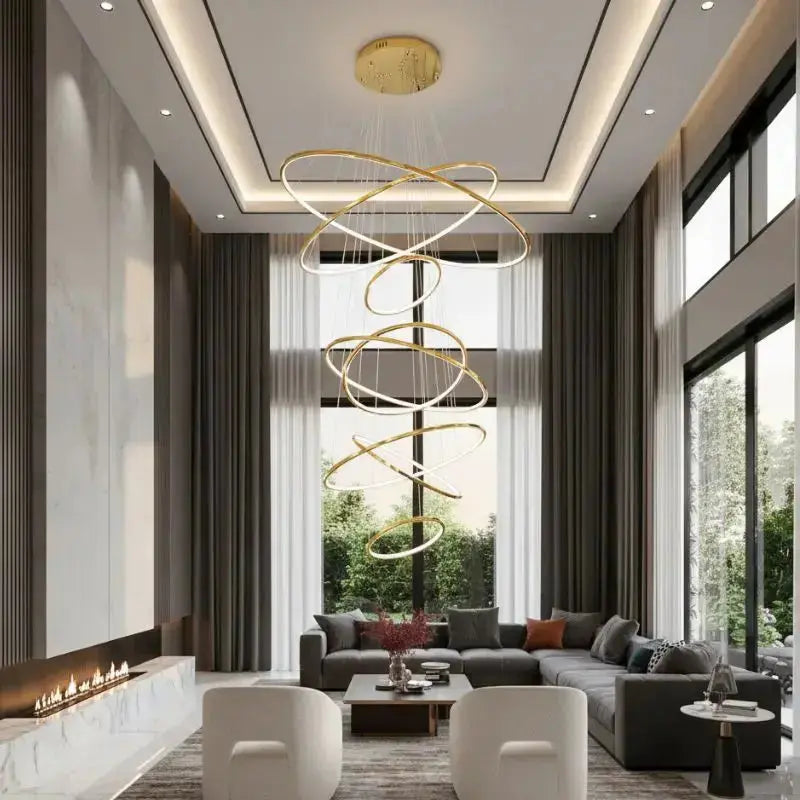
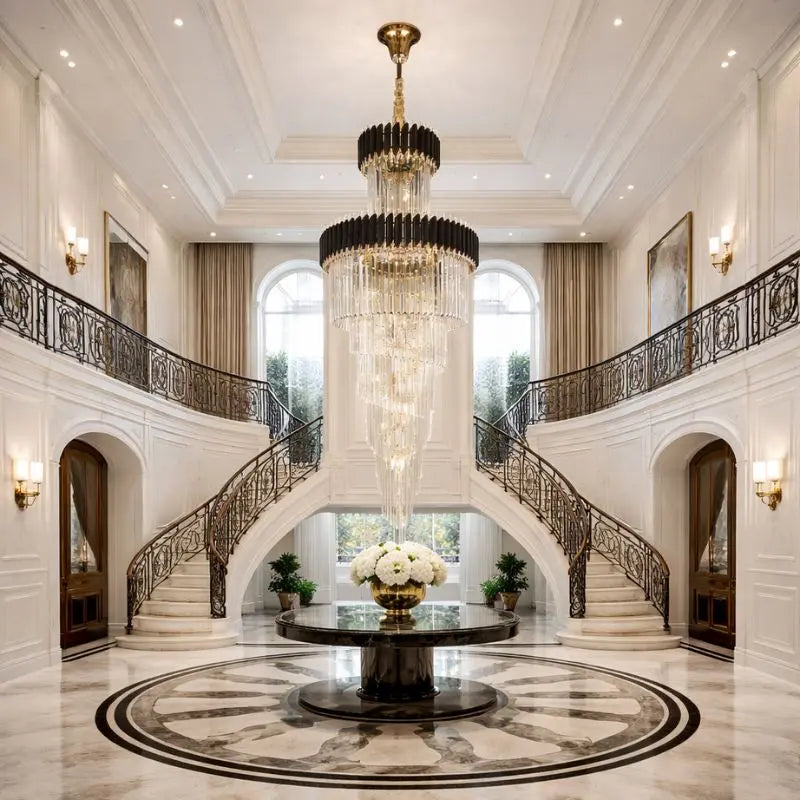
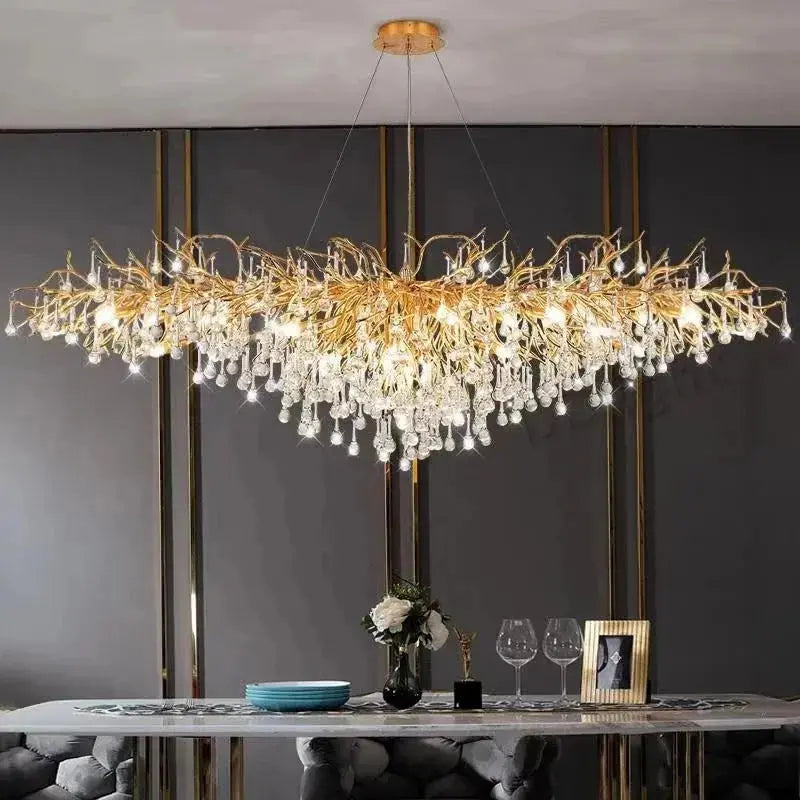
Dealing with a low ceiling can feel like a decorating puzzle. You want good light, but you don't want to feel like you're constantly ducking. It's easy to think your options are limited, but there are actually plenty of light fixture low ceiling choices out there that can make your space feel brighter and more open. We'll look at some popular picks and what makes them work, or sometimes, what doesn't quite hit the mark.
Key Takeaways
- Flush mount fixtures sit right against the ceiling, saving headroom and offering simple, bright light, though some find them a bit plain.
- Semi-flush mounts hang down a few inches, offering more style options while still being mindful of ceiling height, making them a good compromise.
- Recessed lighting offers a clean, unobtrusive look by sitting inside the ceiling, but installation can be tricky and requires careful planning to avoid dark spots.
- Wall sconces and floor/table lamps can add layers of light without taking up ceiling space, helping to make a room feel more open and complete.
- When choosing any light fixture low ceiling, consider the fixture's profile, color, and how it distributes light to avoid making the space feel cramped.
1. Flush Mount Ceiling Lights
When you've got a lower ceiling, the first thing you probably think about is how to avoid bonking your head. That's where flush mount ceiling lights really shine. These fixtures sit right up against the ceiling, giving you the most headroom possible. They're a super practical choice for hallways, bedrooms, or any room where you don't have a lot of vertical space to spare. Think of them as the minimalist's answer to overhead lighting.
They come in all sorts of styles, from simple, clean designs that almost disappear into the ceiling to more decorative options with frosted glass or interesting trim. The goal is usually to spread light evenly throughout the room without anything hanging down. It's all about maximizing that precious space.
Here's a quick look at what makes them a good fit:
- Maximizes Headroom: Sits directly on the ceiling, so no one bumps their head.
- Even Illumination: Designed to spread light across the entire room.
- Versatile Styles: Available in many designs to match your decor.
- Ideal for: Hallways, bedrooms, kitchens, and smaller rooms.
While some might find them a bit basic, a well-chosen flush mount can add a clean, modern look. They're a solid foundation for lighting any space with limited ceiling height.
Sometimes, the simplest solution is the best. Flush mount lights prove that you don't need a lot of drama hanging from above to get good lighting. They just get the job done, cleanly and efficiently.
2. Semi-Flush Mount Lights
Semi-flush mount lights are a fantastic choice when you need to add some flair to a room with a lower ceiling. Unlike flush mounts that hug the ceiling, these fixtures hang down just a bit, usually between 6 to 12 inches. This small drop is enough to create a distinct visual element without making the room feel cramped. They're great for spreading light around the room, offering a softer glow than a direct flush mount.
These lights are a sweet spot between flush and pendant styles, offering both style and practicality for spaces where headroom is a concern. They come in a huge variety of designs, from simple and modern to more ornate and decorative. You can find them with shades made of fabric, glass, or metal, and many have interesting details that can really make a statement.
Here are a few things to consider when picking out a semi-flush mount:
- Height: Always check the total drop from the ceiling. For most low-ceiling situations, aim for fixtures that hang no more than 12 inches down.
- Width: The width of the fixture should be proportional to the room size. A wider fixture can help make a smaller room feel more balanced.
- Style: Think about the overall decor of your room. Do you want something sleek and modern, or more traditional and cozy? There are options for every taste.
- Light Direction: Some semi-flush mounts direct light upwards and downwards, while others primarily cast light downwards. Consider how you want the light to fill the space.
When choosing a semi-flush mount, look for designs that have a visually interesting shade or base. This draws the eye and adds a decorative element without taking up precious vertical space. It's all about making the most of what you have.
For example, a fixture that's only 8 inches tall but 24 inches wide can provide a lot of visual impact and light without sacrificing headroom. It’s a smart way to brighten your space and add personality. You can find some really beautiful options that are designed to be both functional and stylish, like the Clara light fixture which offers an elegant look.
3. Recessed Lighting
Recessed lighting, often called "can lights," is a fantastic choice for spaces with low ceilings because the fixture itself sits flush within the ceiling. This means nothing hangs down, freeing up precious headroom and giving the room a cleaner, more open feel. They're especially popular in modern and minimalist designs.
The main advantage is that they don't take up any visual or physical space. This makes them ideal for hallways, kitchens, or living areas where you want a bright, even light without a fixture getting in the way. Planning is key, though. You'll want to map out where you need light the most – think task areas like kitchen counters or reading nooks – to avoid dark spots.
Here's a quick look at what to consider:
- Installation: These require cutting holes in your ceiling and connecting to wiring. It's often easier to install them during a renovation or when you have attic access above.
- Beam Angle: The angle of the light beam affects how wide the light spreads. A wider angle covers more area but might not be as focused.
- Spacing: Proper spacing is vital. Too far apart, and you'll have dim areas. Too close, and it can feel like an airport runway.
- Dimmer Switches: Adding dimmer switches gives you control over the light's intensity, which is great for setting different moods.
While they offer a sleek look, remember that the installation can be more involved than with other fixture types, especially in older homes. It's also worth noting that if the layout isn't planned carefully, you might end up with shadows in unexpected places.
Recessed lights are great for creating a uniform wash of light across a room. They blend into the ceiling, making the space feel larger and less cluttered. Just be sure to think about the overall layout and how the light will fall before you start cutting holes.
4. Track Lighting
Track lighting is a super flexible option, especially when you've got limited ceiling height. Instead of one big fixture hanging down, you get a rail with several lights that you can point exactly where you need them. This is great for kitchens where you need good light over countertops, or in a home office for focused task lighting. You can even adjust them later if you rearrange your furniture or decide to change things up. The main advantage is its adaptability to different needs and layouts.
While some people think track lighting can look a bit commercial, there are tons of stylish options out there now that blend right into a room's decor. You can get them in different finishes and styles, so they don't have to look like something out of a warehouse. They're a solid choice for adding targeted illumination without taking up much vertical space, making them a good fit for rooms with low ceilings.
Here’s a quick rundown of why track lighting works:
- Directional Control: Aim lights precisely where needed.
- Flexibility: Easily reposition or add more lights.
- Space Saving: Minimal drop from the ceiling.
- Modern Aesthetic: Can complement contemporary designs.
It's a smart way to get good lighting without making the room feel smaller. You can find systems that run along the ceiling or even mount directly to it, keeping things as low-profile as possible. For a more integrated look, consider how track lighting can be part of your overall lighting plan.
5. Wall Sconces
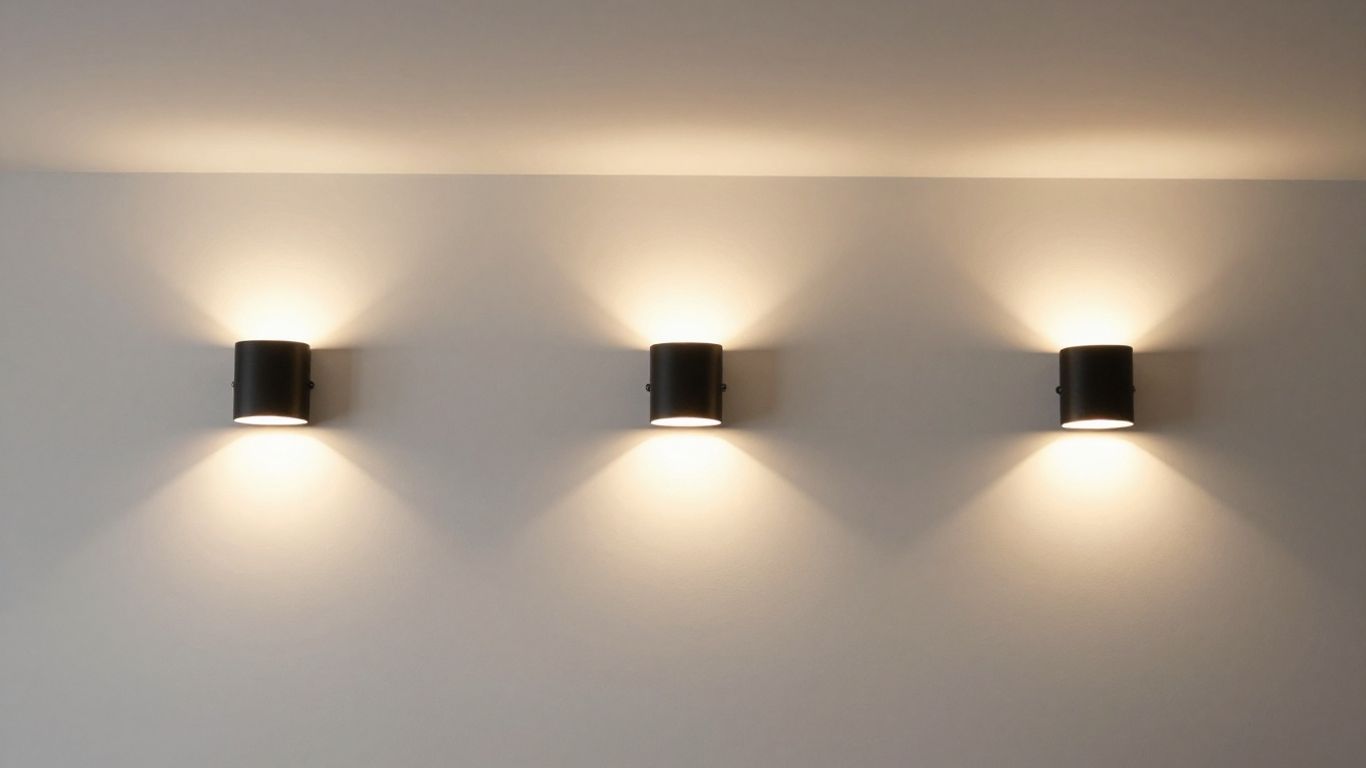
Wall sconces are a fantastic way to add light and style without taking up precious floor or ceiling space, which is a big win for rooms with low ceilings. They mount directly to the wall, casting light upwards, downwards, or both, creating a nice ambiance. These fixtures are particularly good at drawing the eye vertically, making a room feel a bit taller than it actually is.
Think of them as adding a layer of light that complements your main overhead fixture. They're great for hallways, entryways, or flanking a fireplace or mirror. You can find them in so many styles, from super modern and minimalist to more traditional or ornate designs. Some even have adjustable arms, which is handy for directing light where you need it, like next to a reading chair.
Here's a quick rundown of why they're a good choice:
- Space-Saving: They don't require floor space like lamps do.
- Vertical Emphasis: They can make ceilings feel higher.
- Ambiance Control: Many are dimmable, allowing you to set the mood.
- Style Variety: Available in countless designs to match your decor.
When picking out wall sconces, consider the light output. Some provide a soft, diffused glow, while others offer more focused light. It's also worth checking out different types of wall lights to see how they can fit into your overall lighting plan. They really do add a touch of sophistication and can make a big difference in how a room feels.
6. Pendant Lights
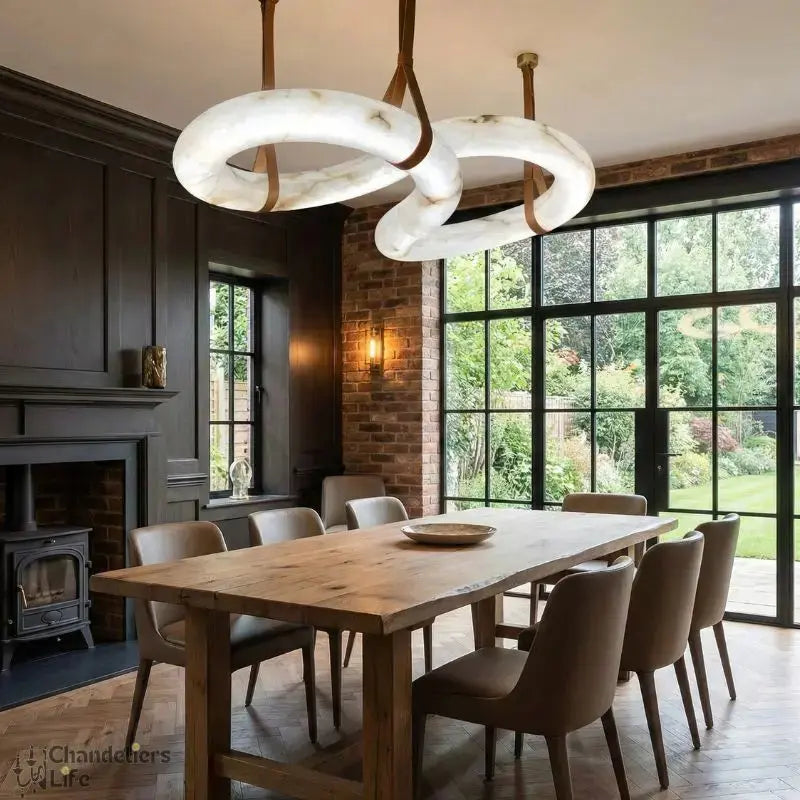
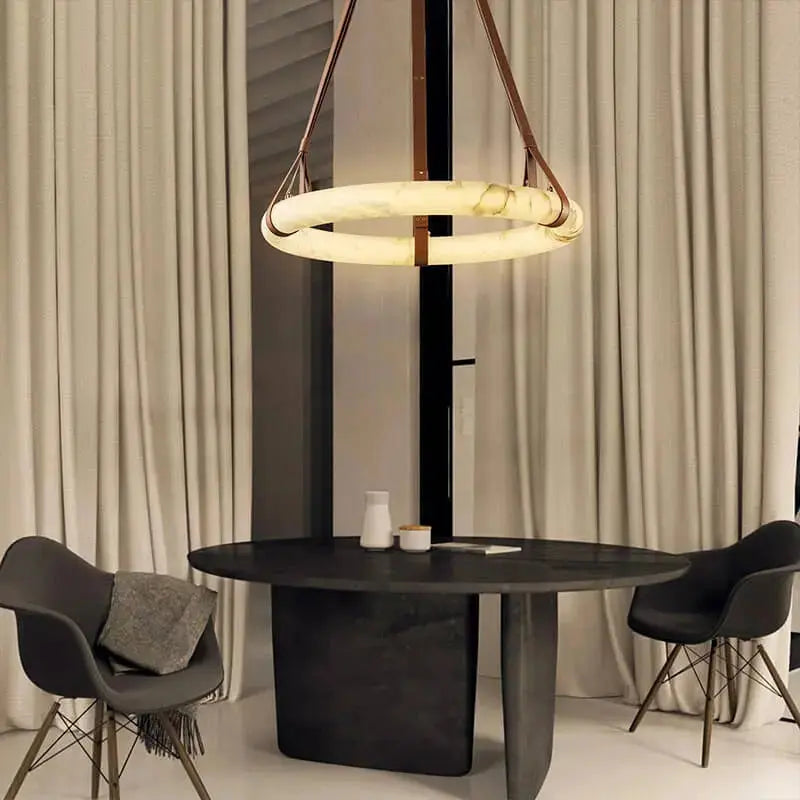
Pendant lights can be a fantastic choice for low ceilings, but you have to be smart about it. The key is to pick fixtures with a shorter drop or to hang them strategically, like directly over a dining table or kitchen island. This way, they provide focused light without becoming a head-bumping hazard.
When looking for pendants for a room with a lower ceiling, keep an eye out for designs that are more compact. Some pendants are designed with a minimal height, making them suitable for spaces where every inch counts. Others might offer adjustable cords, allowing you to customize the hang to your specific ceiling height.
Here are a few things to consider:
- Height: Look for pendants with a shorter overall length. Some are designed to hang as low as 6 inches from the ceiling, which is great for very low spaces.
- Placement: Hang pendants over specific zones like a dining table, kitchen counter, or an entryway. This keeps the main walking areas clear.
- Style: Many modern pendants come in sleek, minimalist designs that don't add visual bulk to a low ceiling.
Choosing the right pendant can add a lot of personality to a room without making the ceiling feel even lower. It's all about finding that balance between style and practicality for your space.
For example, a fixture like the Cruiz Pendant, with its slim profile and short height options, can work well in hallways or bedrooms. Similarly, the Brielle Pendant, while elegant, comes in sizes that can fit into moderate ceiling homes without issue. Just remember to measure carefully and consider the room's overall dimensions to ensure the pendant is proportionate and functional.
7. Crystal Chandelier
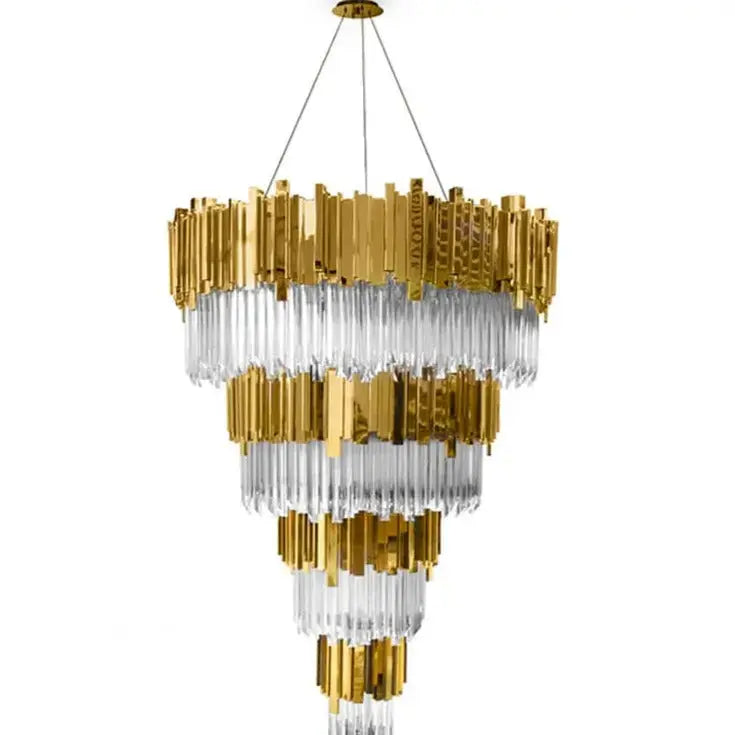
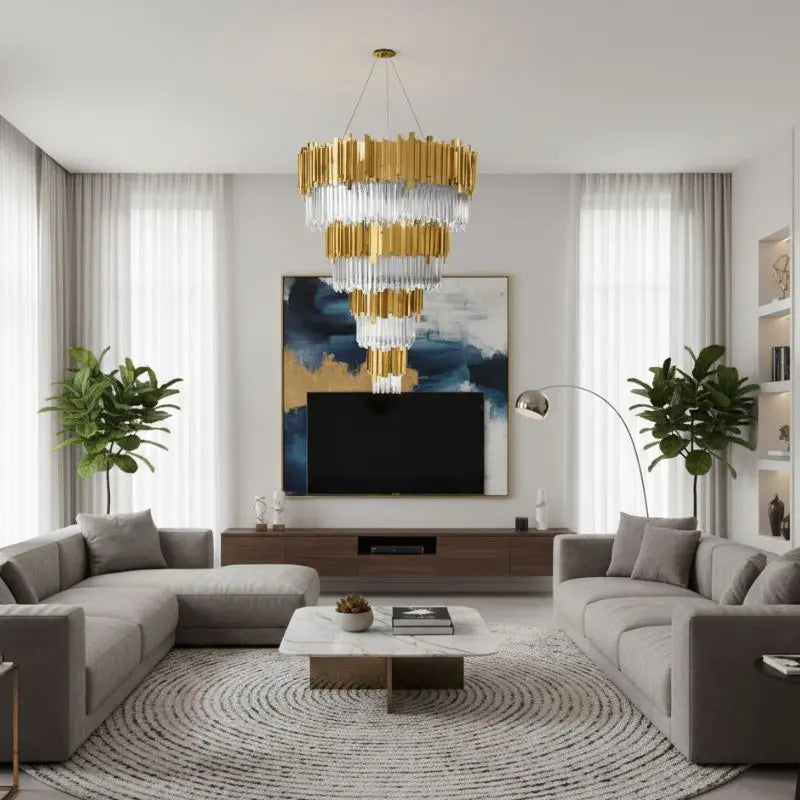
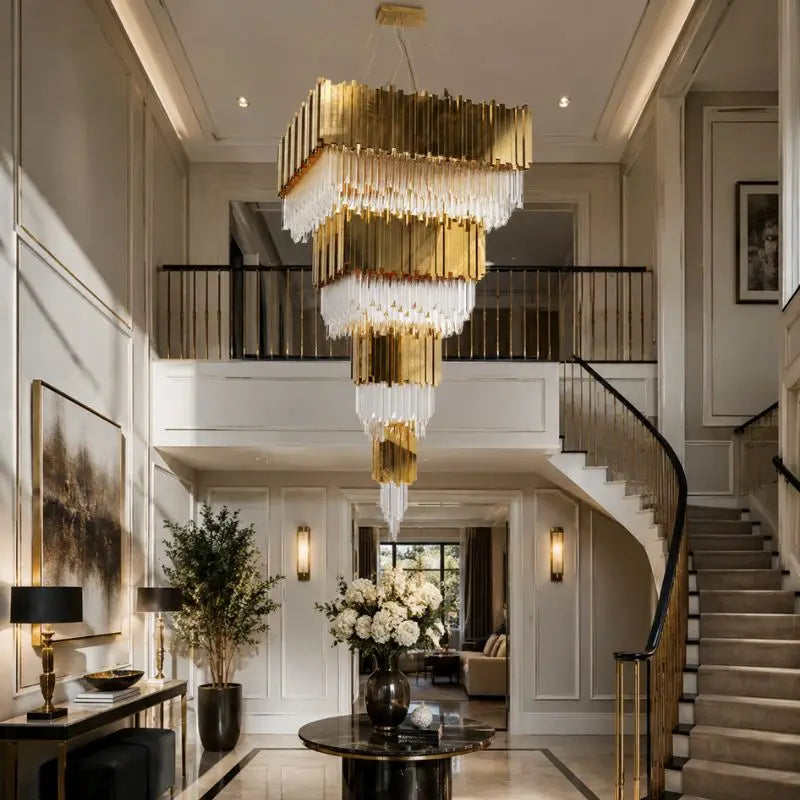
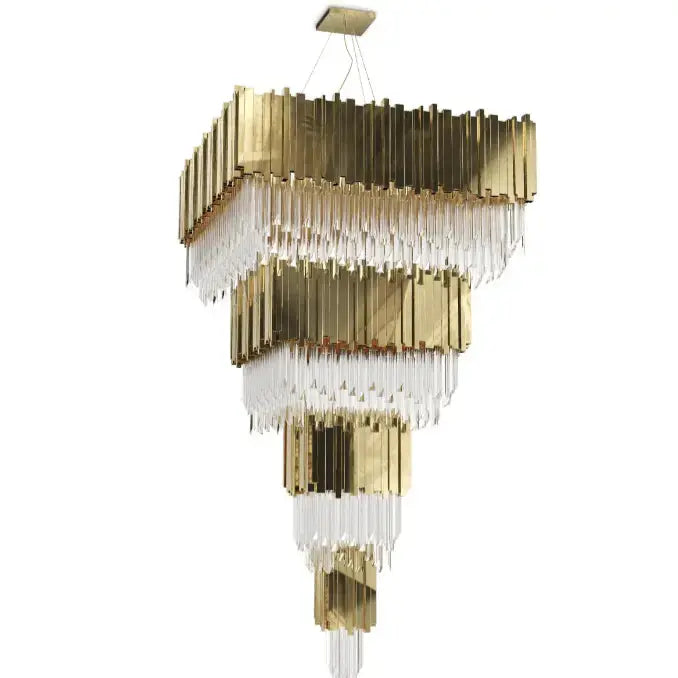
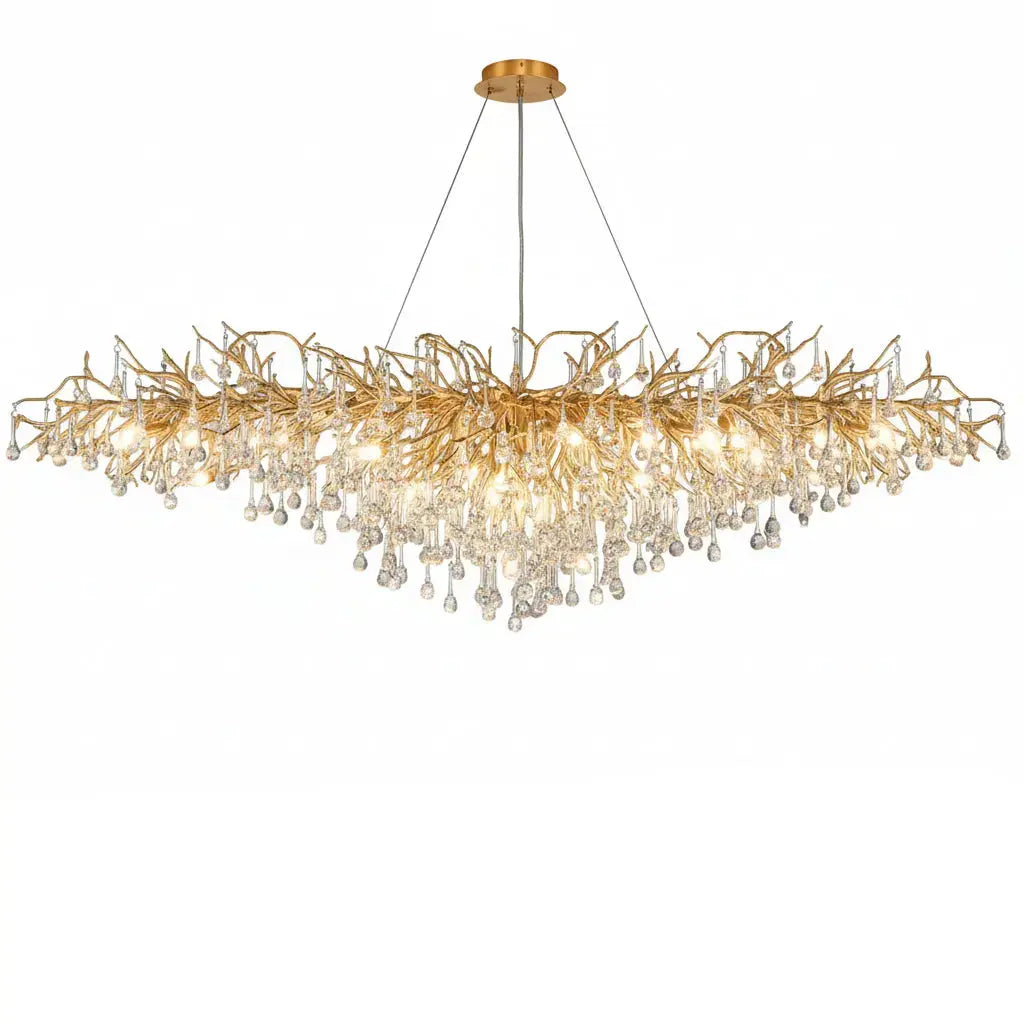
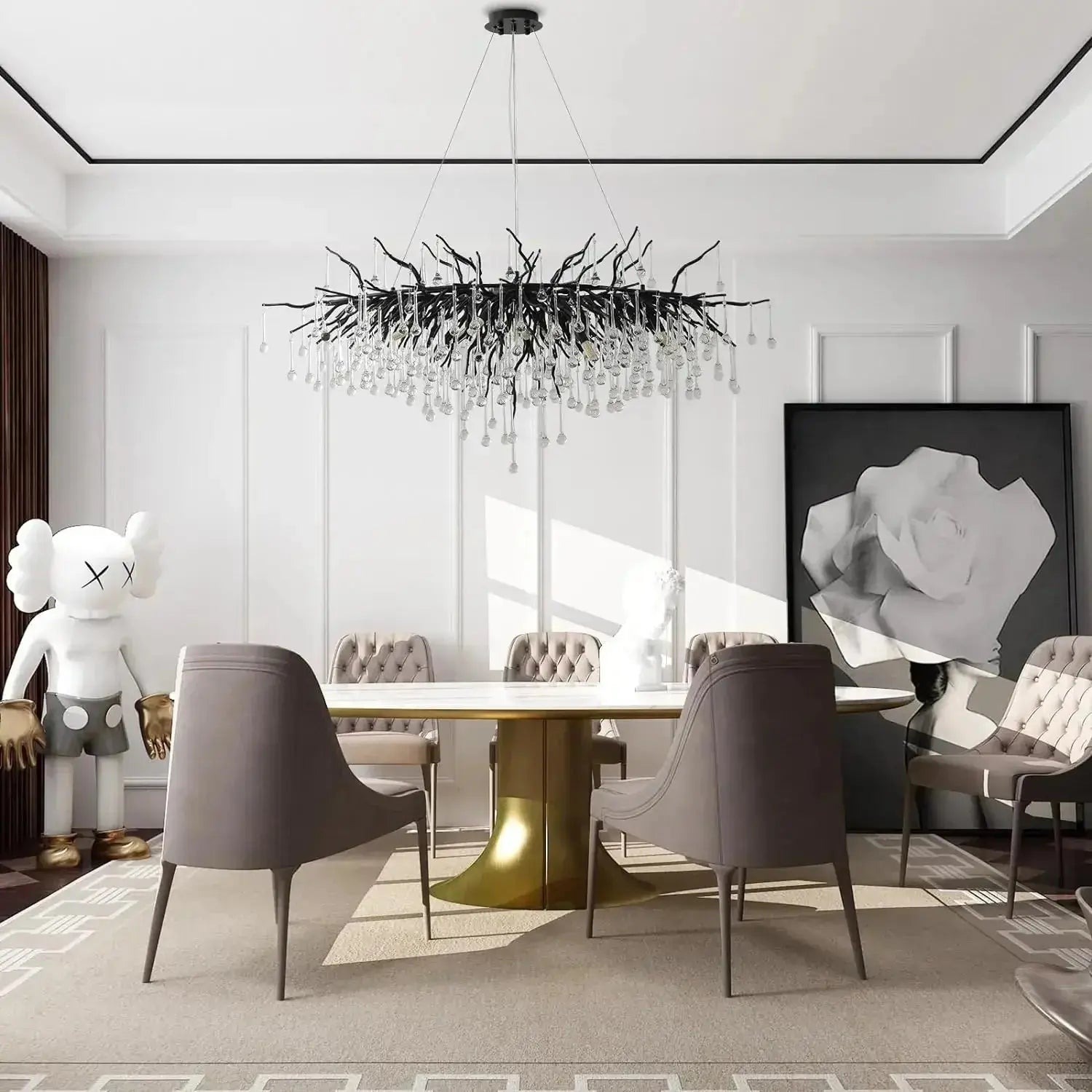
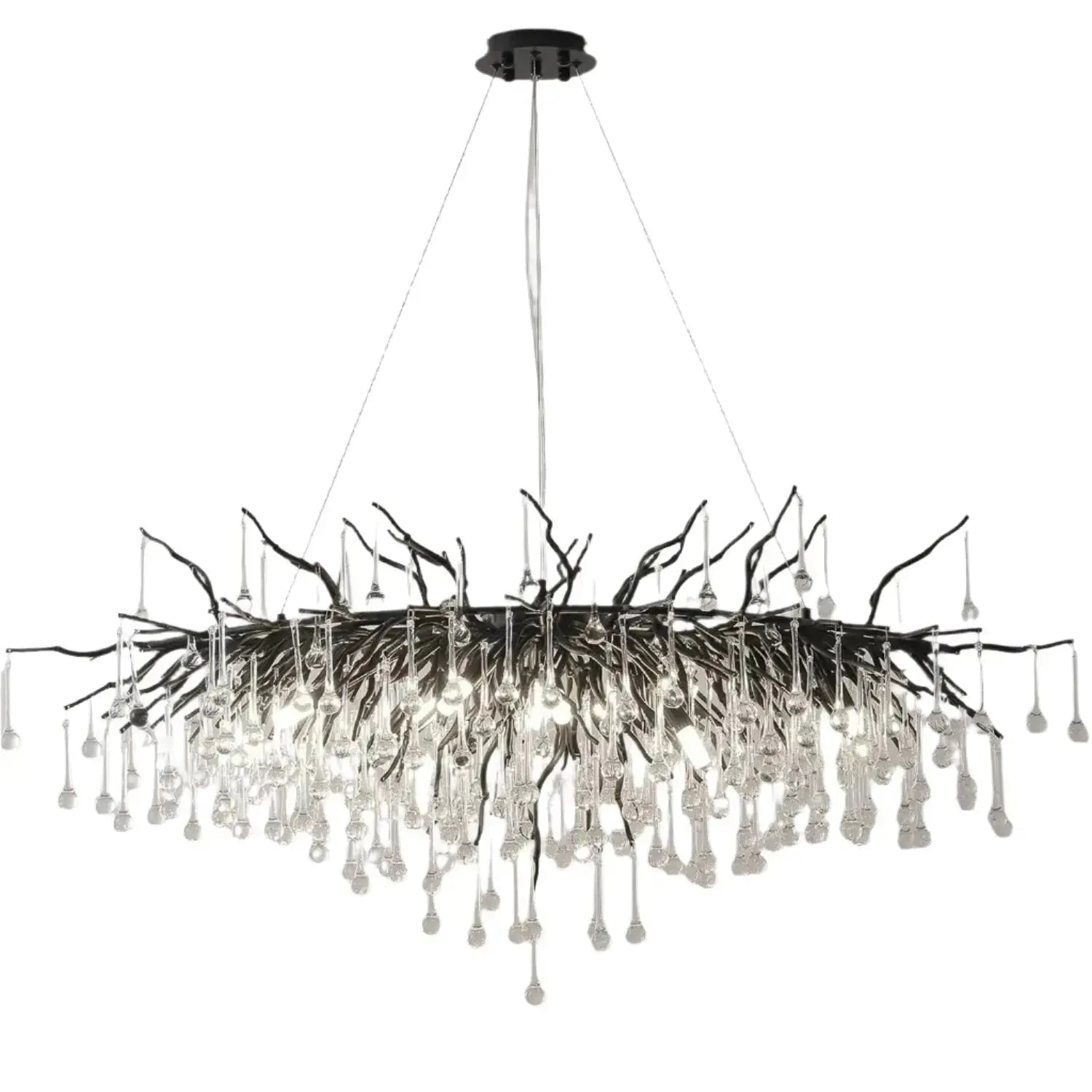
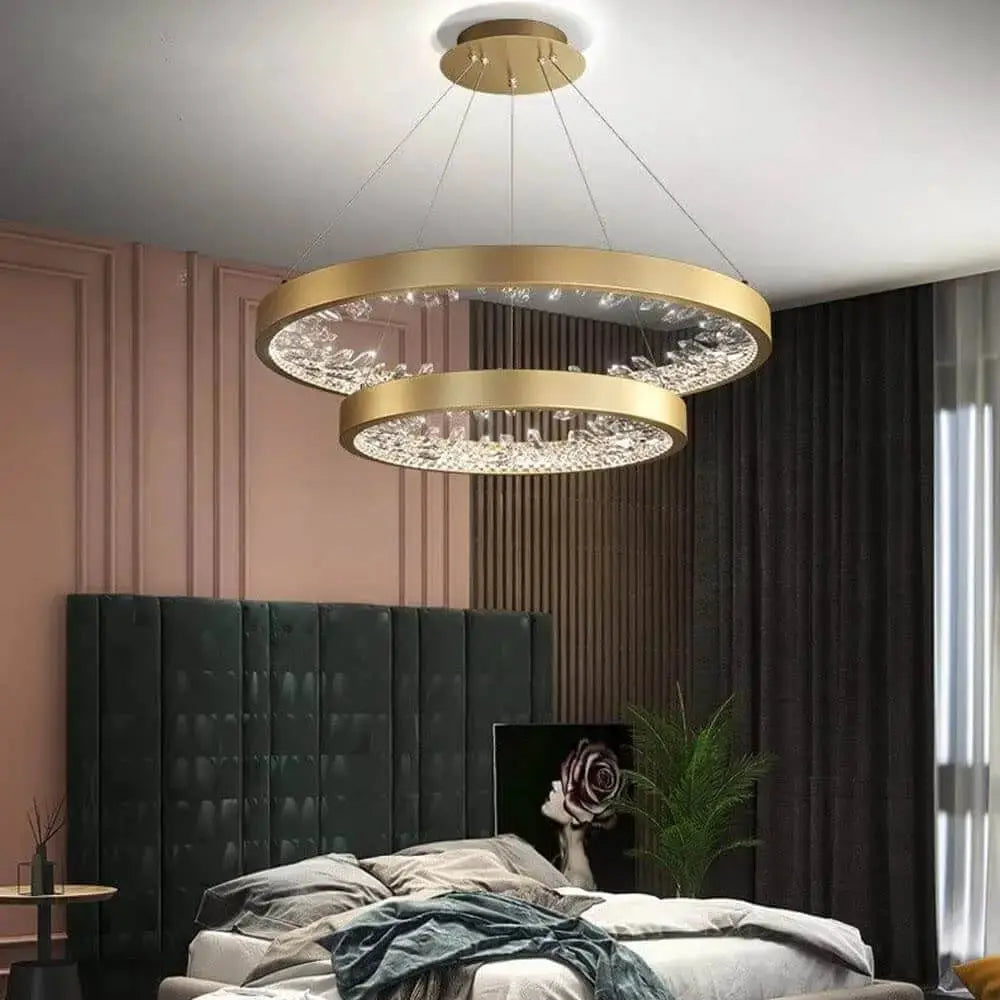
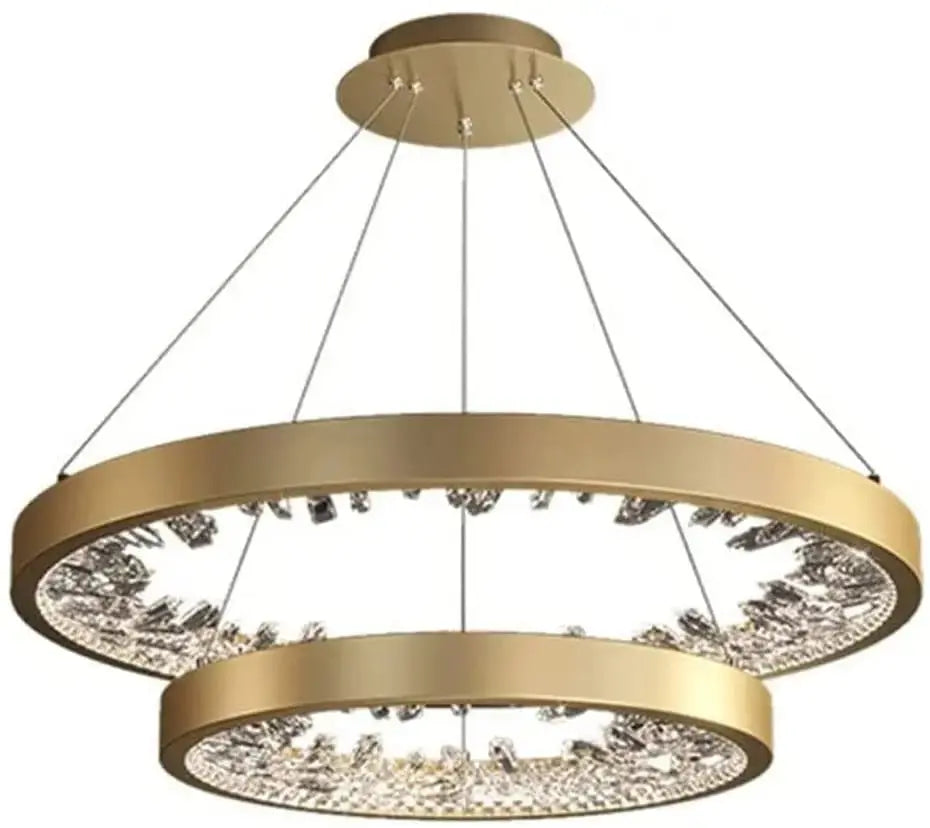
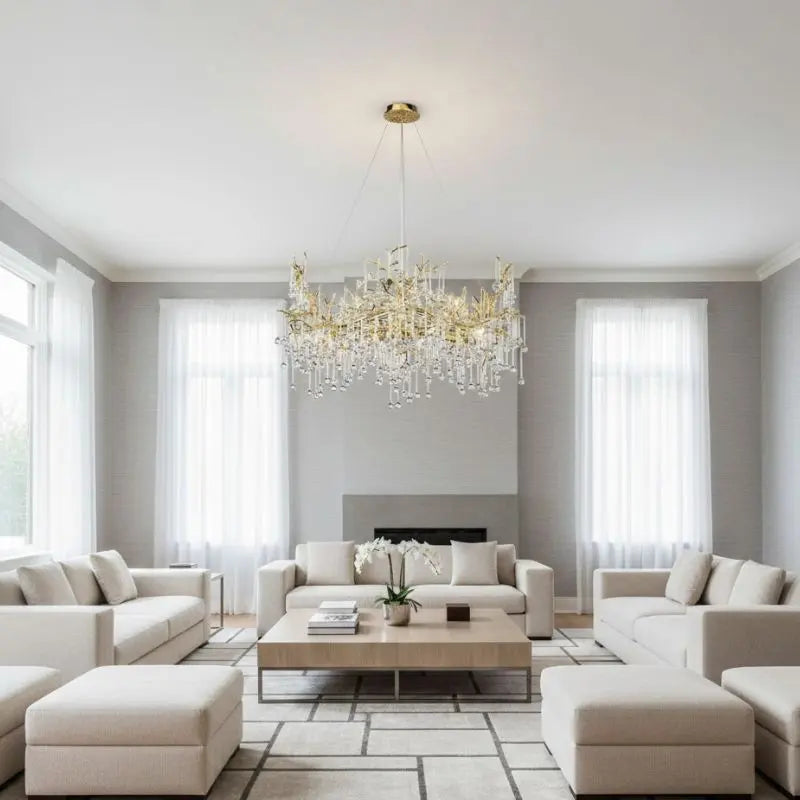
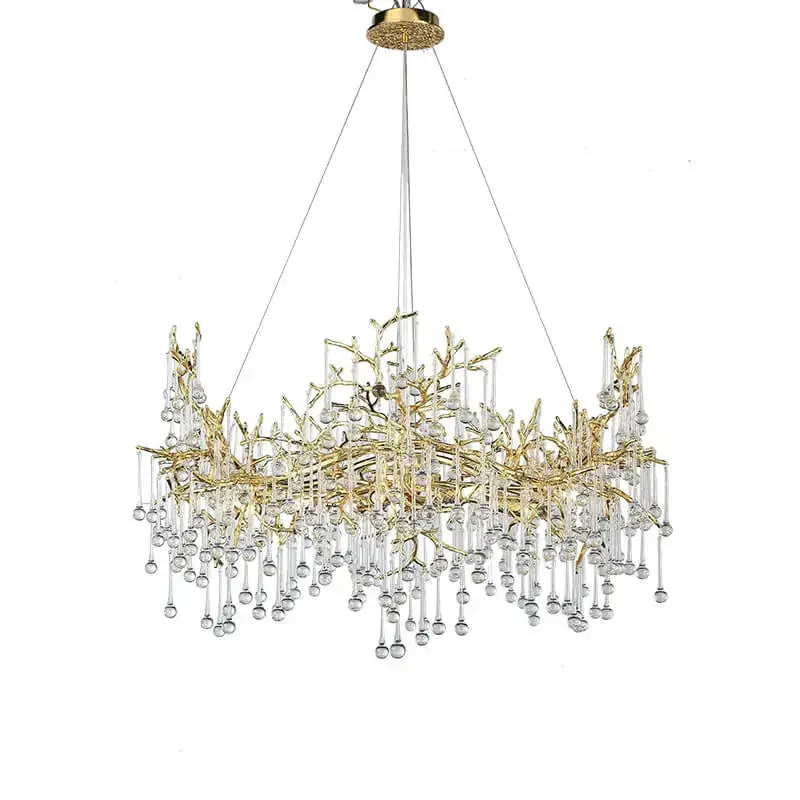
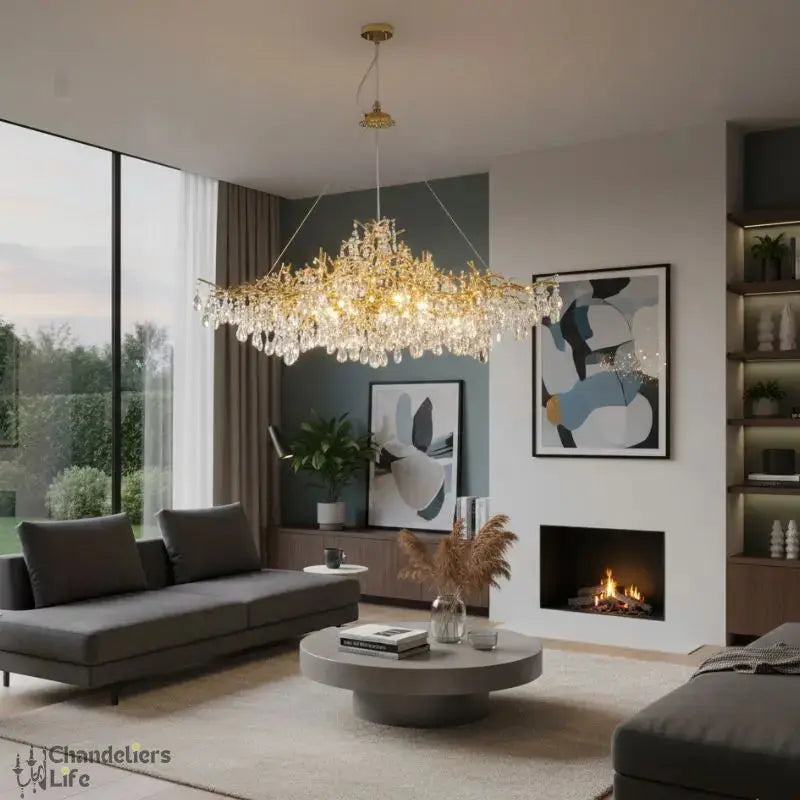
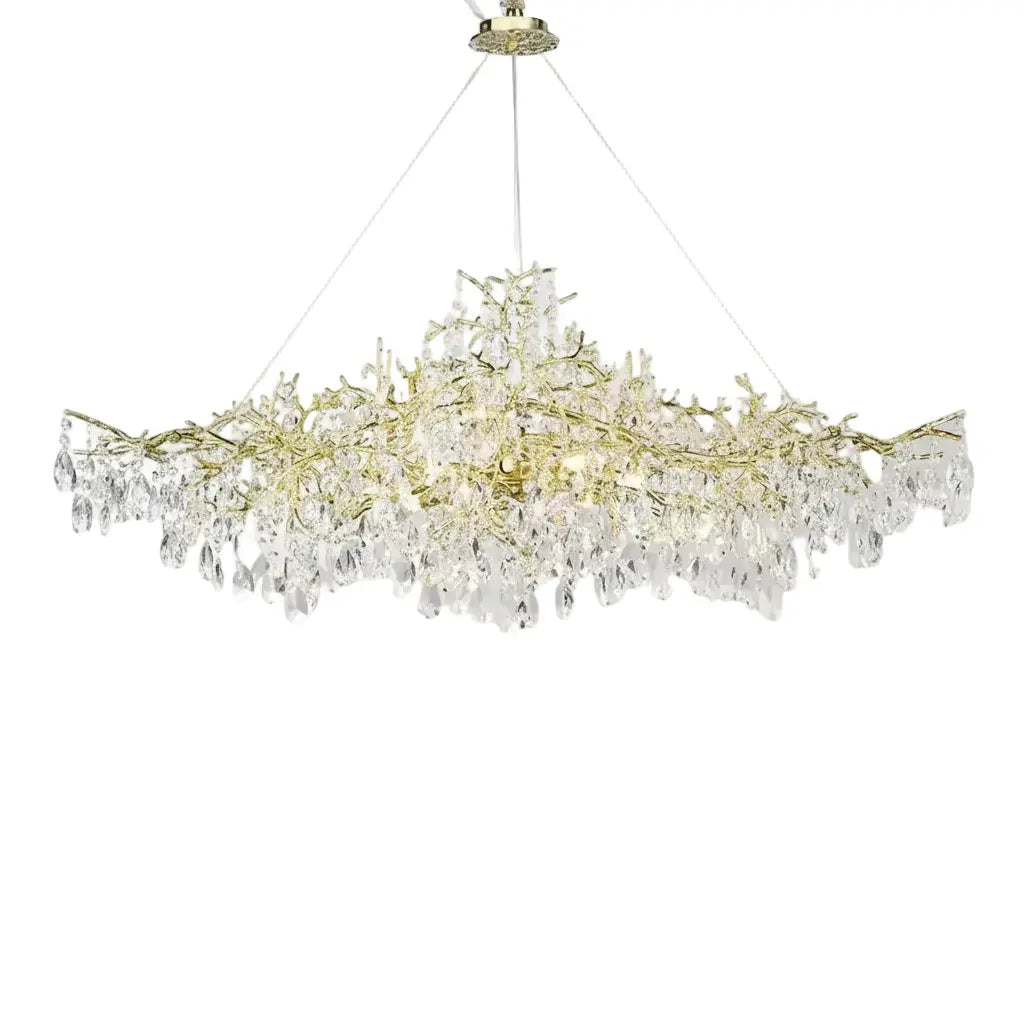
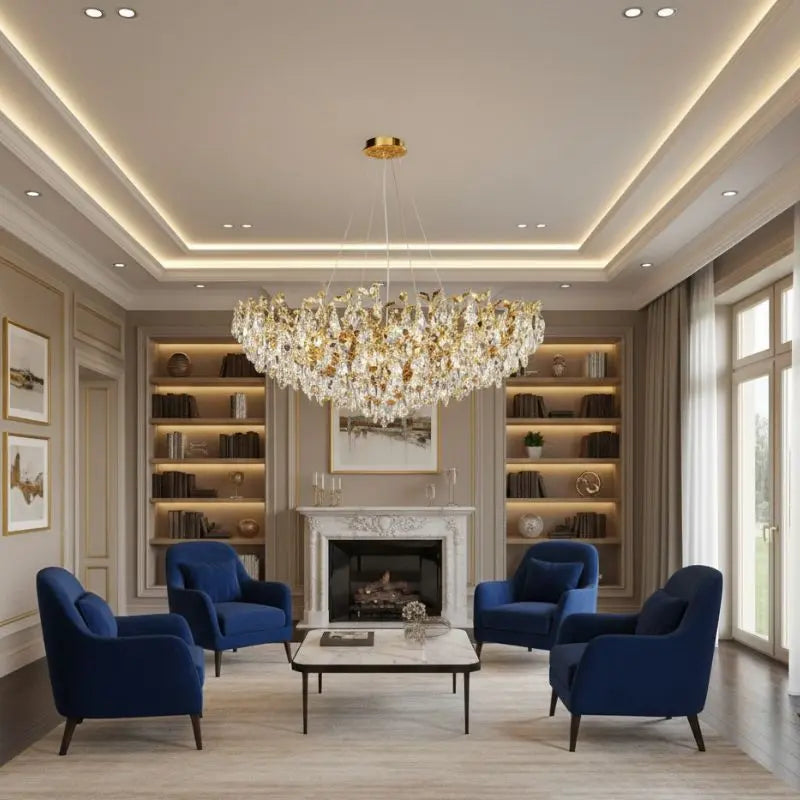
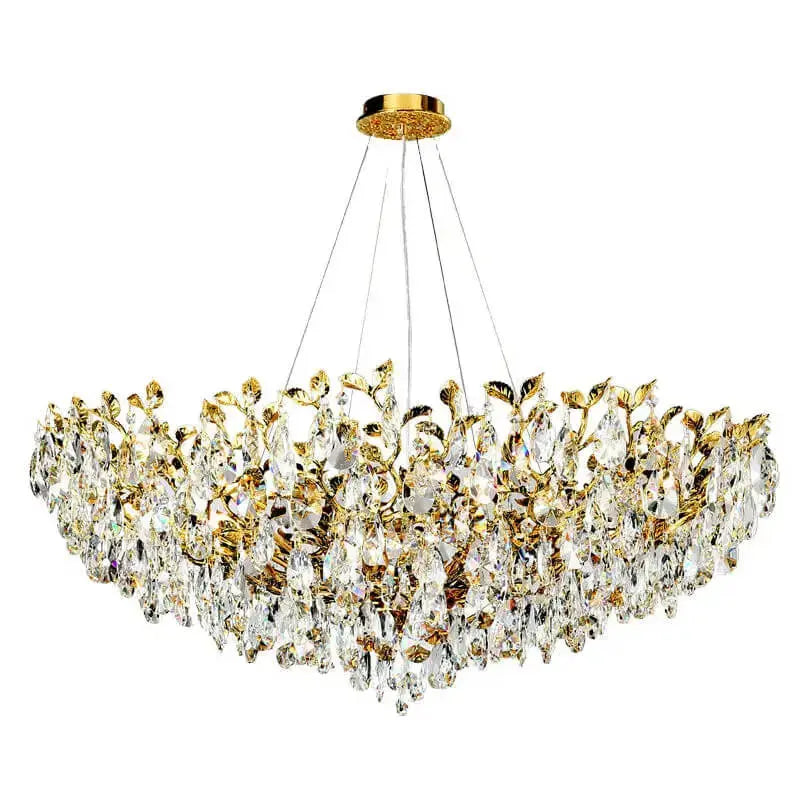
Who says you can't have a little sparkle even with a low ceiling? A petite crystal chandelier can actually be a fantastic choice for making a room feel bigger and brighter. The way the crystals catch and bounce light around can really open up a space, adding a touch of glam without overwhelming it. Think of it as adding a bit of magic to your low-ceilinged room.
When picking one out, you'll want to pay attention to the overall height and the spread of the light. Some smaller, more compact designs are specifically made to work in rooms where you don't have a lot of vertical space. These often have a lower profile, meaning they hang closer to the ceiling, but still pack a punch with their dazzling effect.
Here's what to consider:
- Size Matters: Look for chandeliers that are specifically labeled as "low profile" or "for low ceilings." Measure your ceiling height and compare it to the fixture's dimensions.
- Light Distribution: Some crystal chandeliers have shades, while others have exposed bulbs. Exposed bulbs might offer more ambient light, but shades can direct light more effectively.
- Style: Even with crystals, you can find styles ranging from classic to modern. Choose one that fits the overall vibe of your room.
A well-chosen crystal chandelier, even a smaller one, can be a real showstopper. It adds a luxurious feel and can make your space feel more dynamic and interesting, proving that low ceilings don't mean you have to sacrifice style or brightness. It's a great way to draw the eye upward and add a bit of sparkle.
Don't be afraid to go for a bit of bling; it can really transform a room. You might be surprised at how much impact a small, sparkly fixture can have on making your low-ceilinged space feel more open and inviting.
8. Linear Lights
Linear lights are a really neat option when you've got a lower ceiling but still want good coverage. Think of them as a more modern, elongated take on track lighting, often featuring a series of bulbs or a continuous light source in a long fixture. They're fantastic for drawing the eye across a space, making it feel a bit more expansive.
These fixtures are particularly great for highlighting specific areas like kitchen islands or dining tables, providing focused illumination right where you need it. Because they sit relatively close to the ceiling, usually just a few inches off, they don't take up much vertical space. This makes them a smart choice for rooms where you're worried about bumping your head or making the room feel cramped.
When picking out a linear light, consider a few things:
- Fixture Length: Make sure the length of the fixture complements the size of the area you're lighting. Too long, and it can overwhelm a small space; too short, and it might not provide enough light.
- Bulb Type and Shade: Some linear lights have exposed bulbs, offering a more industrial or minimalist look, while others have shades that direct the light. Shades can help control glare and create a softer ambiance.
- Adjustability: Some models allow you to adjust the direction of individual lights or the fixture itself, giving you more control over where the light falls.
They can sometimes have a bit of a commercial feel, depending on the design, but there are tons of stylish options out there now that blend right into a home setting. You can find them in all sorts of finishes, from brushed nickel to matte black, and with different numbers of lights or continuous LED strips. They really offer a lot of flexibility for brightening spaces with low ceilings.
While they can offer great directional light, it's worth thinking about how much ambient light they provide. For larger rooms or areas where you need general illumination, you might need to supplement with other light sources to avoid dark corners.
9. Floor Lamps
Don't forget about floor lamps when you're trying to light up a room with a low ceiling. These can be absolute lifesavers, especially in corners or next to seating areas. They add a vertical element that can make the room feel a bit taller, and they're super flexible. You can move them around easily to create different lighting zones.
A tall, slim floor lamp can add much-needed light without taking up a lot of visual space. Think about lamps with a smaller base and a shade that directs light where you need it, like for reading. Some even have adjustable arms, which is handy.
Here are a few ways floor lamps can help:
- Add ambient light: Place one in a dim corner to brighten the whole area.
- Create reading nooks: Position a lamp next to an armchair or sofa for focused light.
- Introduce vertical interest: Their height can draw the eye upward, making the ceiling feel less oppressive.
- Supplement other lights: Use them to fill in gaps where overhead or wall lighting might not reach.
When picking a floor lamp for a low-ceiling room, look for designs that are tall and slender. Avoid anything too bulky or with a wide base that might make the space feel cramped. The goal is to add light and a sense of height without making the room feel smaller.
Some floor lamps even have multiple heads or adjustable brightness, giving you even more control over the mood and light levels in your space. It's all about layering light, and floor lamps are a great way to do that without messing with your ceiling.
10. Table Lamps
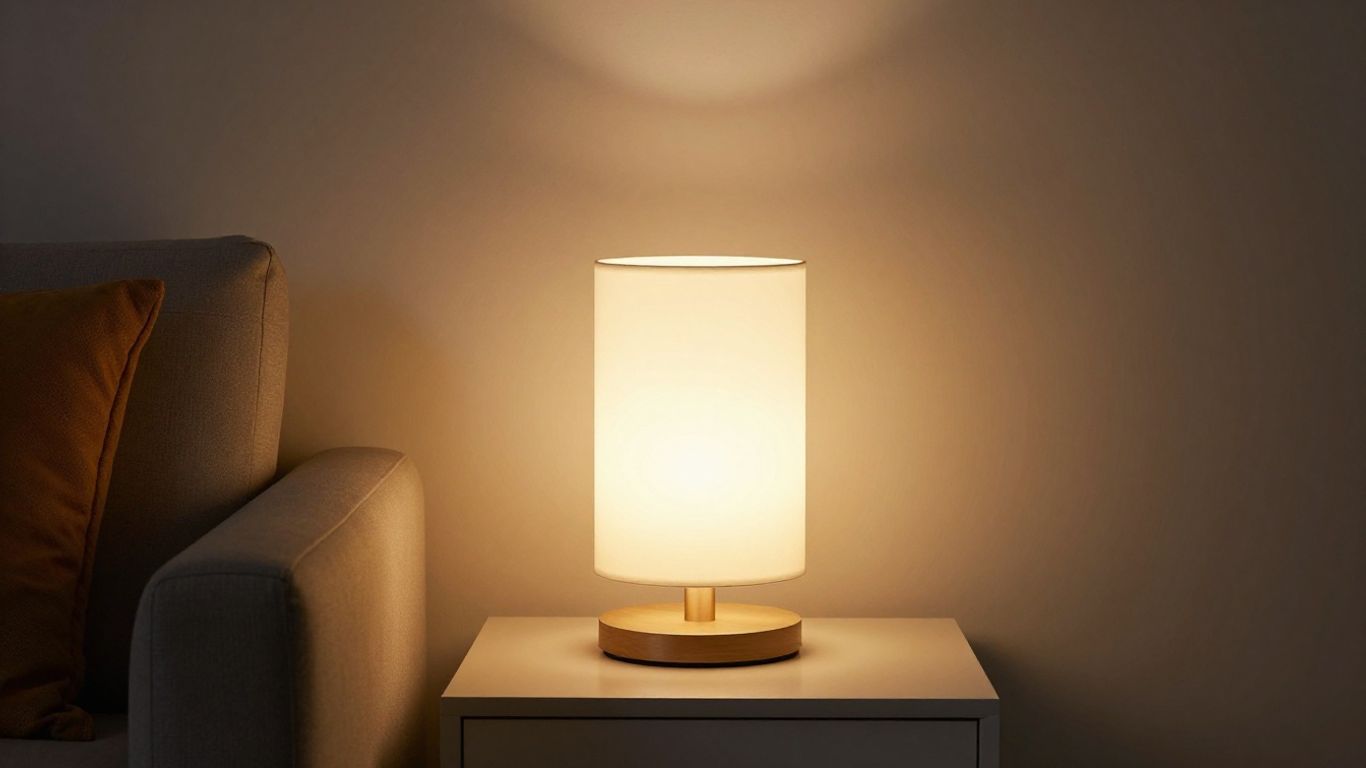
Table lamps are often overlooked when we think about lighting a whole room, especially if the ceiling is low. But honestly, they're super useful for filling in the gaps and adding a cozy vibe. Don't underestimate the power of a well-placed table lamp to make a space feel more complete and inviting.
Think about where you need light the most. Maybe it's next to your favorite armchair for reading, or on an end table to balance out a sofa. Table lamps are great for this kind of focused lighting, often called task lighting. They also add a decorative element, kind of like a piece of art for your side table.
When you're picking them out for a room with a lower ceiling, it's good to keep a few things in mind:
- Size Matters: You don't want a lamp that's too big and bulky, making the room feel cramped. Look for lamps with a slimmer base or a more delicate design.
- Shade Choice: The lampshade can really change how the light spreads. Lighter colored shades will diffuse the light more softly, while darker or more opaque ones can direct the light downwards.
- Height: Consider the height of the lamp in relation to your furniture. You don't want it to block your view or feel awkwardly tall next to a lower sofa.
Here are a few ideas for using table lamps effectively:
- Pair them up: Placing matching lamps on either side of a sofa or bed creates a sense of balance and symmetry.
- Vary heights: Using lamps of slightly different heights on different surfaces can add visual interest.
- Layer the light: Combine table lamps with other light sources, like a floor lamp or a ceiling fixture, to create different moods and ensure all areas of the room are lit.
Table lamps are fantastic for adding warmth and personality to a room. They're not just about brightness; they're about creating atmosphere. Picking the right ones can make a big difference in how comfortable and finished your space feels, even with a low ceiling.
Wrapping It Up
So, tackling a low ceiling doesn't have to be a headache. We've looked at a bunch of options, from flush mounts that hug the ceiling to wall sconces that add light without taking up space. Remember, it's not just about the fixture itself, but how you use it. Layering lights, picking the right size, and even the color of your fixture can make a big difference. Don't be afraid to mix and match, and always measure twice before you buy. With a little thought, you can make any room feel brighter and more open, no matter how low the ceiling might be.
Frequently Asked Questions
What kind of lights are best for rooms with low ceilings?
For low ceilings, flush mount lights that sit right against the ceiling are a great choice. Recessed lights, which are installed into the ceiling itself, also work well because they don't hang down. Track lighting can be good too, as you can point the lights where you need them without taking up much space.
Can a chandelier make a low ceiling look higher?
A small, compact chandelier with a short drop can sometimes add a touch of elegance without making the ceiling feel lower. Look for ones that are not too bulky and maybe have a lighter color to help bounce light around. However, it's a bit of a gamble, and many people find they're best avoided if the ceiling is very low.
What's the main problem with most light fixtures in low-ceiling rooms?
The biggest issue is that many light fixtures hang down too far, which can make the room feel smaller and more cramped. People might even bump their heads! It's important to choose lights that hug the ceiling or are mounted close to it.
How can I make my low-ceiling room feel less crowded with lighting?
Try using lights that spread light upwards, like wall sconces that shine light towards the ceiling. Also, using a mix of different light sources, such as a main ceiling light, some lamps, and wall lights, can help spread the light around and make the room feel more open instead of having one harsh light in the center.
Are pendant lights okay for low ceilings?
Pendant lights can work, but you need to be careful. Choose pendants that are smaller and don't hang down too much. It's often best to hang them over specific spots like a kitchen island or a dining table, rather than in the middle of a walkway, so people don't run into them.
What's the difference between flush mount and semi-flush mount lights?
Flush mount lights are designed to sit directly on the ceiling, leaving no gap. Semi-flush mount lights hang down a few inches from the ceiling. Semi-flush lights offer a bit more style and can spread light more widely, but flush mounts save the most space and are usually the best bet for very low ceilings.