If you’re feeling like your home could use a little something extra, hanging lights might be just the thing. In 2026, these lights aren’t just about seeing better—they’re about making a space feel unique, comfortable, and even a bit futuristic. From smart bulbs you control with your phone to bold, sculptural fixtures that double as art, there are so many ways to use hanging lights to change up your rooms. Whether you want to go minimal, try out color-changing options, or bring in some retro charm, there’s a style out there for everyone. Here are ten creative ideas to get you started.
Key Takeaways
- Hanging lights can be both practical and decorative, letting you show off your style while brightening up a room.
- Smart and app-controlled lighting makes it easy to change the mood or brightness without getting up from the couch.
- Mixing different styles—like sculptural fixtures, vintage bulbs, or minimalist designs—can make any room feel fresh and interesting.
- Choosing energy-efficient and sustainable options saves money and helps the planet without sacrificing looks.
- Color-changing lights and layered clusters give you flexibility, so your space can feel cozy one day and ready for a party the next.
Smart & App-Controlled Lighting
Smart and app-controlled lighting is really changing the way people light up their homes. No more walking room to room flipping light switches—just open an app, speak a command, or set your system to do it all for you. Most smart lighting systems today let you fine-tune the color, brightness, and scheduling of each fixture, so you don't just get light, you get a tailored experience for every occasion.
Here's why so many households are jumping on the smart lighting bandwagon in 2026:
- Adjust lighting instantly for different moods, like movie night or a bright morning routine
- Set automatic schedules so your lights turn on and off based on when you’re home or away
- Use voice commands or integrate with your smart home hub for hands-free control
- Save energy with dimmers and motion sensors that prevent waste
- Customize colors and warmth without any complicated installation
Even if you’re someone who likes a more traditional touch, most new systems are easy to install and don’t require rewiring. You can start with just a few bulbs in your key spaces (like kitchens and bedrooms), then expand as needed.
| Feature | Benefit |
|---|---|
| App/Voice Control | Quick and easy adjustments |
| Scene Settings | Effortless mood changes |
| Scheduling | Never forget to turn off |
| Energy Savings | Lower bills, greener home |
Smart lighting isn’t just about convenience; it makes your space actually work for you, giving you light, safety, and a little bit of fun—all at the tap of a screen or a spoken phrase.
Sculptural & Statement Fixtures
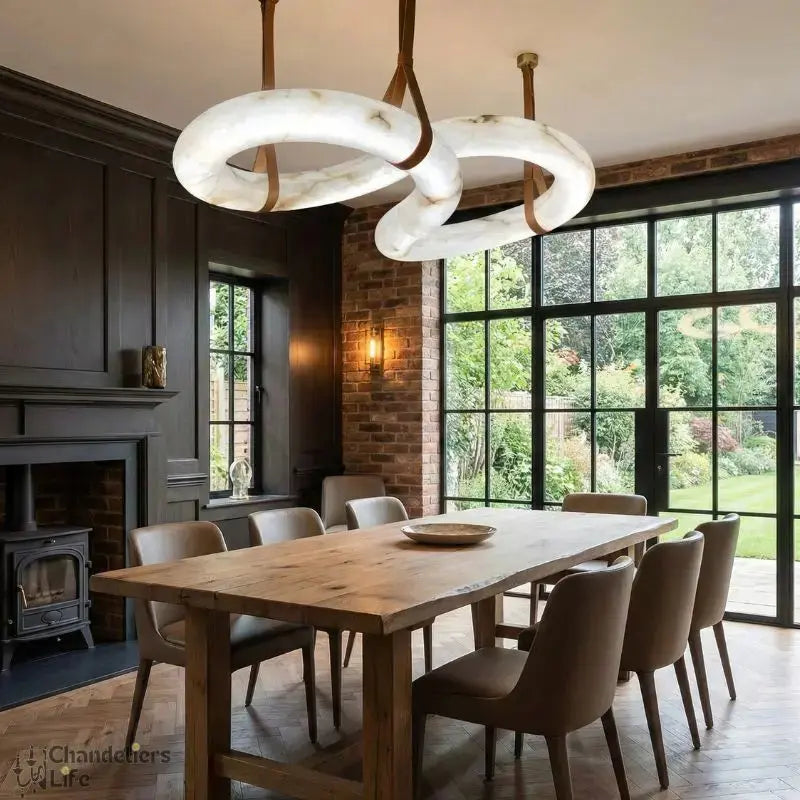
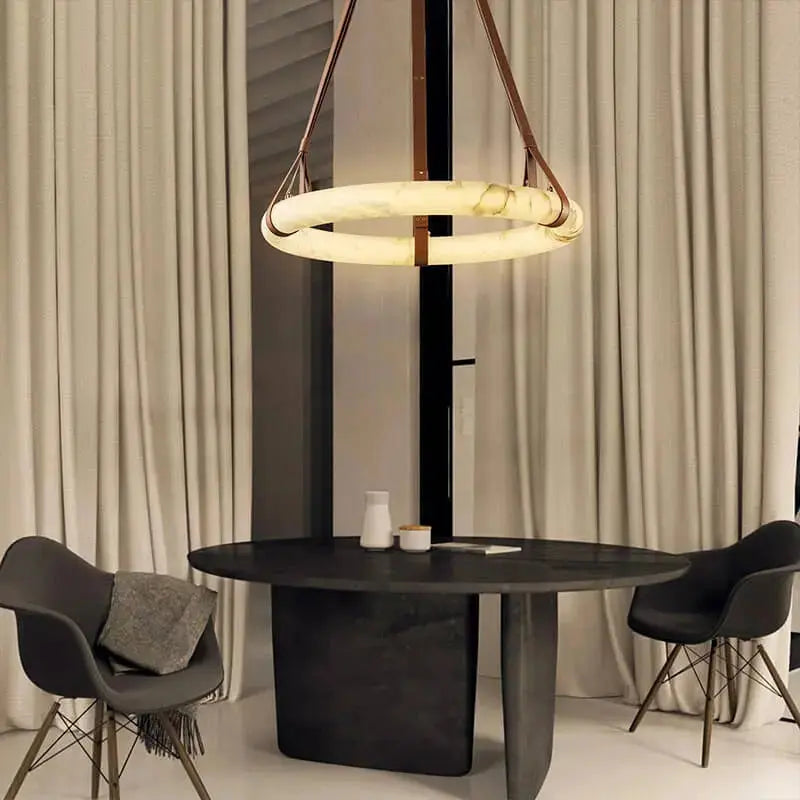
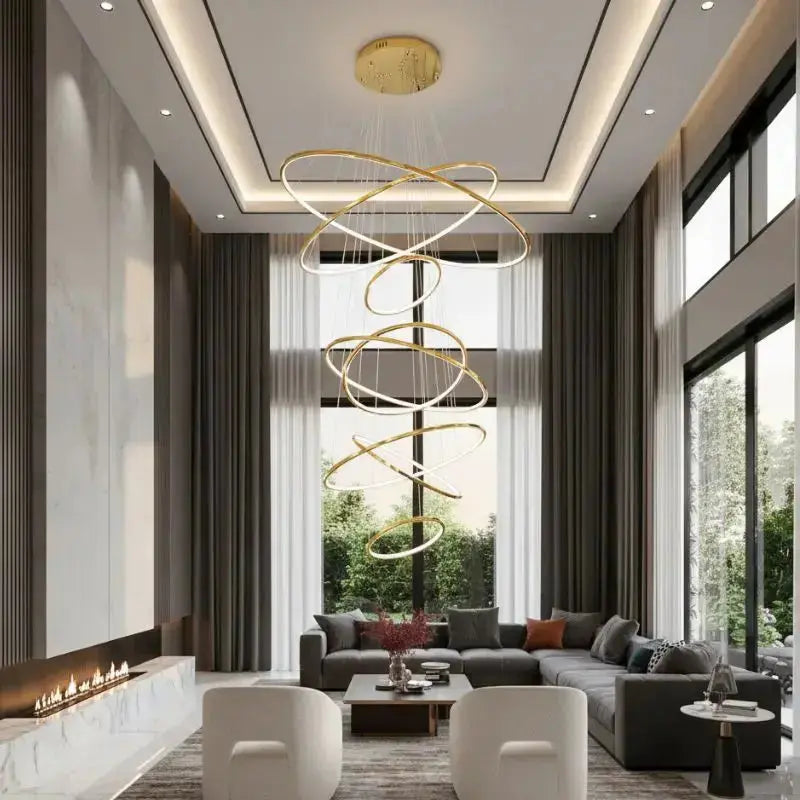
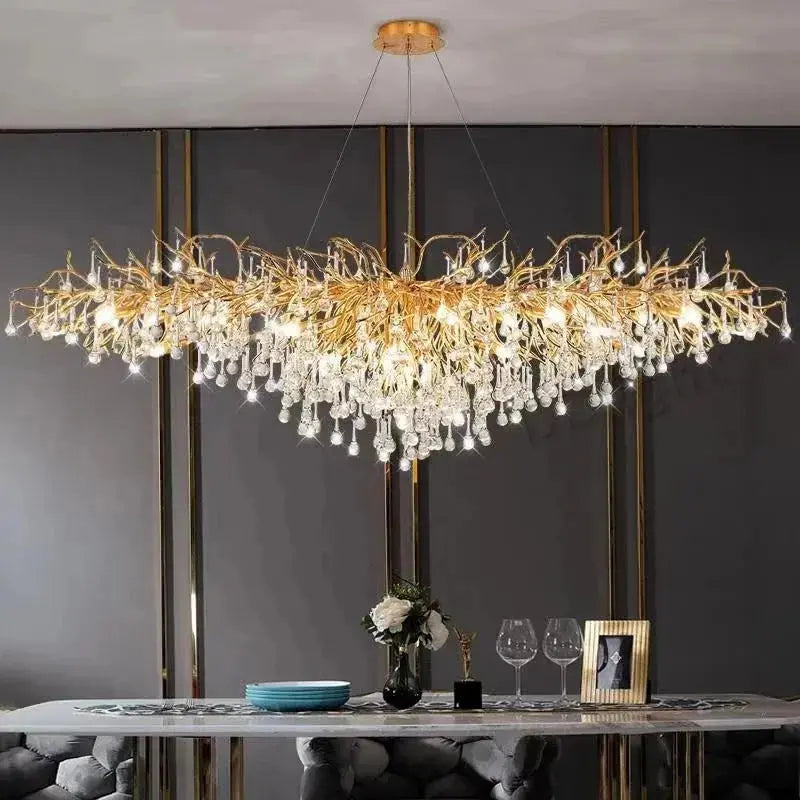
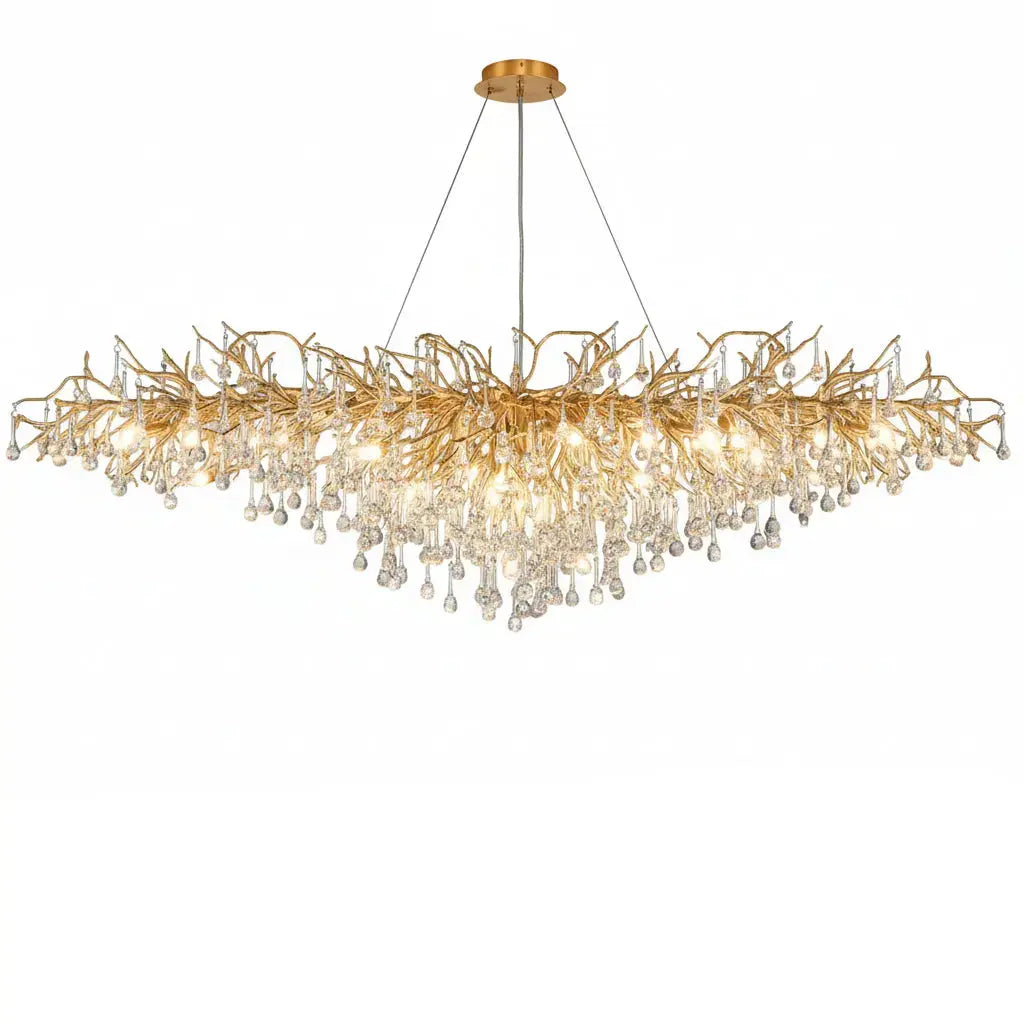
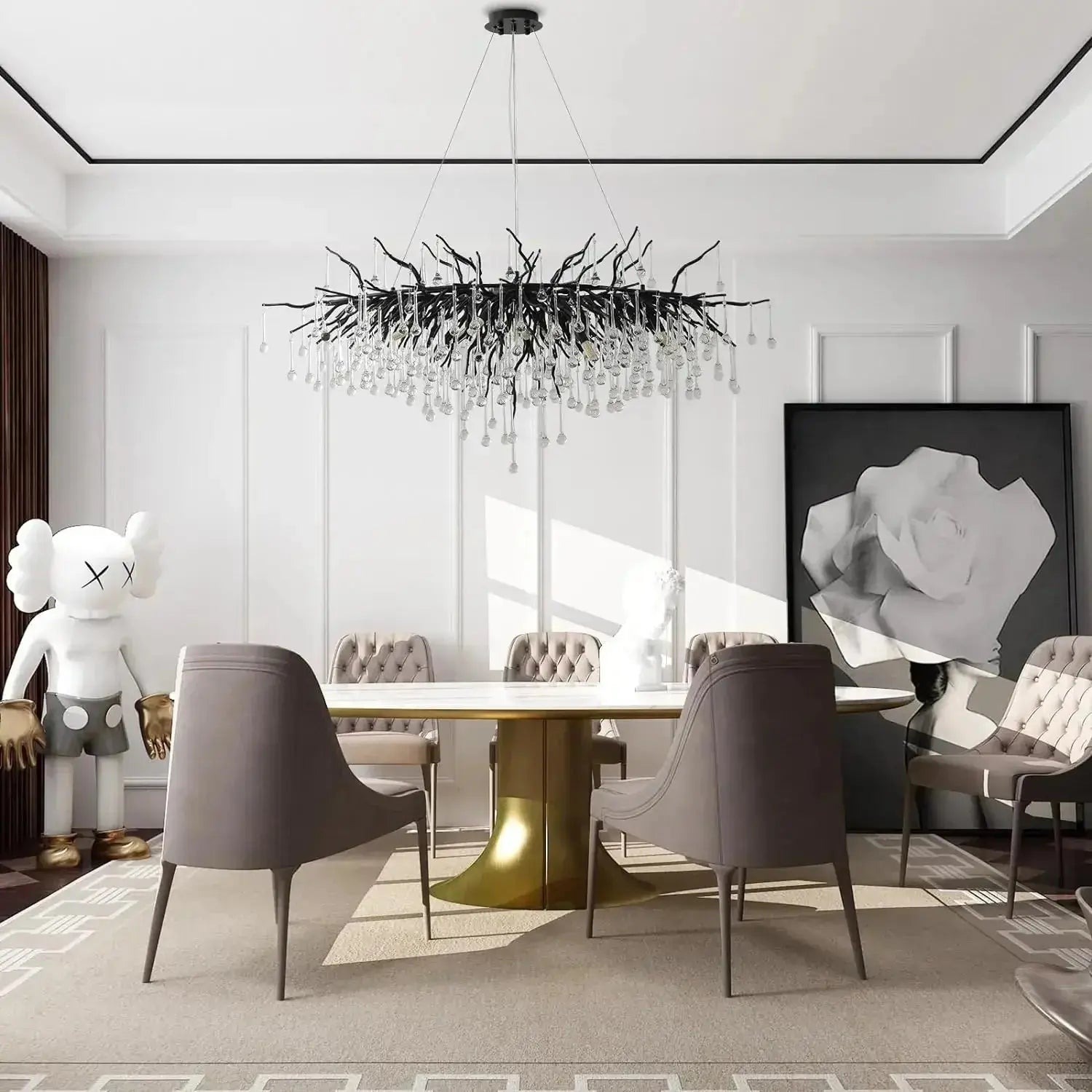
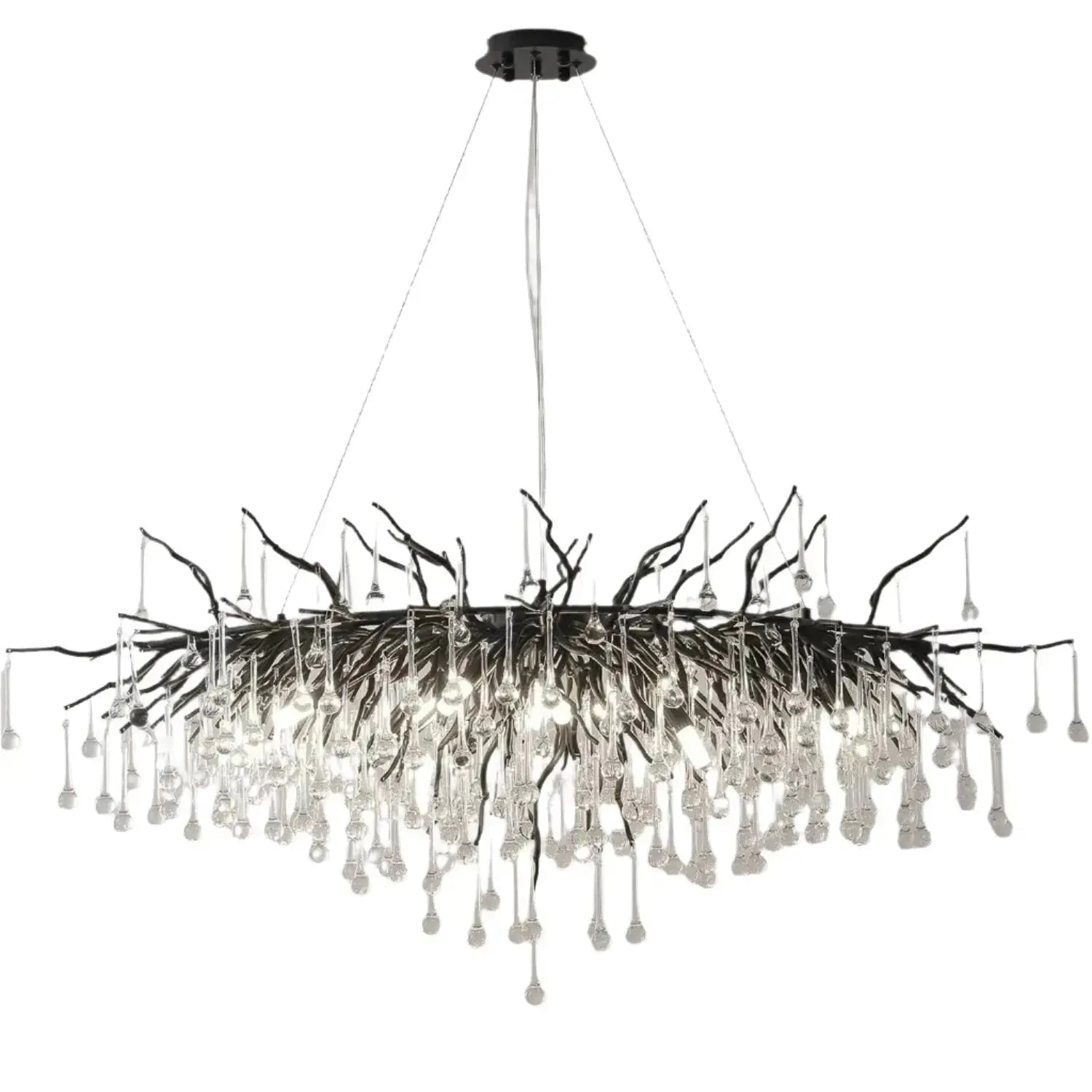
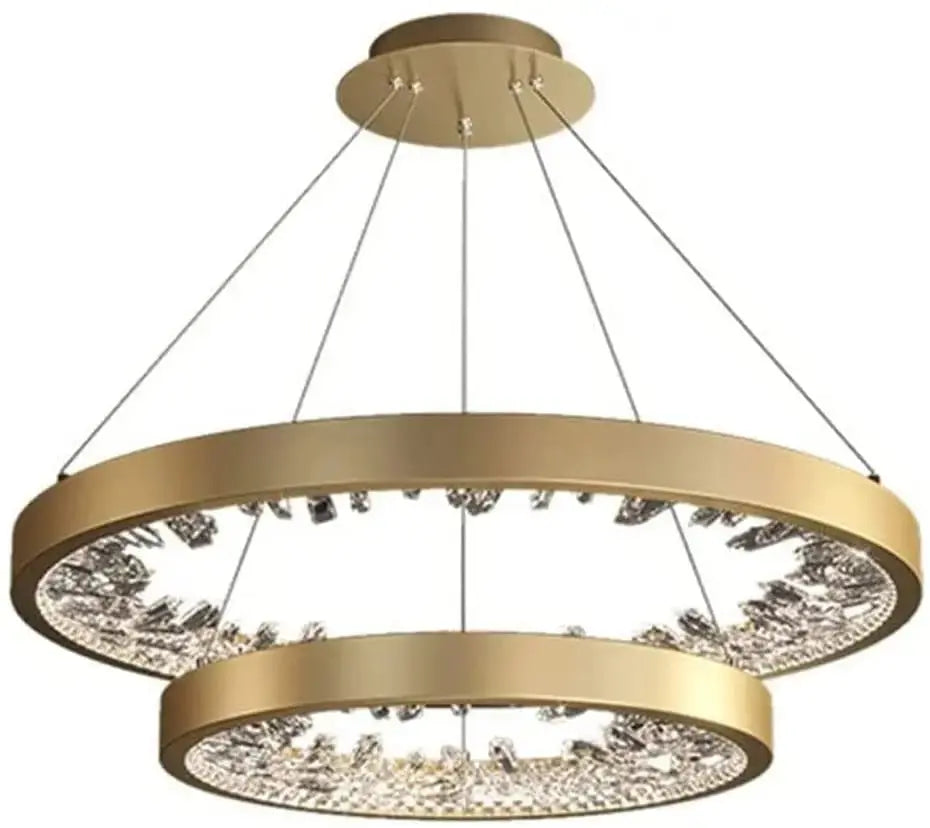
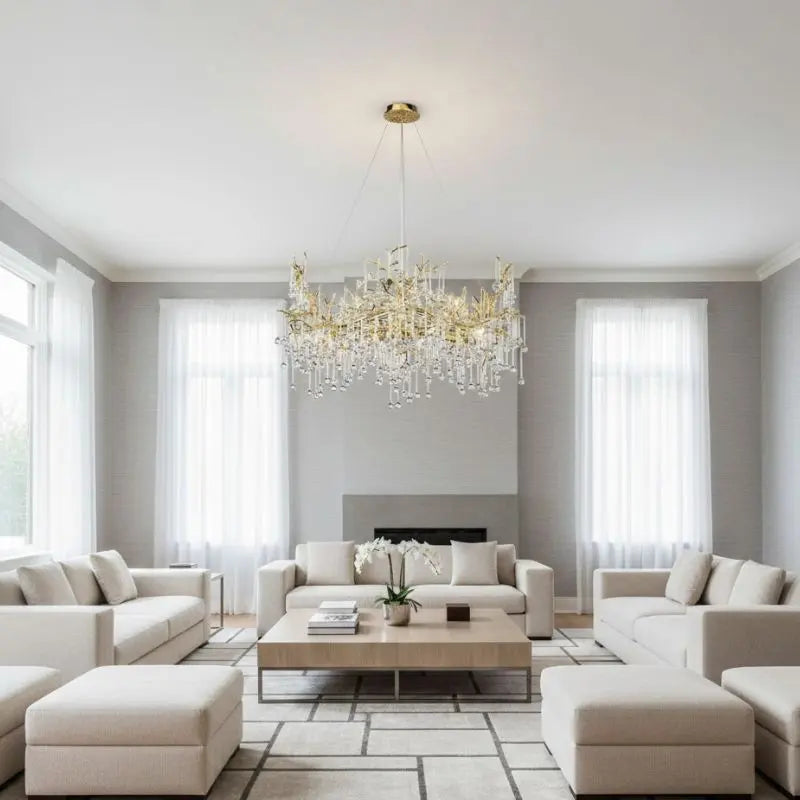
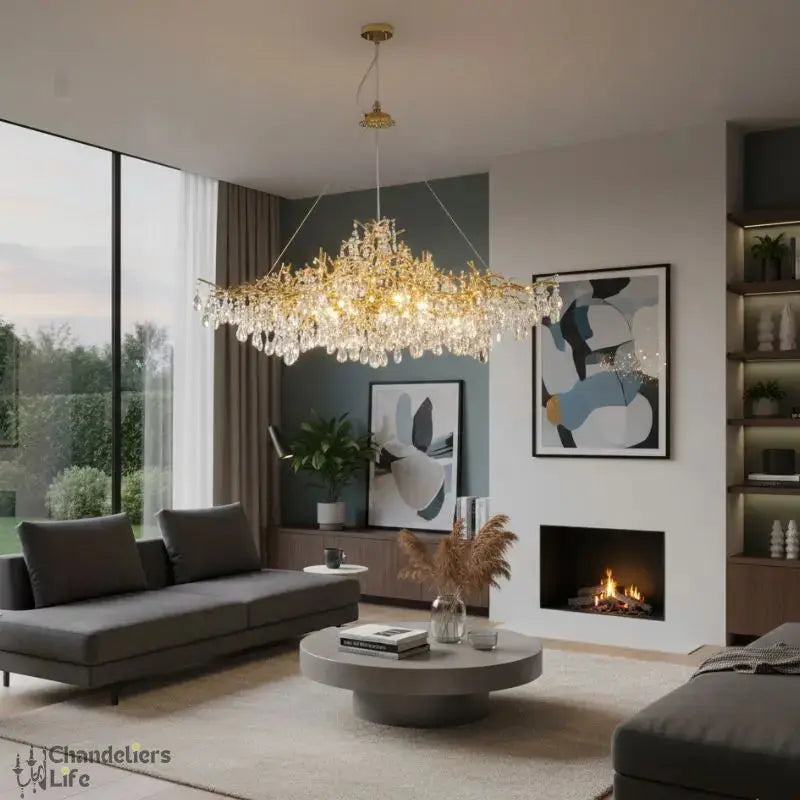
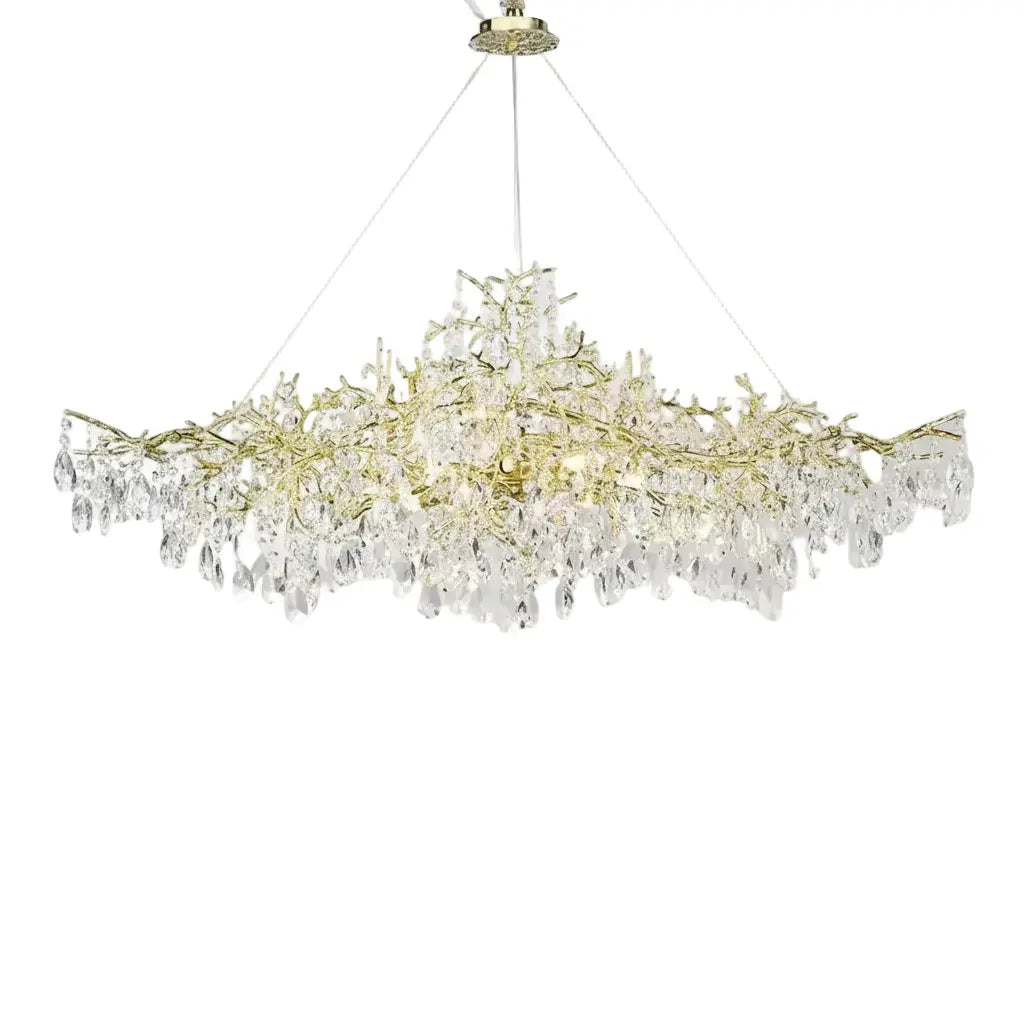
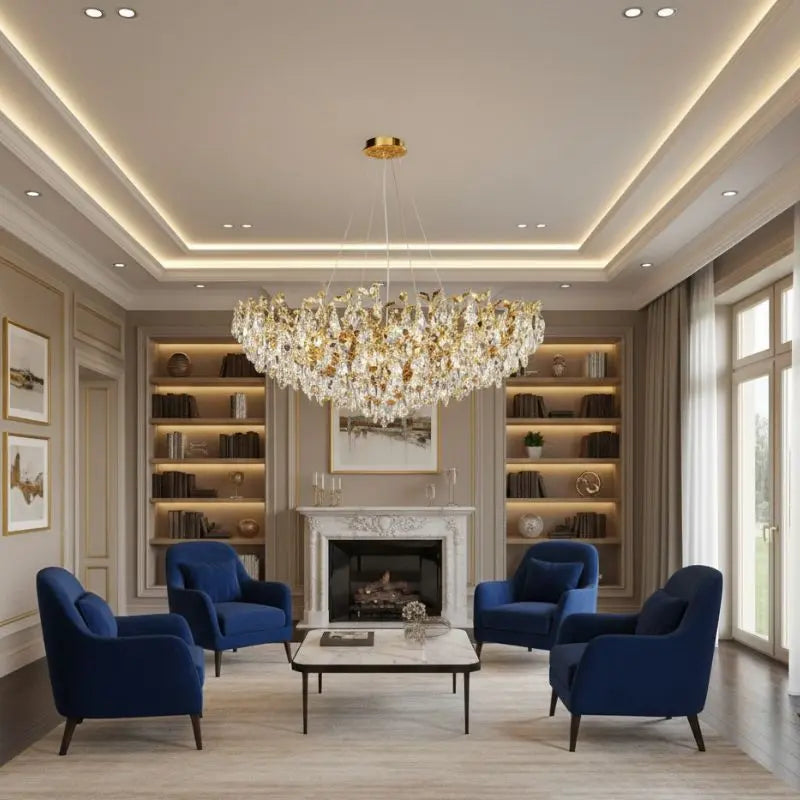
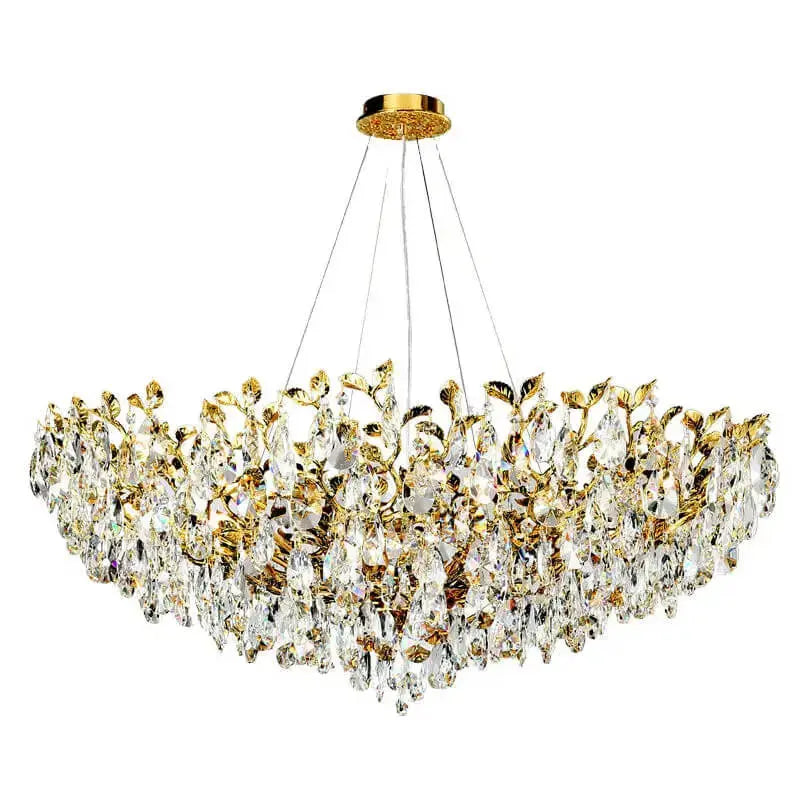
If there’s one thing that can completely change the mood of a room, it’s a dramatic, eye-catching light fixture. In 2026, sculptural and statement lights aren’t just illumination—they’re bold, artistic centerpieces meant to be seen. Instead of fading into the background, these fixtures grab attention with creative forms, unexpected shapes, or oversized details that everyone notices when they walk in.
Some standout ways people are using statement fixtures this year:
- Abstract Geometric Designs: Think angular pendants or asymmetrical metal forms that look more like modern art than traditional lighting.
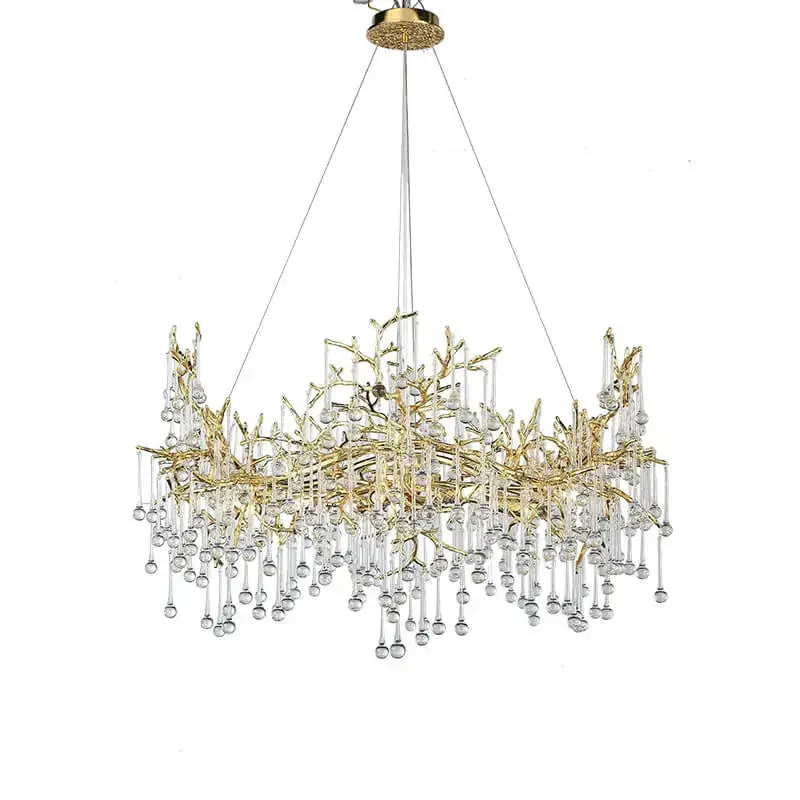
- Nature-Inspired Pieces: Fixtures shaped like leaves, waves, or branches soften a space and bring the outdoors in.
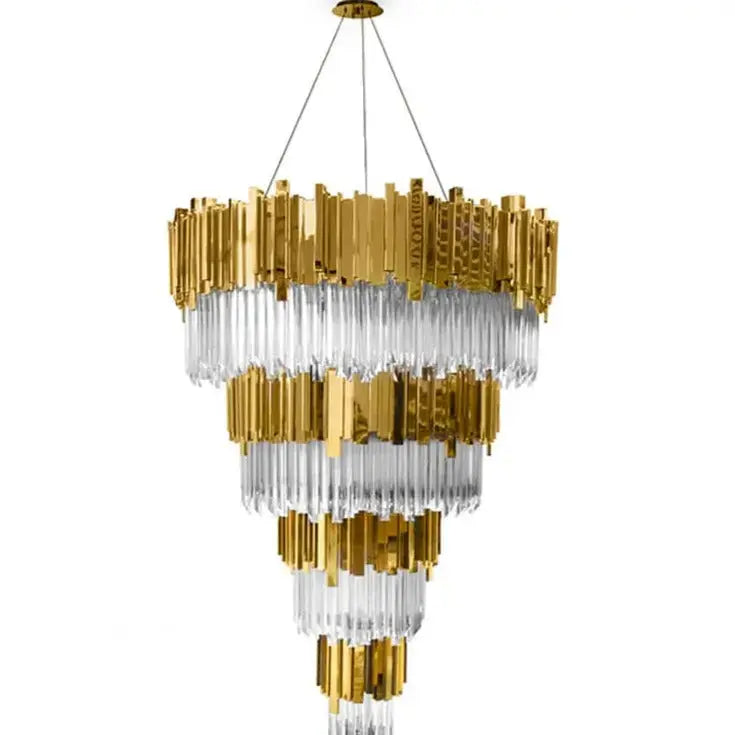
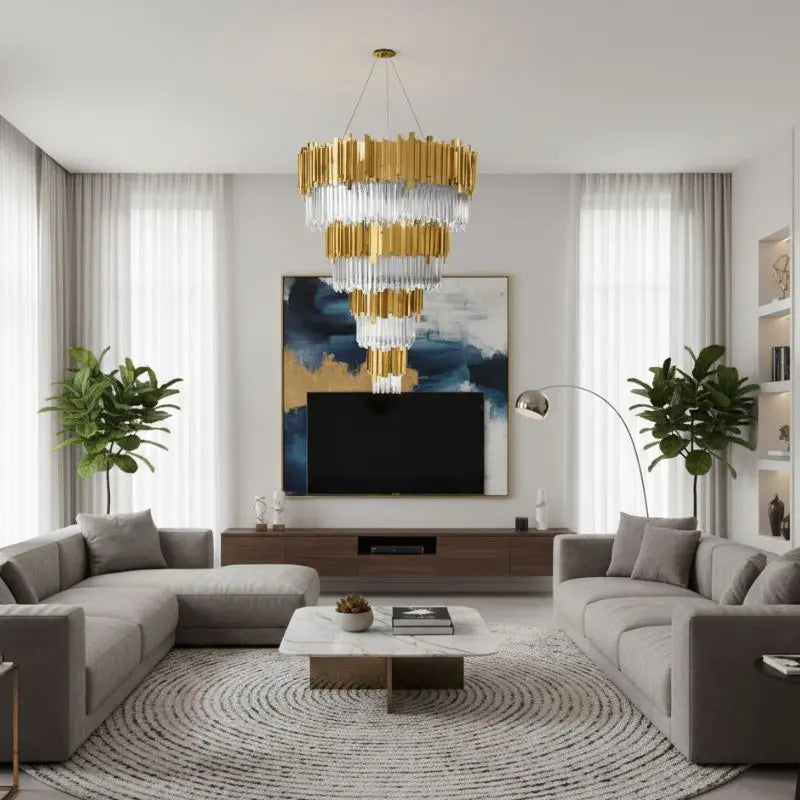
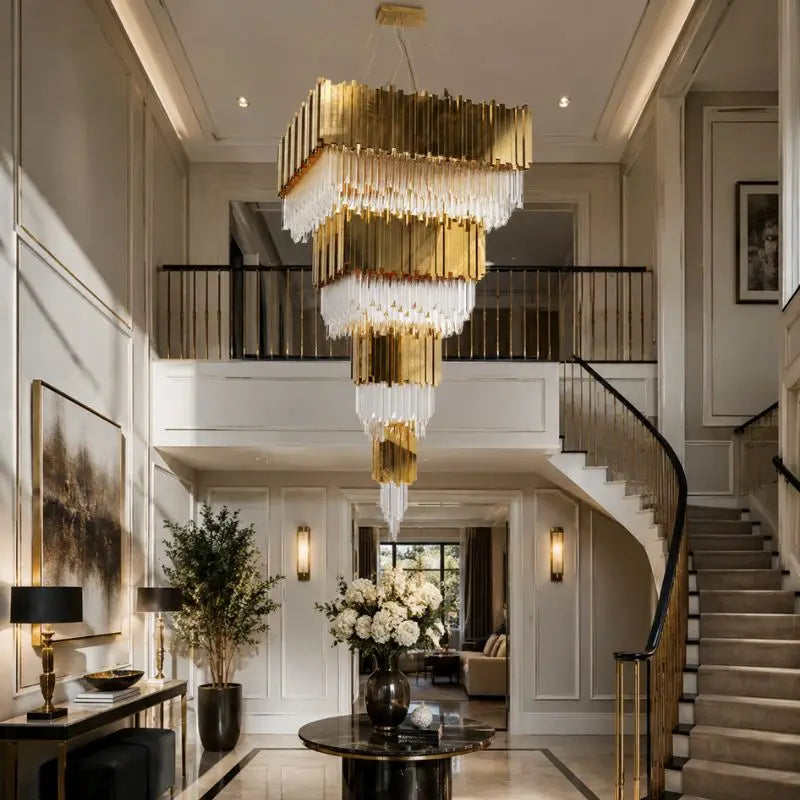
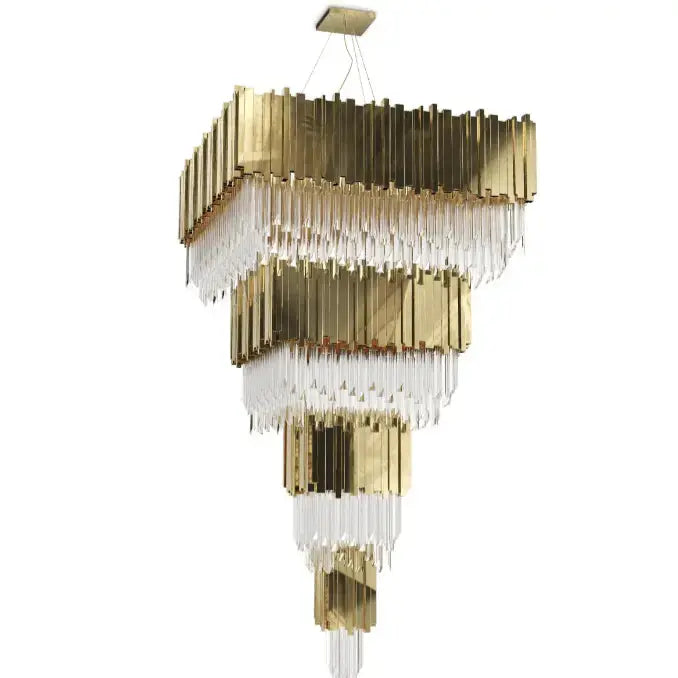
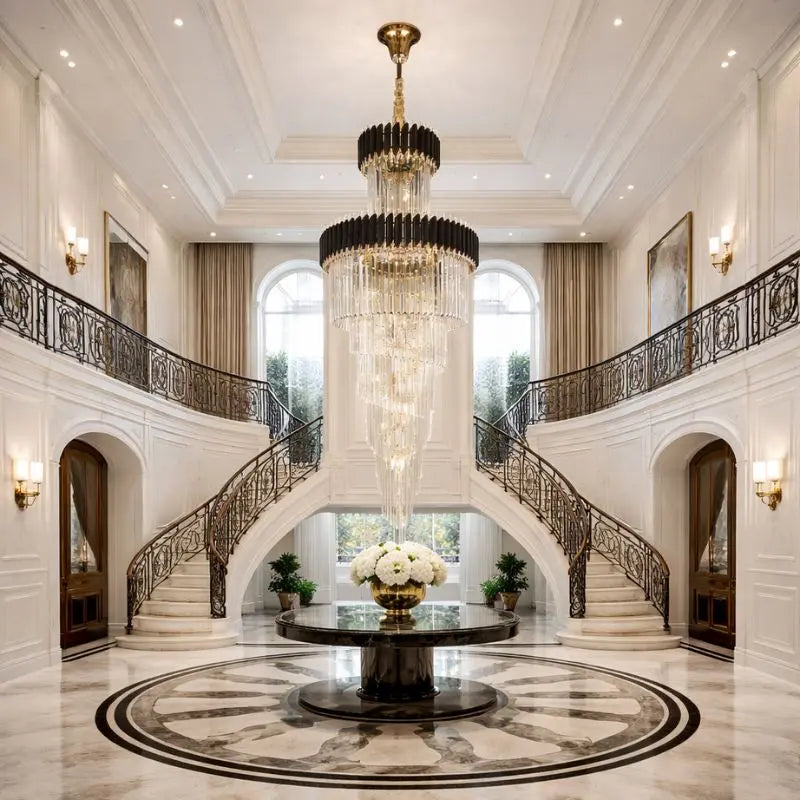
- Oversized Chandeliers: Even in smaller homes, people are choosing big, dramatic chandeliers over dining tables or in entryways—they set the whole vibe for the house.
- Textured Surfaces: Plaster, brass, marble, and matte mineral finishes are all over 2026’s designer lighting. These give a sense of touch and craft that glossy pieces can’t match.
Sometimes all it takes is one extraordinary fixture to make a whole room feel finished—like you finally found that missing puzzle piece.
What’s clear is that function doesn’t have to be boring. Whether you love metallic or marble textures, or prefer quirky, abstract shapes, sculptural lighting gives you permission to go big, experiment, and make your space memorable. These are more than lights—they’re conversation starters and mood-makers.
Hidden & Recessed Lighting
Hidden and recessed lighting really changes how a room feels, without the light fixtures getting in your face. The beauty of these lighting options is that they make a space look clean and open, while still letting you play with mood and atmosphere. In 2026, more people are putting these lights in spots that you might not expect—edges of ceilings, inside shelves, behind mirrors, or even in built-in wall panels.
Here are a few ways people are using hidden and recessed lighting at home:
- Installing LED strips behind crown molding or around the ceiling edge to give a soft, glowing halo effect.
- Using under-cabinet lighting in kitchens to highlight countertops and make prep work easier (plus, it just looks cool at night).
- Embedding lights inside stair treads or along hallways for nighttime safety and drama, without ever seeing a light bulb.
The trick with recessed lighting is all about placement. Too many, and it can make a room feel flat or clinical. Too few, and it’s not enough to see what you’re doing. In newer homes, architects often plan out several layers—overhead recessed lights, then cove lighting, and some accent fixtures—to balance out brightness without crowding the ceiling with hardware.
When you hide your light sources, you’re highlighting your space instead—letting your furniture, art, and even the shape of the room itself take center stage. Hidden lighting isn’t just about what you see, but also about what you don’t.
Color-Changing & Mood Lighting
Color-changing and mood lighting isn’t just for parties anymore—these lights are reshaping how we use and enjoy our homes every day. With LED technology letting us shift between different colors and temperatures at a moment’s notice, it’s easier than ever to create the exact atmosphere you want. Maybe you’re hosting friends and want an energizing blue hue overhead, or you’re winding down for the night and set the room to a soft, warm amber. It’s all possible with a quick tap or voice command.
Here are some real ways people are using color-mood lighting in 2026:
- Setting a calming glow in the bathroom to turn routine showers into spa-like escapes
- Choosing focused, cool-white lighting for working from home, then switching to relaxing tones for evening downtime
- Syncing smart lights with music for a fun movie or game night vibe
A lot of folks swap between several modes every day using their phones or even scheduling automatic color changes. Honestly, having lighting that adapts to your mood feels like a small luxury that really changes the space.
| Setting | Typical Color Temp/Light | Common Use |
|---|---|---|
| Bright White | 5000-6500K | Work, cleaning, focus |
| Warm Amber | 2200-3000K | Relaxation, reading, night |
| Colored Hues | Full RGB range | Parties, mood shifts, fun |
Try using subtle color-changing lights in rooms with neutral décor. The light takes center stage, adding visual interest without clashing with your style.
If you haven’t tried this trend yet, even just one color-adjustable fixture in the bedroom or living room can make those ordinary evenings at home feel much cozier or more exciting—whatever you’re in the mood for.
Sustainable & Energy-Efficient Designs
Sustainability is finally front and center when it comes to lighting in 2026. People want lights that don’t just look good, but also do good for the planet. You’ll find more homeowners choosing fixtures that cut down on electricity and use recycled or renewable materials. There’s no need to pick between style and savings anymore—most trendy lights today check both boxes.
Here’s what I noticed matters most right now:
- LED technology is the backbone. These bulbs last way longer and can save up to 80% on your energy bill compared with old incandescent or even CFL bulbs.
- Fixtures made from recycled glass, metal, or responsibly harvested wood are catching on. You can find pendants and chandeliers that are as beautiful as they are kind to the earth.
- Smart dimmers and motion sensors help by only lighting up spaces when you actually need them, so there’s less wasted power.
| Lighting Type | Lifespan (hours) | Energy Use |
|---|---|---|
| LED | 25,000+ | Very Low |
| CFL | 8,000 | Moderate |
| Incandescent | ~1,000 | High |
People want their living spaces to feel fresh and modern, but the real win comes when you know your design choices are cutting down on waste and helping the environment. It’s not about perfection, but small swaps—like going from regular bulbs to LEDs—really add up when it comes to electric bills and sustainability.
If you’re thinking about an update, look for lighting labeled as energy-efficient or eco-friendly. Pair them with personal taste and you’ll have a space that looks sharp and keeps your conscience clear, too.
Minimalist & Clean-Line Lighting
Minimalist & clean-line lighting is still popular in 2026, and it’s easy to see why. These fixtures don’t scream for attention—they just quietly get the job done and look great in the process. You’ll notice the appeal is all about simple shapes, pale finishes, and a serious lack of fuss. Whether you’re working with a tiny apartment or a big open space, clean-lined lighting slots in without making things feel busy or overdone.
A few standout features you’ll spot in this trend:
- Slim, linear pendants that almost seem to float above your dining table or kitchen island.
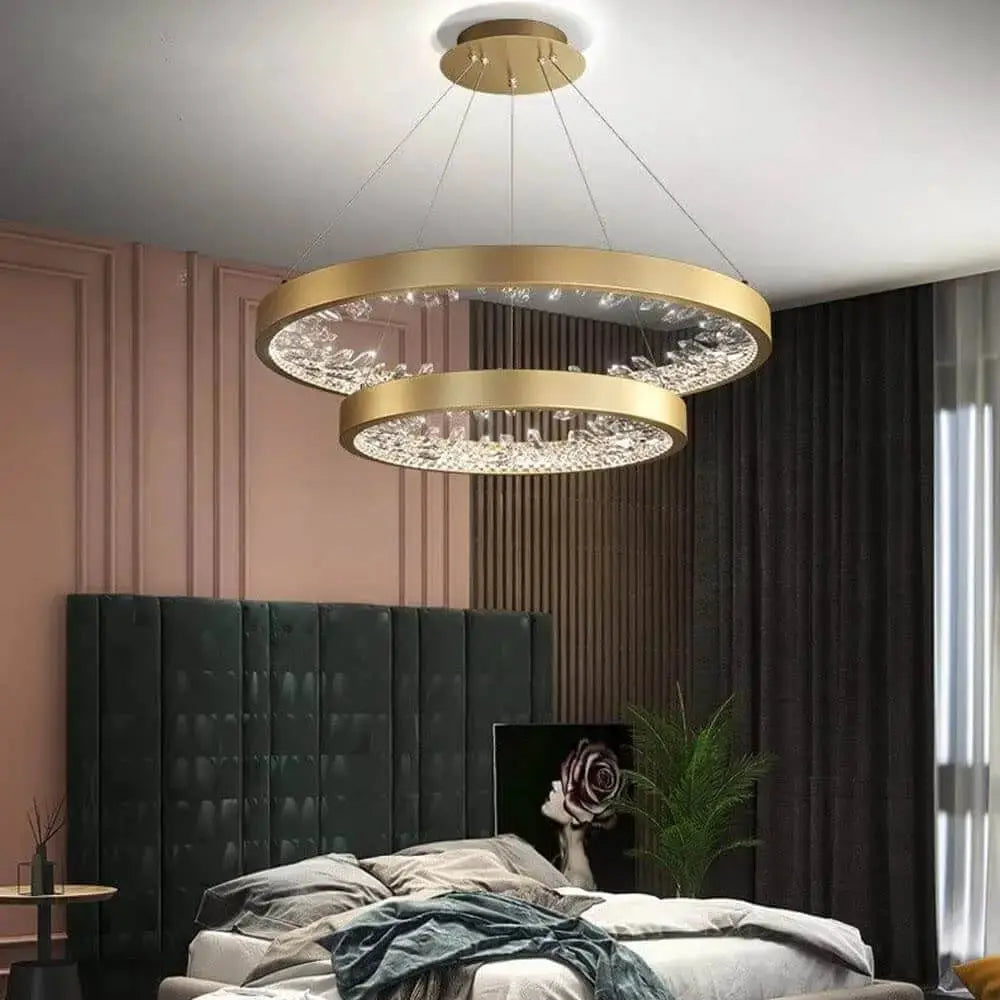
- Ceiling lights with geometric bodies – circles, ovals or bars – finished in white, black, or softened metallics.
- Deliberately exposed bulbs or frosted covers for diffused, gentle illumination that doesn’t overpower your space.
Minimalist lighting is tailor‑made for folks who love the idea of having less. It works because it blends in with nearly any wall color or furniture style—Scandi, modern, even farmhouse if that’s your thing. You won’t find a lot of ornamentation, but clever details (like a slim brass accent or matte finish) add a bit of polish.
"Minimalist lighting takes the pressure off decorating—sometimes the best choice is letting your fixtures step into the background, so your room’s textures and colors can shine."
If you’re curious how much you might save in terms of energy, minimalist lighting often goes hand-in-hand with energy-efficient bulbs. Here’s a quick comparison in table form:
| Bulb Type | Average Wattage | Expected Lifespan | Annual Energy Cost* |
|---|---|---|---|
| LED | 8W | 15,000 hrs | $1.20 |
| Incandescent | 60W | 1,200 hrs | $7.20 |
| CFL | 13W | 8,000 hrs | $1.75 |
*Estimate based on 3 hours/day at $0.12 per kWh.
All in all, if you want a space that feels relaxing and put-together, minimalist hanging lights are a solid bet. They might not be the star of the room, but honestly, that’s the whole point.
Retro Revival: Vintage Bulbs & Brass Finishes
There's something about old-school lighting that just feels right, especially when paired with all the smart tech stuff going on in 2026 homes. Vintage bulbs and brass finishes have made a big comeback—think those filament Edison bulbs with warm glow, chunky glass shades, and all the warm gold tones you can get. Mixing these with modern furniture gives a fun contrast that doesn't make your place look like a museum, but keeps it feeling inviting and lived-in.
Here's what makes retro lighting work for today's spaces:
- Brass hardware naturally brings warmth (and is surprisingly easy to clean).
- Old-fashioned bulbs are now made LED, so you save power but get that soft, cozy look.
- These lights work well in clusters—over a dining table or in a reading nook—instantly creating a focal point without being overwhelming.
Try these quick swaps if you want to give it a go:
- Switch out modern pendants with globe styles in amber or clear glass.
- Add a pair of brass sconces by your bed or mirror for symmetry.
- Use dimmers to make the most of warm bulbs when you’re winding down (super useful for mood).
Going retro doesn’t mean you have to toss everything and start over. It’s about picking a few pieces—a lamp here, a fixture there—and letting them shine against your usual décor.
And honestly? You can get the effect without spending a fortune at antique stores. Plenty of new fixtures mimic vintage designs but use safe, energy-saving bulbs. Just make sure the finish (brass, bronze, or even brushed gold) looks intentional—not like you’re trying too hard. The whole vibe is relaxed and personal, and that’s really what makes a space feel like home.
Layered Pendant Clusters
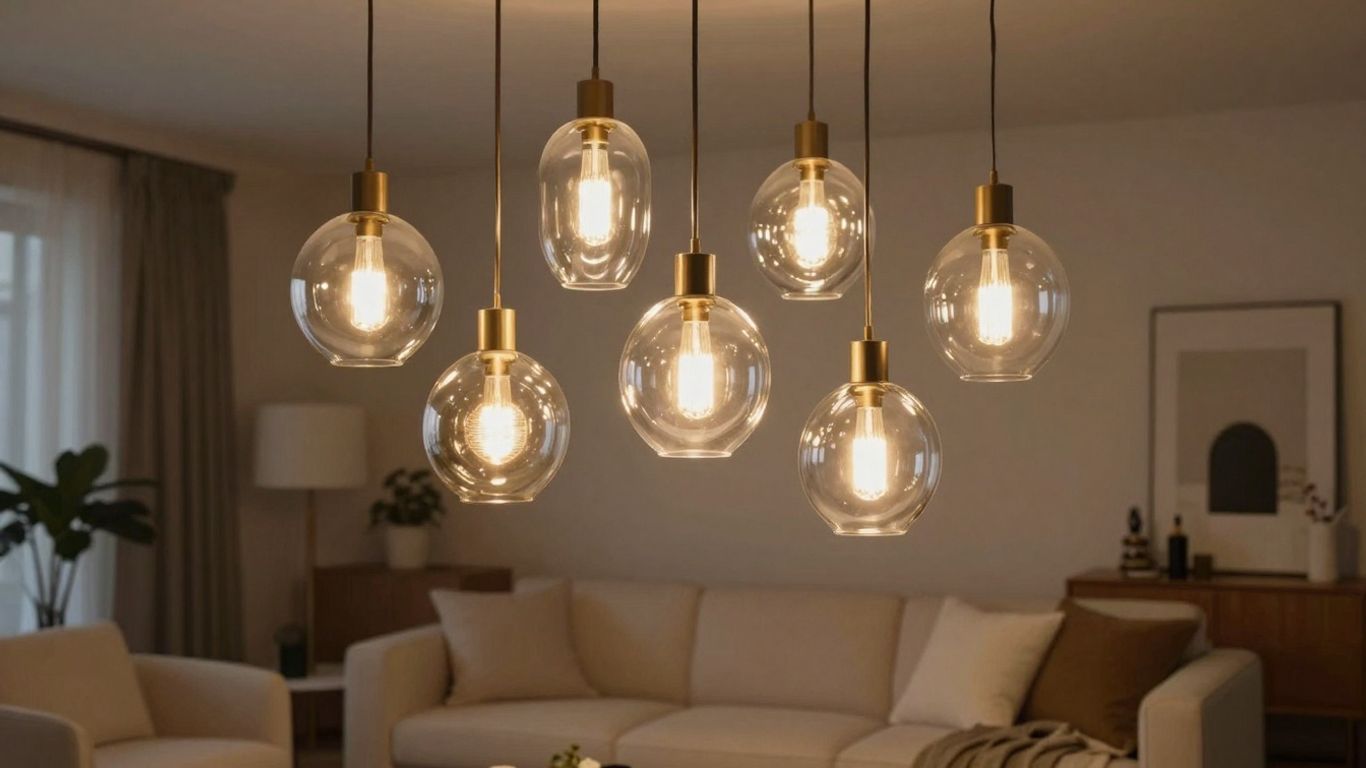
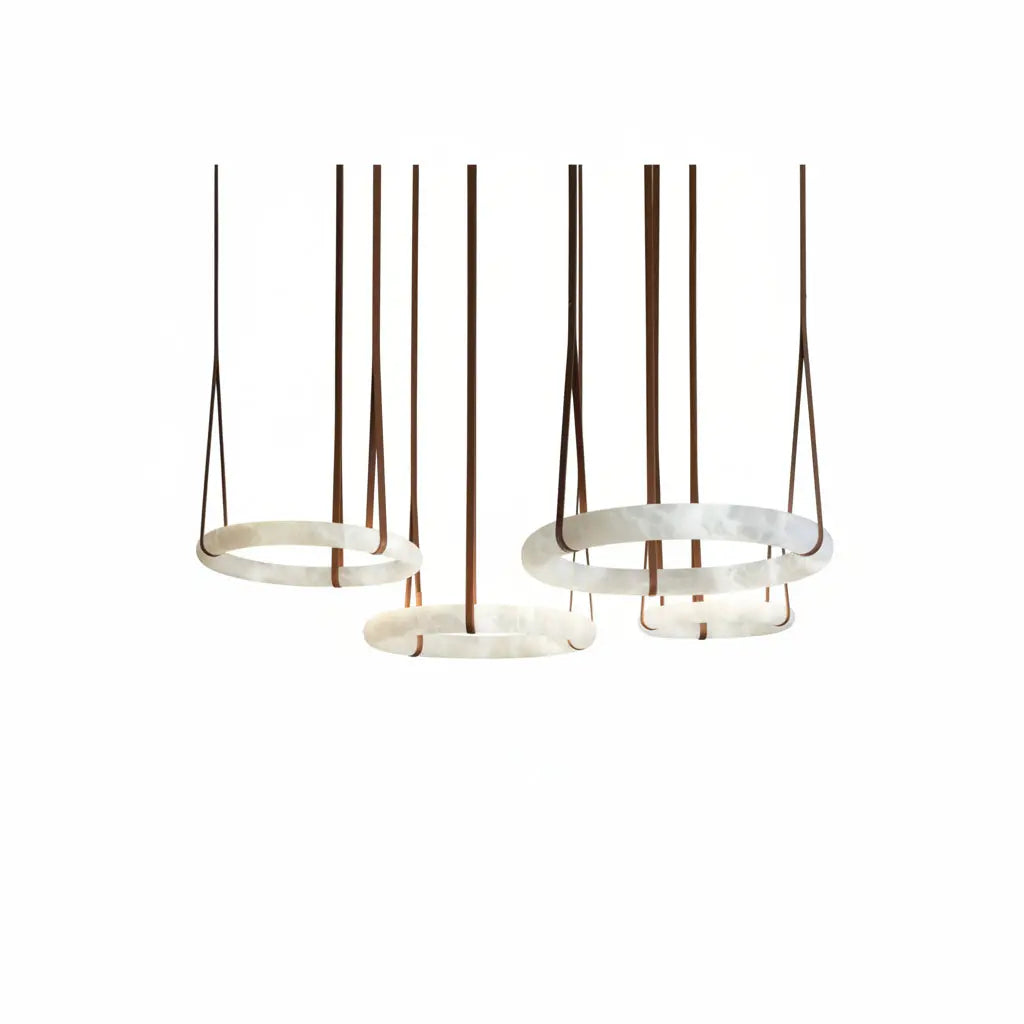
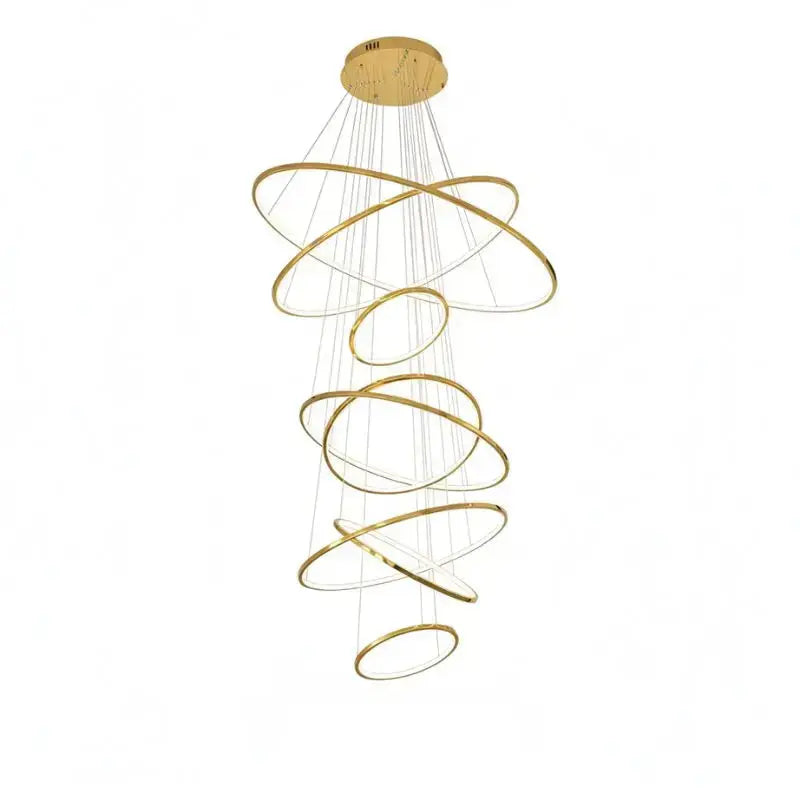
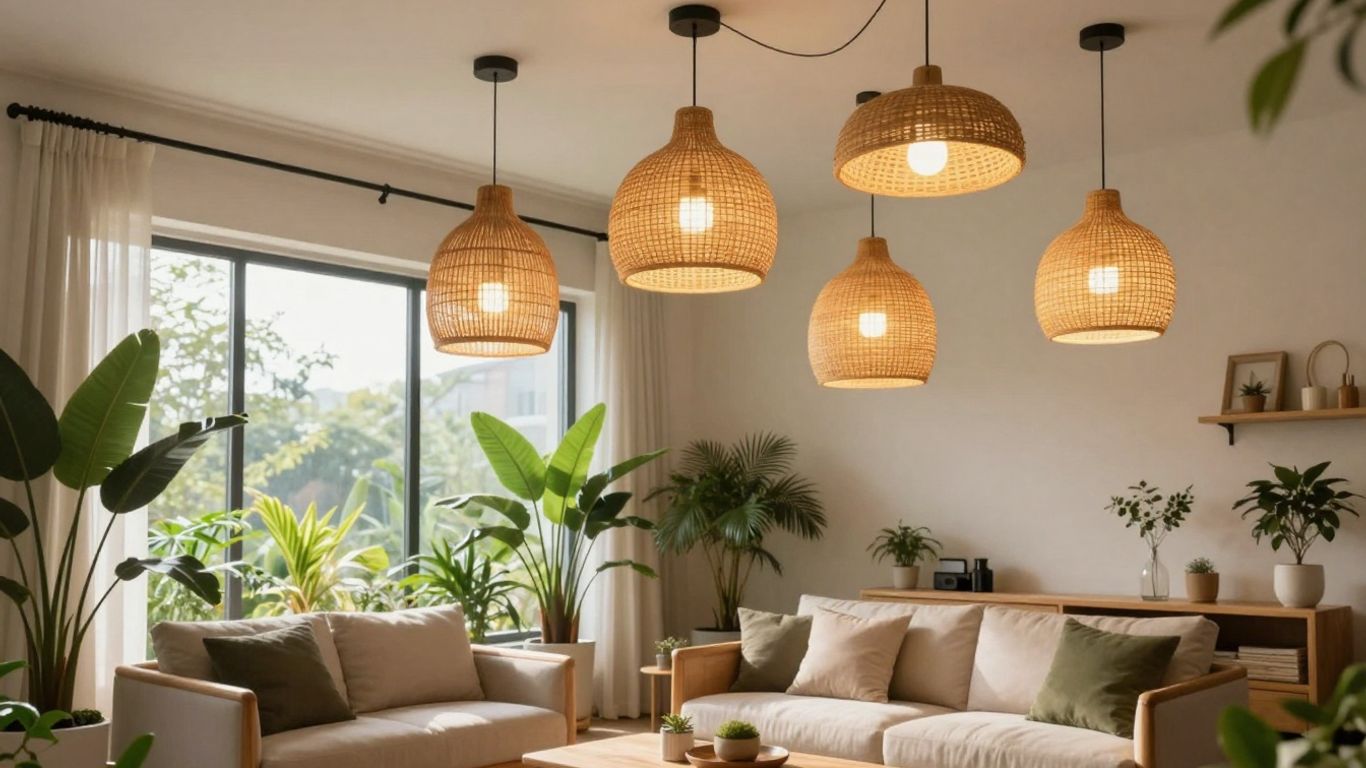
Layered pendant clusters are making a splash this year, and it's easy to see why. Hanging a handful of pendant lights at different heights—over a dining table, in an entryway, or even above a staircase—looks thoughtful without being too formal. This approach adds depth, movement, and a cozy feel that a single fixture just can't match.
Here's what makes layered pendant clusters such a strong choice right now:
- You can mix and match different shapes, sizes, or finishes for extra character.
- Adjustable cords let you play with height and arrangement, so your look can easily be refreshed—just tweak a few knots or swap out a shade.
- It’s a great way to fill up vertical space, especially in rooms with high ceilings or awkward corners that seem a little empty.
A quick tip: Choose pendants that share at least one element (like color or finish) to tie everything together. Too many random styles can look busy instead of intentional.
Grouped pendants don't just provide light—they play with shadows and highlight different spots in the room, which keeps things interesting without much effort.
Here's a simple summary table for ideal pendant cluster placement:
| Room | Suggested Number of Pendants | Hanging Height (from surface) |
|---|---|---|
| Dining Table | 3–5 | 28–34 inches |
| Kitchen Island | 2–4 | 30–36 inches |
| Stairwell | 5+ (varied heights) | Varies (cascade effect) |
On a personal level, I tried this in my own entryway—just three lights, each a bit different. It really changed the whole mood. At night, the lighting feels layered and interesting without making the space look crowded. Honestly, it's one of those updates that felt bigger than the effort it took.
Paper Lanterns
Paper lanterns are making a real return this year, and honestly, it makes sense. There's something about their soft, glowing light that makes any room feel instantly more inviting. You can hang them in just about any space—over your dining table, in a reading nook, or even in the bedroom for a gentle vibe at night. Here’s what stands out if you’re thinking about bringing paper lanterns into your home:
- They come in all sorts of shapes and sizes, from classic round to oversized sculptural forms.
- Most are super lightweight, so you can hang them on simple hooks or ceiling fixtures—no fancy installs needed.
- Many options use sustainable materials like rice paper or bamboo, which means you can keep your decor eco-friendly.
- Because they diffuse light so well, these lanterns are perfect for creating a cozy ambiance without harsh shadows or glare.
If you want a simple way to change the mood of your space without much hassle, paper lanterns might be the answer. Even one or two can give a whole room a warmer, softer feel.
Some folks like to layer different lanterns together, hanging them at different heights for a more playful look. Others stick with a single large one as a statement piece. Either way, it’s a trend that works for almost any style, from minimalist to boho to retro. Just pick the shape and color that suits you, and it’ll do the rest of the work. Not bad for something so easy to set up.
Color-Tinted Glass Globes
Color-tinted glass globes are showing up everywhere this year, and they’re not just a passing trend—they actually change how your rooms feel. The way these globes filter light through colored glass makes a big difference. Instead of harsh, bright white overheads, you end up with soft amber, blue, or smoky glows. It’s almost like putting on a pair of sunglasses for your space, muting everything a little in the best way.
A few reasons color-tinted glass globes have become popular lately:
- They immediately add personality without needing complicated hardware or installation.
- Depending on the tint you choose, you can create different moods: amber for cozy, blue for calm, smoky gray for chic.
- They work well as singles or grouped in clusters over tables, in hallways, or in reading nooks.
If you want to coordinate with your décor, look for bases or cords in a neutral finish—let the globe’s color do all the talking. These lights also mix with a bunch of styles. I’ve seen tinted globes fit right into both super modern kitchens and more traditional living rooms, almost like a chameleon.
Color-tinted glass globes are an easy way to swap out boring fixtures for something that feels thoughtful, inviting, and totally yours. It’s home lighting, minus the effort or the drama.
Wrapping Up: Let Your Lights Do the Talking
So, there you have it—ten ways to shake up your space with hanging lights in 2026. It’s wild how much a few well-placed fixtures can change the whole vibe of a room. Whether you’re into smart tech, vintage bulbs, or just want something simple and clean, there’s really no wrong way to go about it. Don’t be afraid to mix things up or try something bold—sometimes the best ideas come from a bit of experimenting. At the end of the day, your home should feel like you. If a new pendant or a splash of color makes you smile every time you walk in, that’s what matters. Happy lighting!
Frequently Asked Questions
How do I choose the right hanging lights for my room?
Start by thinking about the size of your room and how much light you need. For small spaces, pick simple fixtures or small pendants. For bigger rooms, you can use larger statement lights. Also, think about your style—modern, classic, or something else—and pick a light that matches.
Are smart lights hard to install or use?
Most smart lights are easy to set up. You usually just screw them in like normal bulbs and connect them to your phone or home assistant app. The instructions are simple, and you don’t need special tools.
Can hanging lights help save energy?
Yes! Many hanging lights use LED bulbs, which use a lot less electricity than old bulbs. Some smart lights also let you set timers or dim the light, so you only use as much as you need.
What is the best way to clean hanging lights?
First, turn off the light and let it cool down. Use a soft, dry cloth to wipe the dust. For glass or metal, you can use a damp cloth, but don’t get the wires wet. If the light has small parts, be gentle so you don’t break anything.
How do I make my room feel cozy with hanging lights?
Try using warm-colored bulbs instead of bright white ones. You can also hang lights at different heights or use paper lanterns and colored glass globes for a softer glow. Dimming your lights in the evening also helps create a cozy feeling.
Are hanging lights safe to use in every room?
Hanging lights are safe if installed correctly and away from places where they might get wet, like bathrooms, unless they are made for that. Always follow the instructions, and if you’re not sure, ask an adult or a professional to help install them.